Honest notes from the plot
Grow-your-own advice you can hold us to — what works, what doesn't, and the kit you don't need. Every fact checked against the RHS, the failures included — from pruning roses and fruit trees to lawns, bulbs and houseplants, through the whole year.
Near-black foliage and orange leaves from hardy plants make a Halloween pot that still looks good in February. Which plants are truly hardy, how to plant it, and what to skip.
Skimmia, winter heath, hardy cyclamen, ivy and violas: a festive door pot that is still going at Easter. Which plants are truly hardy, which best-sellers aren't, and how to plant it.
Holly, ivy and conifer tips cut lightly, a moss-padded ring and no floral foam. What to take without spoiling the plant, what lasts outside, and why yew stays on the bush.
Eat the flesh on carving night, roast the seeds, compost the shell without the wax. Why it shouldn't go out for the hedgehogs, and why its seed may not give you the same pumpkin next year.
An amaryllis flowers six to eight weeks after planting, so a Christmas bloom means planting by early November. How to time it, slow an early one, and why waxed bulbs are a one-off.
A heap of autumn prunings looks like a ready-made bed to a hedgehog. Build on the day, lift it with a broom handle, light from one side, and know what to do if someone's home.
Home-made autumn displays bring yew, hedgerow berries and gourds to toddler and dog height. What's genuinely dangerous, what's mild, and what to do if something gets eaten.
Good secateurs, gloves that fit and a bird feeder you can clean get used for years. Bug hotels, watering globes and waxed bulbs mostly don't. An honest list.
Bought a flytrap for Halloween? Some carnivorous plants need a cold winter rest and some need warmth all year. Which is which, and how to tell resting from dead.
Bright light without direct sun, room-temperature water kept off the leaves, a small pot and one crown. Get those right and an African violet can flower for months on end.
Air plants can't live on air alone. Dunk them in rainwater regularly, shake them out, and dry them upside down within a few hours. Water left in the base is what rots them.
An alocasia losing leaves in winter is often just going dormant. Keep it above 10°C, water far less and check for spider mite. The underground stem usually reshoots in spring.
You won't banish black spot in a wet British summer, but you can keep it in check: clear fallen leaves, mulch in winter, water at the base, and choose less susceptible roses.
Blueberries need acid compost at pH 4.5–5.5. Grow them in ericaceous compost in a 30cm+ pot, water with rainwater, and plant two varieties for a bigger crop.
Webbing and striped green-and-black caterpillars mean box tree caterpillar. No webbing, but brown leaves dropping and black streaks on stems, means box blight. The fixes differ.
Brown tips won't turn green again. Trim them for looks, then fix the cause: uneven watering, salt build-up from feed, dry radiator air, or fluoride in some tap water.
Crispy brown edges usually mean dry, heated air, often made worse by hard tap water. Curling by day means thirst or too much heat. Folding up at night is normal.
Camellia buds form in late summer, so bud drop in spring usually means the roots went dry months earlier. Water steadily from July, stop feeding by August, and shelter from morning sun.
Most carnivorous plants die from kindness: tap water, potting compost and fertiliser. Use rainwater, a peat-free carnivorous mix, lots of light, and let them catch their own food.
A clematis stem that collapses overnight is often not dead. Rule out slugs and drought, cut back to clean stem, even to ground level, and keep watering. New shoots may follow.
Early courgette flowers are mostly male and can't fruit. Wait for females with a baby fruit behind them, then hand-pollinate if insects are scarce.
Let them ripen fully, cut before frost with 10cm of stalk, then cure in the sun for 7–10 days. Store at 10–15°C, not touching, and most keep three months or more.
On Lenten rose hybrids, cut every old leaf off at the base before flowering. It shows off the flowers and removes leaf spot. Stemmed species just need damaged leaves picked off.
A cymbidium with lush leaves and no spikes was almost always kept too warm. Summer it outdoors, let it feel cool nights of around 13°C or below, and bring it in before frost.
Dogwood stems colour best when young. Cut them almost to the ground between late March and mid-April, or take out the oldest third each year for a bigger shrub.
Indoor ferns crisp when the compost dries or the air is too dry. Keep compost evenly moist, use a humid room or pebble tray, and water a bird's nest fern round the edge, not into its centre.
Indoor figs drop leaves when light, temperature or watering changes, so a move or the autumn light drop sets them off. Pick one bright, draught-free spot, keep care steady, and wait.
Hoyas flower in bright light, when mature and slightly pot-bound, and rebloom from the same short spurs. Don't cut those off, and don't move the plant once it's in bud.
Kalanchoe flowers when nights are long. Give it about six weeks of unbroken 14-hour nights in autumn, no evening lamp light, and treat it as a succulent the rest of the year.
Cut the old spike above a node or back to the base, keep the plant bright, water and feed it lightly, then give it about a month of cooler nights in autumn to trigger a new spike.
Green, black-spotted larvae hatch low in the middle of the bush and eat outwards unseen. Check the centre every few days from April and pick them off by hand.
Outdoors in the UK, only the pea-sized figs at the shoot tips ripen, a year later. Pick off the bigger green ones in autumn, protect the tiny ones over winter, and keep the roots cramped.
Brown tips usually mean dry air or uneven watering. Trim only the dead part, never cut the growing point, check for spider mite, and know that a majesty palm is hard work indoors.
Fine mesh held clear of the leaves stops both butterflies and pigeons. Clubroot can't be cured: lime acid soil, raise plants in pots first, and grow resistant varieties where you can.
Bring lemons in as autumn nights cool. Give them a bright, cool, steady spot, water sparingly with tepid rainwater and use winter citrus feed. Warmth, draughts and wet roots cause leaf drop.
Lily beetle adults, eggs and dung-covered larvae strip lilies and fritillaries from late March. Check every few days and pick them off by hand: it's the method that works.
Chillies are frost-tender perennials. Bring them in before frost, cut back, water sparingly and keep them bright. They start cropping earlier next year, but it isn't always worth it.
A drooping peace lily is usually thirsty, but a waterlogged one droops too, so feel the compost first. No flowers usually means too little light, or a plant not yet mature enough.
Mediterranean herbs mostly die of cold, waterlogged roots, not frost. Sharp drainage, no saucers, pots raised off the ground and no hard autumn pruning get them through.
Some dropped flowers are normal. Most failures come down to dry roots, hot nights, sparrows or unpicked pods. Misting the flowers doesn't help.
Soft, collapsing leaves on a snake plant or ZZ almost always mean rot from too much water, often in a cold winter room. Check the base, save the firm parts, and water far less.
Small snowdrop bulbs dry out easily and dry autumn bulbs often fail. Plant, lift or divide them after flowering, while the leaves are still up, and never dig them from the wild.
Usually not. Star jasmine leaves often turn bronze-red in cold weather, and that's normal. Worry only if stems die back, or the roots are sitting wet or drying out.
Store only late, unblemished fruit, picked just under-ripe with stalks on. Keep it cool (4–7°C), dark and airy, not touching, and check often. Ripen pears indoors.
Strawberry beds fade after three or four years. In late summer, root runners from healthy plants into small pots and start a new bed in fresh ground.
Winter light is too weak for most succulents, and cold, wet compost rots them. Give them your brightest window, a cool rest, almost no water and no feed until April.
Most tomato faults are watering or weather, not disease, and no spray fixes them. Blight is the exception: act fast, bin it, and never compost it.
Plant tulips in November, two to three times their height deep, in sharp drainage. Most garden tulips fade after year one; Darwin hybrids and species tulips have better odds.
Blue needs acid soil so the roots can take up aluminium. On acid soil a blueing compound helps; on chalk it won't. White hydrangeas never turn blue. Pots are the honest route.
Pot stored dahlia tubers up under cover in early spring, barely damp, then plant out after the last frost, usually late May. The first shoots make easy, free cuttings.
Clipped beech and hornbeam hold dead leaves all winter, a habit called marcescence. It's normal. Trim in late summer to keep it, and choose hornbeam for heavy, wet soil.
Buds are set by cool autumn nights and long, unbroken darkness from mid-September. A warm, lamplit room is the usual culprit. Once buds show, keep conditions steady.
Only female hollies berry, and most need a male nearby. Cultivar names mislead: 'Golden King' is female, 'Silver Queen' male. Age, frost, shade and birds also play a part.
Monstera holes come with maturity and good light. Young plants make solid leaves by design. Give it a bright spot and something to climb, and be patient: there's no quick fix.
Most peonies that won't flower are planted too deep, in too much shade, or were recently moved. Lift in autumn and replant with the buds no more than 2.5cm under the soil.
Yellow rattle feeds off grass roots and thins the sward so wildflowers can compete. Sow fresh seed on bare soil from August to November; it needs winter cold to germinate.
Yellow leaves with green veins mean the soil or water is too alkaline. Old leaves yellowing and dropping in spring is normal. On chalk, grow them in pots rather than fight it.
Most bromeliads flower once, then the rosette slowly dies. Keep watering, let the pups grow to about a third of the parent's size, then pot them up for free new plants.
Blackening traps in autumn are normal. Flytraps and trumpet pitchers need a cool, bright winter rest of at least ten weeks, kept damp but not flooded. Don't feed them.
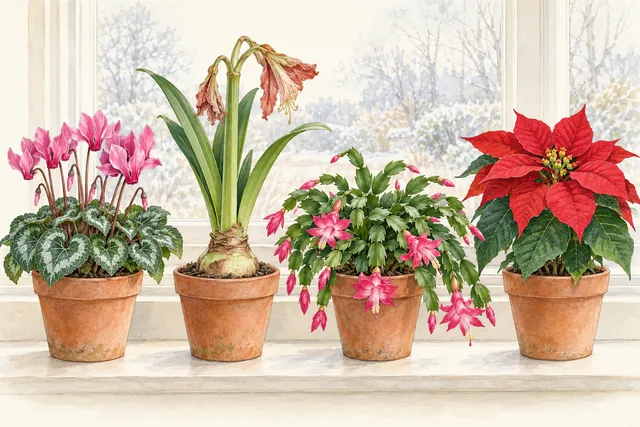
Three Christmas plants are worth keeping and flower again after a cool rest. The fourth needs 8–10 weeks of short days. What each one wants from January onwards.
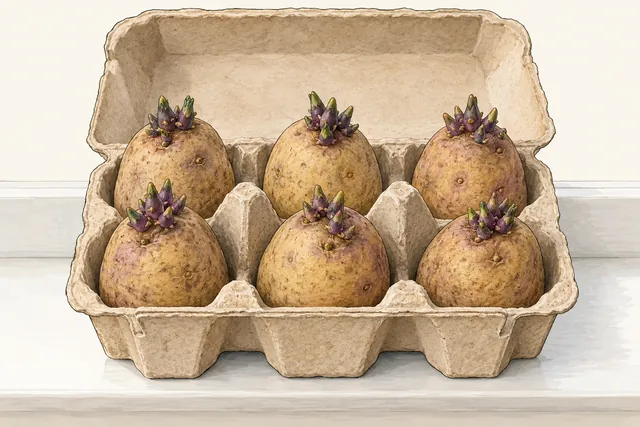
When chitting earns its windowsill space and when it doesn't, plus planting dates, depths and spacing for earlies and maincrops, earthing up, frost and growing in pots.
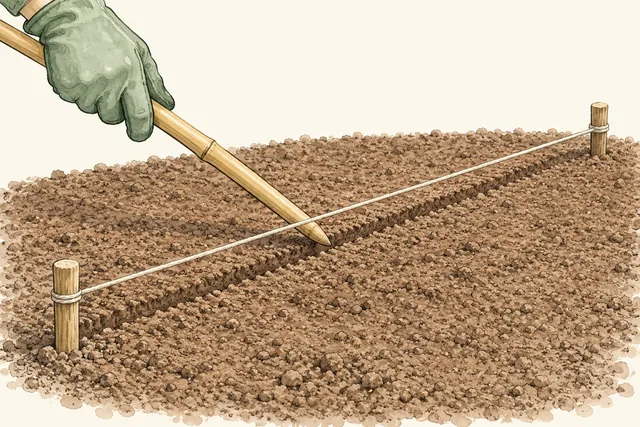
No pots, no windowsill, no compost bill. How to sow carrots, beetroot and salads straight into the soil: when it's warm enough, how deep, and how to thin.
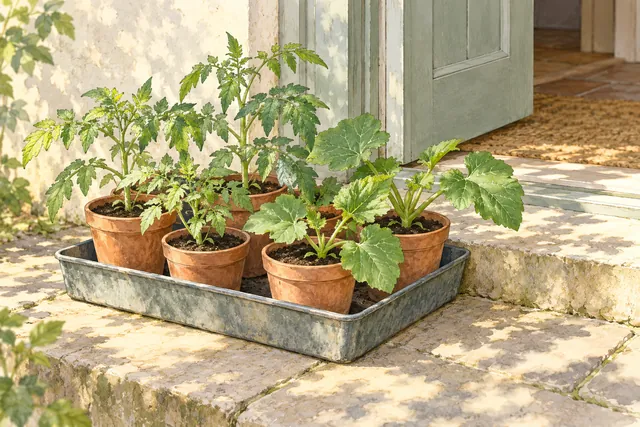
Seedlings raised indoors need two to three weeks to toughen up before they go in the ground. The schedule, the UK frost dates by region, and how to plant out properly.
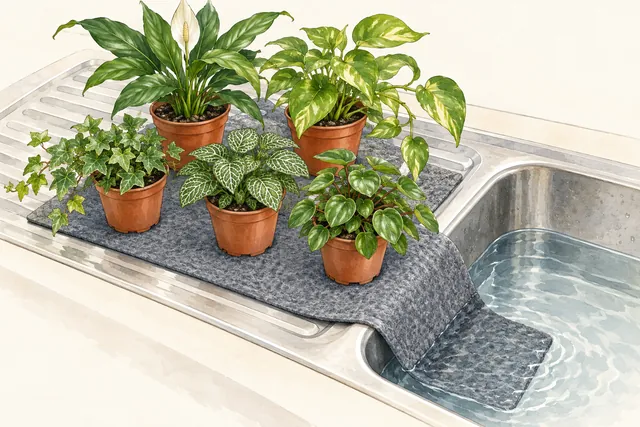
Water well, move plants off the sunny sill, and set up capillary matting or a wick for the thirsty ones. What works for a fortnight away — and the gadgets you can skip.
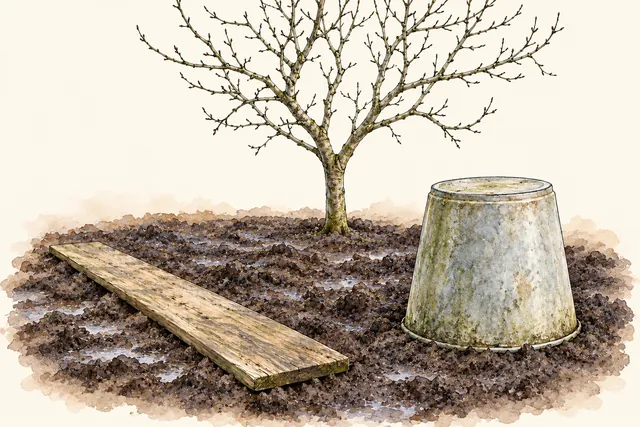
January's honest list for UK fruit and veg growers: prune apples, force rhubarb, plan and order. Plus the sowing and digging that should wait for warmer soil.
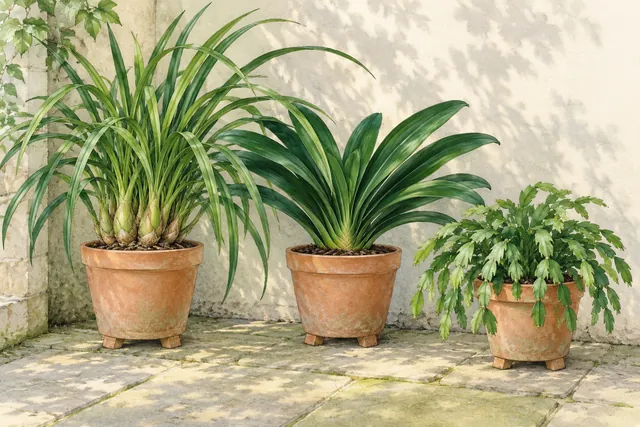
Which houseplants enjoy a summer outdoors, how warm the nights must be, how to avoid scorched leaves, and when to bring them back in before the cold catches them.
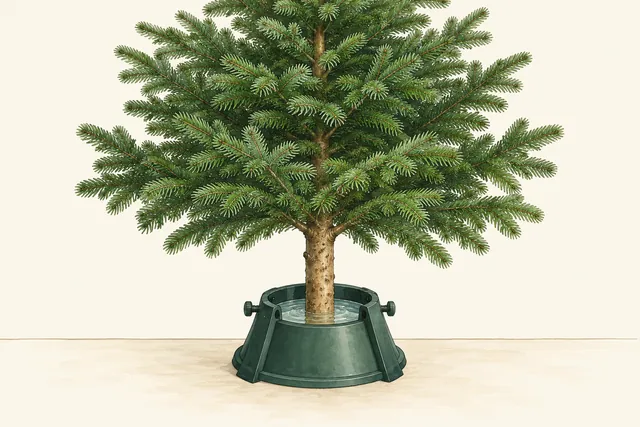
A fresh cut, plain water and a spot away from the radiator keep a real tree going. For pets the tree itself is a minor risk; the lilies, tinsel and chocolate are not.
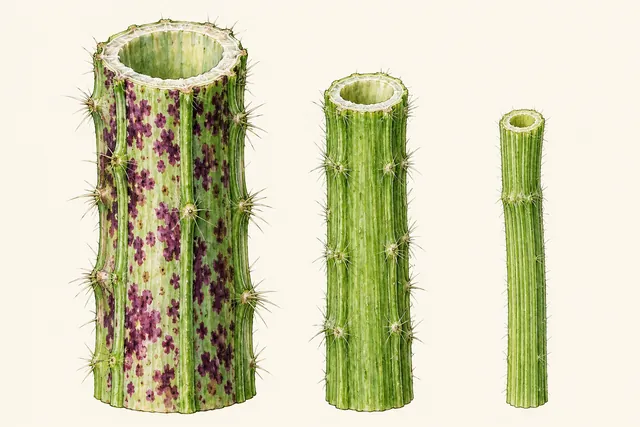
Giant hogweed sap plus sunlight can blister skin; euphorbia sap is a real risk to eyes. How to tell the plants apart, what the official advice says, and where gloves matter.
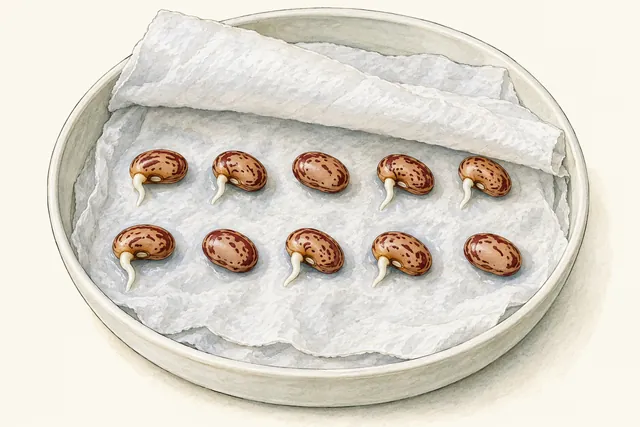
Before you order: which old seed is still good, how to test it on kitchen paper, what F1 and AGM really mean, and when a few plug plants beat a whole packet.
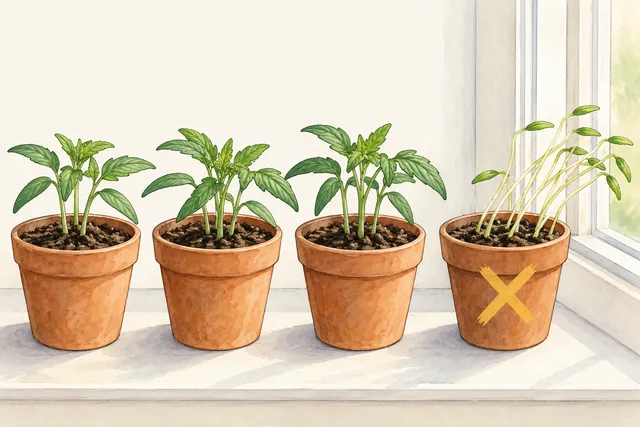
Which seeds genuinely need an early start with heat, which are better left until April or May, and how to avoid leggy seedlings and damping off on a UK windowsill.
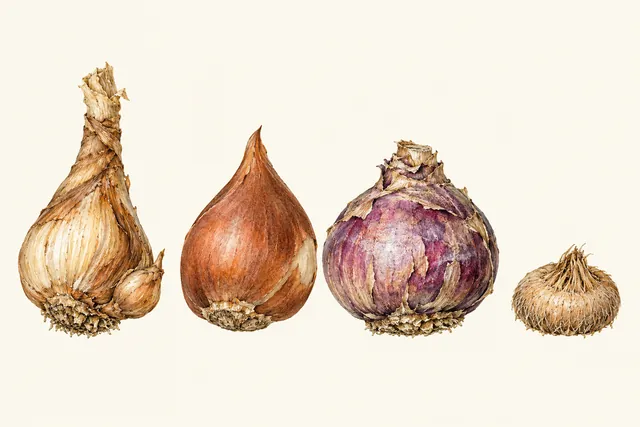
Most spring-bulb trouble is a chewed bulb or a drink of daffodil vase water, and most of it ends in an upset stomach. Here's which bulbs matter, and when to ring the vet.
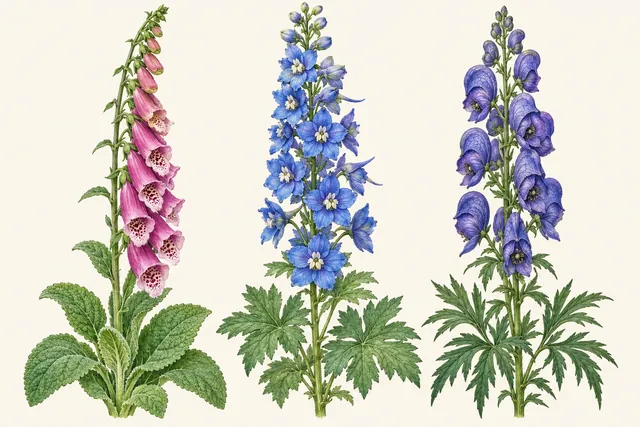
Seven classic border plants are properly poisonous, and you don't need to dig any of them up. Know which is which, wear gloves for monkshood, and mind the prunings.
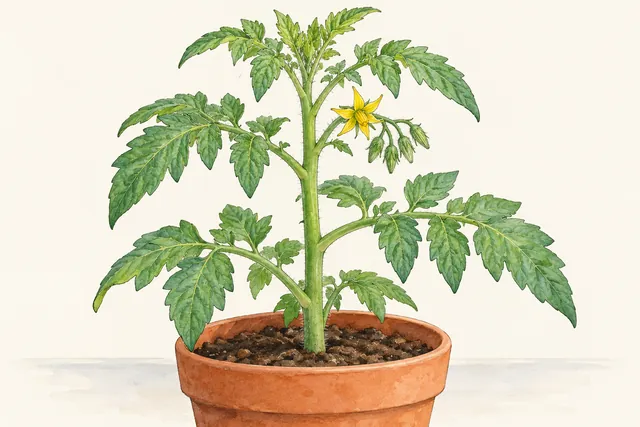
When to sow tomatoes in the UK, how warm to keep them, why you bury the stem when potting on, and when to plant out and start feeding — without sowing too early.
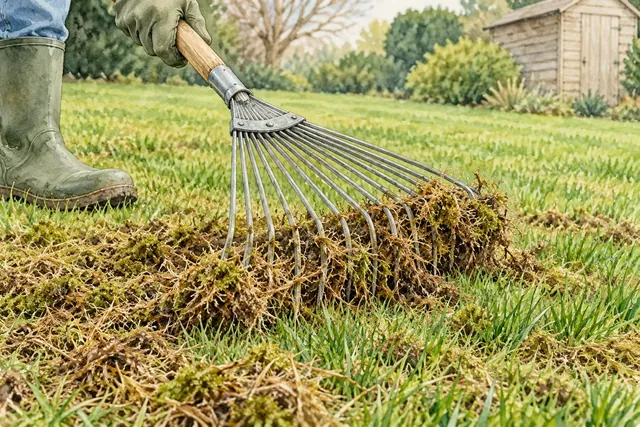
Scarifying, aerating, overseeding and autumn feed — when each is worth doing, when it isn't, and the 7°C soil rule for sowing grass seed in October.
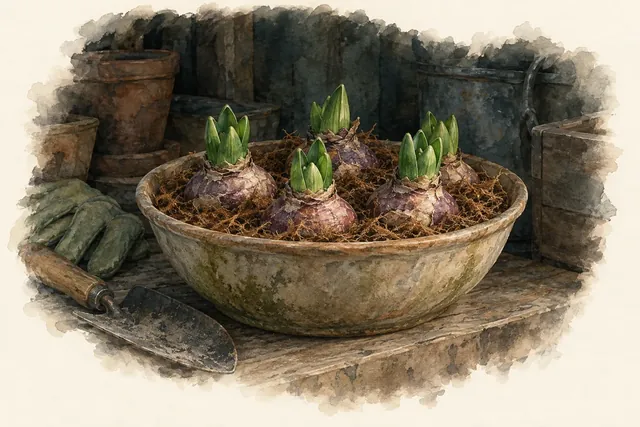
Prepared hyacinths need a cool, dark spell first; paperwhites and amaryllis just need warmth and light. Timings, planting depths and aftercare for winter flowers indoors.
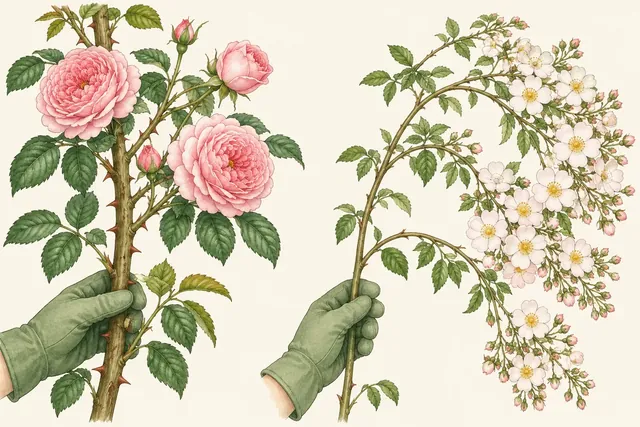
Climbers get pruned in winter, ramblers straight after flowering. How to tell them apart, how to train stems sideways for more flowers, and how hard to cut each.
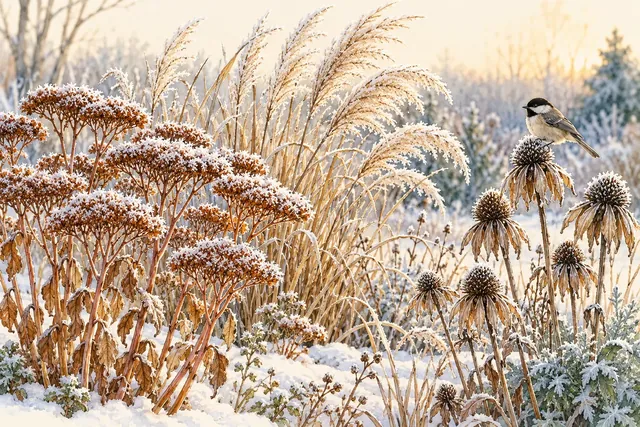
You don't have to clear the border every autumn. Which perennials to cut now, which to leave standing for frost protection and wildlife, and when to start in spring.
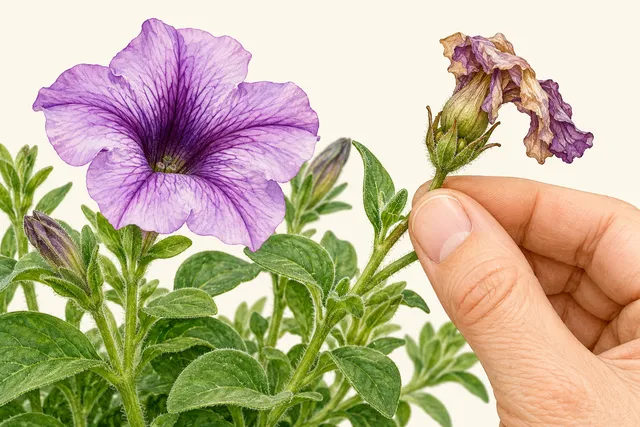
Removing faded flowers keeps bedding, roses and many perennials blooming for weeks longer. How to do it plant by plant, and which plants to leave alone for hips, seeds and birds.
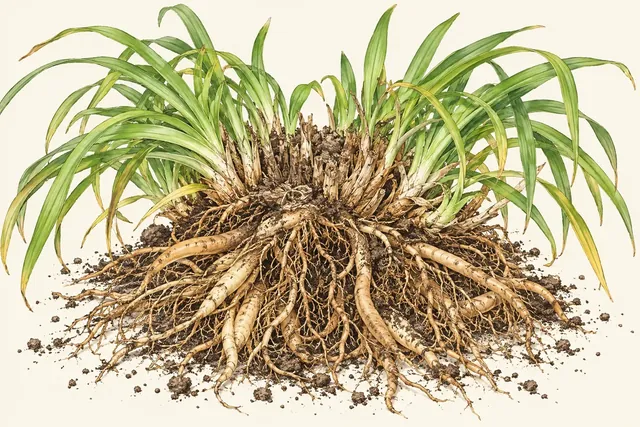
When a clump goes bare in the middle or flowers poorly, split it. When to divide, the two-fork method, irises and the plants that hate being disturbed.
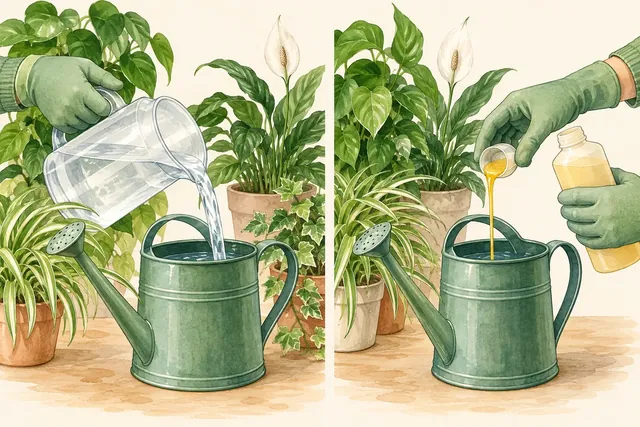
Feed in the growing season, ease off in winter, never onto dry compost. Which feed suits foliage, flowering plants, cacti and orchids — and the signs you're overdoing it.
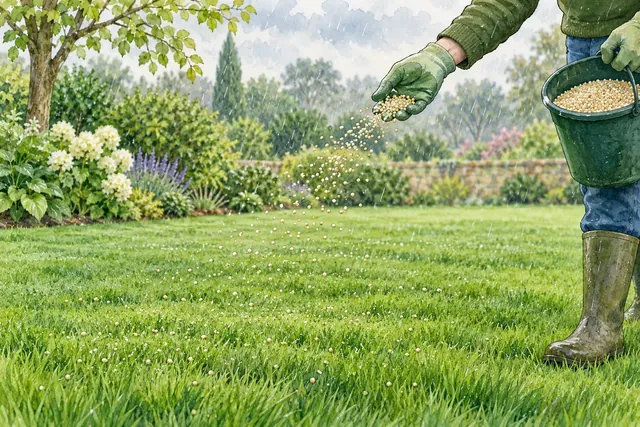
Most lawns grow fine without feeding. When a feed does help, spring and autumn feeds do different jobs — here's when to use each, how much, and the mistake that invites disease.
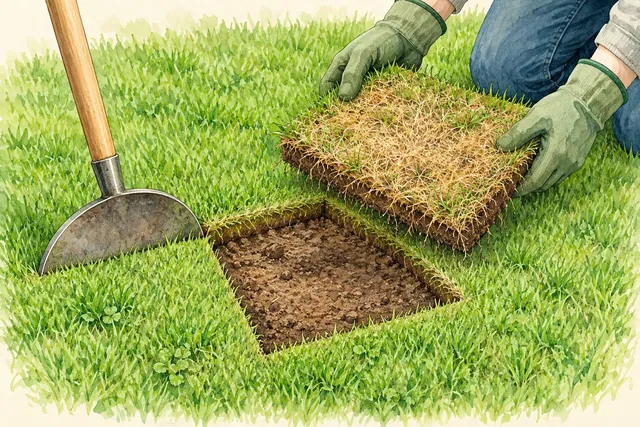
How to repair a bald patch, a broken edge or a bump in the lawn — when to do it, how to prepare the soil, how much seed to sow, and when to mow the new grass.
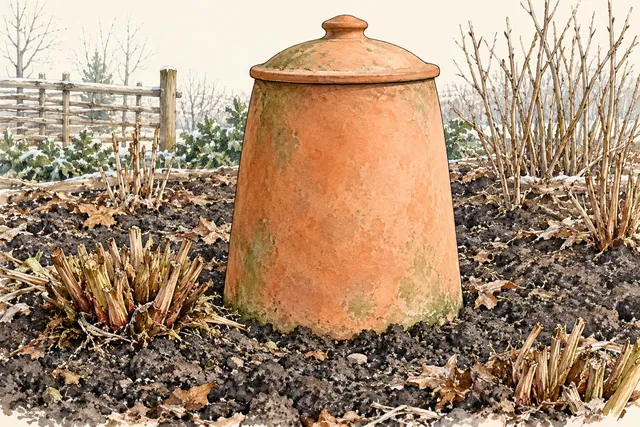
Cover a rhubarb crown in midwinter and you'll pull pale, sweet stems weeks ahead of the main crop. How to force without exhausting the plant, how to divide old crowns, and the harvesting rules.
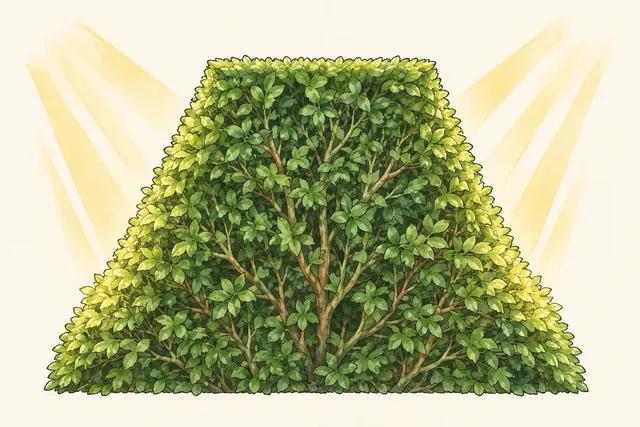
How often to trim beech, privet, laurel, yew and leylandii, why the base should be wider than the top — and what the law says about cutting a hedge with a nest in it.
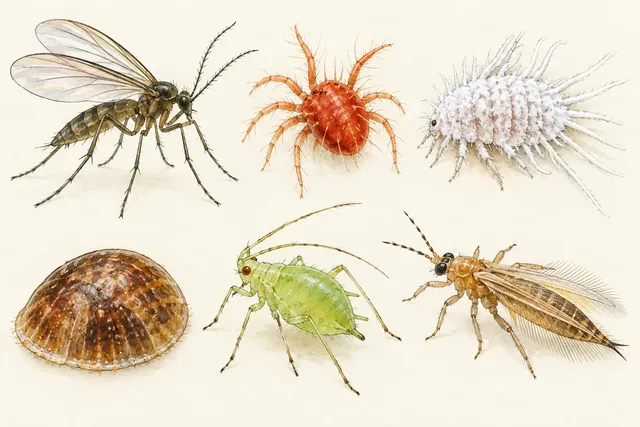
Fungus gnats, red spider mite, mealybugs, scale, aphids and thrips — how to spot each one, the simple fixes that work, the biological controls, and when to bin the plant.
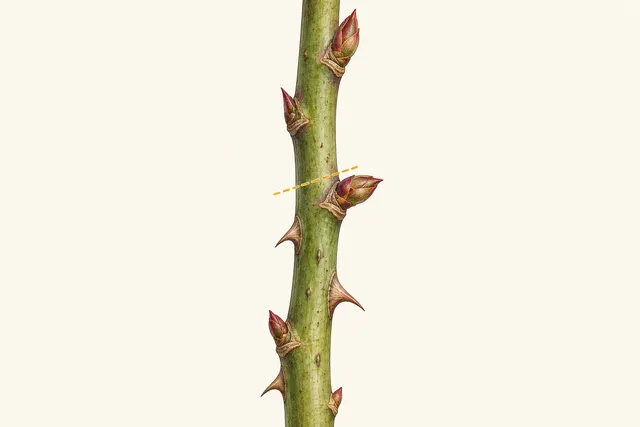
When and how to prune hybrid tea, floribunda and shrub roses in the UK — the heights, the bud, the slope — plus the once-flowering roses you must not prune in winter.
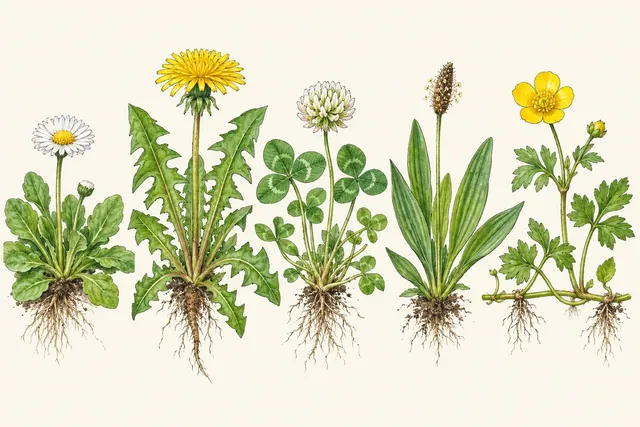
Daisies, dandelions, clover and plantain — which to dig out, which to leave for bees, how to make grass outcompete them, and what to know before you reach for a weedkiller.
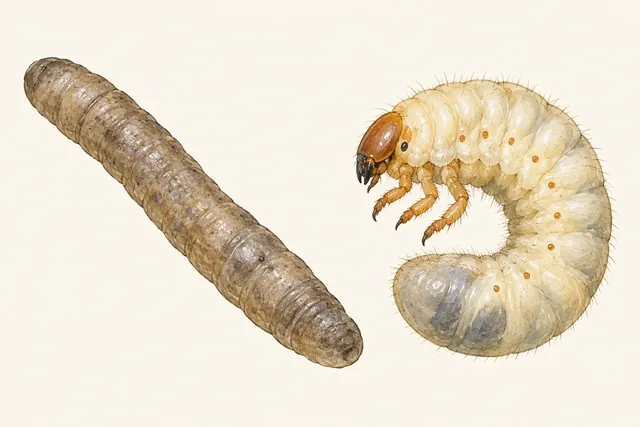
Yellow patches and birds or badgers tearing at the turf usually mean grubs. How to confirm them, when nematodes work (and the soil temperatures they need), and how to repair the damage.
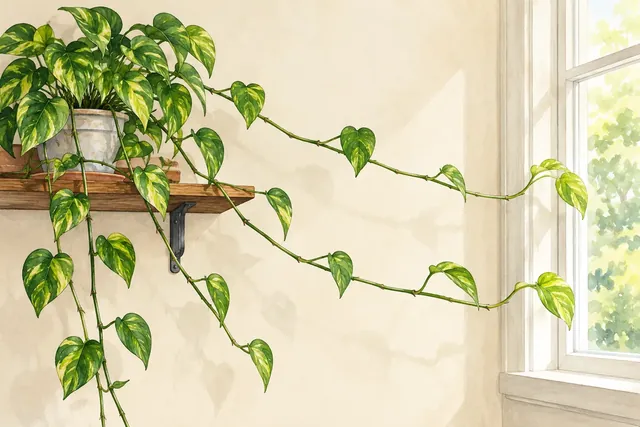
Long, bare, stretching stems usually mean too little light. Fix that first, then cut back in spring above a leaf joint — and root the cuttings. Which plants not to cut.

Seed is cheaper with more choice; turf is instant. When to sow and when to lay, how to prepare the ground, laying turf like brickwork, and when you can first mow and walk on it.
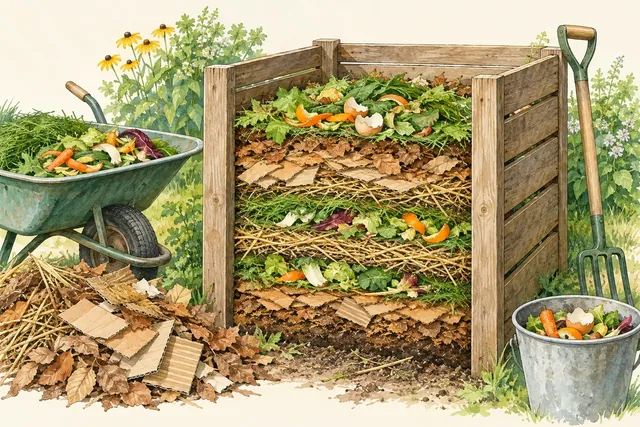
The greens-to-browns balance, what never goes in, how wet it should be, how long it takes — and why you don't need a compost accelerator.
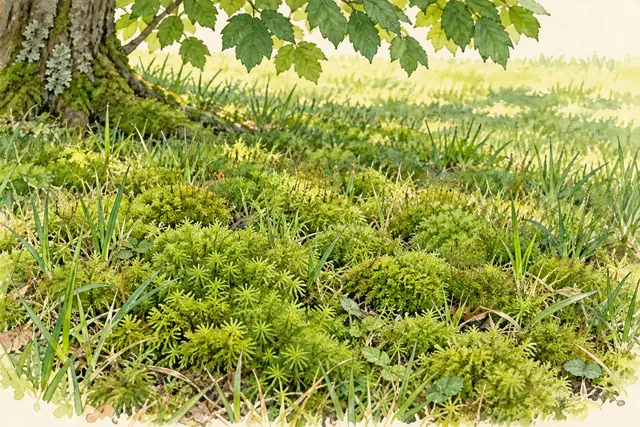
Moss is a symptom of shade, compaction, wet soil or close mowing. How to rake it out, when to scarify, what the RHS says about iron sulphate — and when to stop fighting it.
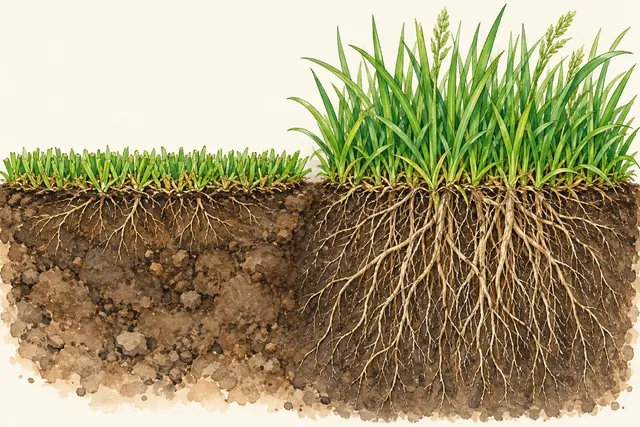
How high to cut, how often, and why you should never take more than a third off. Plus mowing in drought, the first cut of spring, and why a brown lawn isn't a dead one.
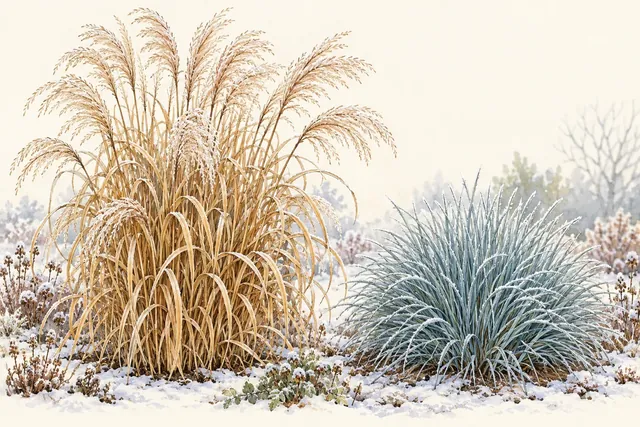
Deciduous grasses get cut to the ground in late winter or spring; evergreen grasses only need dead leaves combing out. Which is which, when to do it, and when to divide.
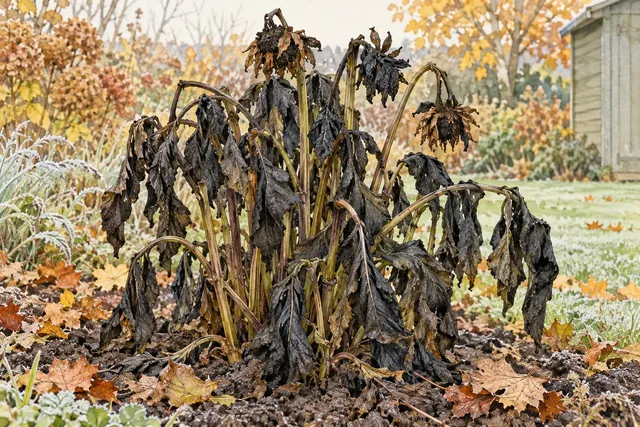
Tender favourites can come back year after year. When to leave dahlias in under mulch and when to lift them, how to store tubers, and how to keep pelargoniums and fuchsias alive till spring.
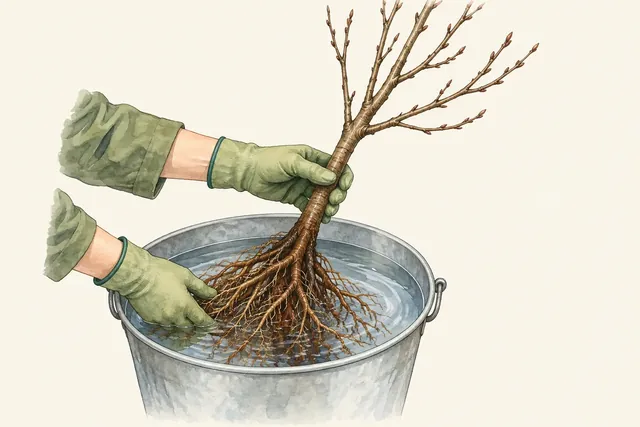
Bare-root plants are cheaper and establish well. How to soak, how deep to plant, why trees don't want compost in the hole, and how to stake low.
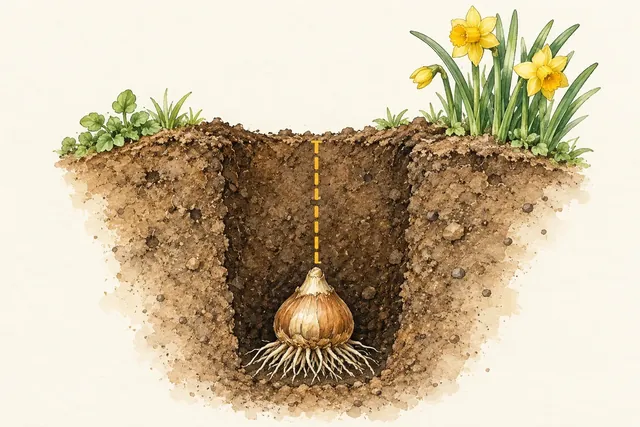
Daffodils and crocus by the end of September, tulips later. The planting-depth rule, which way up, lasagne pots, stopping squirrels — and why daffodils go 'blind'.
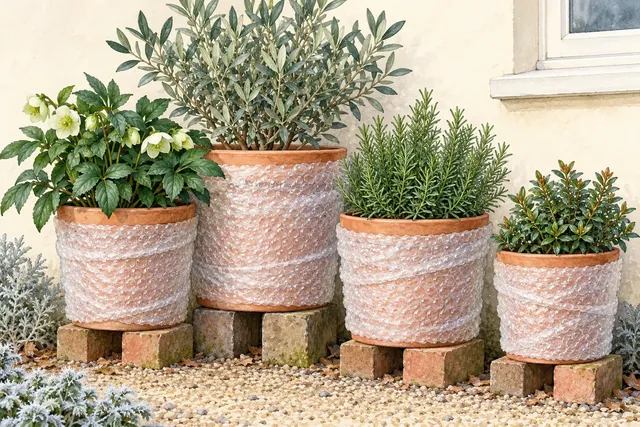
Fleece, pot feet, wrapping and moving pots: an honest UK guide to getting tender plants and containers through winter — with the cheap substitutes that work just as well.
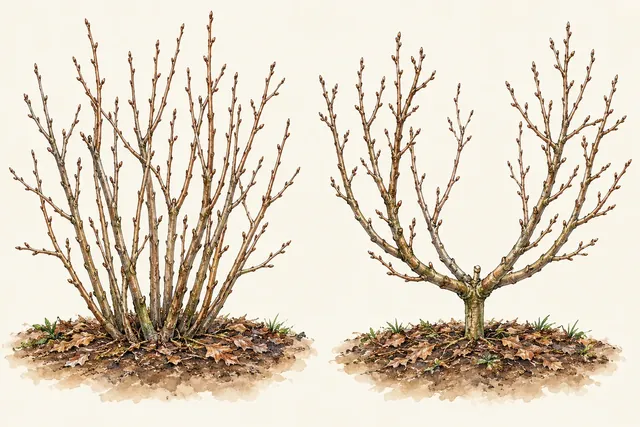
Blackcurrants fruit on young wood, so you cut old stems out at the base. Redcurrants and gooseberries fruit on spurs, so you keep a framework. Winter and summer pruning, explained.
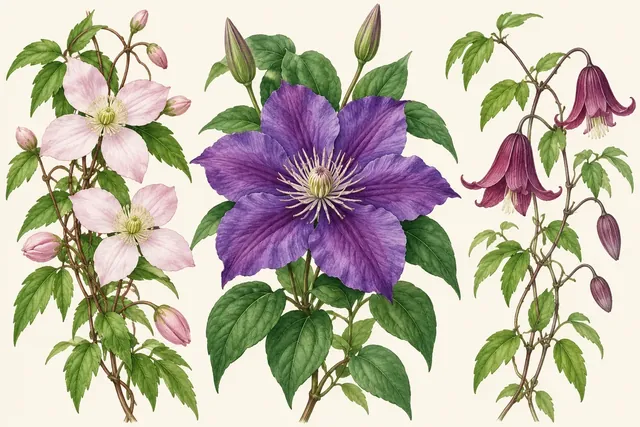
Clematis pruning comes down to when it flowers. The three groups explained, the rule for when you've lost the label, and the hard first-year cut every new plant needs.
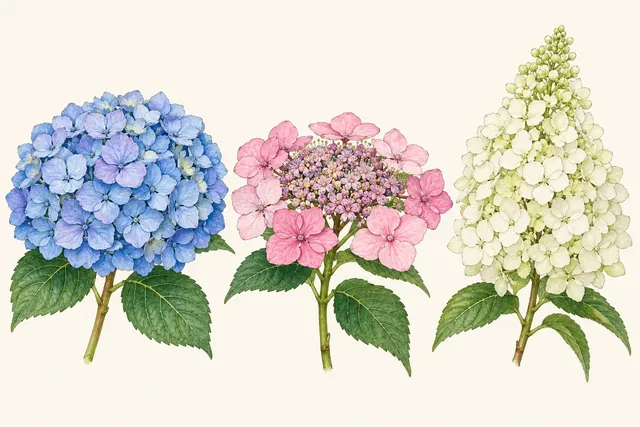
Mophead and lacecap hydrangeas flower on last year's wood; paniculata and arborescens on this year's. Which you've got decides whether you snip lightly or cut hard.
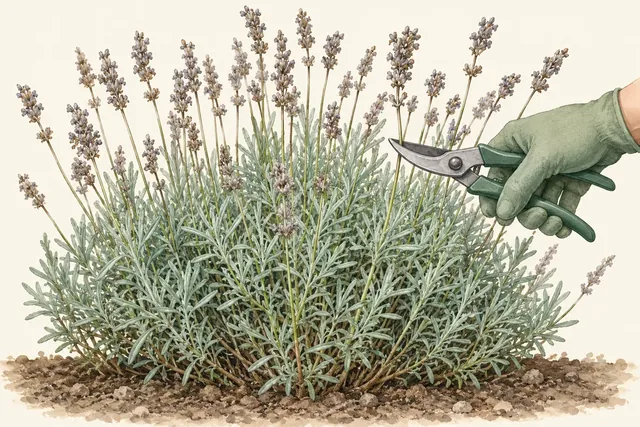
Trim English lavender just after flowering, taking the flower stalks and about 2.5cm of leaf — never into bare wood. And when a leggy plant is better replaced than rescued.
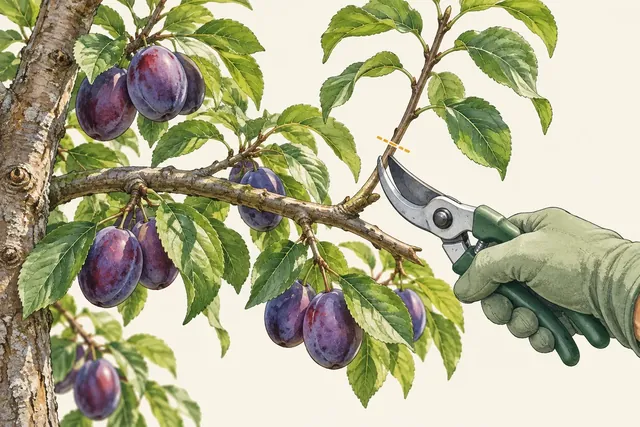
Stone fruit is pruned in spring and summer, not winter, to dodge silver leaf and bacterial canker. When to cut young and established trees, fans and acid cherries.
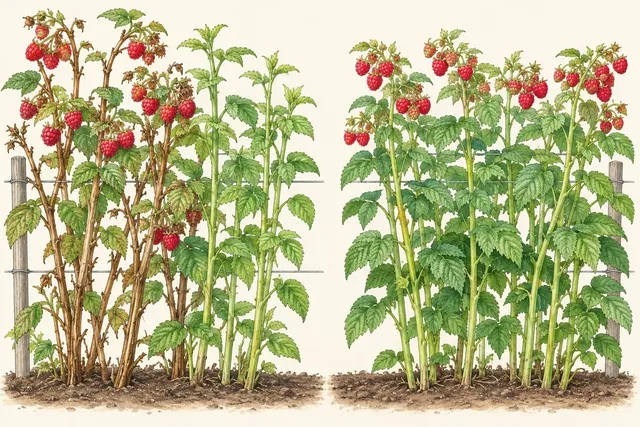
Summer raspberries are cut after picking; autumn raspberries are cut to the ground in February. How to tell which you have, and the double-crop trick.
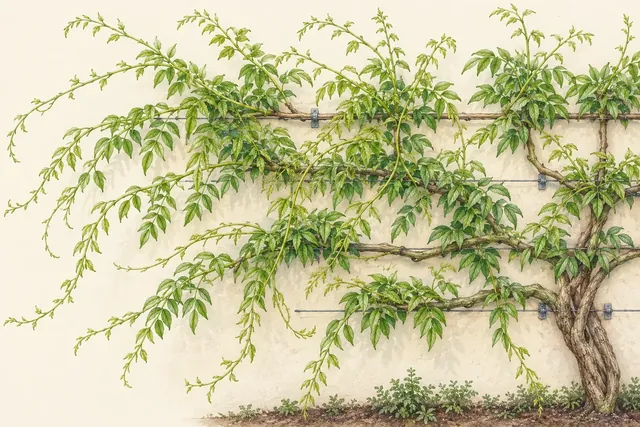
Wisteria is pruned in July–August and again in January–February. The two cuts, why yours might not be flowering, and the summer watering most people miss.
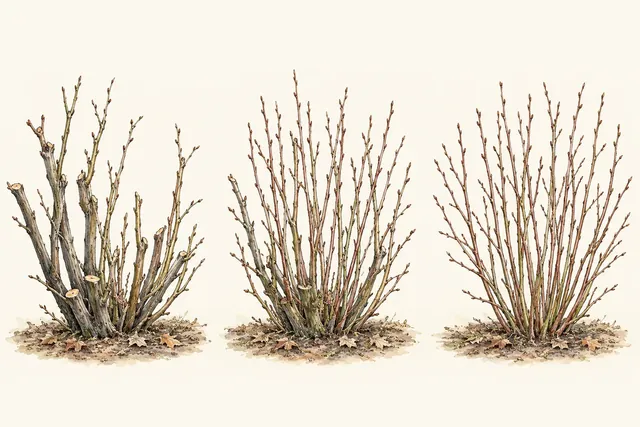
Some shrubs bounce back from a hard cut to near the ground; some need three years; some never regrow from old wood. How to tell which you've got, and how to renovate each.
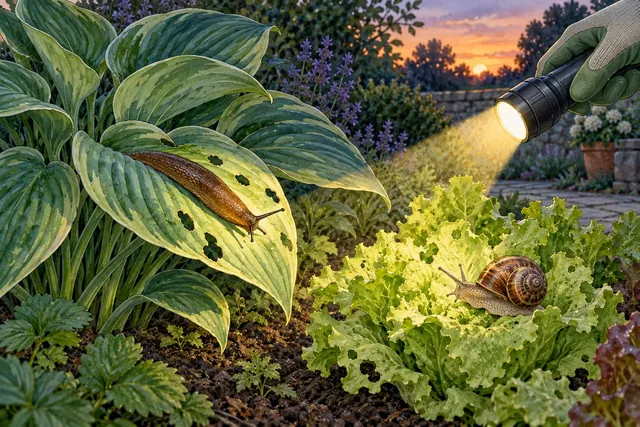
Copper tape, eggshells, grit and wool pellets didn't reduce slug damage in RHS trials. What does help: torchlight patrols, protecting seedlings, morning watering, nematodes and predators.
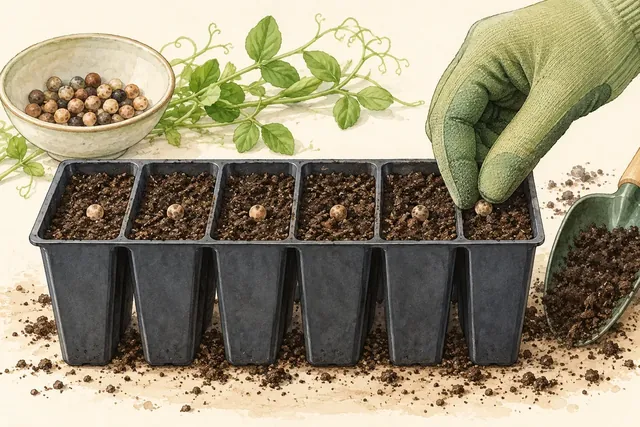
Sow sweet peas in October or November, overwinter them in a cold frame, pinch them out and plant in April. Whether to soak or chip the seed, and how to stop leggy seedlings.
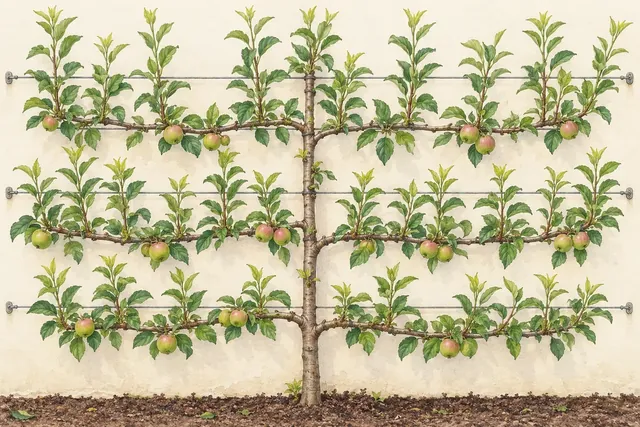
Trained apples and pears are shaped in summer, not winter. When the shoots are ready, what the 'basal cluster' is, and exactly where to cut — three leaves or one.
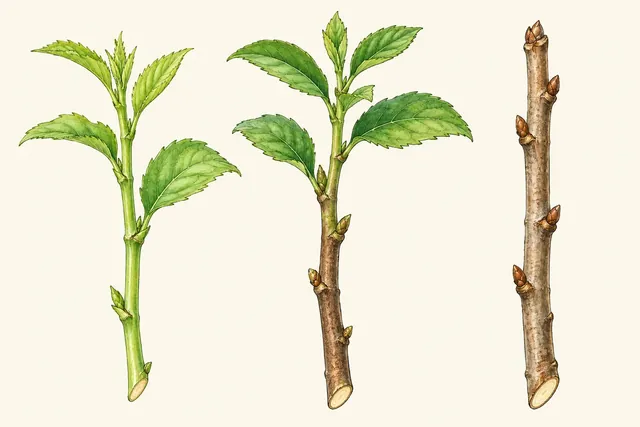
Free plants from the ones you already have. Which kind of cutting to take in each season, how long, where to cut, what compost to use — and the no-kit hardwood method for winter.
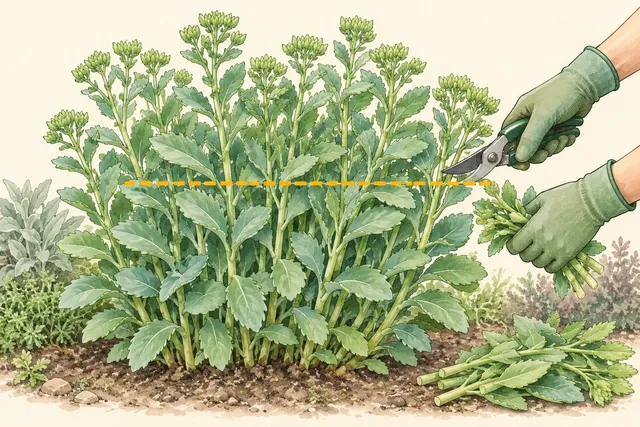
Cutting back some late-flowering perennials in late May makes them bushier, shorter and later to flower. Which plants to chop, how much, and how to stagger the display.
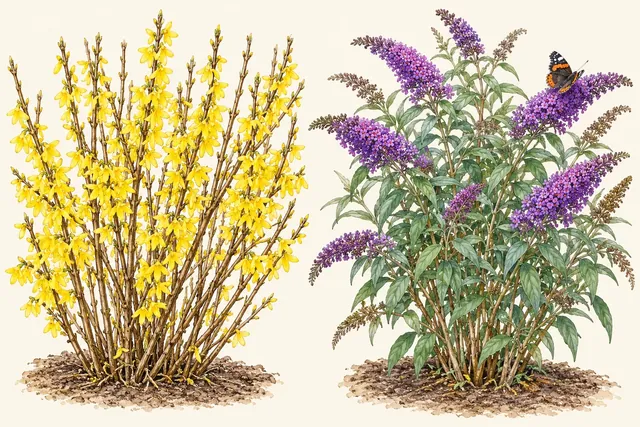
Does it flower on last year's stems or this year's? That answers when to prune almost any garden shrub. Forsythia, philadelphus, buddleja, evergreens — sorted.
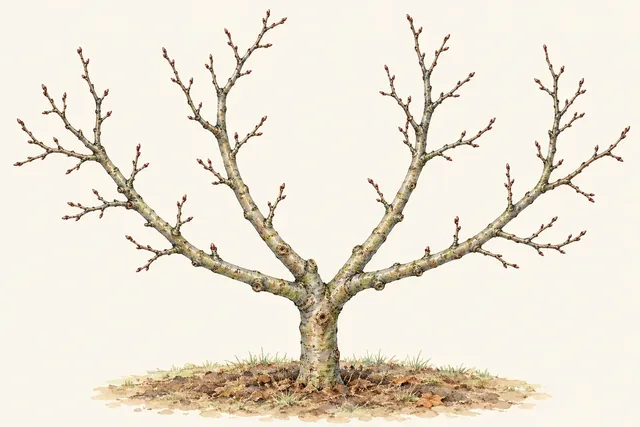
How to prune a free-standing apple or pear tree between November and early March — the order of cuts, the 10–20% limit, and why over-pruning gives you fewer apples.
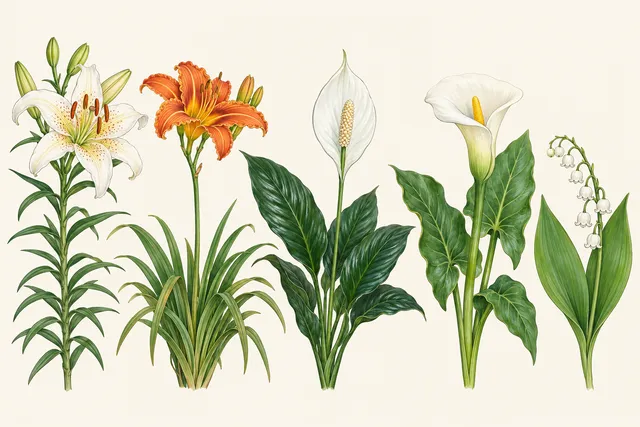
True lilies and daylilies cause fatal kidney failure in cats; peace and calla 'lilies' only sting. Know exactly which one you're holding.
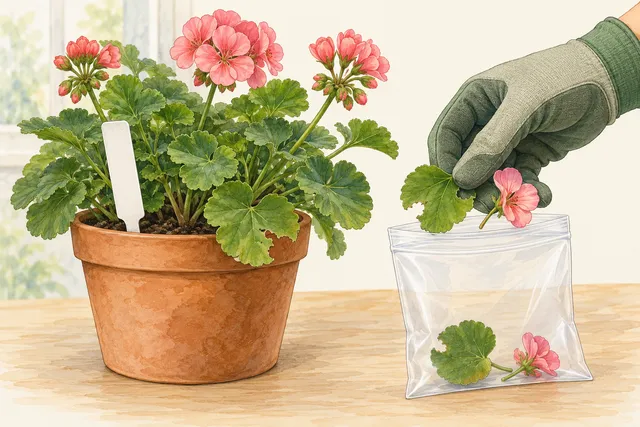
The first few minutes after a dog or cat eats a plant, done calmly. Identify it, don't wait with the dangerous ones, and get professional advice fast.
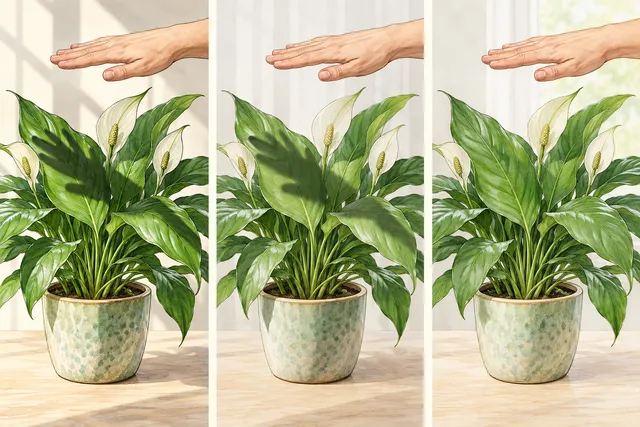
The phrase on every plant label, demystified: what bright indirect light really is, a 10-second shadow test, and which UK windows give it.
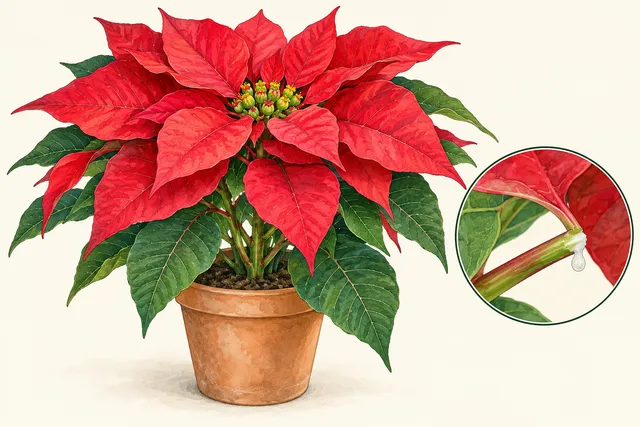
The poinsettia's deadly reputation is a century-old myth — it's only mildly toxic. Here's the reassurance, plus the festive plants that genuinely deserve caution.
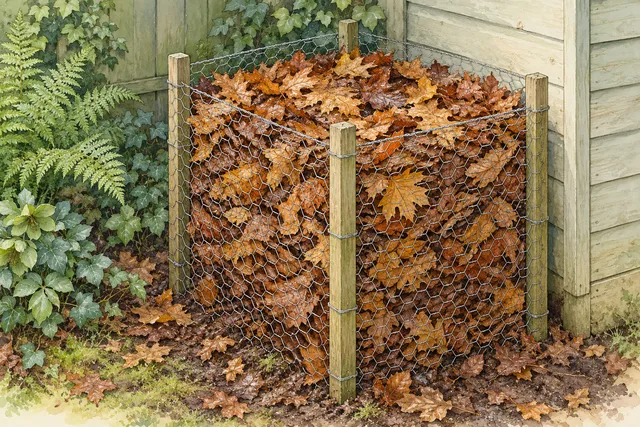
Autumn leaves, a wire cage, and patience. It costs nothing, needs almost no effort, and beats most bagged soil conditioner you can buy.
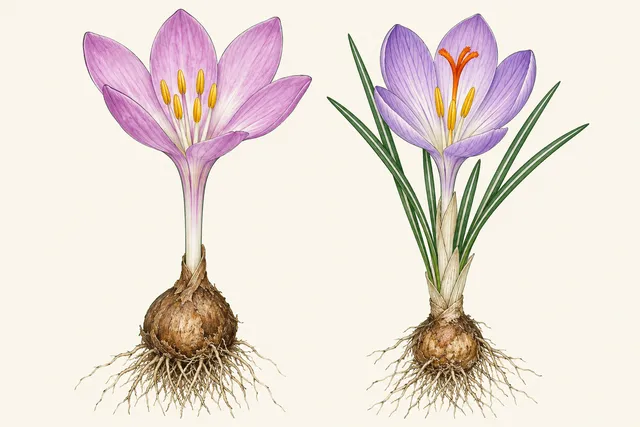
Conkers, dropped bulbs and the autumn tidy-up make September to November the UK garden's riskiest stretch for dogs, livestock and toddlers. Here's what actually matters.
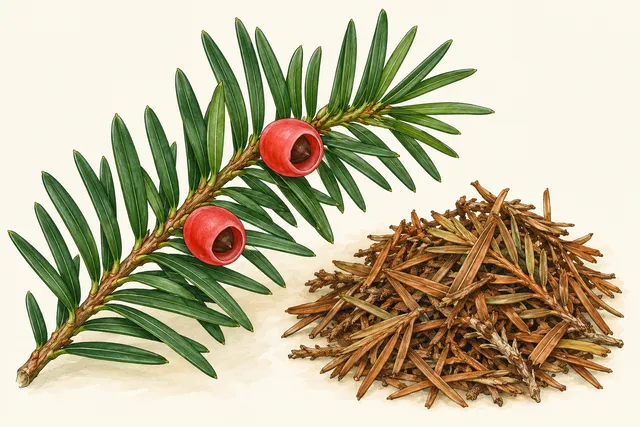
Drying changes plant poisons in opposite directions — it destroys some and concentrates others. Which prunings you can compost, which to bag, and which could kill a grazing horse.
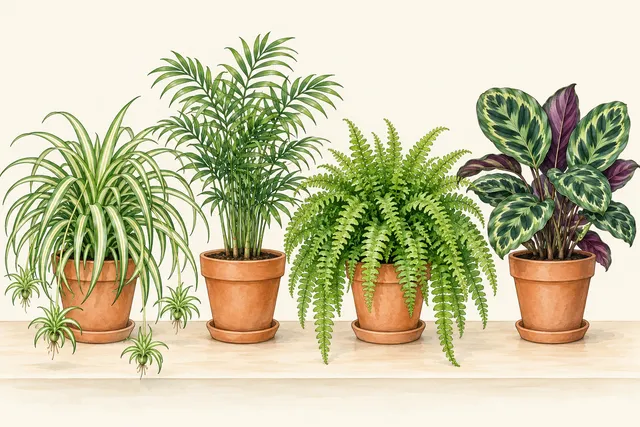
Seven houseplants we checked directly against the ASPCA database and can confirm are non-toxic to cats and dogs — plus the popular ones that aren't, and what 'non-toxic' really means.
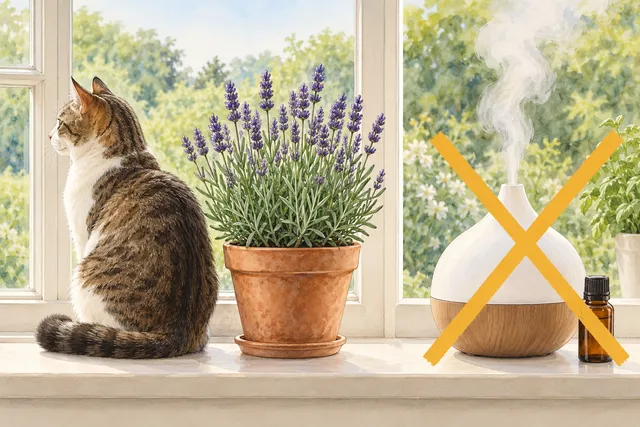
A lavender plant on the sill is low-risk near a cat. A lavender or tea-tree oil diffuser is a different story. Here's the distinction most guides miss — and why it matters.
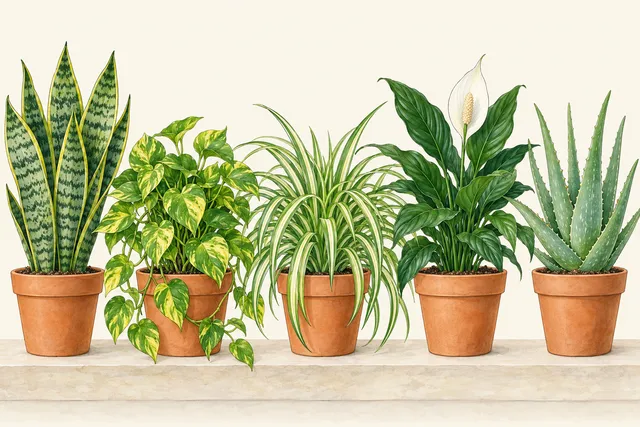
New to houseplants and scared of killing them? Start here. Five near-indestructible plants, their real light and water needs, and an honest pet-safety note for each.
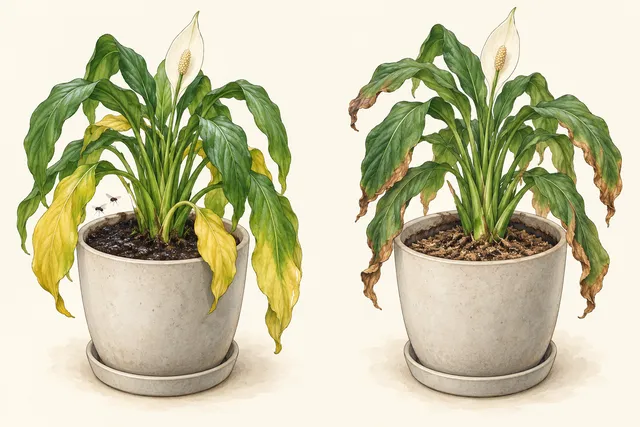
Overwatering kills more houseplants than neglect ever does. Here's why a soggy plant looks thirsty, how to tell the difference, and how to water so roots can breathe.
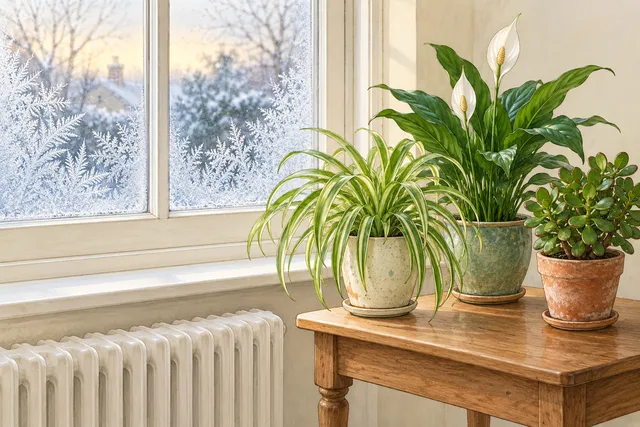
Shorter days and central heating are hard on houseplants. Here's what actually changes from autumn onwards — less water, no feed, more light — and what's oversold.
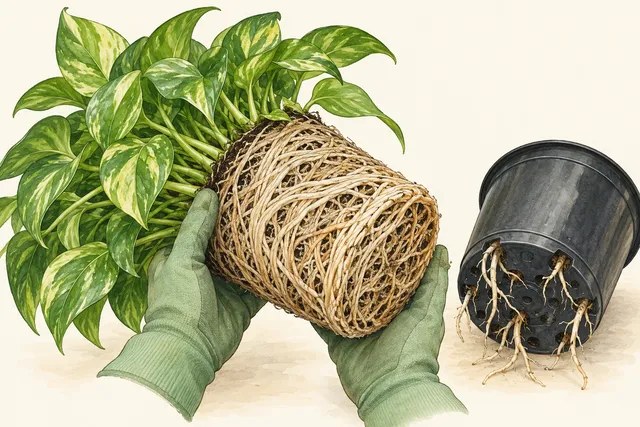
Most plants don't need repotting the day you get them home. Here's how to read the real signs, why bigger pots rot roots, and what to skip.
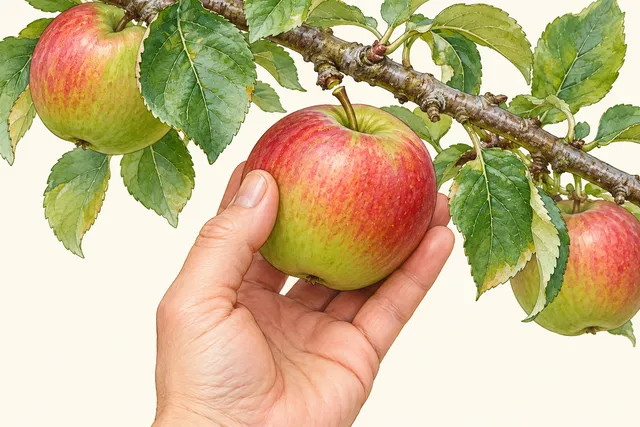
Your honest September checklist: plant spring bulbs now, ripen the last tomatoes, store apples, divide perennials and plan garlic — plus what can safely wait.
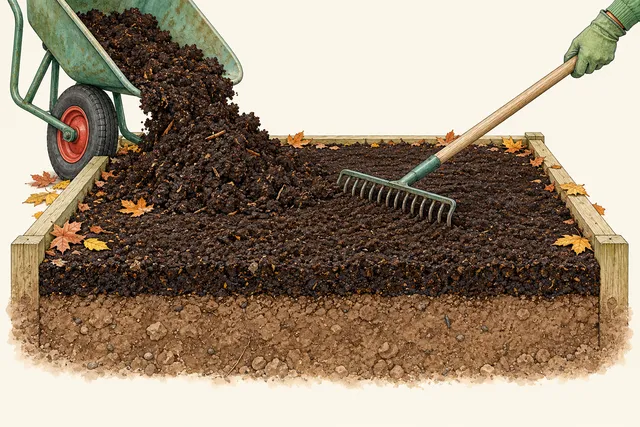
The honest autumn wind-down: clear spent crops, feed the soil instead of leaving it bare, skip the digging, and get garlic in the ground. Nine end-of-season jobs, in order.
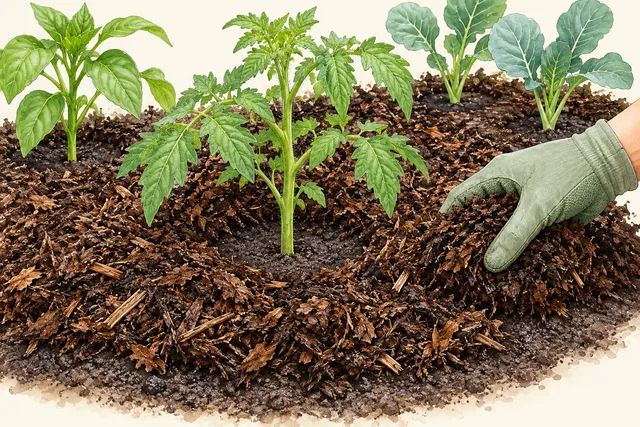
How to get vegetables, salads and herbs through a UK heatwave — when to water, what to mulch, why tomato flowers drop, and the kit you don't need.
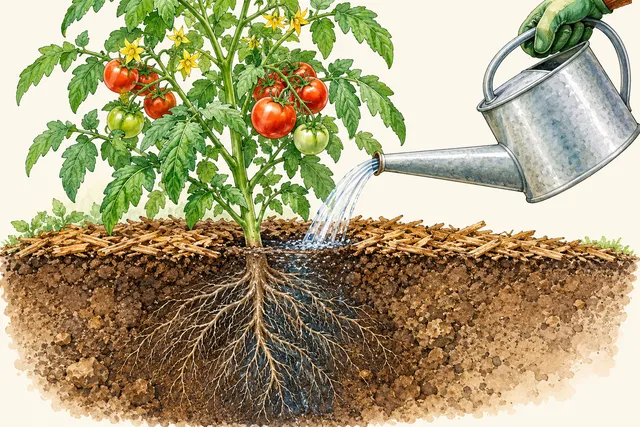
A practical late-July guide for UK growers: the jobs that actually keep your plot cropping, plus the fussy ones worth skipping to save time and money.
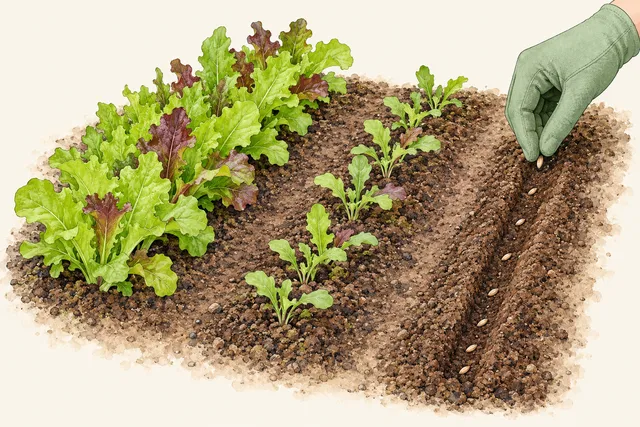
Late July and August still leave time for autumn and winter picking. What to sow now, what's honestly too late, and how to use the fading light.
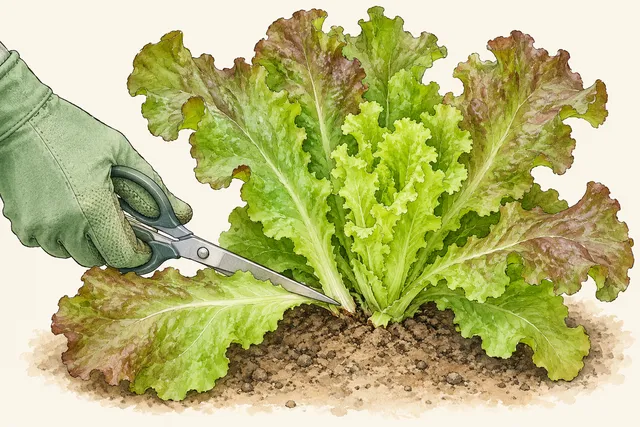
The secret to a longer harvest isn't more plants — it's picking little and often. A UK grower's guide to cropping veg and herbs so they keep giving.
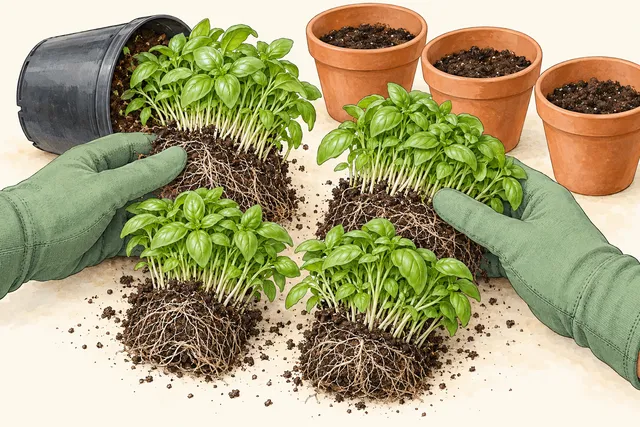
Supermarket pots collapsing? Coriander bolting? Here's the honest, RHS-checked fix for basil, coriander, mint and the Mediterranean herbs.