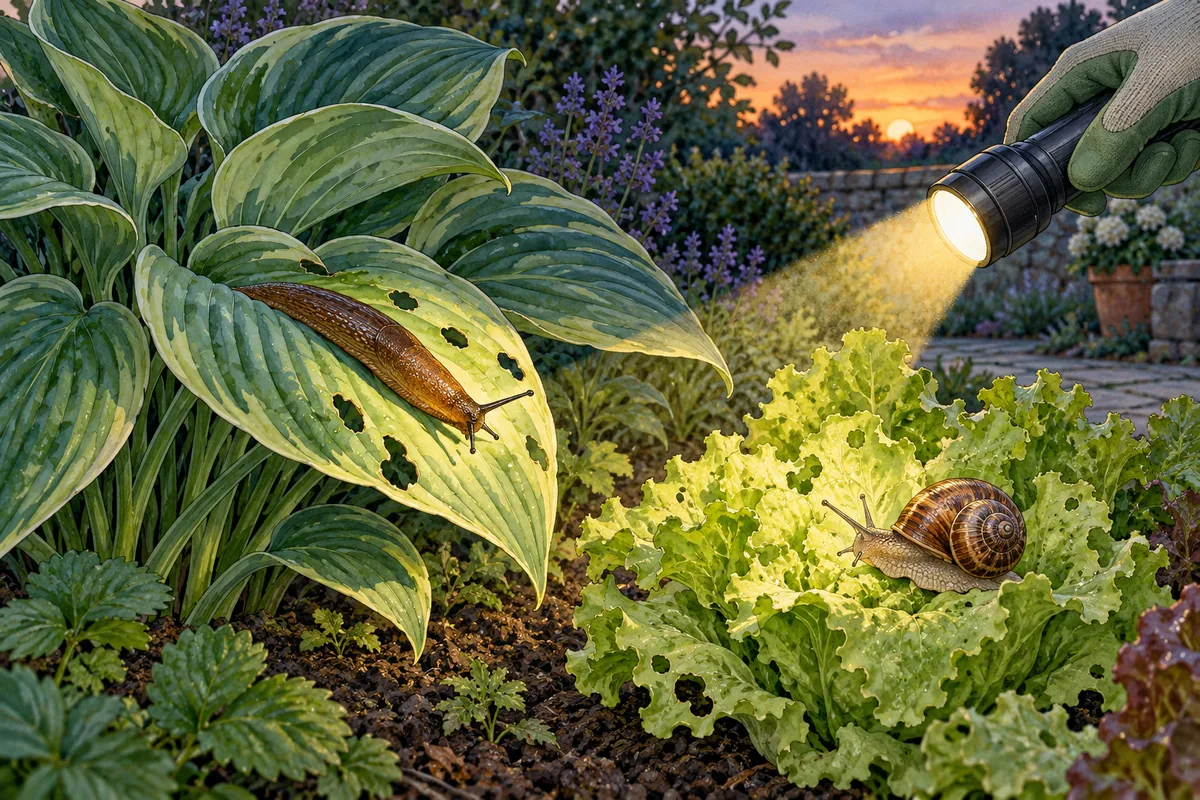
Slugs and snails cause more gardening frustration than almost anything else, and they've spawned a whole aisle of products. The honest starting point comes from the RHS: some feeding is normal, and they can't and shouldn't be eradicated. They're food for birds, frogs, toads, hedgehogs and beetles. The goal is to protect the plants that matter — seedlings, hostas, lettuce and young veg — not to wage war on the whole garden.
In pictures
-
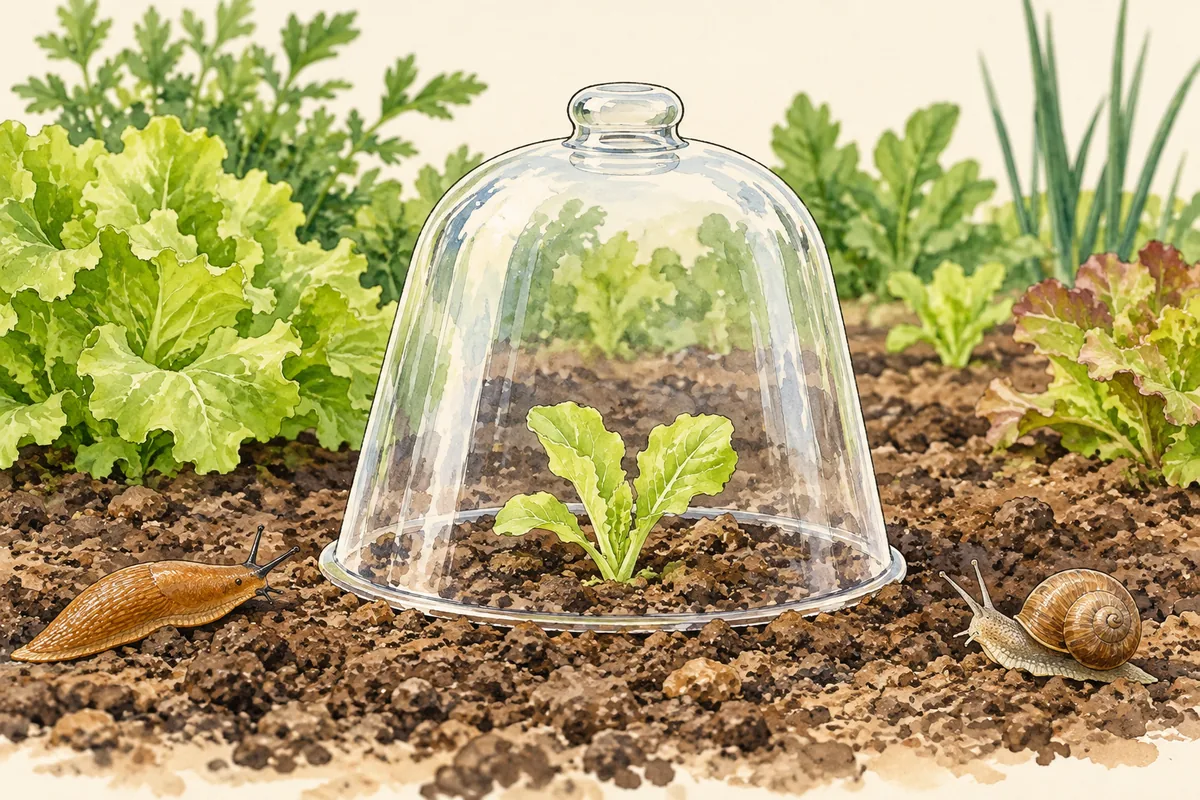
2A cloche protects young seedlings. -
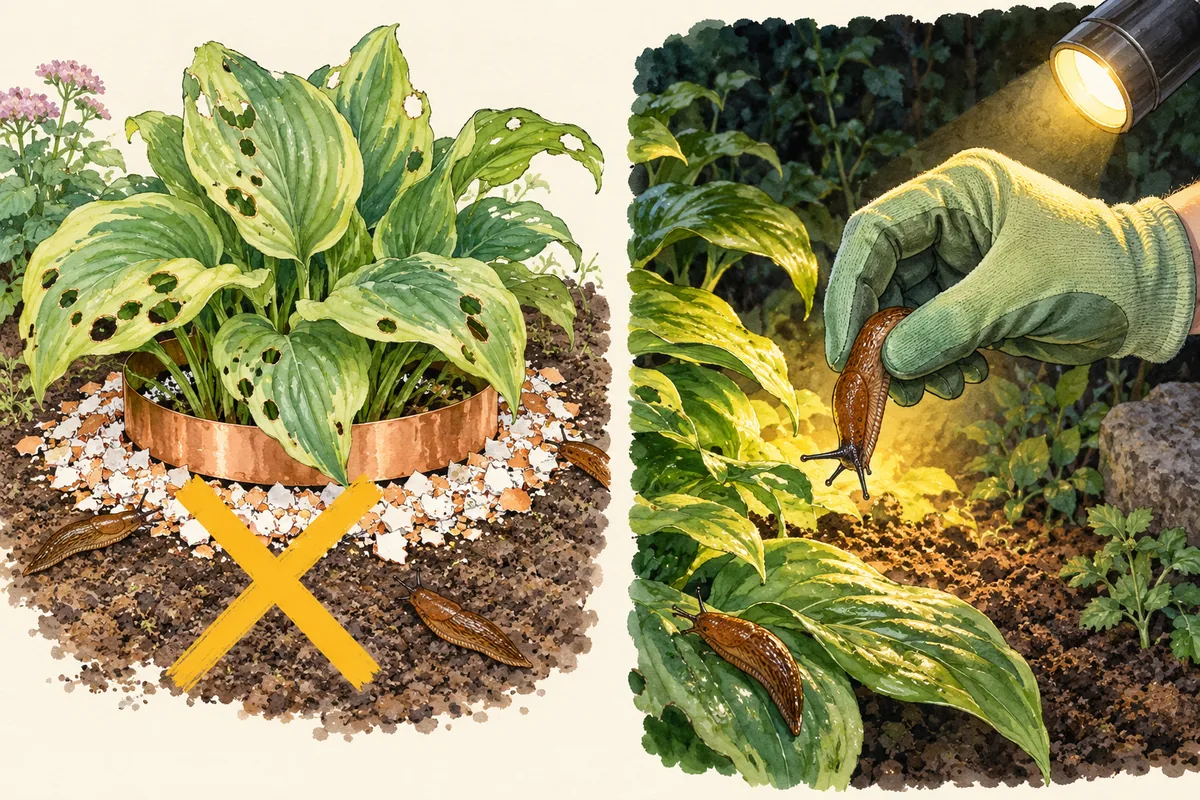
3Copper and eggshell barriers didn't work in RHS trials (left); hand-picking does (right). -
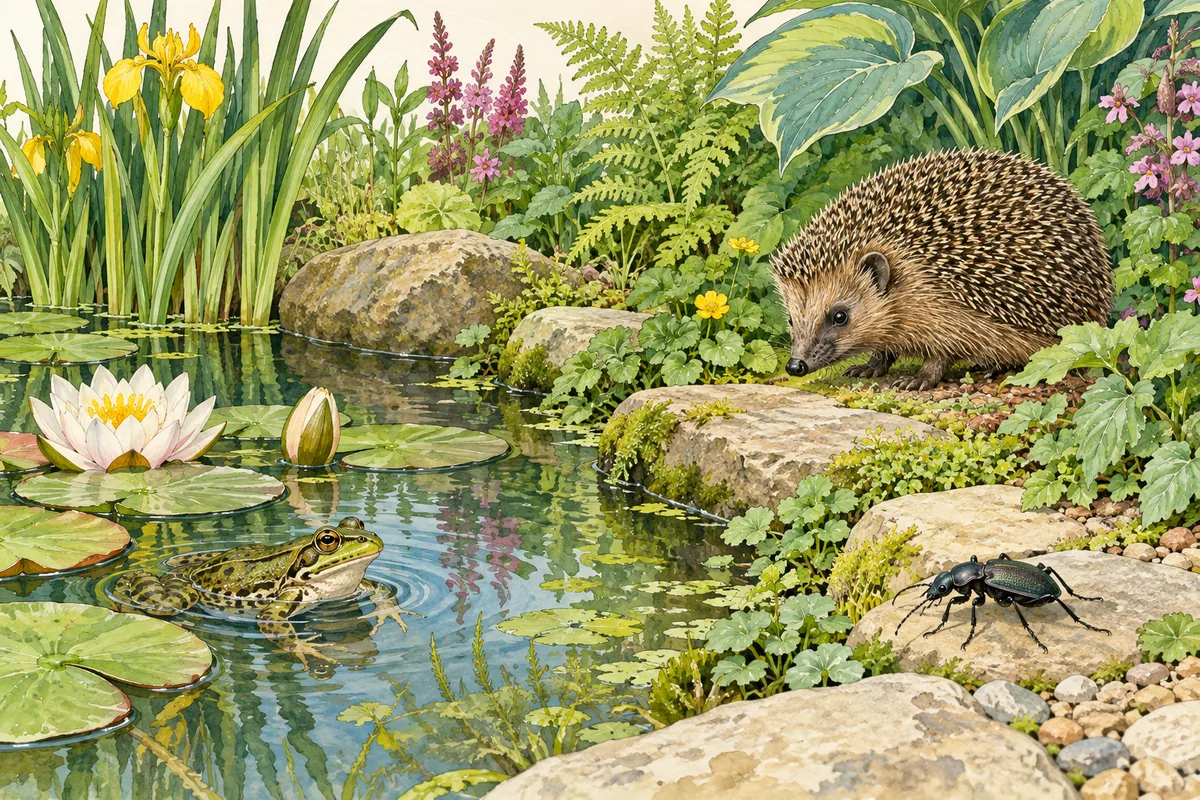
4Frogs, ground beetles and hedgehogs all eat slugs.
01What the research says doesn't work
An RHS trial in realistic garden conditions found no reduction in slug damage from barriers made of:
- copper tape
- bark mulch
- crushed eggshells
- sharp grit
- wool pellets
02What does help
- Torchlight patrols. Go out on mild, damp evenings with a torch and pick them off.
- Water in the morning, not the evening, so the surface is drier when slugs are active.
- Protect seedlings. Use cloches over young plants, or grow seedlings on to a bigger, tougher size before planting out.
- Traps. Sink jars of beer half into the soil — leave the rim a little above ground so beetles don't fall in — or lay upturned grapefruit halves. Check and empty them daily.
- Grow less tasty plants. The RHS lists many slug-resistant plants, including acanthus, achillea, agapanthus and fuchsia.
- Encourage predators — a pond for frogs and toads, log piles, and a garden that hedgehogs can get into.
03Nematodes
A biological control containing the nematode Phasmarhabditis hermaphrodita infects slugs in the soil. It needs the soil at 5–20°C and moist but well drained, and works best applied in the evening from spring to early autumn. It's unlikely to affect snails.
04Slug pellets
The RHS now advises avoiding slug pellets, including the ferric phosphate type sold as "organic", because of their effect on wildlife. Metaldehyde pellets have been banned for outdoor use in Great Britain since 31 March 2022, to protect birds and mammals.
How we checked this
Every care and safety claim on this page is verified against horticultural and veterinary sources.
Sources: RHS — Slugs and snails · RHS — How to stop slugs and snails: what works? · RHS — Snails · GOV.UK — Outdoor use of metaldehyde to be banned
Checked 1 October 2026. If our advice ever conflicts with the RHS, believe them and tell us.