Grow things that actually survive you.
Warm, honest, fact-checked advice for every plant you own — from the tomatoes on the plot to the fig tree sulking in your kitchen. No guilt, no filler, no folklore.
Start with a plant
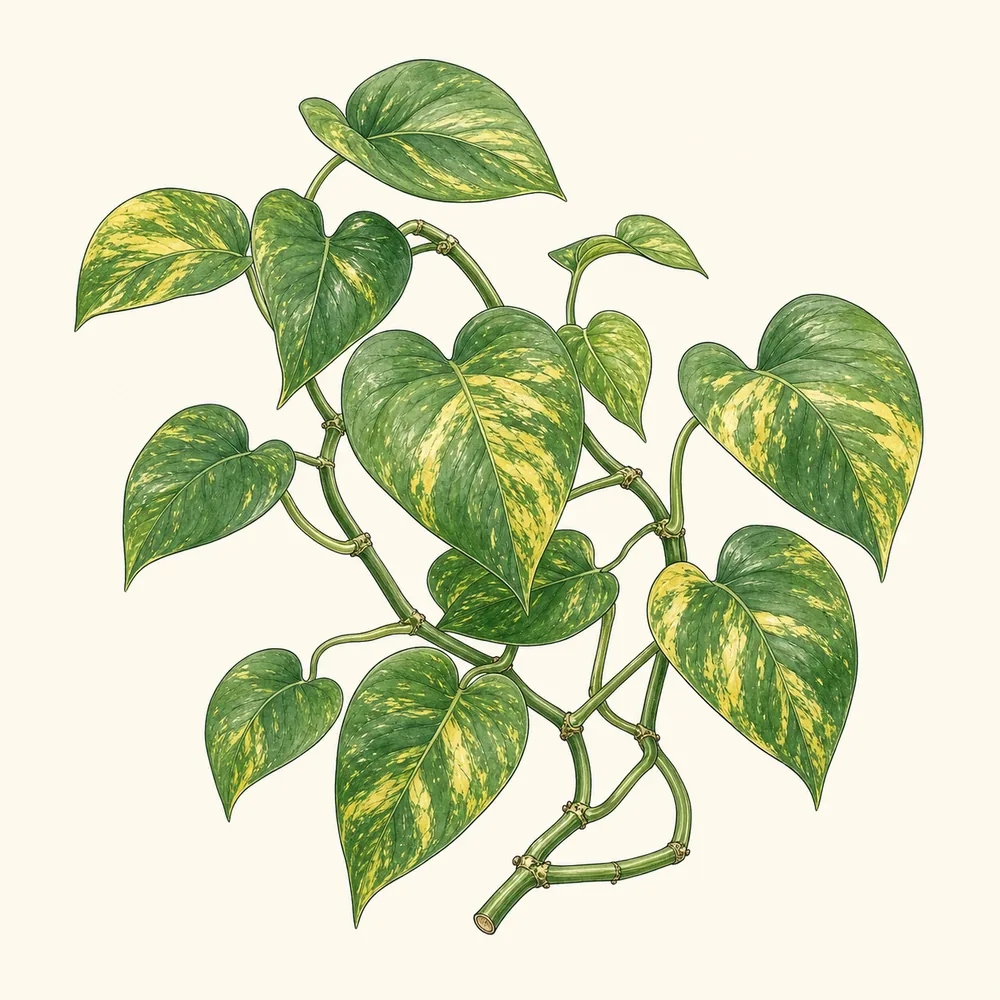
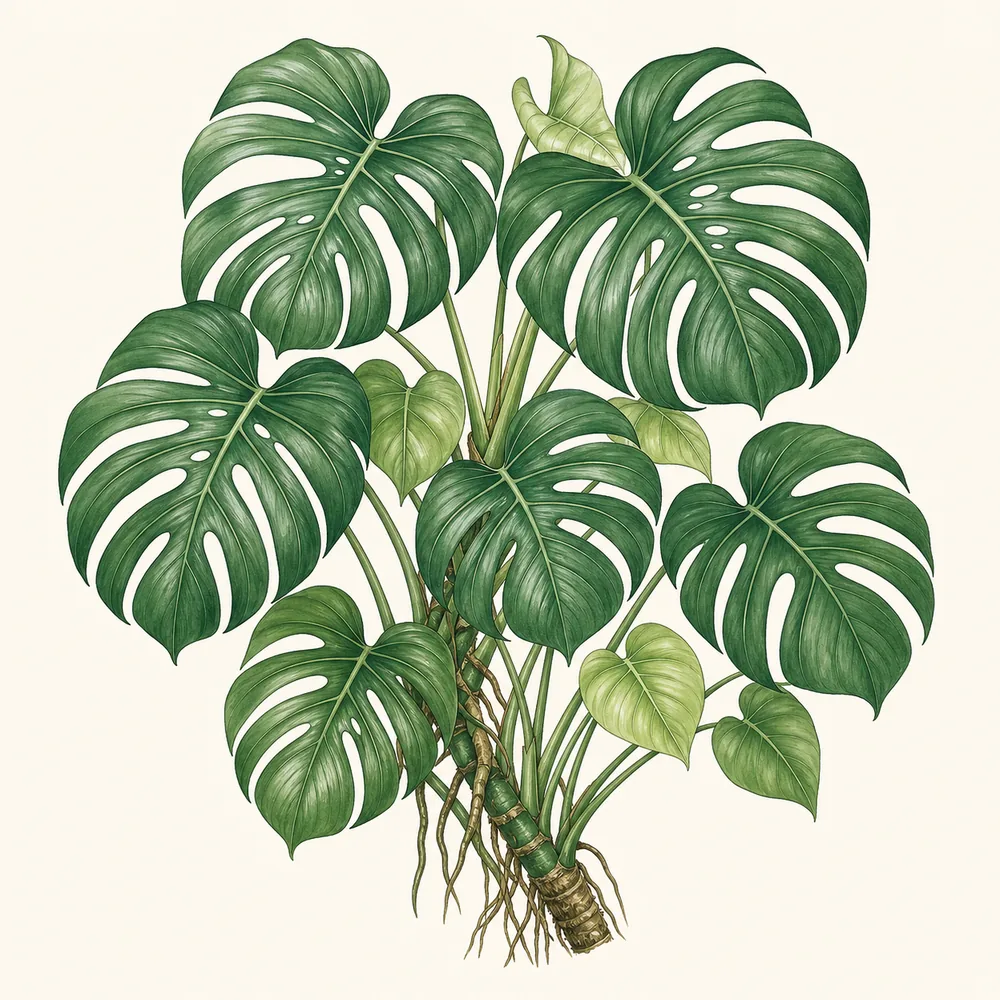
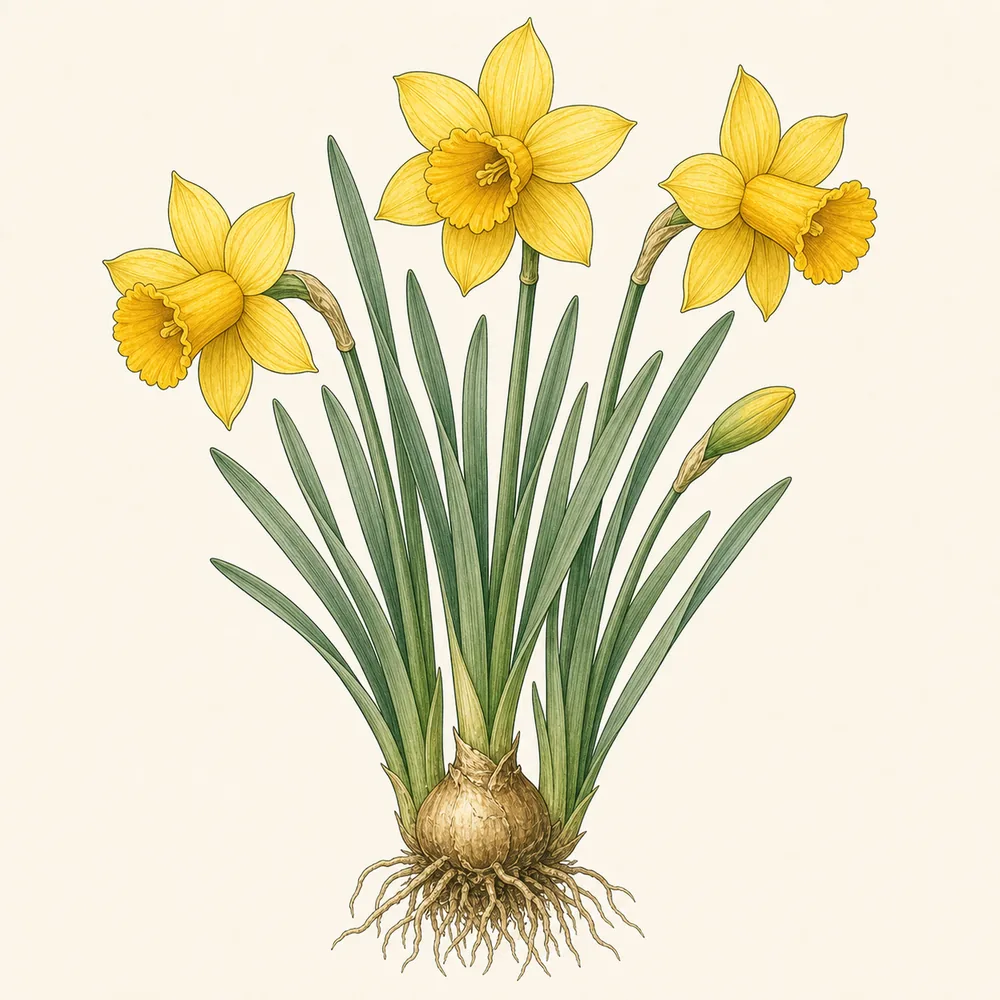
Pets at home? Plants we list as safe for cats and dogs · Plants we flag as poisonous, graded by severity
What your garden needs this month
Outdoors: Rake fallen leaves into a bin bag or cage to make leafmould. Lift and store tender plants before frost.
Indoors: Light is fading — ease off watering and stop feeding until spring.
Halloween in the garden
Pumpkins, black-leaved pots, flytraps that need a cold rest, and the foraged berries to keep out of reach of children and dogs.
Christmas in the garden
Wreaths from your own garden, a door pot that lasts to spring, flowering houseplants on time, and the festive plants to be careful with.
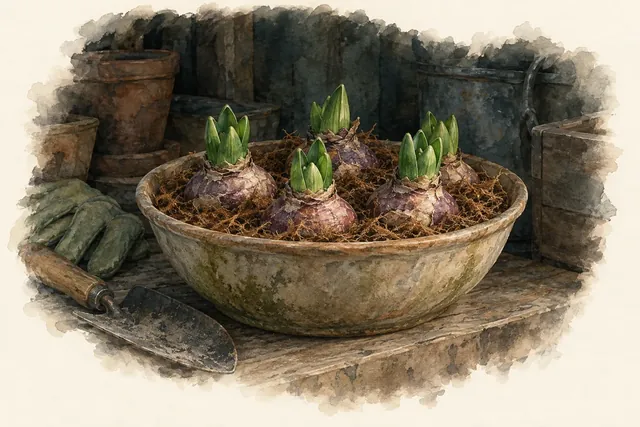 Bulbs for Christmas: forcing hyacinths, paperwhites and amaryllisPrepared hyacinths need a cool, dark spell first; paperwhites and amaryllis just need warmth and light. Timings, planting depths and aftercare for winter flowers indoors.Amaryllis for Christmas Day: counting back from the 25thAn amaryllis flowers six to eight weeks after planting, so a Christmas bloom means planting by early November. How to time it, slow an early one, and why waxed bulbs are a one-off.A Christmas wreath from your own garden: what to cut, what lasts, what to leave outHolly, ivy and conifer tips cut lightly, a moss-padded ring and no floral foam. What to take without spoiling the plant, what lasts outside, and why yew stays on the bush.
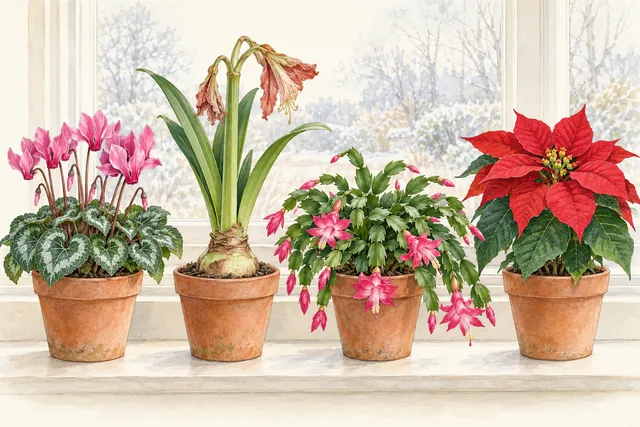 After Christmas: keeping cyclamen, amaryllis and Christmas cactus alive (and the poinsettia, if you must)Three Christmas plants are worth keeping and flower again after a cool rest. The fourth needs 8–10 weeks of short days. What each one wants from January onwards.A Christmas pot for the front door that lasts until springSkimmia, winter heath, hardy cyclamen, ivy and violas: a festive door pot that is still going at Easter. Which plants are truly hardy, which best-sellers aren't, and how to plant it.Gifts for gardeners, honestly: what gets used and what gets regiftedGood secateurs, gloves that fit and a bird feeder you can clean get used for years. Bug hotels, watering globes and waxed bulbs mostly don't. An honest list.Why your holly has no berriesOnly female hollies berry, and most need a male nearby. Cultivar names mislead: 'Golden King' is female, 'Silver Queen' male. Age, frost, shade and birds also play a part.
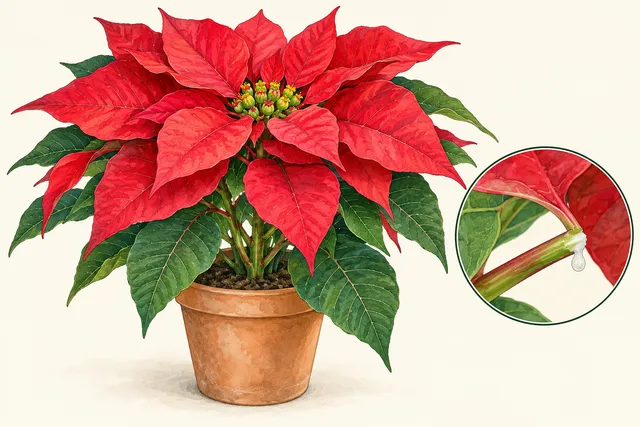 The poinsettia isn't the killer — here's what actually isThe poinsettia's deadly reputation is a century-old myth — it's only mildly toxic. Here's the reassurance, plus the festive plants that genuinely deserve caution.
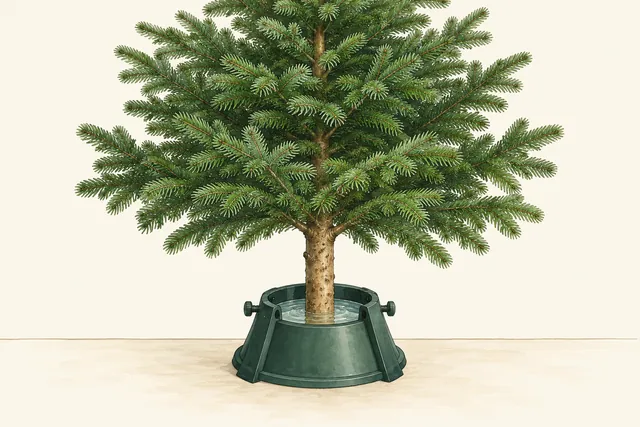 Real Christmas trees: keeping one alive, and what's actually risky for petsA fresh cut, plain water and a spot away from the radiator keep a real tree going. For pets the tree itself is a minor risk; the lilies, tinsel and chocolate are not.
Honest notes from the plot
Before you light it: the bonfire hedgehog check
A heap of autumn prunings looks like a ready-made bed to a hedgehog. Build on the day, lift it with a broom handle, light from one side, and know what to do if someone's home. Guide · this month's read grow your ownCuring pumpkins and squash so they keep all winter
Let them ripen fully, cut before frost with 10cm of stalk, then cure in the sun for 7–10 days. Store at 10–15°C, not touching, and most keep three months or more. Guide · this month's read grow your ownOverwintering chilli plants: is it worth keeping them?
Chillies are frost-tender perennials. Bring them in before frost, cut back, water sparingly and keep them bright. They start cropping earlier next year, but it isn't always worth it. Guide · this month's read houseplantsAlocasia losing leaves in winter: dormancy, cold or spider mite?
An alocasia losing leaves in winter is often just going dormant. Keep it above 10°C, water far less and check for spider mite. The underground stem usually reshoots in spring. Guide · this month's read seasonalAfter the carving: what to do with your Halloween pumpkin
Eat the flesh on carving night, roast the seeds, compost the shell without the wax. Why it shouldn't go out for the hedgehogs, and why its seed may not give you the same pumpkin next year. Guide · this month's read seasonalAmaryllis for Christmas Day: counting back from the 25th
An amaryllis flowers six to eight weeks after planting, so a Christmas bloom means planting by early November. How to time it, slow an early one, and why waxed bulbs are a one-off. Guide · this month's read seasonalA black and orange pot that lasts well past Halloween
Near-black foliage and orange leaves from hardy plants make a Halloween pot that still looks good in February. Which plants are truly hardy, how to plant it, and what to skip. Guide · this month's read houseplantsCalathea and prayer plant: crispy edges and curling leaves
Crispy brown edges usually mean dry, heated air, often made worse by hard tap water. Curling by day means thirst or too much heat. Folding up at night is normal. Field note · this month's read seasonalThe creepy plant shelf: carnivorous plants after Halloween
Bought a flytrap for Halloween? Some carnivorous plants need a cold winter rest and some need warmth all year. Which is which, and how to tell resting from dead. Guide · this month's read seasonalA Christmas wreath from your own garden: what to cut, what lasts, what to leave out
Holly, ivy and conifer tips cut lightly, a moss-padded ring and no floral foam. What to take without spoiling the plant, what lasts outside, and why yew stays on the bush. Guide · this month's read houseplantsFerns indoors: Boston, maidenhair and bird's nest without the crisping
Indoor ferns crisp when the compost dries or the air is too dry. Keep compost evenly moist, use a humid room or pebble tray, and water a bird's nest fern round the edge, not into its centre. Guide · this month's read seasonalA Christmas pot for the front door that lasts until spring
Skimmia, winter heath, hardy cyclamen, ivy and violas: a festive door pot that is still going at Easter. Which plants are truly hardy, which best-sellers aren't, and how to plant it.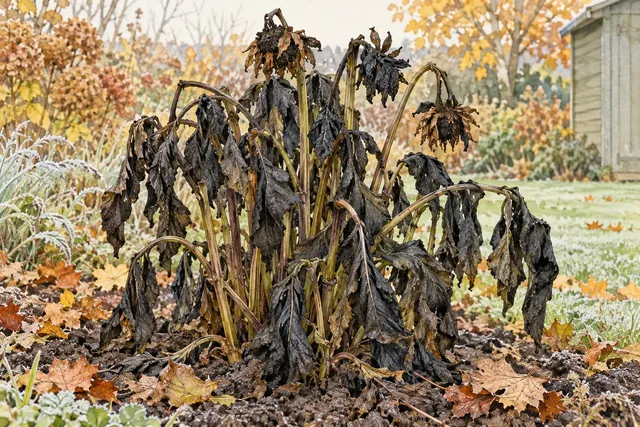 Guide · this month's read seasonal
Overwintering dahlias, pelargoniums and fuchsias: lift, mulch or cuttings?
Tender favourites can come back year after year. When to leave dahlias in under mulch and when to lift them, how to store tubers, and how to keep pelargoniums and fuchsias alive till spring. Guide · this month's read safety Real Christmas trees: keeping one alive, and what's actually risky for pets
A fresh cut, plain water and a spot away from the radiator keep a real tree going. For pets the tree itself is a minor risk; the lilies, tinsel and chocolate are not.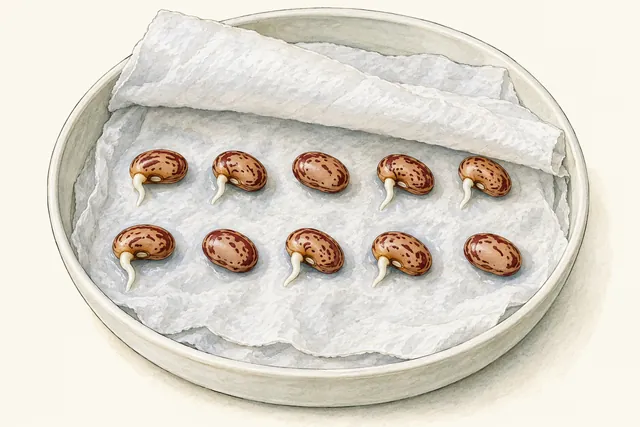 Guide · this month's read grow your own
Seed catalogues, honestly: what's worth buying and what isn't
Before you order: which old seed is still good, how to test it on kitchen paper, what F1 and AGM really mean, and when a few plug plants beat a whole packet. Guide · this month's read seasonalForaged Halloween displays: which berries, branches and gourds to keep out of reach
Home-made autumn displays bring yew, hedgerow berries and gourds to toddler and dog height. What's genuinely dangerous, what's mild, and what to do if something gets eaten.Advice you can hold us to
The almanac, per plant
Every profile tells you what to do this season — not just what the plant is. Care advice with a calendar attached.
"Save your money" is built in
Every kit list has a tier of things we think you shouldn't buy. If a humidifier won't help your snake plant, we say so.
Sources on every page
Each profile ends with how we checked it — the horticultural and toxicity databases we verified against, and when.