houseplants
38 entries tagged “houseplants”.
An amaryllis flowers six to eight weeks after planting, so a Christmas bloom means planting by early November. How to time it, slow an early one, and why waxed bulbs are a one-off.
Bought a flytrap for Halloween? Some carnivorous plants need a cold winter rest and some need warmth all year. Which is which, and how to tell resting from dead.
Bright light without direct sun, room-temperature water kept off the leaves, a small pot and one crown. Get those right and an African violet can flower for months on end.
Air plants can't live on air alone. Dunk them in rainwater regularly, shake them out, and dry them upside down within a few hours. Water left in the base is what rots them.
An alocasia losing leaves in winter is often just going dormant. Keep it above 10°C, water far less and check for spider mite. The underground stem usually reshoots in spring.
Brown tips won't turn green again. Trim them for looks, then fix the cause: uneven watering, salt build-up from feed, dry radiator air, or fluoride in some tap water.
Crispy brown edges usually mean dry, heated air, often made worse by hard tap water. Curling by day means thirst or too much heat. Folding up at night is normal.
Most carnivorous plants die from kindness: tap water, potting compost and fertiliser. Use rainwater, a peat-free carnivorous mix, lots of light, and let them catch their own food.
A cymbidium with lush leaves and no spikes was almost always kept too warm. Summer it outdoors, let it feel cool nights of around 13°C or below, and bring it in before frost.
Indoor ferns crisp when the compost dries or the air is too dry. Keep compost evenly moist, use a humid room or pebble tray, and water a bird's nest fern round the edge, not into its centre.
Indoor figs drop leaves when light, temperature or watering changes, so a move or the autumn light drop sets them off. Pick one bright, draught-free spot, keep care steady, and wait.
Hoyas flower in bright light, when mature and slightly pot-bound, and rebloom from the same short spurs. Don't cut those off, and don't move the plant once it's in bud.
Kalanchoe flowers when nights are long. Give it about six weeks of unbroken 14-hour nights in autumn, no evening lamp light, and treat it as a succulent the rest of the year.
Cut the old spike above a node or back to the base, keep the plant bright, water and feed it lightly, then give it about a month of cooler nights in autumn to trigger a new spike.
Brown tips usually mean dry air or uneven watering. Trim only the dead part, never cut the growing point, check for spider mite, and know that a majesty palm is hard work indoors.
Bring lemons in as autumn nights cool. Give them a bright, cool, steady spot, water sparingly with tepid rainwater and use winter citrus feed. Warmth, draughts and wet roots cause leaf drop.
A drooping peace lily is usually thirsty, but a waterlogged one droops too, so feel the compost first. No flowers usually means too little light, or a plant not yet mature enough.
Soft, collapsing leaves on a snake plant or ZZ almost always mean rot from too much water, often in a cold winter room. Check the base, save the firm parts, and water far less.
Winter light is too weak for most succulents, and cold, wet compost rots them. Give them your brightest window, a cool rest, almost no water and no feed until April.
Buds are set by cool autumn nights and long, unbroken darkness from mid-September. A warm, lamplit room is the usual culprit. Once buds show, keep conditions steady.
Monstera holes come with maturity and good light. Young plants make solid leaves by design. Give it a bright spot and something to climb, and be patient: there's no quick fix.
Most bromeliads flower once, then the rosette slowly dies. Keep watering, let the pups grow to about a third of the parent's size, then pot them up for free new plants.
Blackening traps in autumn are normal. Flytraps and trumpet pitchers need a cool, bright winter rest of at least ten weeks, kept damp but not flooded. Don't feed them.
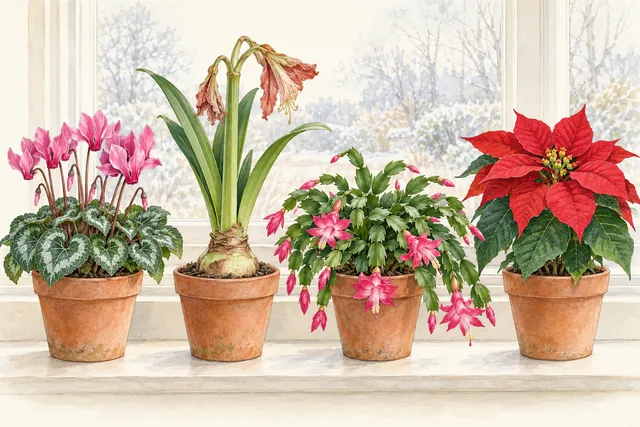
Three Christmas plants are worth keeping and flower again after a cool rest. The fourth needs 8–10 weeks of short days. What each one wants from January onwards.
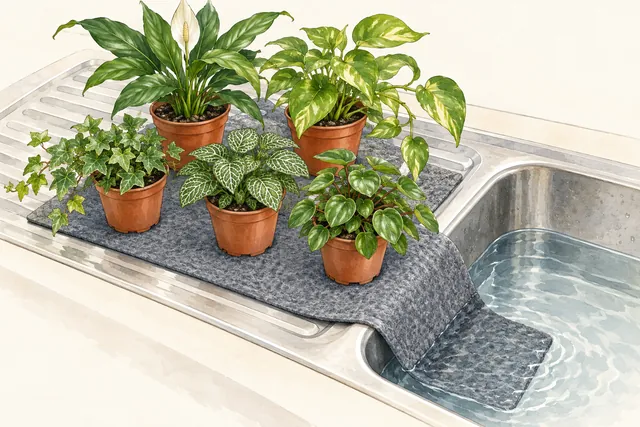
Water well, move plants off the sunny sill, and set up capillary matting or a wick for the thirsty ones. What works for a fortnight away — and the gadgets you can skip.
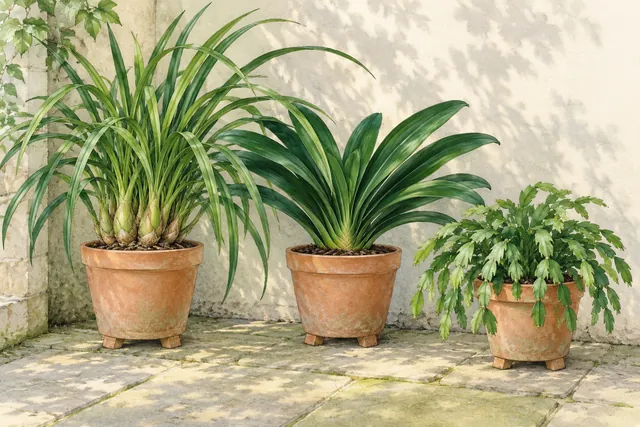
Which houseplants enjoy a summer outdoors, how warm the nights must be, how to avoid scorched leaves, and when to bring them back in before the cold catches them.
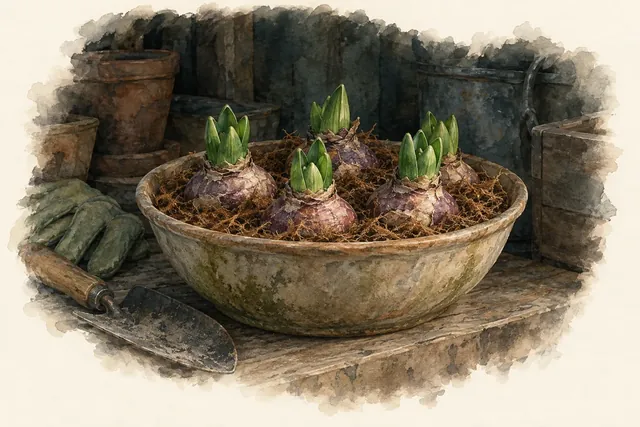
Prepared hyacinths need a cool, dark spell first; paperwhites and amaryllis just need warmth and light. Timings, planting depths and aftercare for winter flowers indoors.
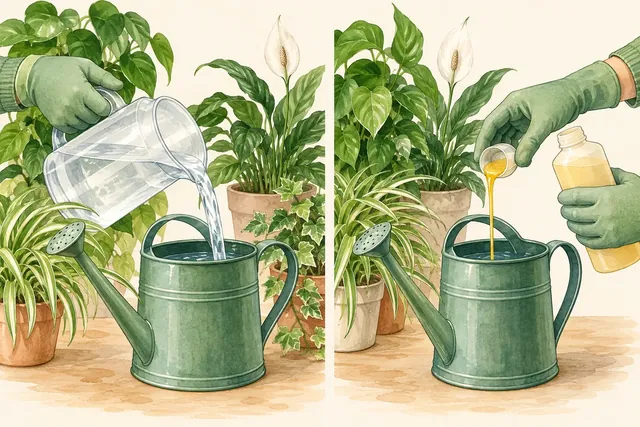
Feed in the growing season, ease off in winter, never onto dry compost. Which feed suits foliage, flowering plants, cacti and orchids — and the signs you're overdoing it.
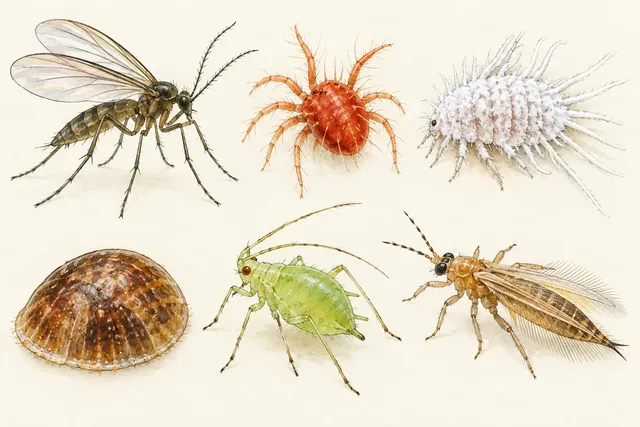
Fungus gnats, red spider mite, mealybugs, scale, aphids and thrips — how to spot each one, the simple fixes that work, the biological controls, and when to bin the plant.
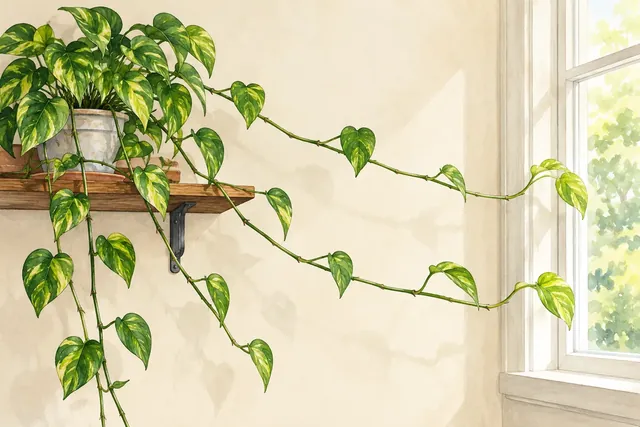
Long, bare, stretching stems usually mean too little light. Fix that first, then cut back in spring above a leaf joint — and root the cuttings. Which plants not to cut.
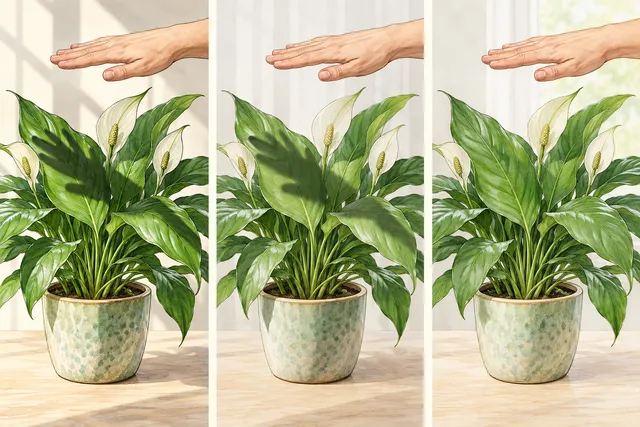
The phrase on every plant label, demystified: what bright indirect light really is, a 10-second shadow test, and which UK windows give it.
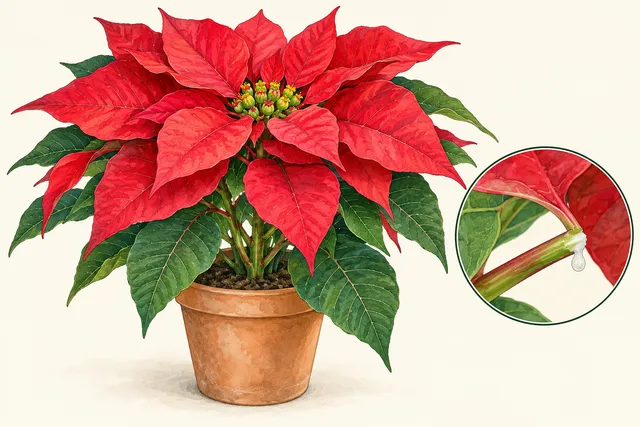
The poinsettia's deadly reputation is a century-old myth — it's only mildly toxic. Here's the reassurance, plus the festive plants that genuinely deserve caution.
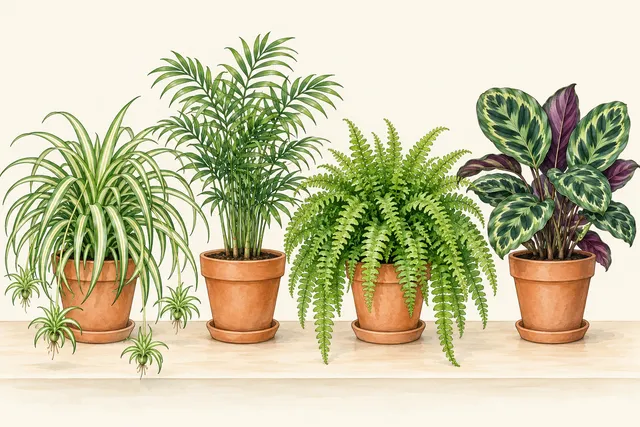
Seven houseplants we checked directly against the ASPCA database and can confirm are non-toxic to cats and dogs — plus the popular ones that aren't, and what 'non-toxic' really means.
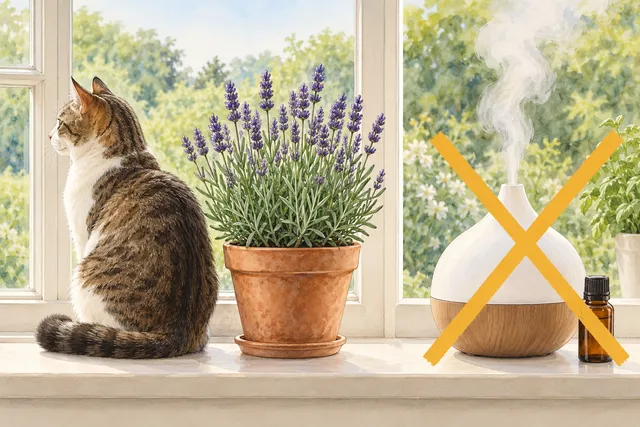
A lavender plant on the sill is low-risk near a cat. A lavender or tea-tree oil diffuser is a different story. Here's the distinction most guides miss — and why it matters.
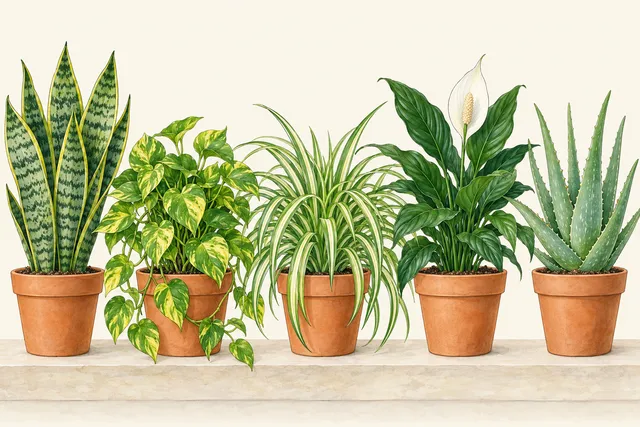
New to houseplants and scared of killing them? Start here. Five near-indestructible plants, their real light and water needs, and an honest pet-safety note for each.
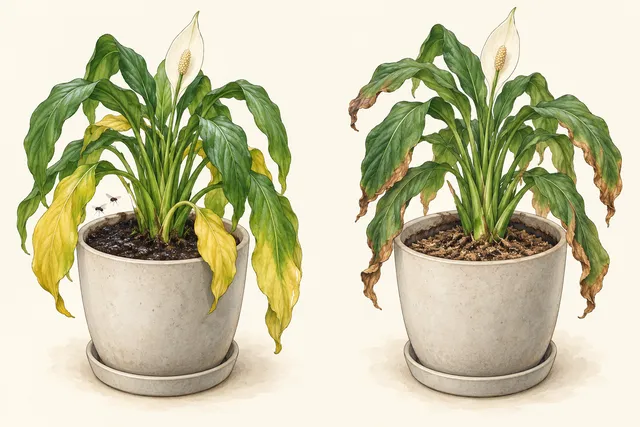
Overwatering kills more houseplants than neglect ever does. Here's why a soggy plant looks thirsty, how to tell the difference, and how to water so roots can breathe.
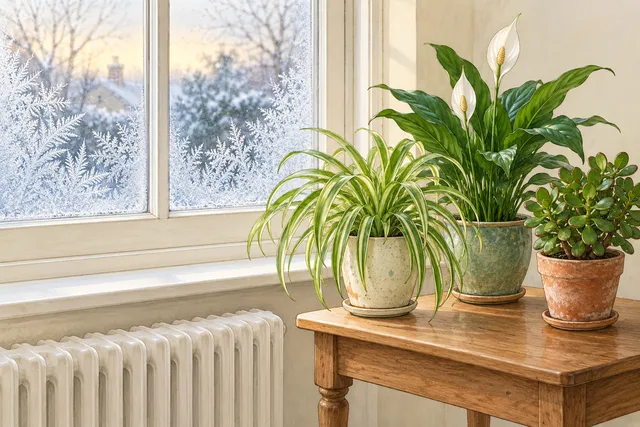
Shorter days and central heating are hard on houseplants. Here's what actually changes from autumn onwards — less water, no feed, more light — and what's oversold.
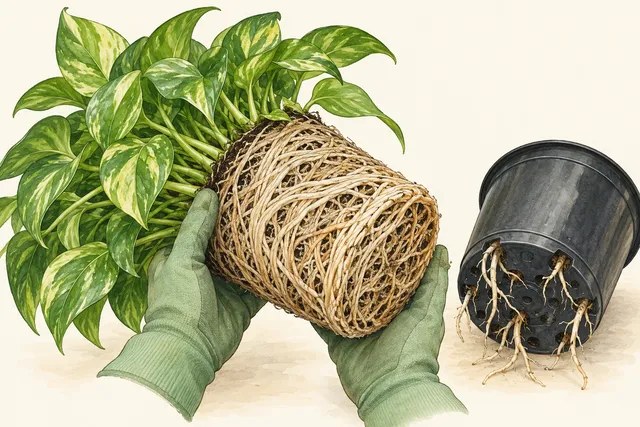
Most plants don't need repotting the day you get them home. Here's how to read the real signs, why bigger pots rot roots, and what to skip.