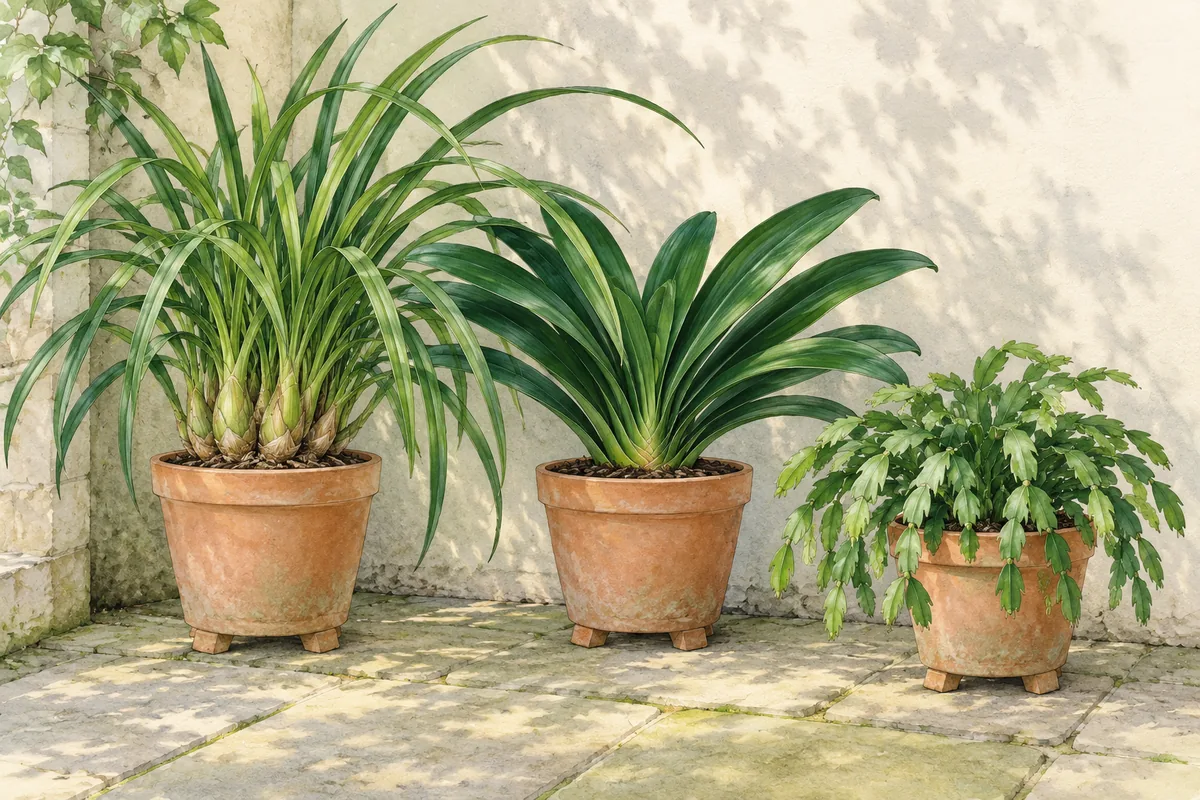
Light outdoors is far stronger than anything a windowsill offers, and plenty of houseplants grow better for a few weeks of it. A few will flower better too. But the move kills plants when it's rushed: out too early, straight into full sun, or left out one cold night too many. The calendar matters less than the thermometer.
In pictures
-
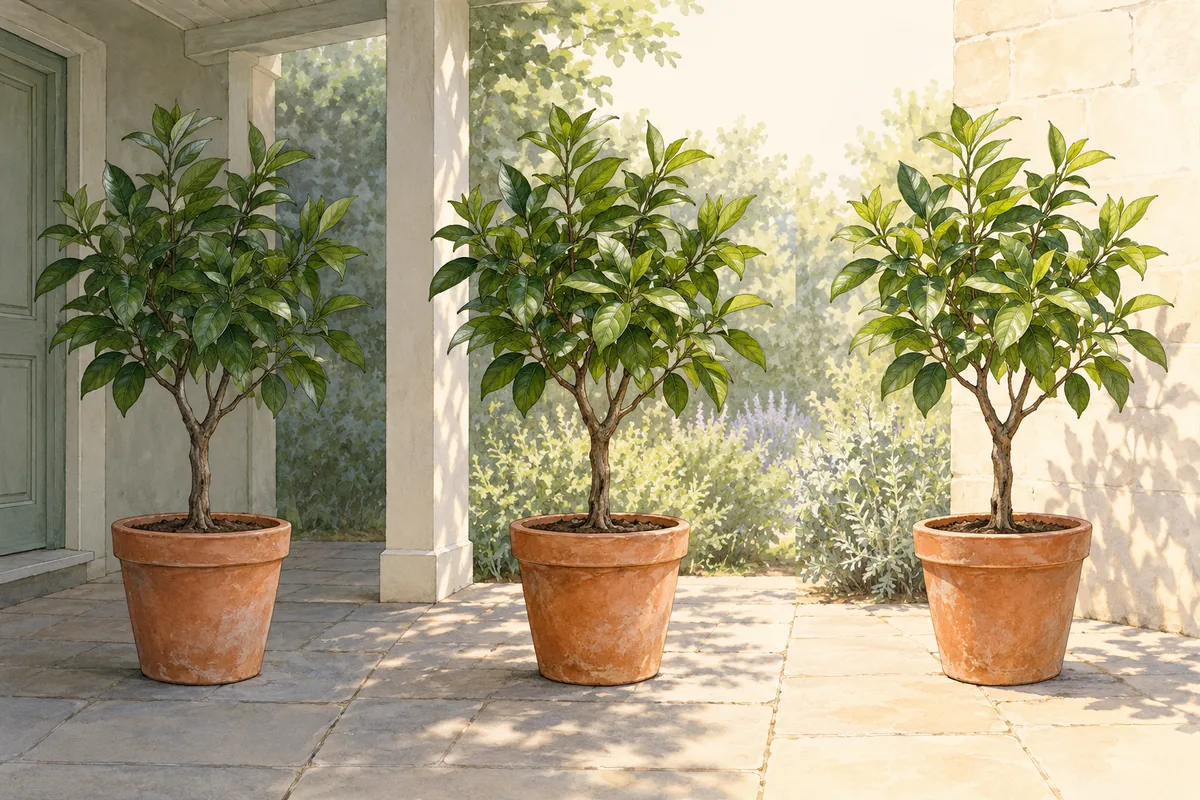
2Move sun-lovers like citrus into more light gradually. -
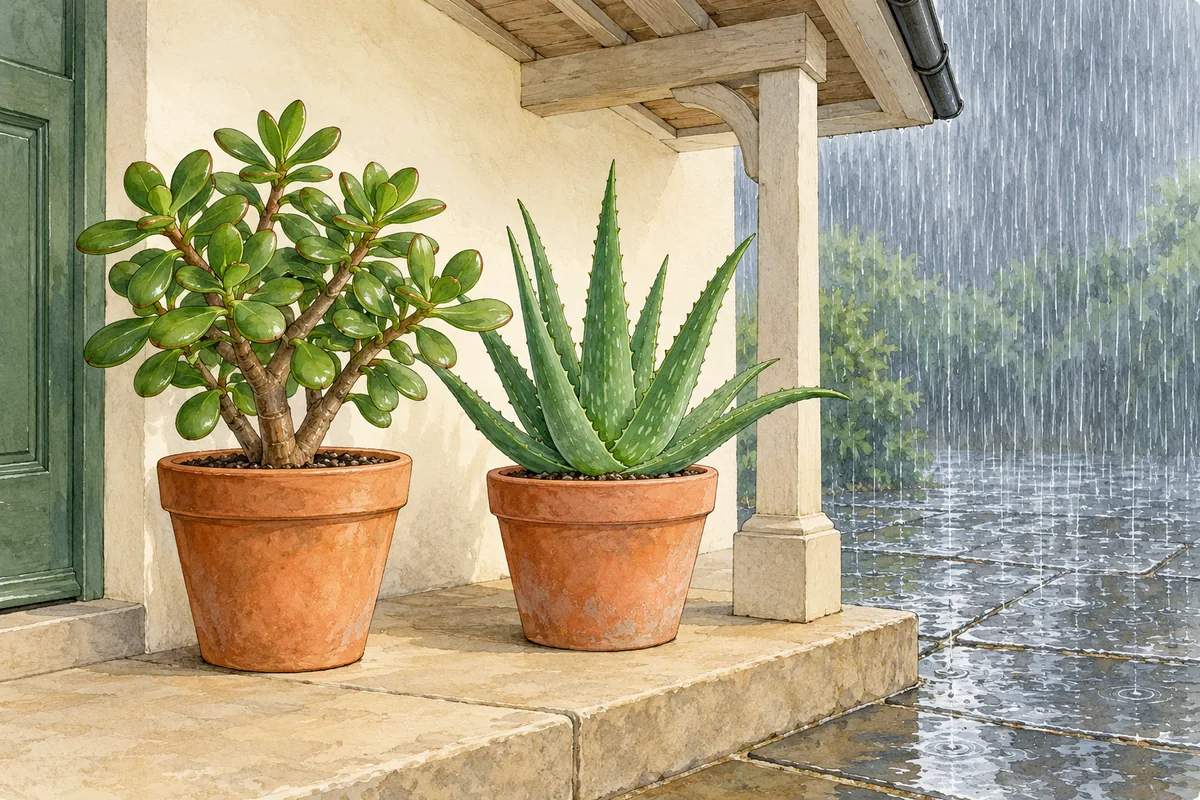
3Jade plant and aloe go under cover, out of the rain. -
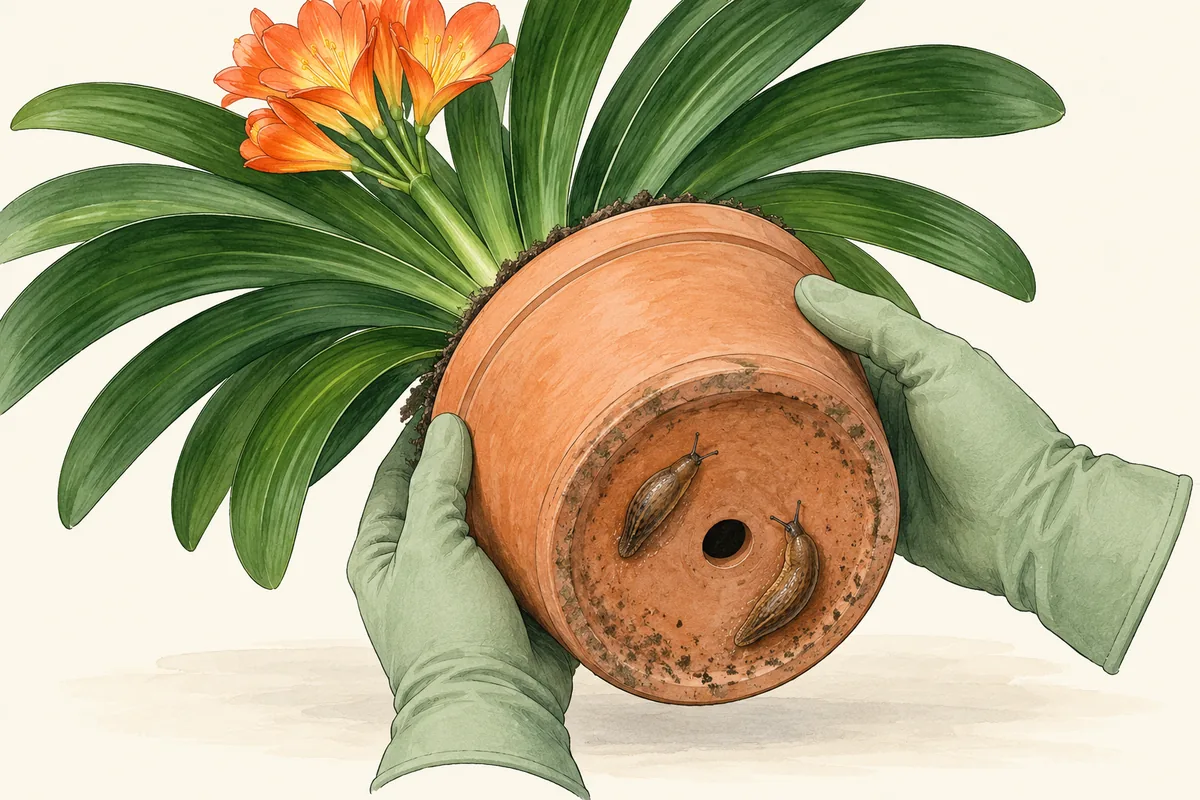
4Check the underside of pots for slugs before they come back in.
01At a glance
- Out: when nights are reliably above 10–12°C for the tougher plants, warmer for tropical ones.
- Where: bright shade first. Always.
- In: when nights are forecast to drop below 10°C.
- Before they come in: check for pests, including under the pot.
02Who goes out, who stays in
- Cymbidium orchids. The RHS moves these out from about June to mid-September, in light shade. The drop between day and night temperatures outdoors helps them form flower buds.
- Clivia. Happy outside once acclimatised, out of direct sun.
- Christmas cactus. A warm, sheltered, shady spot for the summer months, says the RHS. It's a forest plant. Keep it out of full sun.
- Citrus. A lemon tree wants a sunny, sheltered patio — but the RHS warns you may have to wait until mid-June before it's warm enough.
- Cacti and succulents. A jade plant or aloe vera can go out to bask, under a porch or other cover. Too much rain rots them.
- Leafy tropicals. Peace lilies, philodendrons and snake plants can go out in shade once nights stay above 13°C. Calathea and prayer plants need 15°C or more.
- Stay indoors: moth orchids, which the RHS says need a minimum of 18°C, and the weeping fig, which protests by shedding leaves. BBC Gardeners' World adds African violets to the stay-in list.
03When it's warm enough
The RHS gives night temperatures, not dates:
- Cymbidium, clivia and other subtropical plants: nights consistently above 10–12°C.
- Peace lily, philodendron, snake plant, rex begonias: nights above 13°C.
- Calathea and prayer plants: 15°C or more.
The RHS's own timings for cymbidiums and citrus point to June. In a cold or exposed garden, wait longer.
04Acclimatise, or scorch
Even a cactus can burn if it goes straight from a windowsill into direct sun, the RHS warns, because outdoor light is so much more intense.
- Start everything in bright shade — a sheltered spot with plenty of light but no direct sun.
- Go gently for the first fortnight. Gardeners' World suggests a shady spot by day and back indoors at night for one or two weeks.
- Then move sun-lovers on gradually. Citrus, cacti and succulents can be given a little more direct sun at a time.
- Leave the shade plants in shade. Leafy houseplants, clivia and Christmas cactus stay out of direct sun all summer.
Scorched leaves can be cut off when the plant comes back in.
05Looking after them outdoors
- Check the compost often. Moving air dries pots faster than you expect, even in shade.
- Raise pots on bricks or pot feet so rain can drain away freely.
- Choose a sheltered spot. Every RHS guide we checked asks for shelter, whether the plant wants sun or shade.
- Keep feeding. Plants in active growth still need it — see feeding houseplants. The RHS switches cymbidiums to a high-potassium orchid feed in summer and gives citrus a high-nitrogen summer citrus feed.
- Watch for slugs and snails. The RHS lists them as a cymbidium pest specifically when the plants are outdoors. Our slugs and snails guide covers what works.
06Bringing them back in
- Watch the forecast, not the calendar. The RHS rule is to bring houseplants in when nights are forecast to drop below 10°C. That's often September.
- Some can wait a little, most can't. Clivia copes down to about 5°C and lemons to a similar low, but the RHS still brings clivia in by early autumn and citrus as soon as nights start to dip. Cymbidiums come in by mid-September.
- Check for pests first. Look over the leaves, the undersides and the compost, and lift the pot — slugs hide underneath. Our houseplant pests guide shows what to look for.
- Tidy up. Cut off scorched or damaged leaves and spent flowers.
- Give them a halfway house. The RHS suggests a cool room for the first two or three weeks while they readjust to indoor air.
How we checked this
Every care and safety claim on this page is verified against horticultural and veterinary sources.
Sources: RHS — Moving houseplants outdoors · RHS — How to grow cymbidium orchids · RHS — How to grow clivias · RHS — How to grow Christmas cactus · RHS — How to grow citrus fruit · RHS — Houseplant cacti and succulents: growing guide · BBC Gardeners' World — Moving house plants outdoors in summer
Checked 3 October 2026. If our advice ever conflicts with the RHS, believe them and tell us.