save your money
53 entries tagged “save your money”.
Near-black foliage and orange leaves from hardy plants make a Halloween pot that still looks good in February. Which plants are truly hardy, how to plant it, and what to skip.
Holly, ivy and conifer tips cut lightly, a moss-padded ring and no floral foam. What to take without spoiling the plant, what lasts outside, and why yew stays on the bush.
Eat the flesh on carving night, roast the seeds, compost the shell without the wax. Why it shouldn't go out for the hedgehogs, and why its seed may not give you the same pumpkin next year.
Good secateurs, gloves that fit and a bird feeder you can clean get used for years. Bug hotels, watering globes and waxed bulbs mostly don't. An honest list.
You won't banish black spot in a wet British summer, but you can keep it in check: clear fallen leaves, mulch in winter, water at the base, and choose less susceptible roses.
Most carnivorous plants die from kindness: tap water, potting compost and fertiliser. Use rainwater, a peat-free carnivorous mix, lots of light, and let them catch their own food.
Small snowdrop bulbs dry out easily and dry autumn bulbs often fail. Plant, lift or divide them after flowering, while the leaves are still up, and never dig them from the wild.
Store only late, unblemished fruit, picked just under-ripe with stalks on. Keep it cool (4–7°C), dark and airy, not touching, and check often. Ripen pears indoors.
Strawberry beds fade after three or four years. In late summer, root runners from healthy plants into small pots and start a new bed in fresh ground.
Plant tulips in November, two to three times their height deep, in sharp drainage. Most garden tulips fade after year one; Darwin hybrids and species tulips have better odds.
Blue needs acid soil so the roots can take up aluminium. On acid soil a blueing compound helps; on chalk it won't. White hydrangeas never turn blue. Pots are the honest route.
Pot stored dahlia tubers up under cover in early spring, barely damp, then plant out after the last frost, usually late May. The first shoots make easy, free cuttings.
Most bromeliads flower once, then the rosette slowly dies. Keep watering, let the pups grow to about a third of the parent's size, then pot them up for free new plants.
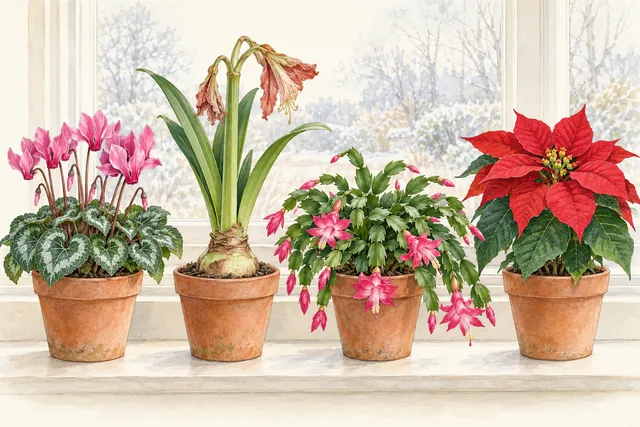
Three Christmas plants are worth keeping and flower again after a cool rest. The fourth needs 8–10 weeks of short days. What each one wants from January onwards.
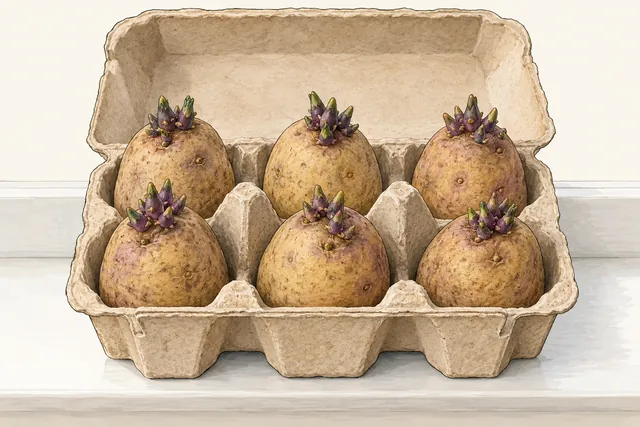
When chitting earns its windowsill space and when it doesn't, plus planting dates, depths and spacing for earlies and maincrops, earthing up, frost and growing in pots.
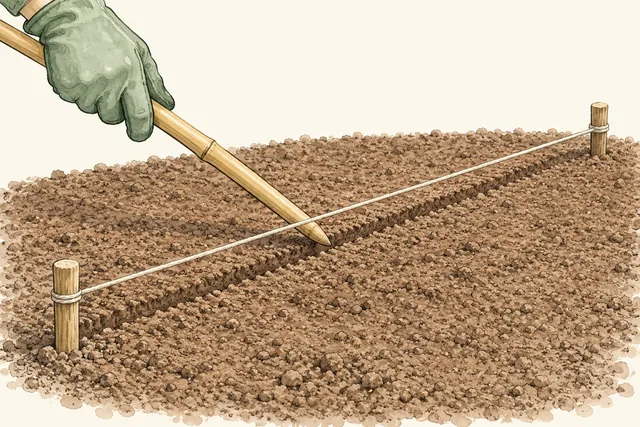
No pots, no windowsill, no compost bill. How to sow carrots, beetroot and salads straight into the soil: when it's warm enough, how deep, and how to thin.
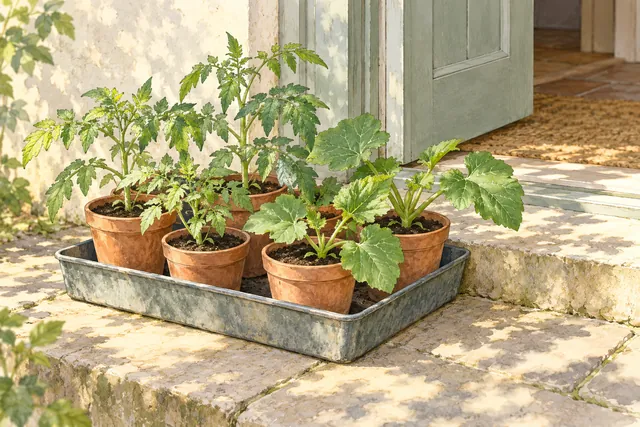
Seedlings raised indoors need two to three weeks to toughen up before they go in the ground. The schedule, the UK frost dates by region, and how to plant out properly.
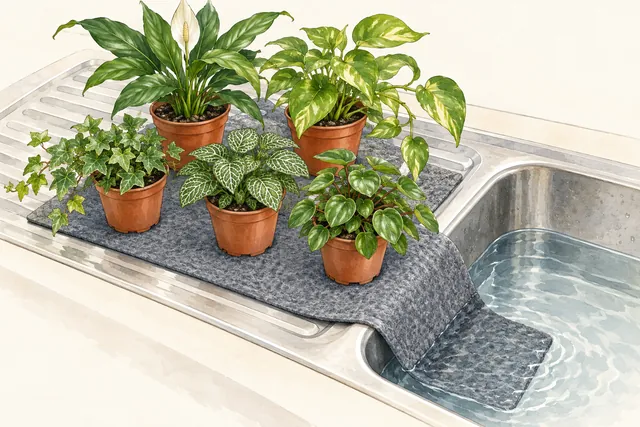
Water well, move plants off the sunny sill, and set up capillary matting or a wick for the thirsty ones. What works for a fortnight away — and the gadgets you can skip.
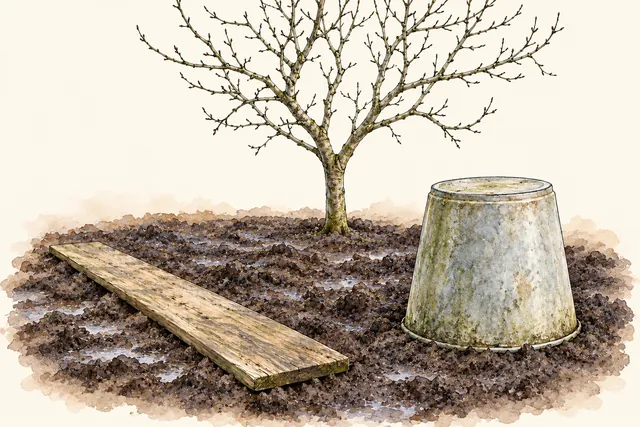
January's honest list for UK fruit and veg growers: prune apples, force rhubarb, plan and order. Plus the sowing and digging that should wait for warmer soil.
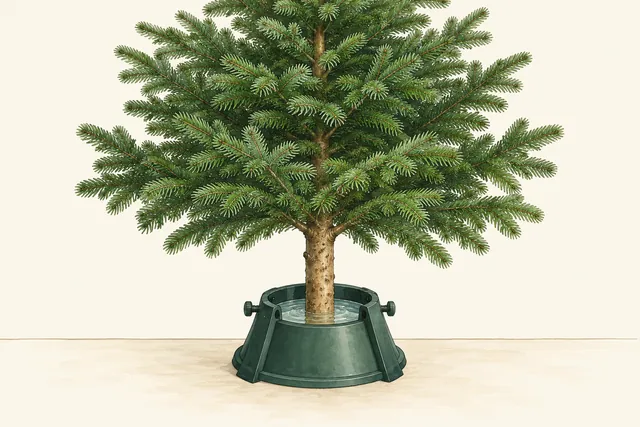
A fresh cut, plain water and a spot away from the radiator keep a real tree going. For pets the tree itself is a minor risk; the lilies, tinsel and chocolate are not.
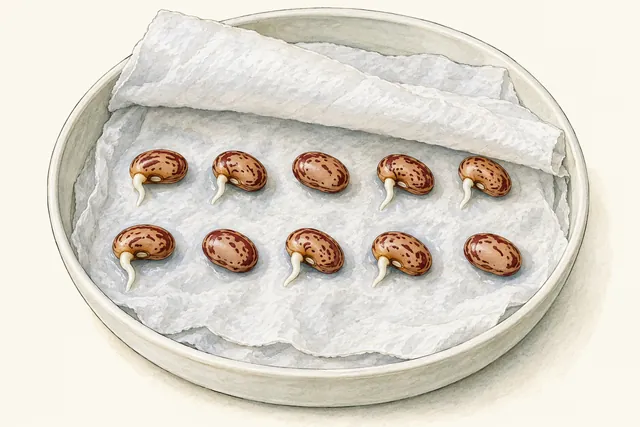
Before you order: which old seed is still good, how to test it on kitchen paper, what F1 and AGM really mean, and when a few plug plants beat a whole packet.
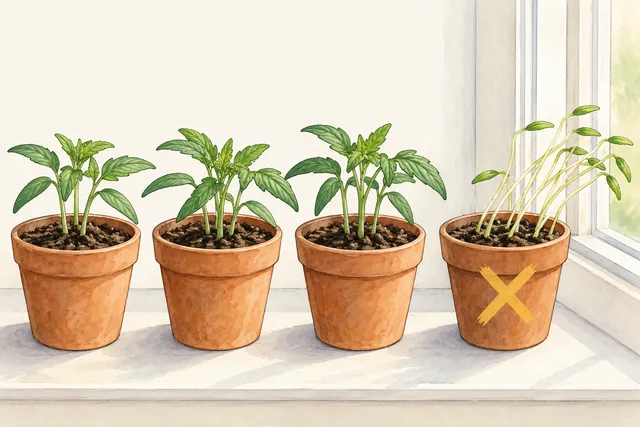
Which seeds genuinely need an early start with heat, which are better left until April or May, and how to avoid leggy seedlings and damping off on a UK windowsill.
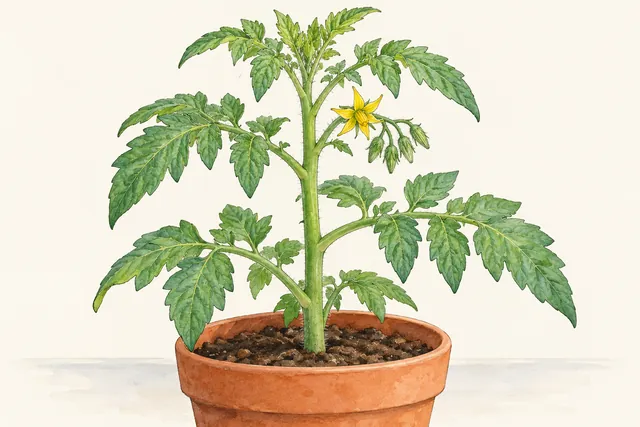
When to sow tomatoes in the UK, how warm to keep them, why you bury the stem when potting on, and when to plant out and start feeding — without sowing too early.
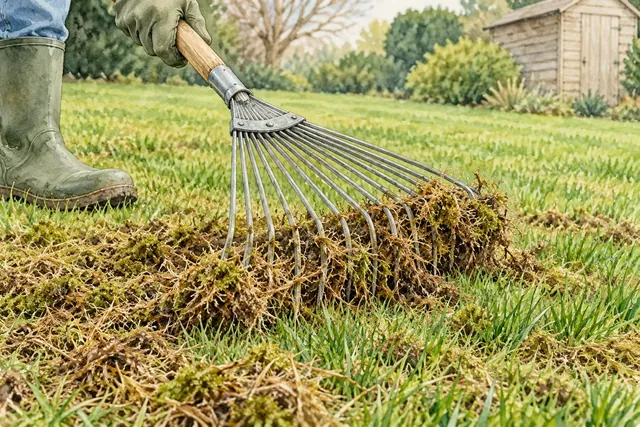
Scarifying, aerating, overseeding and autumn feed — when each is worth doing, when it isn't, and the 7°C soil rule for sowing grass seed in October.
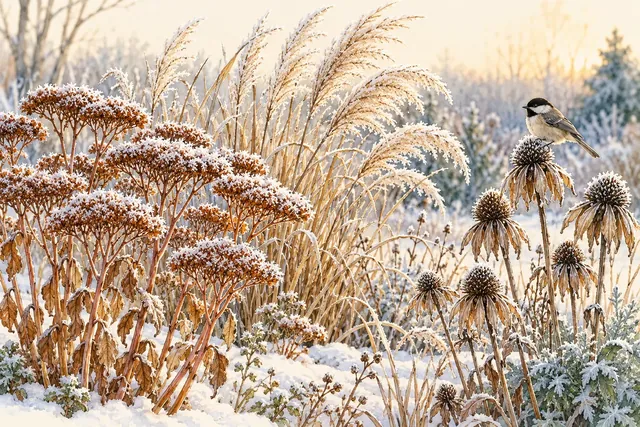
You don't have to clear the border every autumn. Which perennials to cut now, which to leave standing for frost protection and wildlife, and when to start in spring.
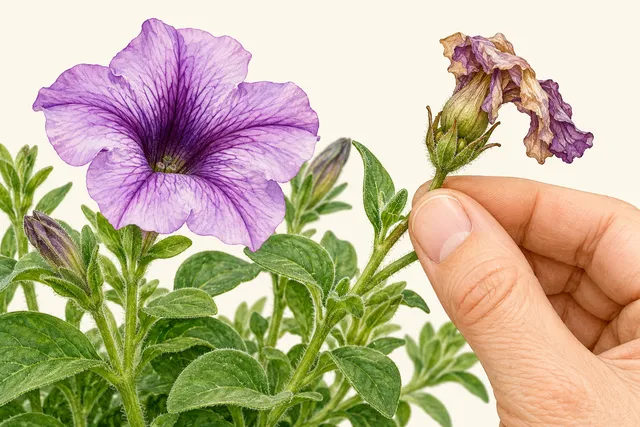
Removing faded flowers keeps bedding, roses and many perennials blooming for weeks longer. How to do it plant by plant, and which plants to leave alone for hips, seeds and birds.
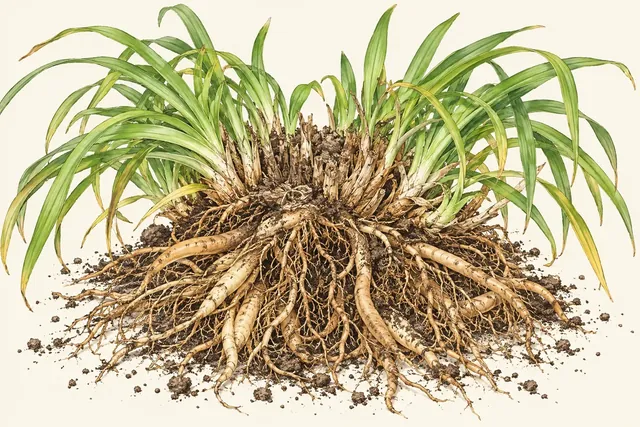
When a clump goes bare in the middle or flowers poorly, split it. When to divide, the two-fork method, irises and the plants that hate being disturbed.
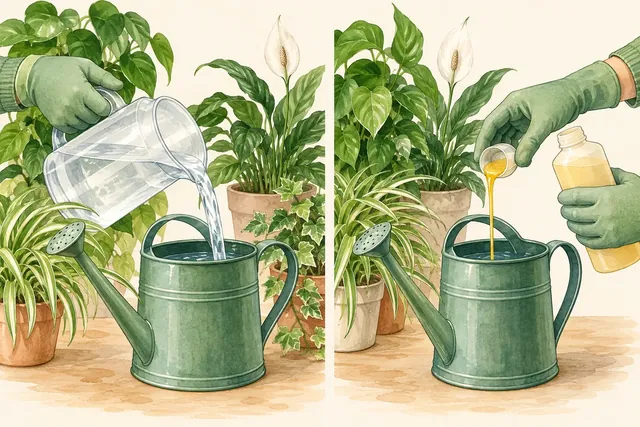
Feed in the growing season, ease off in winter, never onto dry compost. Which feed suits foliage, flowering plants, cacti and orchids — and the signs you're overdoing it.
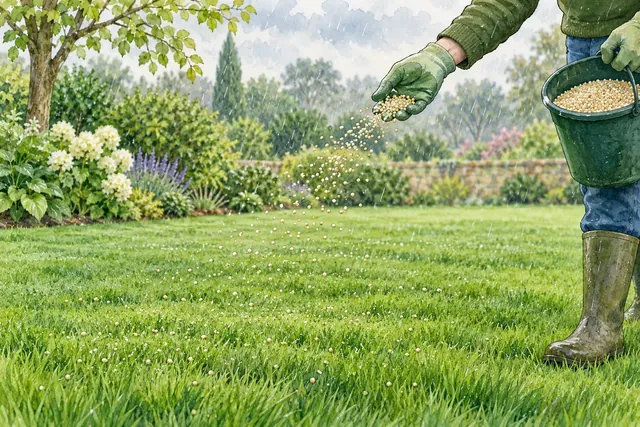
Most lawns grow fine without feeding. When a feed does help, spring and autumn feeds do different jobs — here's when to use each, how much, and the mistake that invites disease.
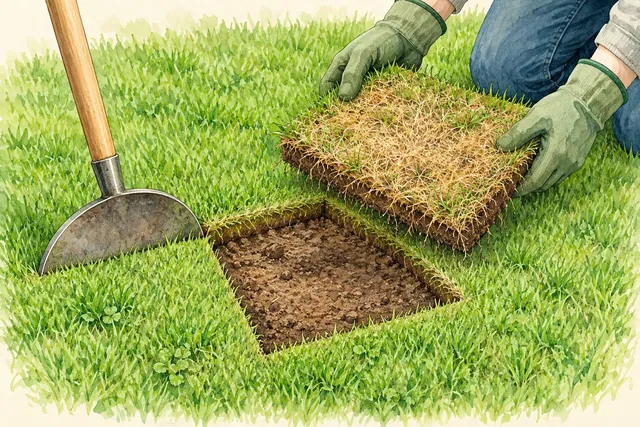
How to repair a bald patch, a broken edge or a bump in the lawn — when to do it, how to prepare the soil, how much seed to sow, and when to mow the new grass.
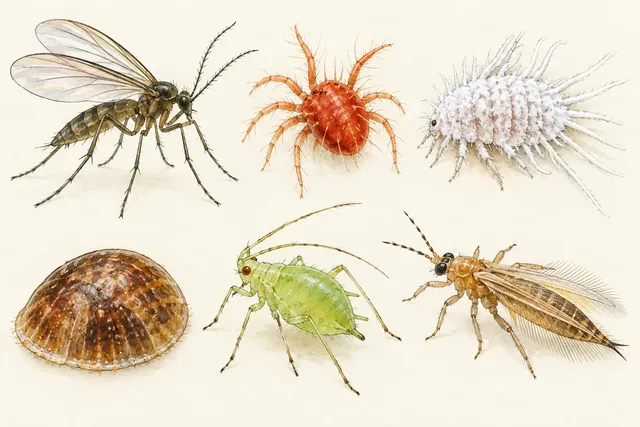
Fungus gnats, red spider mite, mealybugs, scale, aphids and thrips — how to spot each one, the simple fixes that work, the biological controls, and when to bin the plant.
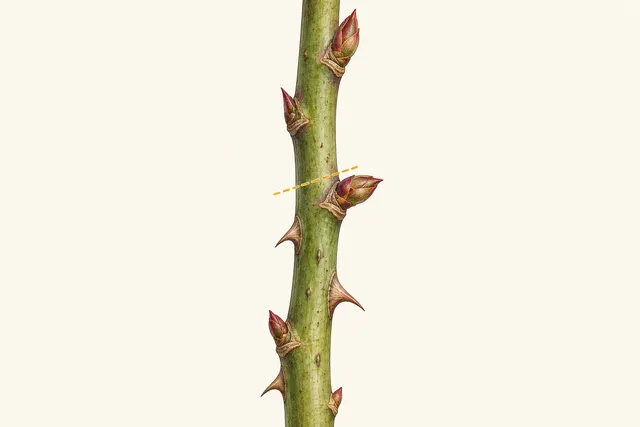
When and how to prune hybrid tea, floribunda and shrub roses in the UK — the heights, the bud, the slope — plus the once-flowering roses you must not prune in winter.
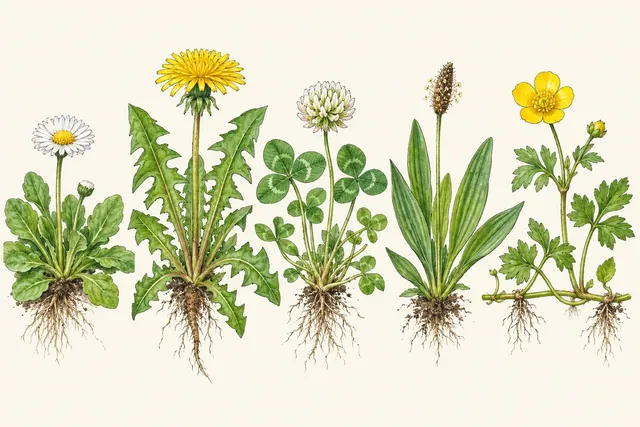
Daisies, dandelions, clover and plantain — which to dig out, which to leave for bees, how to make grass outcompete them, and what to know before you reach for a weedkiller.
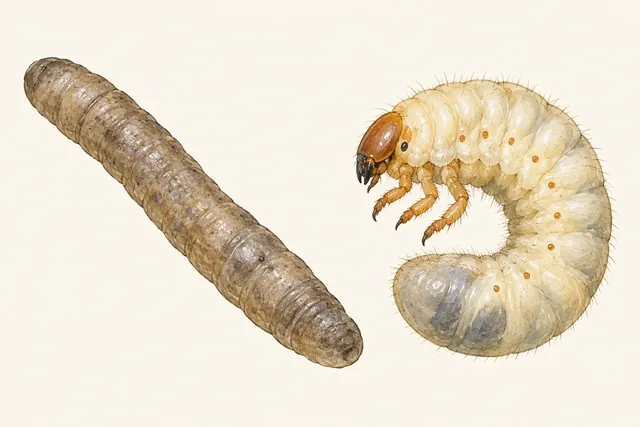
Yellow patches and birds or badgers tearing at the turf usually mean grubs. How to confirm them, when nematodes work (and the soil temperatures they need), and how to repair the damage.
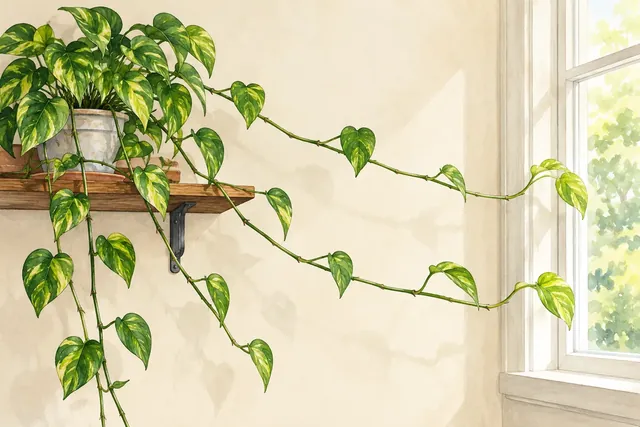
Long, bare, stretching stems usually mean too little light. Fix that first, then cut back in spring above a leaf joint — and root the cuttings. Which plants not to cut.

Seed is cheaper with more choice; turf is instant. When to sow and when to lay, how to prepare the ground, laying turf like brickwork, and when you can first mow and walk on it.
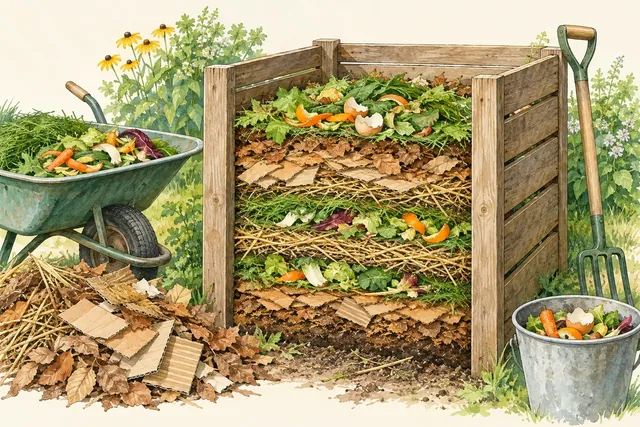
The greens-to-browns balance, what never goes in, how wet it should be, how long it takes — and why you don't need a compost accelerator.
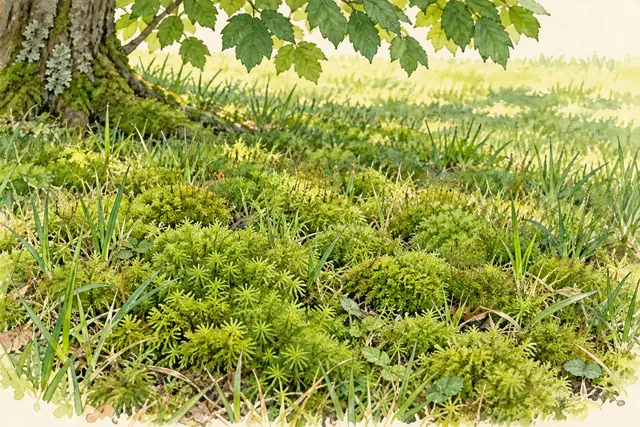
Moss is a symptom of shade, compaction, wet soil or close mowing. How to rake it out, when to scarify, what the RHS says about iron sulphate — and when to stop fighting it.
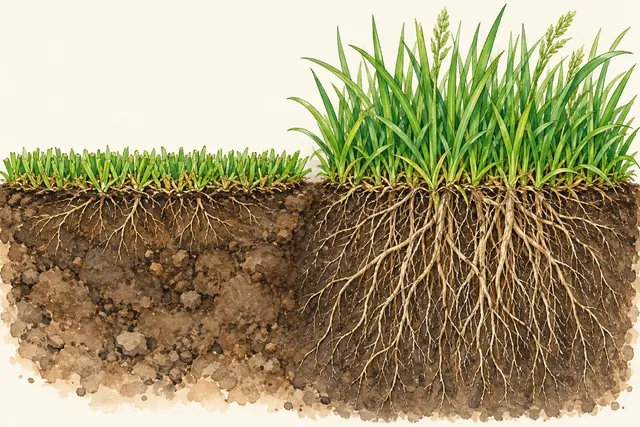
How high to cut, how often, and why you should never take more than a third off. Plus mowing in drought, the first cut of spring, and why a brown lawn isn't a dead one.
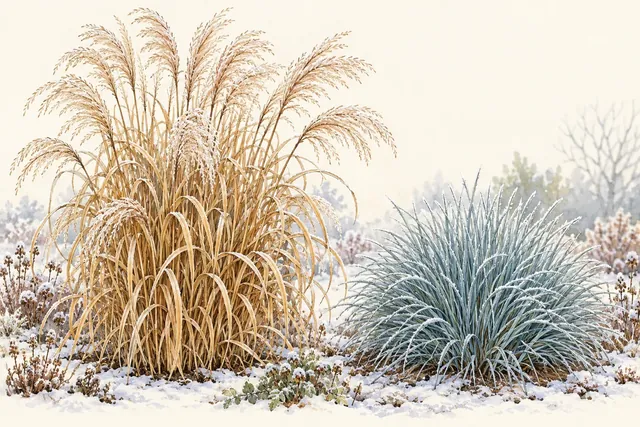
Deciduous grasses get cut to the ground in late winter or spring; evergreen grasses only need dead leaves combing out. Which is which, when to do it, and when to divide.
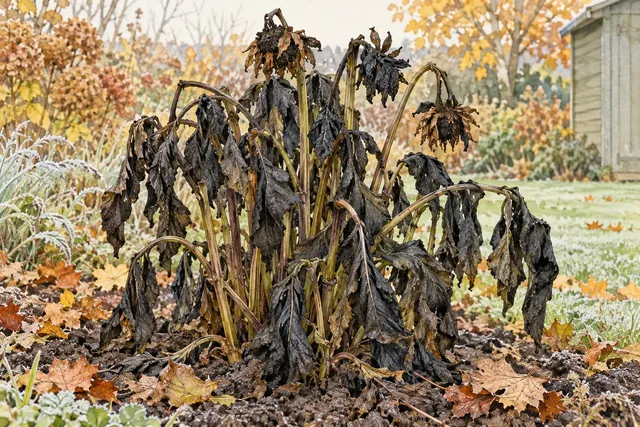
Tender favourites can come back year after year. When to leave dahlias in under mulch and when to lift them, how to store tubers, and how to keep pelargoniums and fuchsias alive till spring.
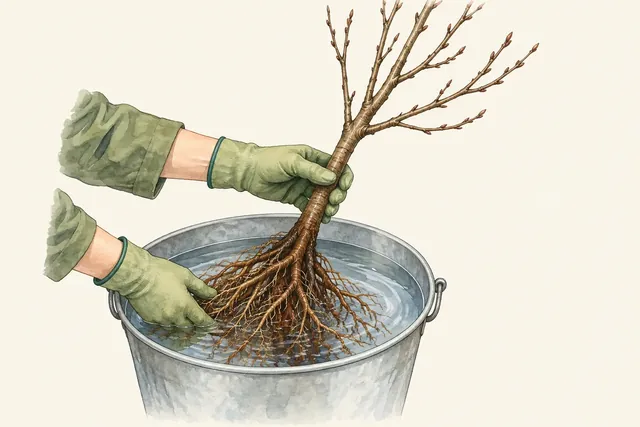
Bare-root plants are cheaper and establish well. How to soak, how deep to plant, why trees don't want compost in the hole, and how to stake low.
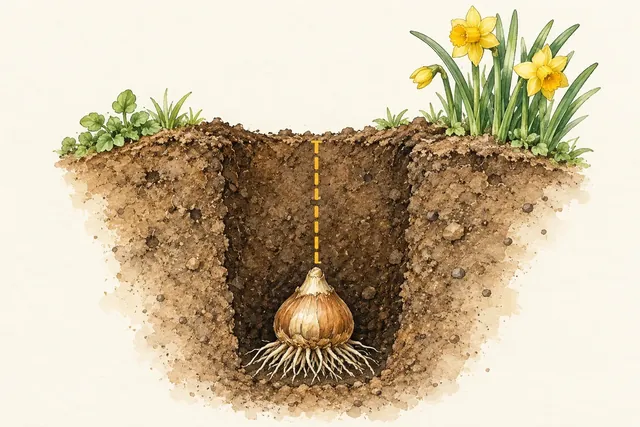
Daffodils and crocus by the end of September, tulips later. The planting-depth rule, which way up, lasagne pots, stopping squirrels — and why daffodils go 'blind'.
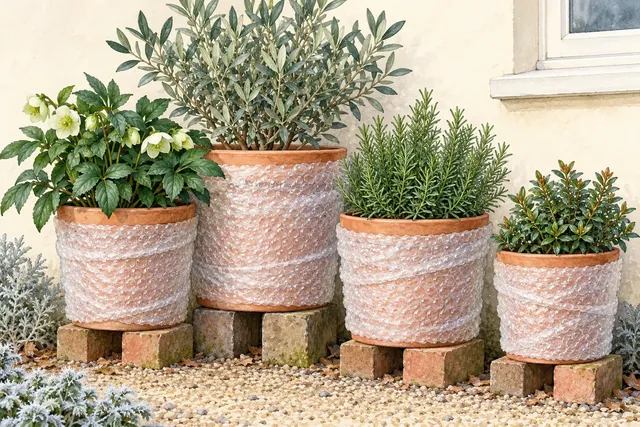
Fleece, pot feet, wrapping and moving pots: an honest UK guide to getting tender plants and containers through winter — with the cheap substitutes that work just as well.
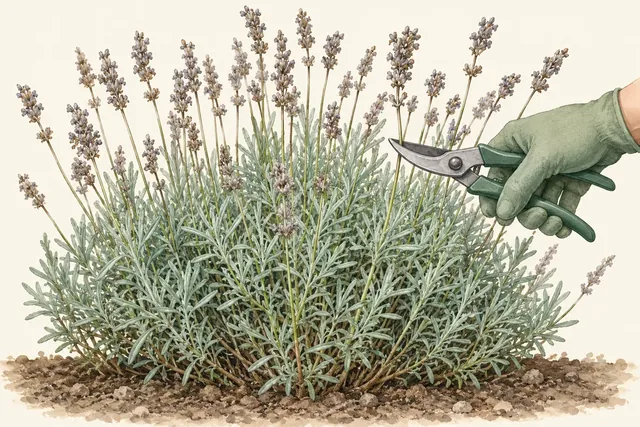
Trim English lavender just after flowering, taking the flower stalks and about 2.5cm of leaf — never into bare wood. And when a leggy plant is better replaced than rescued.
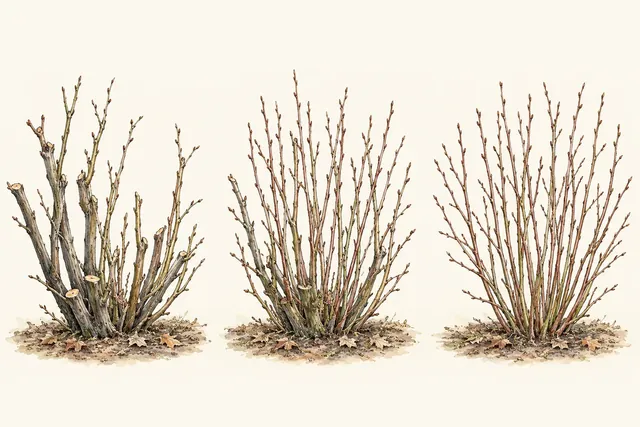
Some shrubs bounce back from a hard cut to near the ground; some need three years; some never regrow from old wood. How to tell which you've got, and how to renovate each.
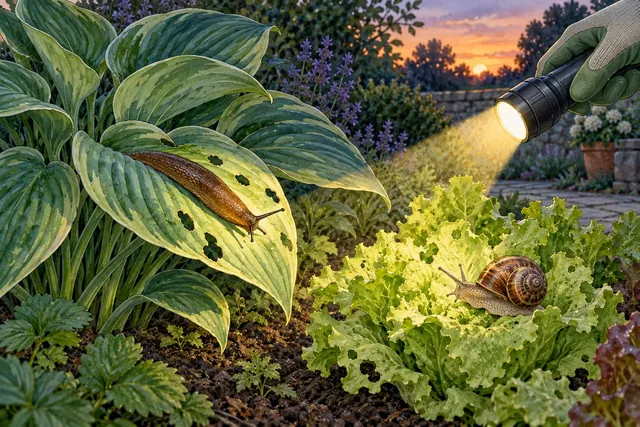
Copper tape, eggshells, grit and wool pellets didn't reduce slug damage in RHS trials. What does help: torchlight patrols, protecting seedlings, morning watering, nematodes and predators.
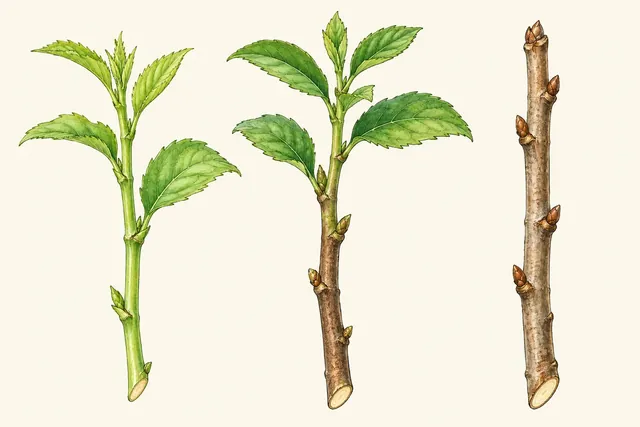
Free plants from the ones you already have. Which kind of cutting to take in each season, how long, where to cut, what compost to use — and the no-kit hardwood method for winter.
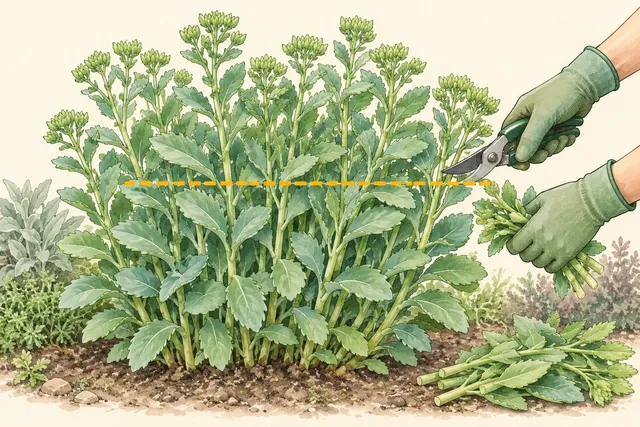
Cutting back some late-flowering perennials in late May makes them bushier, shorter and later to flower. Which plants to chop, how much, and how to stagger the display.
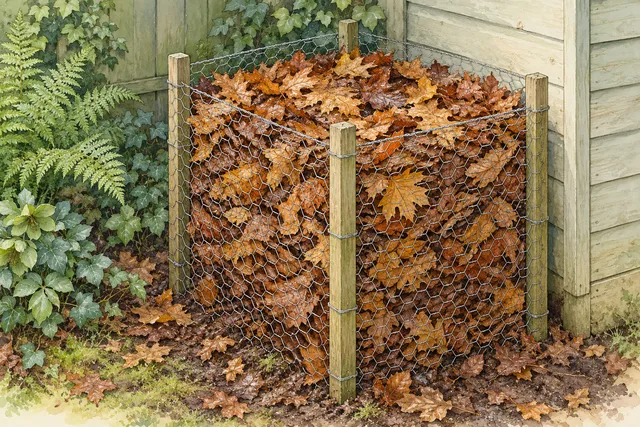
Autumn leaves, a wire cage, and patience. It costs nothing, needs almost no effort, and beats most bagged soil conditioner you can buy.
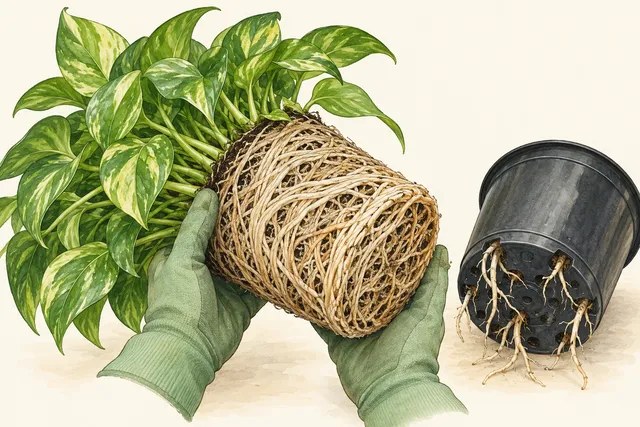
Most plants don't need repotting the day you get them home. Here's how to read the real signs, why bigger pots rot roots, and what to skip.
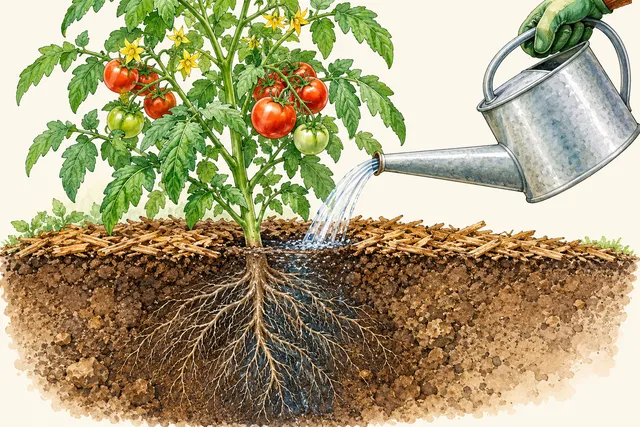
A practical late-July guide for UK growers: the jobs that actually keep your plot cropping, plus the fussy ones worth skipping to save time and money.
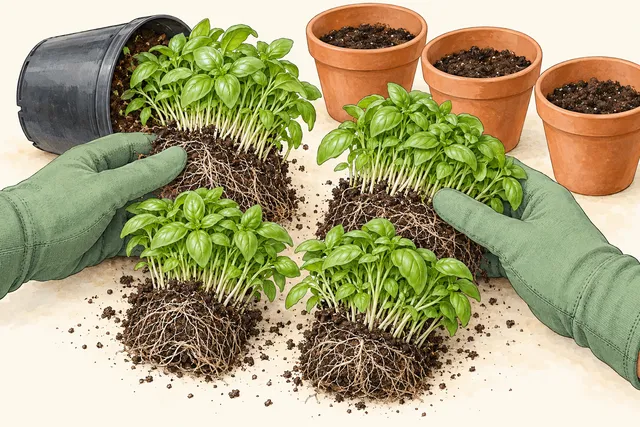
Supermarket pots collapsing? Coriander bolting? Here's the honest, RHS-checked fix for basil, coriander, mint and the Mediterranean herbs.