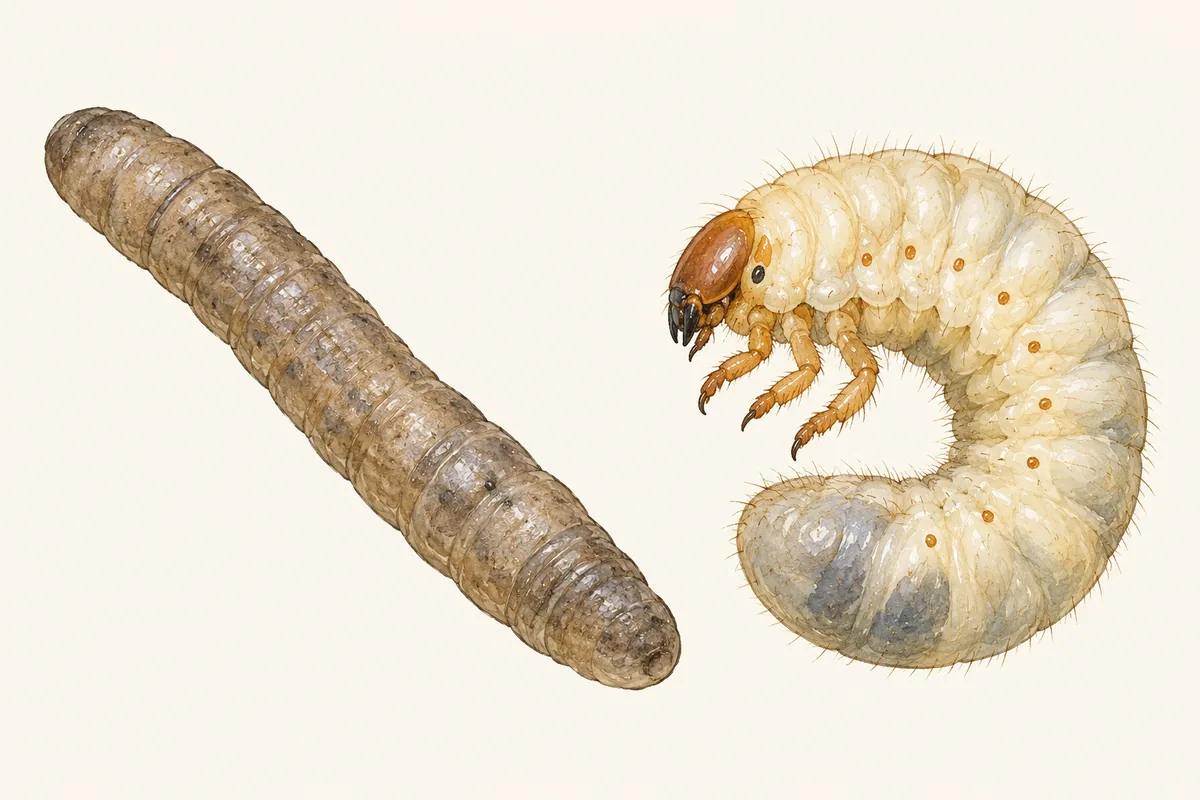
If birds are pecking holes in your lawn or something is rolling back the turf overnight, the culprit is usually underground: leatherjackets or chafer grubs feeding on the grass roots, and the birds, badgers or foxes are just after them. The good news is there's a biological control for both. The catch is that it only works in a narrow window — so first, check you've actually got grubs.
In pictures
-
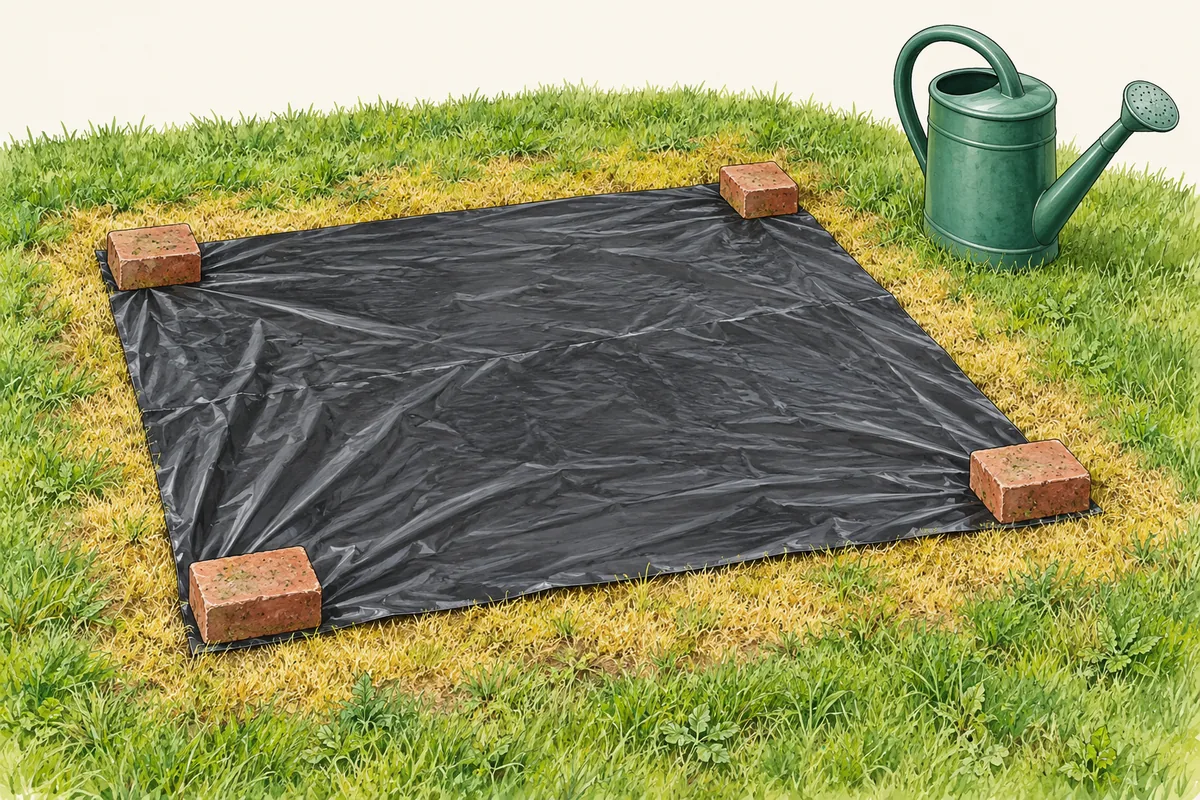
2The polythene test: soak a patch, cover it overnight, look for grubs in the morning. -
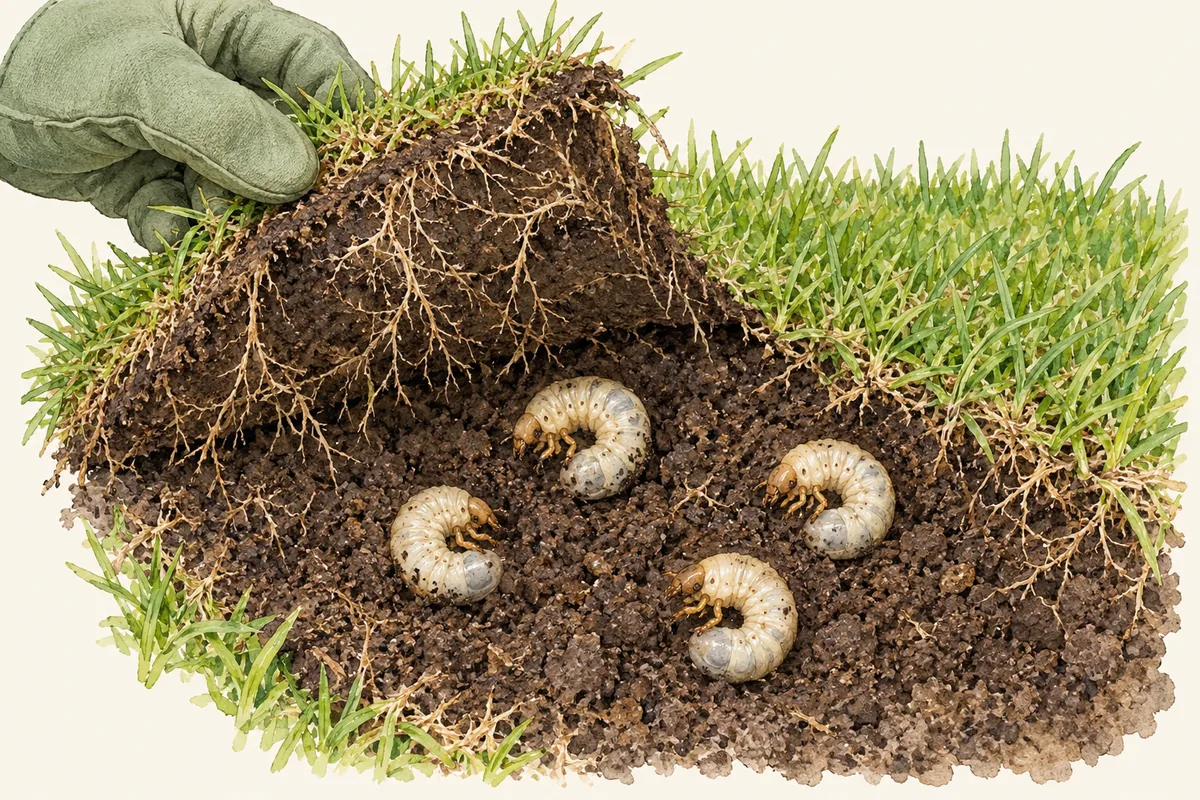
3Chafer grubs feed on grass roots in the top few centimetres. -
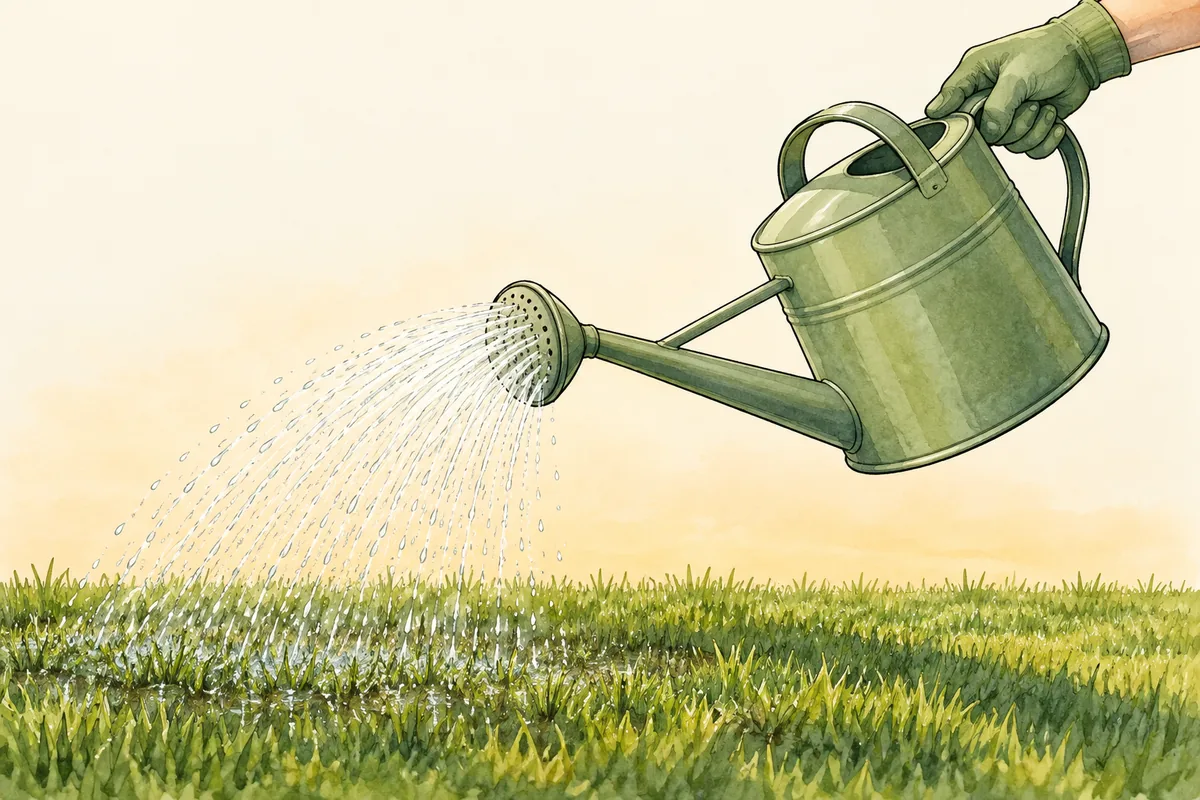
4Apply nematodes to moist soil, ideally in the evening.
01Which one have you got?
- Leatherjackets (crane fly, or "daddy-long-legs", larvae): up to 30mm long, greyish-brown, no obvious legs or head. Birds such as starlings, crows and magpies peck small round holes as they hunt them.
- Chafer grubs: C-shaped, creamy-white with a light-brown head and three pairs of legs, up to 18mm long. Crows, magpies, jays and rooks, and badgers and foxes, tear up the turf to get at them.
Both cause yellowing, browning patches of grass that lift easily because the roots have been eaten.
02Confirm before you spend anything
- For leatherjackets: soak a suspect patch, cover it overnight with black polythene, and look for grubs on the surface the next morning.
- For chafers: lift a small piece of turf at the edge of a damaged patch and look in the top few centimetres of soil.
A lot of crane flies in late summer doesn't necessarily mean a lot of larvae — dry weather when the eggs are laid reduces their survival.
03Nematodes: timing is everything
Nematodes are microscopic worms watered onto the lawn. They infect and kill the grubs.
For leatherjackets: use Steinernema feltiae or S. carpocapsae. Apply from September to early October, as soon as possible after buying. Soil needs to be at least 12°C and moist but well drained.
For chafer grubs: use Heterorhabditis bacteriophora. Apply from July to September. Soil needs to be between 12 and 20°C, and moist before and after application. Concentrate on the edges of affected areas.
04Step by step
- Water the lawn beforehand so the soil is moist.
- Mix the nematodes with water as the pack directs and apply with a watering can, ideally in the evening or on a dull day.
- Keep the soil moist for the following couple of weeks.
- Treat only where the grubs are. The RHS notes leatherjacket nematodes can affect other soil insects too.
05Repairing the damage
For chafer damage, re-seed or re-turf in mid to late spring, when the grubs have moved deeper into the soil to pupate. For leatherjacket damage, repair once the patch is clear of grubs. See fixing bare patches.
How we checked this
Every care and safety claim on this page is verified against horticultural and veterinary sources.
Sources: RHS — Leatherjackets · RHS — Chafer grubs in lawns
Checked 1 October 2026. If our advice ever conflicts with the RHS, believe them and tell us.