grow your own
35 entries tagged “grow your own”.
Eat the flesh on carving night, roast the seeds, compost the shell without the wax. Why it shouldn't go out for the hedgehogs, and why its seed may not give you the same pumpkin next year.
Blueberries need acid compost at pH 4.5–5.5. Grow them in ericaceous compost in a 30cm+ pot, water with rainwater, and plant two varieties for a bigger crop.
Early courgette flowers are mostly male and can't fruit. Wait for females with a baby fruit behind them, then hand-pollinate if insects are scarce.
Let them ripen fully, cut before frost with 10cm of stalk, then cure in the sun for 7–10 days. Store at 10–15°C, not touching, and most keep three months or more.
Green, black-spotted larvae hatch low in the middle of the bush and eat outwards unseen. Check the centre every few days from April and pick them off by hand.
Outdoors in the UK, only the pea-sized figs at the shoot tips ripen, a year later. Pick off the bigger green ones in autumn, protect the tiny ones over winter, and keep the roots cramped.
Fine mesh held clear of the leaves stops both butterflies and pigeons. Clubroot can't be cured: lime acid soil, raise plants in pots first, and grow resistant varieties where you can.
Chillies are frost-tender perennials. Bring them in before frost, cut back, water sparingly and keep them bright. They start cropping earlier next year, but it isn't always worth it.
Some dropped flowers are normal. Most failures come down to dry roots, hot nights, sparrows or unpicked pods. Misting the flowers doesn't help.
Store only late, unblemished fruit, picked just under-ripe with stalks on. Keep it cool (4–7°C), dark and airy, not touching, and check often. Ripen pears indoors.
Strawberry beds fade after three or four years. In late summer, root runners from healthy plants into small pots and start a new bed in fresh ground.
Most tomato faults are watering or weather, not disease, and no spray fixes them. Blight is the exception: act fast, bin it, and never compost it.
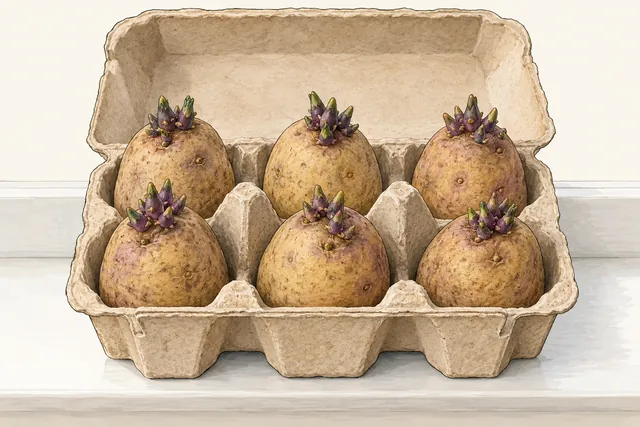
When chitting earns its windowsill space and when it doesn't, plus planting dates, depths and spacing for earlies and maincrops, earthing up, frost and growing in pots.
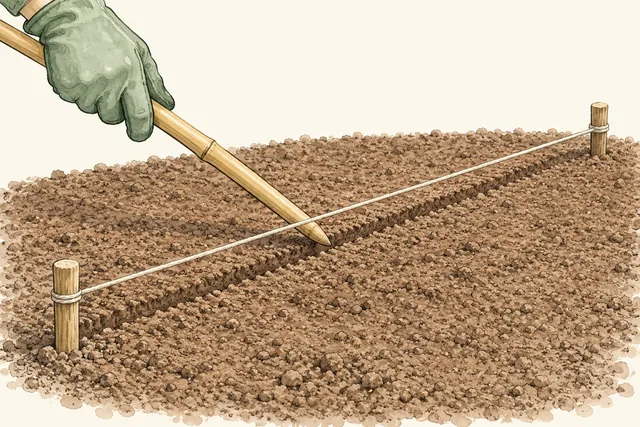
No pots, no windowsill, no compost bill. How to sow carrots, beetroot and salads straight into the soil: when it's warm enough, how deep, and how to thin.
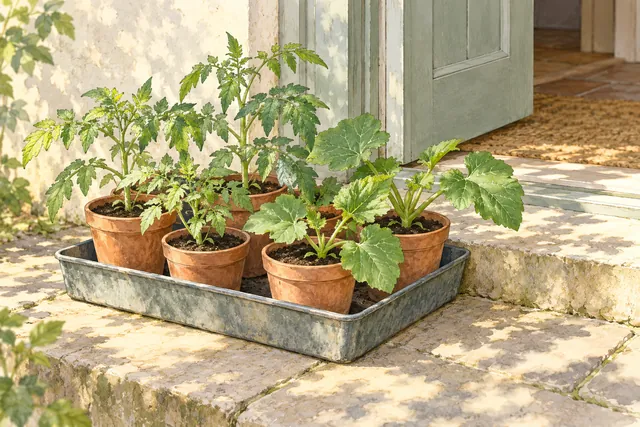
Seedlings raised indoors need two to three weeks to toughen up before they go in the ground. The schedule, the UK frost dates by region, and how to plant out properly.
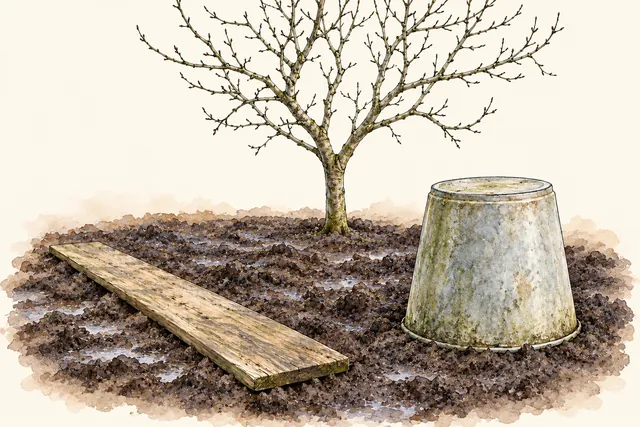
January's honest list for UK fruit and veg growers: prune apples, force rhubarb, plan and order. Plus the sowing and digging that should wait for warmer soil.
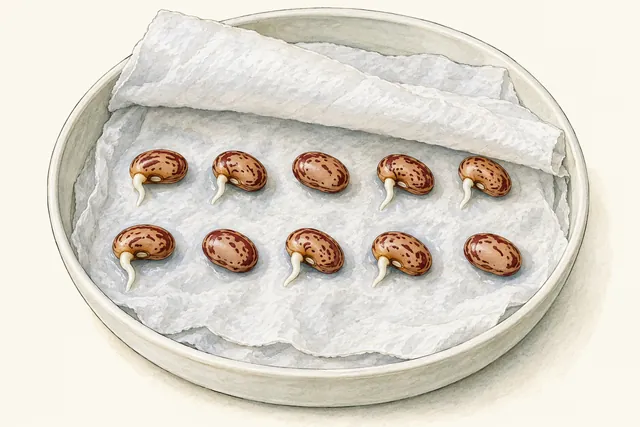
Before you order: which old seed is still good, how to test it on kitchen paper, what F1 and AGM really mean, and when a few plug plants beat a whole packet.
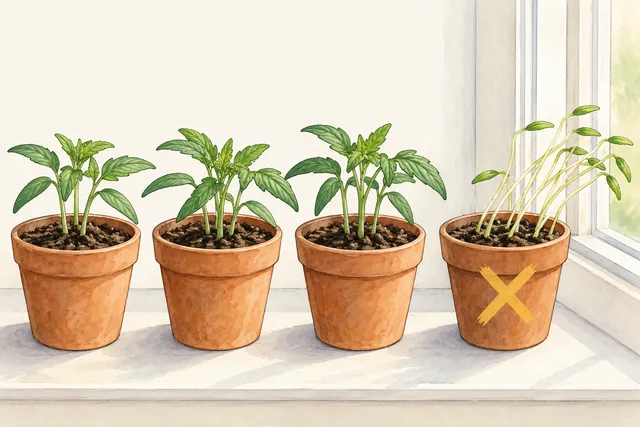
Which seeds genuinely need an early start with heat, which are better left until April or May, and how to avoid leggy seedlings and damping off on a UK windowsill.
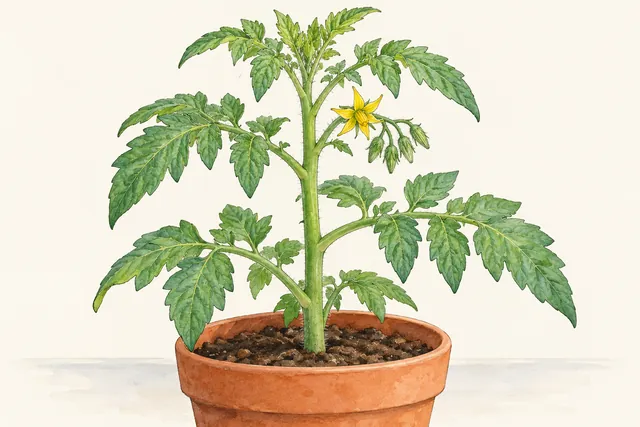
When to sow tomatoes in the UK, how warm to keep them, why you bury the stem when potting on, and when to plant out and start feeding — without sowing too early.
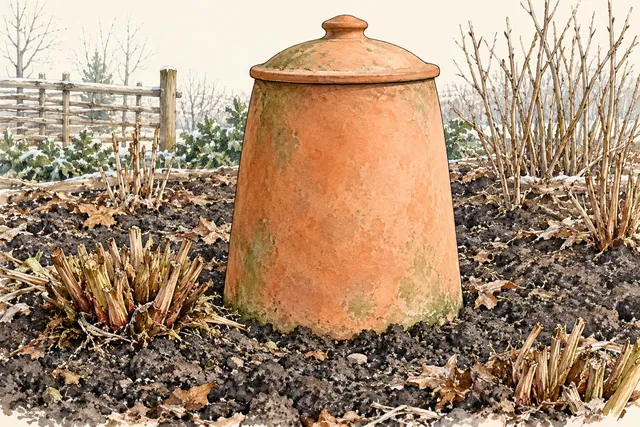
Cover a rhubarb crown in midwinter and you'll pull pale, sweet stems weeks ahead of the main crop. How to force without exhausting the plant, how to divide old crowns, and the harvesting rules.
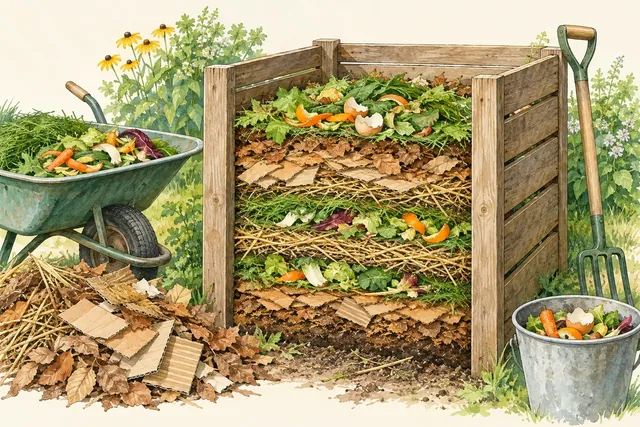
The greens-to-browns balance, what never goes in, how wet it should be, how long it takes — and why you don't need a compost accelerator.
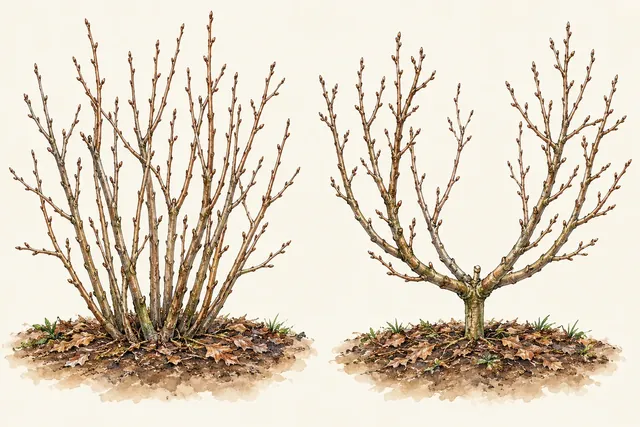
Blackcurrants fruit on young wood, so you cut old stems out at the base. Redcurrants and gooseberries fruit on spurs, so you keep a framework. Winter and summer pruning, explained.
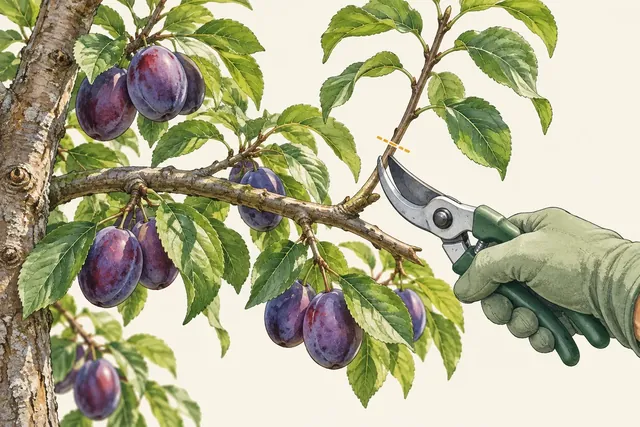
Stone fruit is pruned in spring and summer, not winter, to dodge silver leaf and bacterial canker. When to cut young and established trees, fans and acid cherries.
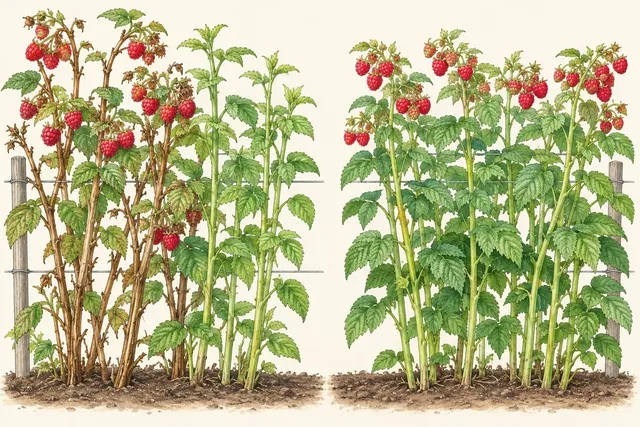
Summer raspberries are cut after picking; autumn raspberries are cut to the ground in February. How to tell which you have, and the double-crop trick.
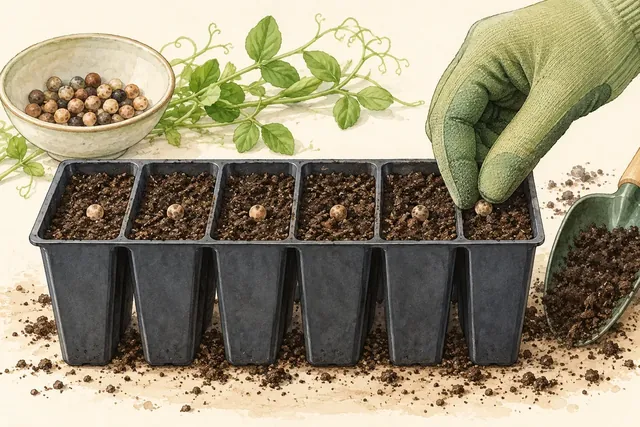
Sow sweet peas in October or November, overwinter them in a cold frame, pinch them out and plant in April. Whether to soak or chip the seed, and how to stop leggy seedlings.
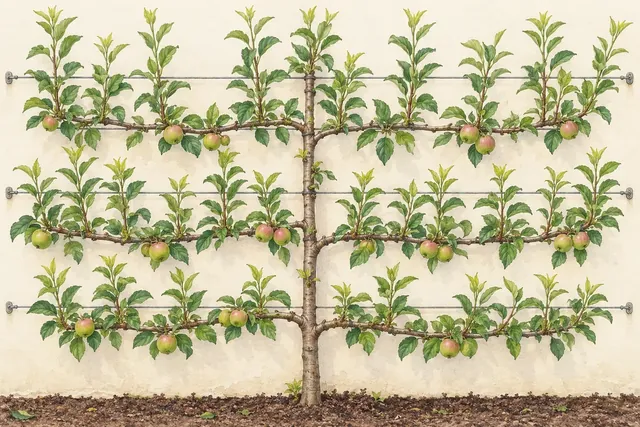
Trained apples and pears are shaped in summer, not winter. When the shoots are ready, what the 'basal cluster' is, and exactly where to cut — three leaves or one.
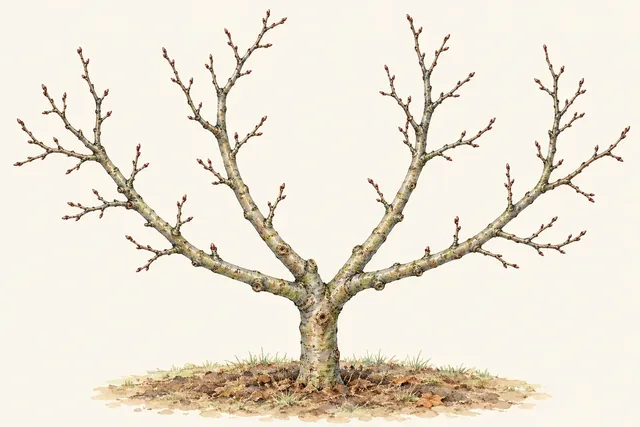
How to prune a free-standing apple or pear tree between November and early March — the order of cuts, the 10–20% limit, and why over-pruning gives you fewer apples.
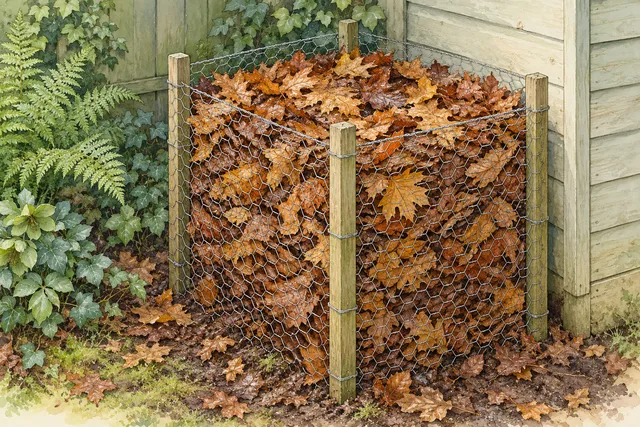
Autumn leaves, a wire cage, and patience. It costs nothing, needs almost no effort, and beats most bagged soil conditioner you can buy.
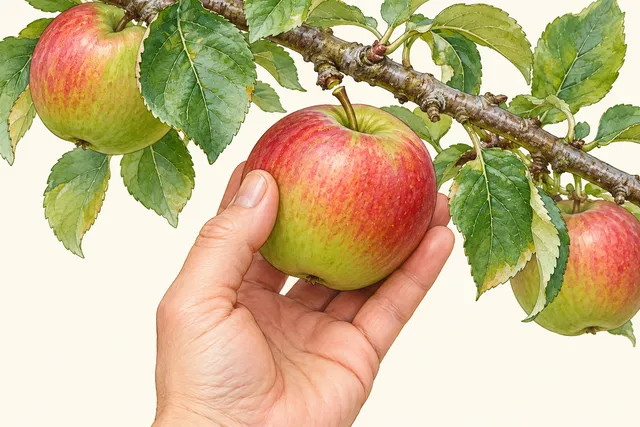
Your honest September checklist: plant spring bulbs now, ripen the last tomatoes, store apples, divide perennials and plan garlic — plus what can safely wait.
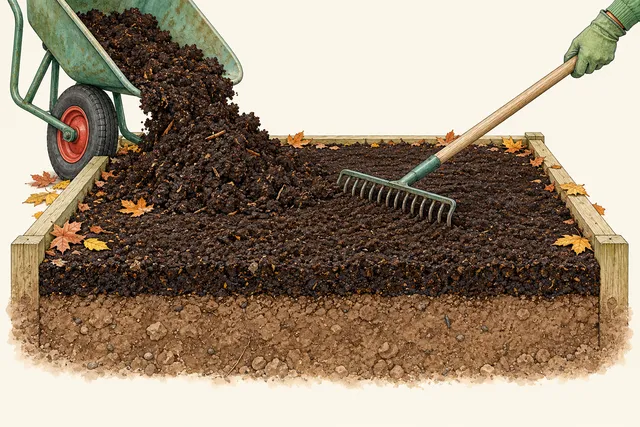
The honest autumn wind-down: clear spent crops, feed the soil instead of leaving it bare, skip the digging, and get garlic in the ground. Nine end-of-season jobs, in order.
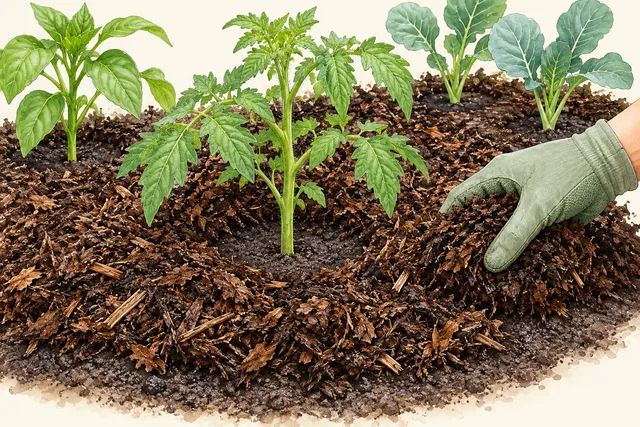
How to get vegetables, salads and herbs through a UK heatwave — when to water, what to mulch, why tomato flowers drop, and the kit you don't need.
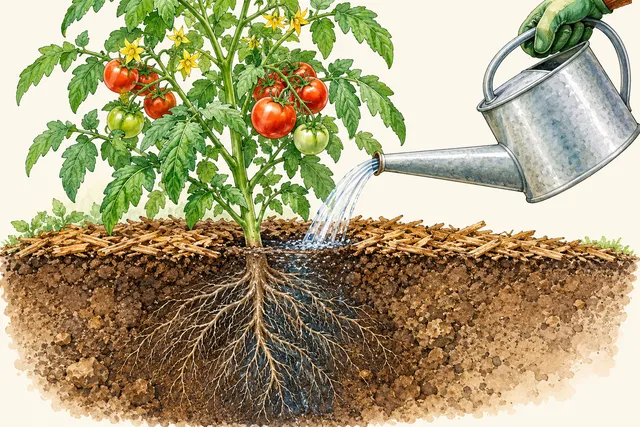
A practical late-July guide for UK growers: the jobs that actually keep your plot cropping, plus the fussy ones worth skipping to save time and money.
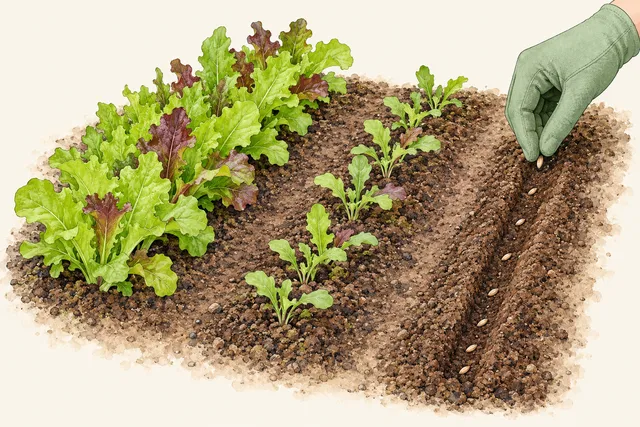
Late July and August still leave time for autumn and winter picking. What to sow now, what's honestly too late, and how to use the fading light.
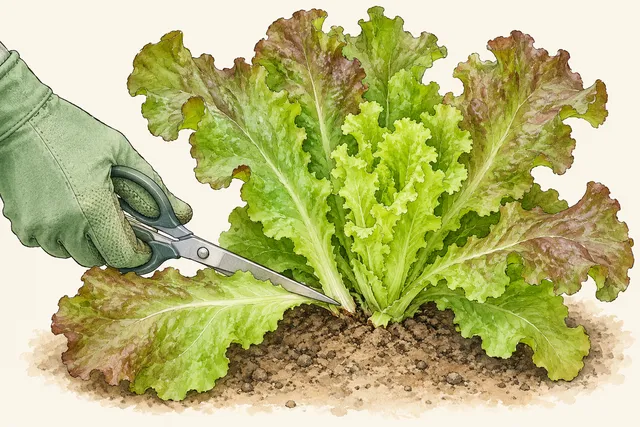
The secret to a longer harvest isn't more plants — it's picking little and often. A UK grower's guide to cropping veg and herbs so they keep giving.
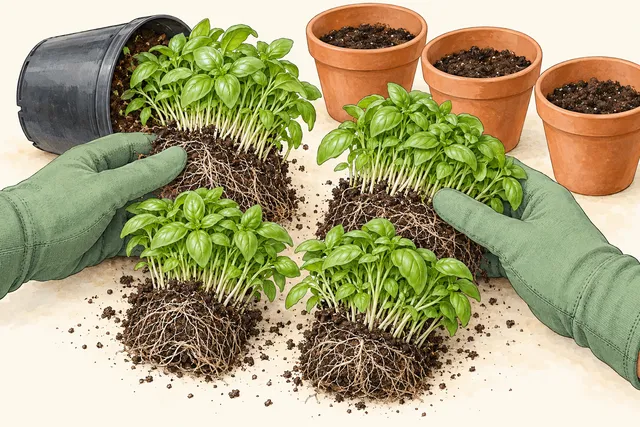
Supermarket pots collapsing? Coriander bolting? Here's the honest, RHS-checked fix for basil, coriander, mint and the Mediterranean herbs.