safety
13 entries tagged “safety”.
A heap of autumn prunings looks like a ready-made bed to a hedgehog. Build on the day, lift it with a broom handle, light from one side, and know what to do if someone's home.
Home-made autumn displays bring yew, hedgerow berries and gourds to toddler and dog height. What's genuinely dangerous, what's mild, and what to do if something gets eaten.
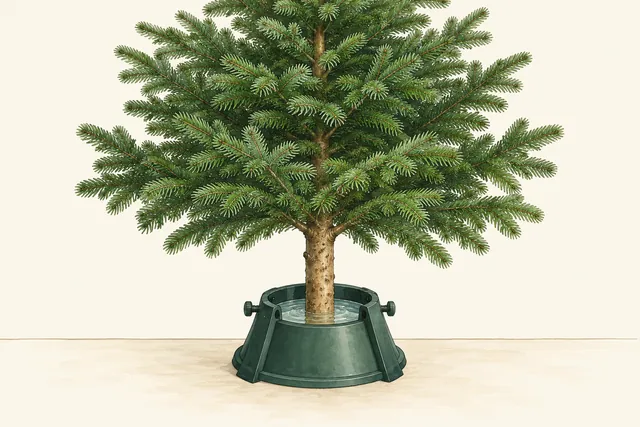
A fresh cut, plain water and a spot away from the radiator keep a real tree going. For pets the tree itself is a minor risk; the lilies, tinsel and chocolate are not.
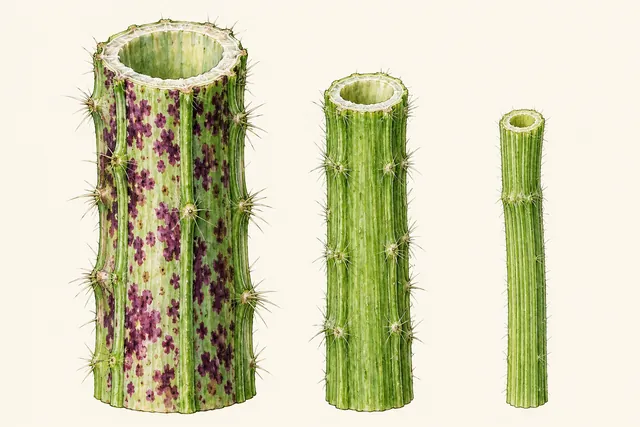
Giant hogweed sap plus sunlight can blister skin; euphorbia sap is a real risk to eyes. How to tell the plants apart, what the official advice says, and where gloves matter.
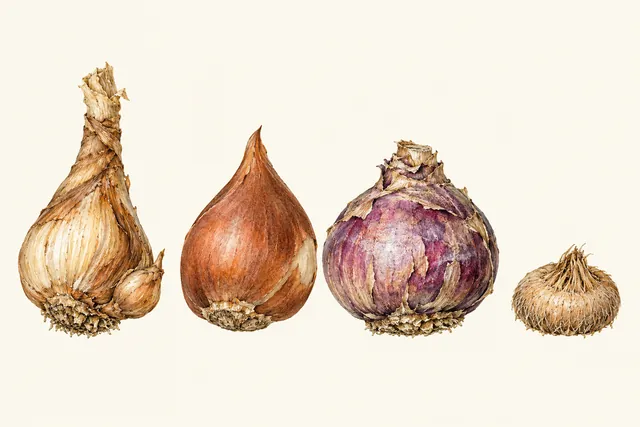
Most spring-bulb trouble is a chewed bulb or a drink of daffodil vase water, and most of it ends in an upset stomach. Here's which bulbs matter, and when to ring the vet.
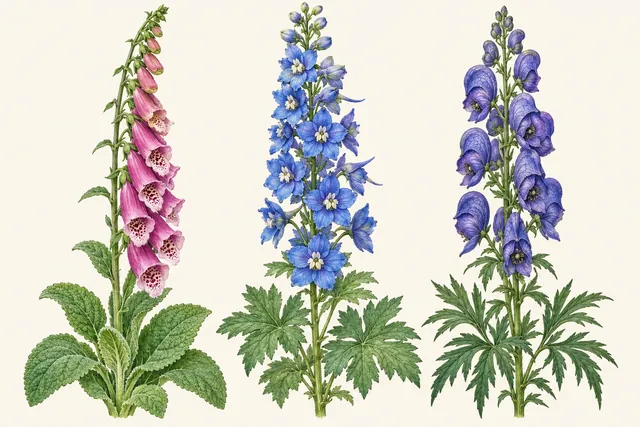
Seven classic border plants are properly poisonous, and you don't need to dig any of them up. Know which is which, wear gloves for monkshood, and mind the prunings.
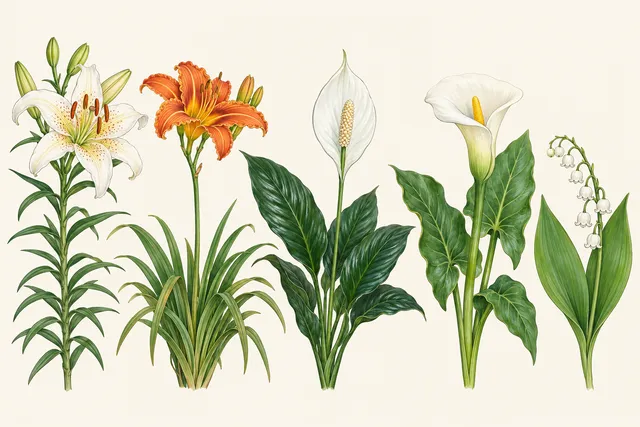
True lilies and daylilies cause fatal kidney failure in cats; peace and calla 'lilies' only sting. Know exactly which one you're holding.
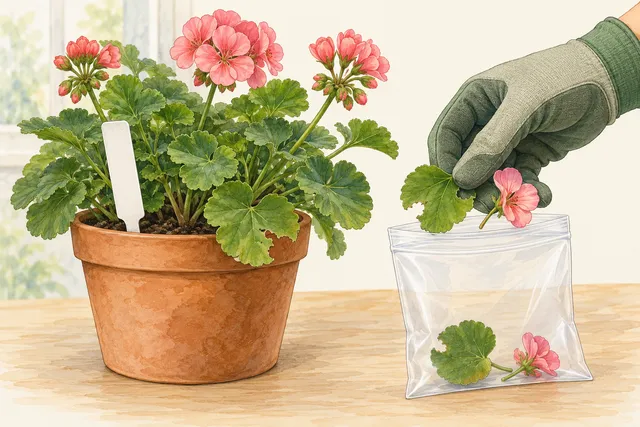
The first few minutes after a dog or cat eats a plant, done calmly. Identify it, don't wait with the dangerous ones, and get professional advice fast.
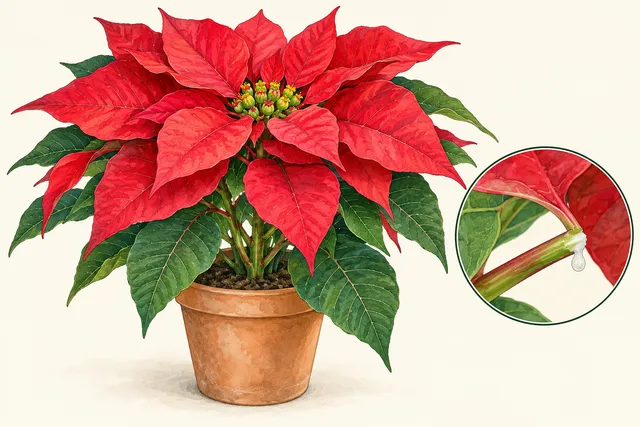
The poinsettia's deadly reputation is a century-old myth — it's only mildly toxic. Here's the reassurance, plus the festive plants that genuinely deserve caution.
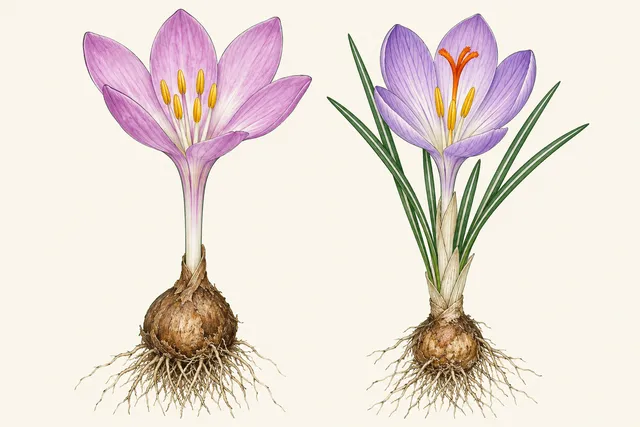
Conkers, dropped bulbs and the autumn tidy-up make September to November the UK garden's riskiest stretch for dogs, livestock and toddlers. Here's what actually matters.
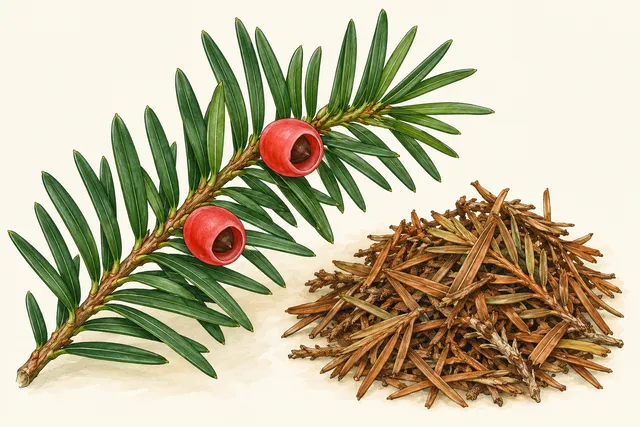
Drying changes plant poisons in opposite directions — it destroys some and concentrates others. Which prunings you can compost, which to bag, and which could kill a grazing horse.
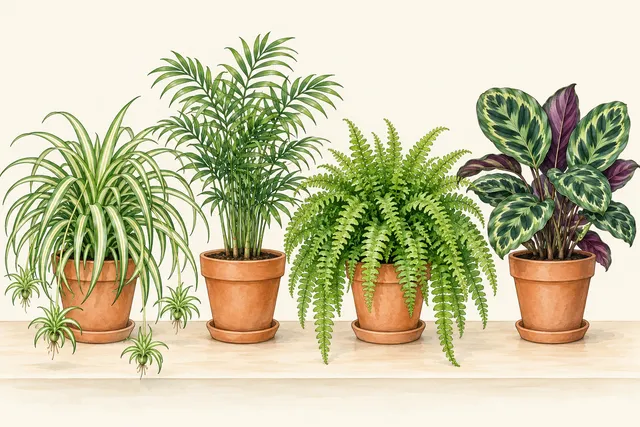
Seven houseplants we checked directly against the ASPCA database and can confirm are non-toxic to cats and dogs — plus the popular ones that aren't, and what 'non-toxic' really means.
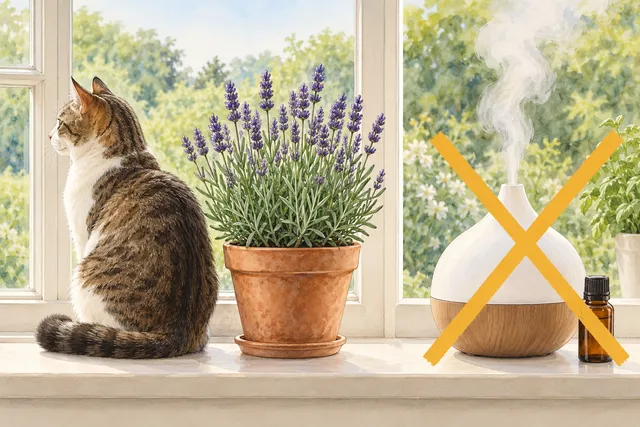
A lavender plant on the sill is low-risk near a cat. A lavender or tea-tree oil diffuser is a different story. Here's the distinction most guides miss — and why it matters.