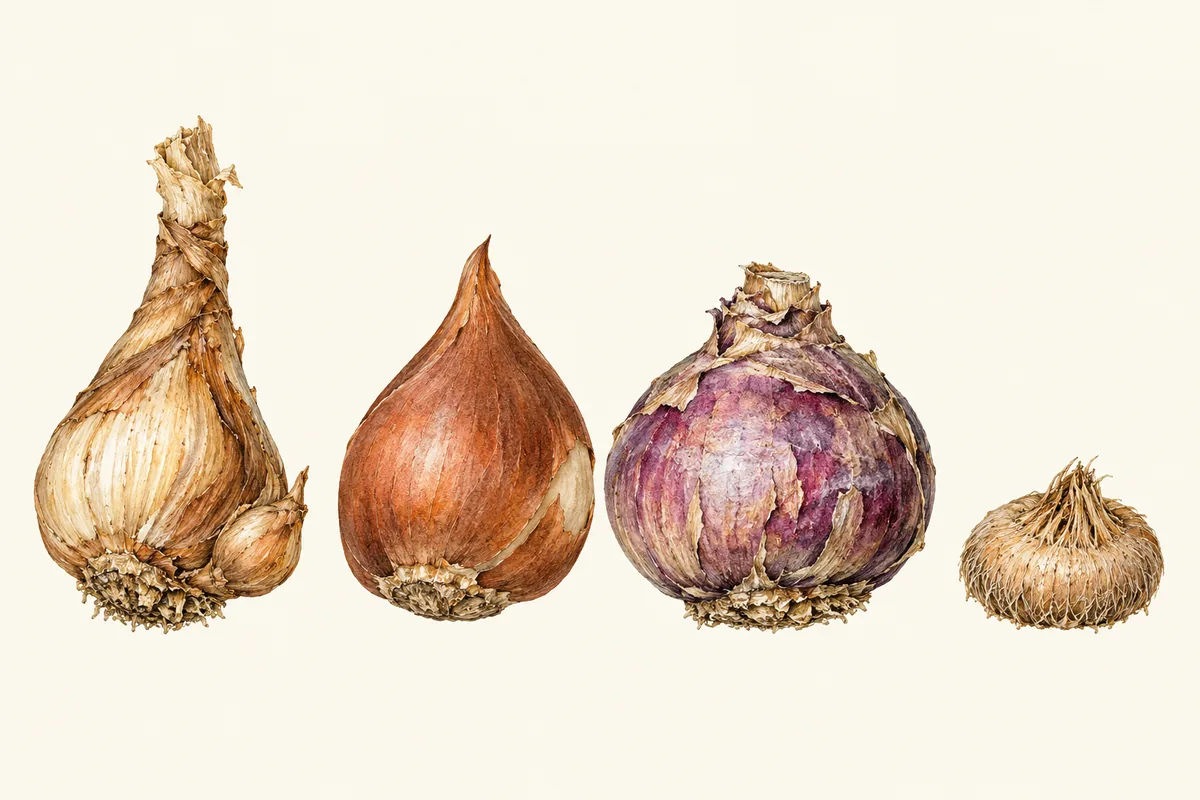
Spring bulbs are some of the commonest plants a dog or cat will meet, and most of them are toxic to pets if eaten. That sounds worse than it usually is. The typical case is a sick, dribbling, sorry-for-itself dog that recovers in a day or two. The serious signs follow large amounts, and the bulb is the most concentrated part.
So this is a guide to proportion: which bulbs matter, which part, by what route, and the point at which you stop reading and phone the vet.
In pictures
-
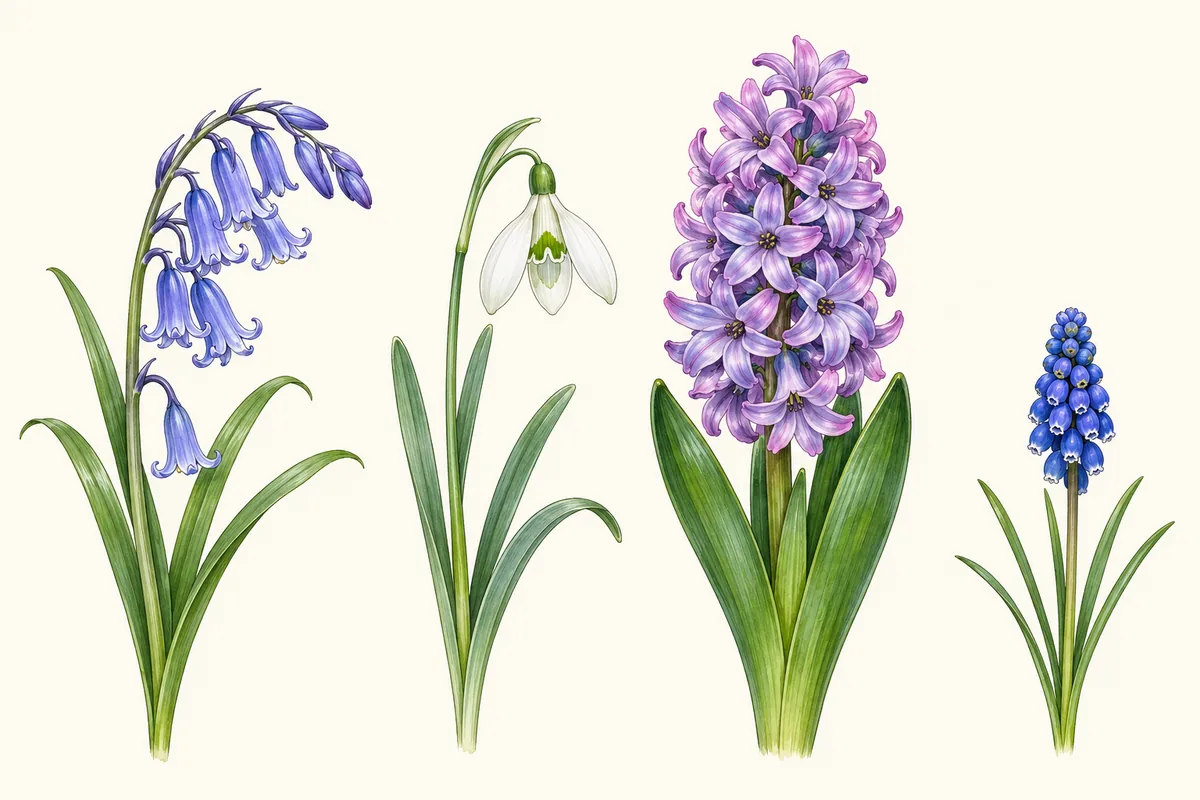
2Bluebell, snowdrop, hyacinth and grape hyacinth — hyacinth and grape hyacinth are different plants. -
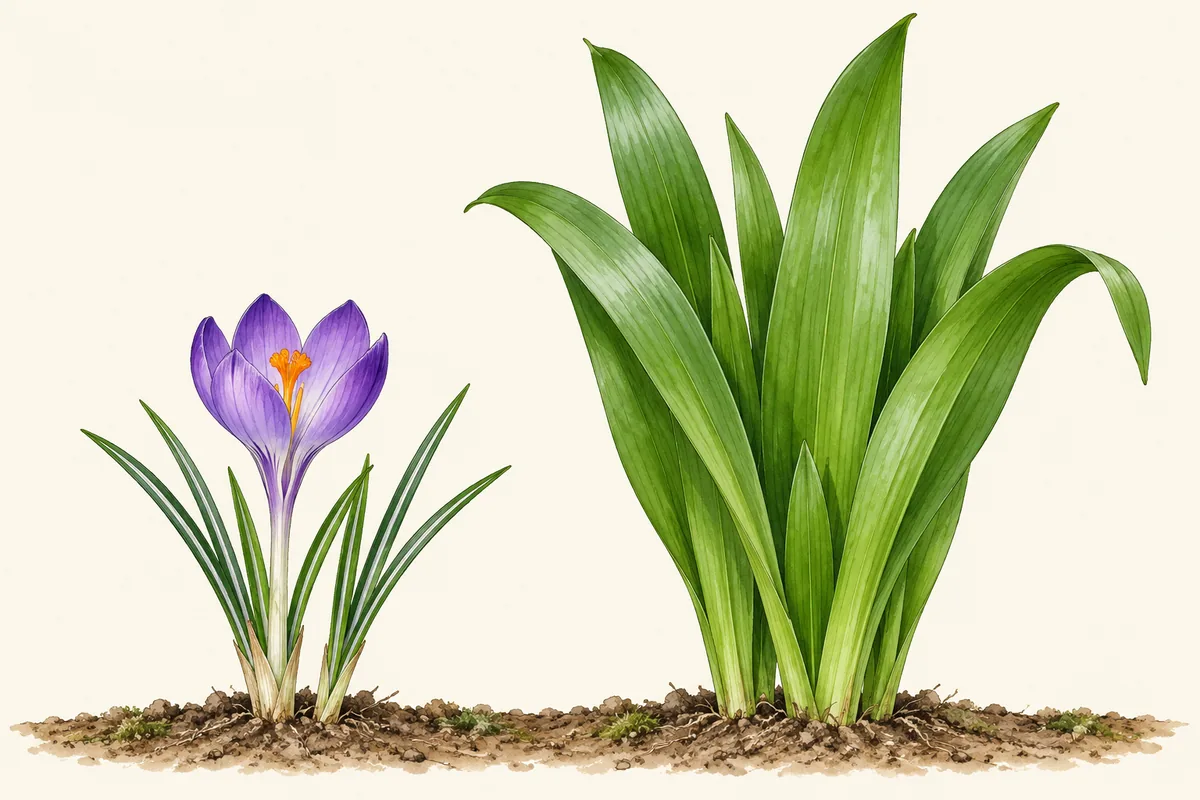
3Spring crocus in flower (left). Autumn crocus in spring is leaves only — broad and glossy (right). -
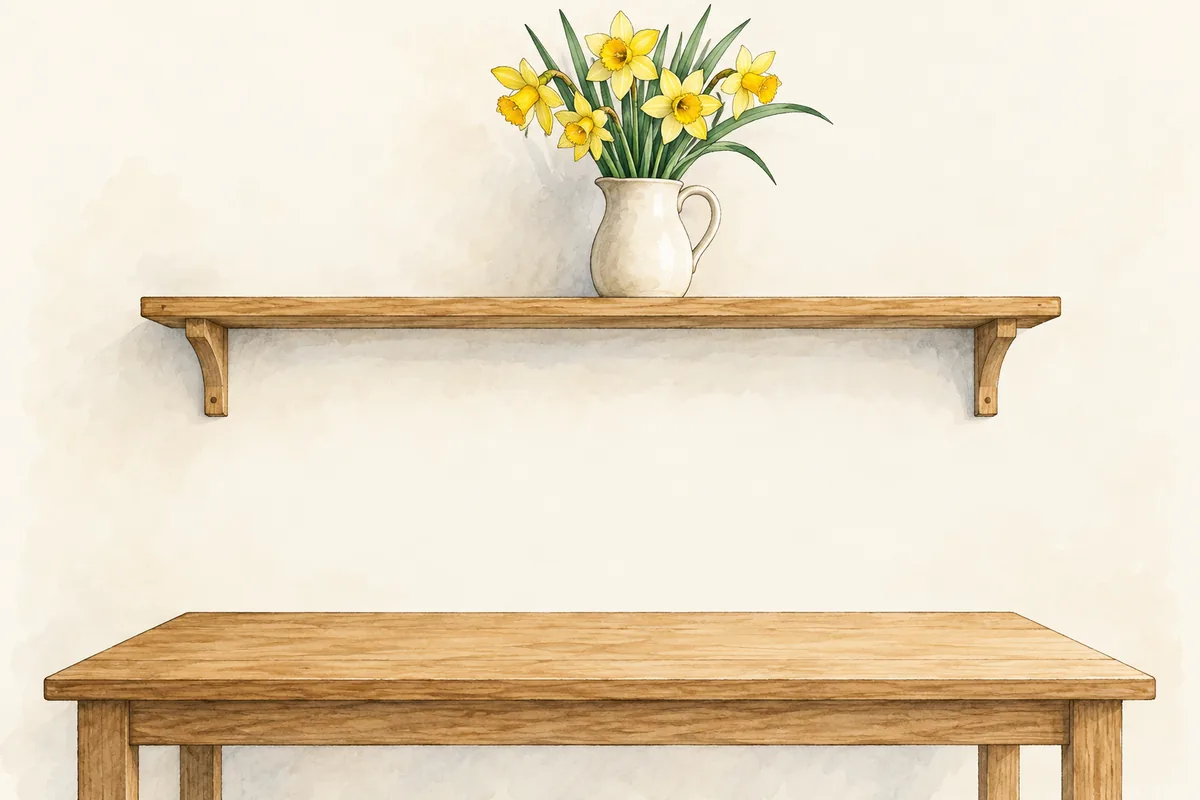
4Keep daffodil vases up high, out of a pet's reach.
01At a glance
- The part that matters: the bulb. It holds the highest concentration of toxin in daffodils, tulips and hyacinths.
- The three routes: a dug-up or stolen bulb, chewed flowers and leaves, and water drunk from a vase of daffodils.
- Usual signs: drooling, vomiting, diarrhoea, a sore stomach, lethargy.
- Who to ring: your vet, or the Animal PoisonLine on 01202 509000.
02Which bulbs, and how worried to be
- *Daffodil (Narcissus).* The one to take most seriously. All parts contain lycorine and other alkaloids, and the bulb is the most poisonous part. The ASPCA lists vomiting, drooling and diarrhoea, with tremors, low blood pressure, convulsions and heart-rhythm problems after large amounts. It is toxic to dogs, cats and horses.
- Tulip. Listed by the ASPCA as toxic to dogs, cats and horses. The irritant compounds are concentrated in the bulb. Expect drooling, vomiting and diarrhoea. The Royal Kennel Club says serious cases are rare.
- Hyacinth. We have no profile for hyacinth yet, so here is what the sources say. The ASPCA lists hyacinth as toxic to dogs, cats and horses, with intense vomiting, diarrhoea (occasionally with blood), depression and tremors. The RHS adds that the bulbs are a skin irritant for people, which is why gloves are suggested for planting.
- Bluebell. Toxic if eaten, all parts. Usually a stomach upset. In quantity the glycosides can affect heart rhythm, and Blue Cross warns that large amounts can be fatal.
- Snowdrop. Toxic if eaten, mainly the bulbs. Drooling, vomiting and diarrhoea. The usual risk is a pet digging them up.
- Crocus (spring crocus). Listed as toxic, but at the mild end: the Royal Kennel Club calls it low toxicity, likely to cause only a mild stomach upset.
- *Grape hyacinth (Muscari).* A different plant from hyacinth, and the exception here: the ASPCA lists it as non-toxic to cats, dogs and horses.
03The crocus that isn't a crocus
Autumn crocus (Colchicum) looks like a crocus and is not one. It flowers in autumn, usually before its leaves appear, and every part contains colchicine. Veterinary sources describe severe vomiting and diarrhoea, liver and kidney damage and bone marrow damage, and it can be fatal. That is a different order of problem from a spring crocus.
In February to April the crocuses in flower are the ordinary spring sort. But autumn crocus puts up its broad, glossy leaves in spring, with no flowers, and those are just as toxic. The distinction matters when you are telling a vet what was eaten. If there is any doubt which one it was, say so.
04How it actually happens
- The bulb is dug up or stolen. Newly planted beds, a net of bulbs left in the porch, a pot of forced hyacinths knocked off a windowsill. This is the route to take most seriously, because the bulb is the concentrated part.
- Flowers and leaves get chewed. Less concentrated than the bulb, but Blue Cross and the Royal Kennel Club both say dogs can be made ill by eating daffodil flowers.
- The vase water. Both charities warn that a dog can become unwell from drinking the water a bunch of daffodils has been standing in.
05What you'll see, and when it's an emergency
The Animal PoisonLine says signs of daffodil poisoning normally appear within two hours: vomiting, diarrhoea, abdominal pain, drooling and lethargy. Dogs and cats usually recover within 12 to 48 hours, and in its experience severe cases are rare. How bad it gets depends on which part was eaten and how much. Several bulbs is a problem.
Ring your vet or the Animal PoisonLine as soon as you know a bulb or a quantity of plant has been eaten. Don't wait for signs. Go straight to the vet if your pet is very sleepy, wobbly on its legs, collapsing or fitting, which the Royal Kennel Club lists as the signs of a daffodil case escalating.
Take the plant, bulb or label with you. Never try to make your pet sick. Our calm first-aid guide covers the first few minutes step by step.
06Precautions that cost nothing
- Store bulbs like food you don't want eaten. The RHS says to keep unplanted bulbs somewhere cool and dry. Make it somewhere shut: a shed shelf or a lidded box, never a bag on the floor.
- Plant at the proper depth. The RHS rule is three times the bulb's height. Firm the soil back down afterwards.
- Cover what you've just planted. Chicken wire laid over the surface, and lifted once the leaves come through, is the RHS method for squirrels. The PDSA recommends mesh over planted bulbs for the same reason: curious paws.
- Put the vase where the dog can't drink from it. Tip old daffodil water down the sink.
- Clear up after lifting or dividing. Bulbs left drying on the lawn are at nose height.
- Wash your hands after handling bulbs. Daffodil, tulip and hyacinth bulbs can all irritate skin.
07A word on cats
Cats Protection notes that most cats are wary of eating anything unusual, so plant poisoning in cats is rare. Daffodils and tulips are still toxic to them, and the same precautions apply. The spring bouquet that really matters for a cat is a different one: true lilies, where pollen or vase water alone can cause fatal kidney failure.
How we checked this
Every care and safety claim on this page is verified against horticultural and veterinary sources.
Sources: ASPCA — Daffodil · ASPCA — Tulip · ASPCA — Hyacinth · ASPCA — Grape hyacinth · ASPCA — Spring bulbs and your pet · Animal PoisonLine — Are daffodils poisonous to cats and dogs? · Blue Cross — Spring plants poisonous to dogs · Royal Kennel Club — Spring dangers for dogs · PDSA — Which plants are poisonous to pets? · Cats Protection — Plants poisonous to cats · Pet Poison Helpline — Crocus · RHS — Potentially harmful garden plants · RHS — How to grow bulbs · RHS — How to grow tulips · RHS — Colchicum
Checked 3 October 2026. This is general guidance, not veterinary advice — if in doubt, ring your vet or the Animal PoisonLine straight away.