Wildlife · Guide · 29 October 2026
Feeders back on: what to put out from 1 November
From 1 November seeds and peanuts go back out. Start with sunflower hearts, add peanuts in steel mesh and fat in a cage, put out small amounts, clean weekly.
Seeds and peanuts go back out from 1 November. Under the RSPB’s 2026 guidance, backed by the BTO, the full range of foods is fine until 30 April. Start with sunflower hearts in a hanging tube feeder, add peanuts in steel mesh and fat in a cage, put out only a day or two’s worth, and clean weekly.
That last part is not optional. The pause on seeds and peanuts exists because feeders spread disease, and switching them back on in November does not switch the disease off. If you are not going to clean, you are better off not feeding. We explain why in the 2026 feeding change.
Food by food
Sunflower hearts
If you buy one thing, buy this. Sunflower hearts are the husked kernel, so nothing is wasted and there is no pile of shells rotting under the feeder. The BTO notes they cost more but are eaten faster. In an ordinary tube feeder they bring in blue tits, great tits, coal tits, goldfinches, greenfinches and house sparrows. Chaffinches and dunnocks will usually work the spill underneath rather than cling on.
Mixed seed
Read the bag. The BTO says cheap mixes are heavy on cereals, which mainly feed sparrows and pigeons. Wheat, barley, split peas and dog biscuit get thrown out by the small birds and left to go mouldy on the ground. A better mix has little or no cereal.
Peanuts
Use peanuts only in a steel mesh feeder, never loose. The RSPB lists loose peanuts as something to avoid, and the long-standing reason is that whole nuts are a choking risk to chicks. The BTO advises buying good-quality peanuts in small amounts, keeping them cool and dry, and throwing out any that look mouldy, because peanuts can carry aflatoxin, a natural toxin. Look for nuts sold as aflatoxin-tested. Peanuts bring tits, nuthatches and great spotted woodpeckers.
Nyjer
Nyjer is a tiny, oily seed for fine-billed birds like goldfinches, and the BTO says it needs a specially adapted feeder. It goes stale quickly if it gets damp, and goldfinches now take sunflower hearts perfectly happily. We would skip nyjer unless you already have the feeder.
Suet and fat balls
These are fine all year in small amounts, so they may already be out. In winter they are a good way to bring in long-tailed tits and starlings. Take fat balls out of any nylon net first. The RSPB says never put food out in nylon mesh bags, because birds catch their feet in them and woodpeckers can catch their barbed tongues. Use a metal cage instead. The RSPB also says suet can stay out for up to seven days. Skip cooked food, which the RSPB says attracts rats.
Mealworms
Offer a small amount, dried or live, all year. Robins, blackbirds and wrens take them. The RSPB says to clear any left over by dusk, partly so hedgehogs don’t eat them. Finches, the birds trichomonosis hits hardest, rarely take mealworms.
Water
Water matters as much as food, and only if you change it every day. See bird baths in winter.
Never put out
- Salted food, including salted or dry-roasted nuts. The RSPB says salt dehydrates birds.
- Bread, milk and desiccated coconut. All three are on the Garden Wildlife Health never-offer list that our feeding guide follows. The RSPB adds that in spring and summer chicks can choke on bread carried back to the nest.
- Anything in a nylon mesh bag.
- Loose whole peanuts.
- Cooked food and kitchen scraps. They attract rats (see rats under the bird feeder).
How much, and how to start small
Nobody official gives you a number of grams, and we won’t invent one. What the RSPB and BTO both say is to feed to demand. Put out an amount that is gone within a day or two. That is the RSPB’s limit for seeds and peanuts, and the BTO says to remove uneaten food after 24 to 48 hours. Never top up on top of old food.
In practice, start in November with one tube of sunflower hearts filled about a quarter of the way. See how long it lasts. If it empties in a morning, add a little more. If seed is still sitting there two days later, cut back. Birds take a while to find a new feeder, so expect a quiet first week or two. Add a peanut feeder or a fat cage only once you can keep up with cleaning the first one.
Which feeder for which food
| Food | Feeder | Brings |
|---|---|---|
| Sunflower hearts, mixed seed | Hanging tube seed feeder with ports | Tits, finches, sparrows |
| Peanuts | Hanging steel mesh feeder | Tits, nuthatch, woodpecker |
| Fat balls, suet | Hanging wide metal mesh cage | Tits, starlings, sparrows |
| Nyjer | Specialist feeder with very small slits | Goldfinch |
| Mealworms | Small dish or mealworm feeder, cleared by dusk | Robin, blackbird, wren |
Whatever the food, choose a feeder that hangs, comes apart without tools so you can clean it, keeps the rain out, and drains. The RSPB asks for all of those.
Do not use a bird table, a window feeder, a seed tray, or a feeder with a tray underneath. The RSPB and BTO now advise against flat surfaces, because contaminated food collects on them and sick birds tend to sit and regurgitate there. The RHS says to retire them.
Hang feeders somewhere quiet, near cover but not so close that a cat can reach them. Keep them out from under trees where birds roost, so droppings don’t land in the food. If you want to stop squirrels, see squirrel-proof bird feeders.
The condition: clean weekly, move weekly
The RSPB, BTO and RHS all agree on the routine.
- Clean feeders and baths at least once a week, with hot soapy water and then a disinfectant.
- Rinse thoroughly and let everything dry before refilling.
- Move feeders to a new spot every week, and sweep up underneath.
- Change bath water daily.
- If you see several sick birds — fluffed up, lethargic, with a wet or messy bill — stop feeding for a month (the RSPB’s current advice; the BTO’s minimum is two weeks) and report it to Garden Wildlife Health. Our cleaning guide has the full routine.
The full routine, with what to use and what not to buy, is in cleaning bird feeders.
Bird flu, as of 29 October 2026
We checked GOV.UK’s Bird flu: latest situation in England page today. It was last updated on 21 October 2026. It records one confirmed case in England this season: H5N1 in commercial poultry near Belford, Northumberland, on 19 October. There is also one case in Scotland, and Great Britain has lost its disease-free status. GOV.UK rates the risk of bird flu in wild birds as medium. The page does not list an Avian Influenza Prevention Zone in force; the last one was lifted on 4 June 2026.
GOV.UK’s advice to the public has not changed. You can feed wild birds. Wash your hands with soap and water afterwards, keep feeders and baths clean, and stay away from places where poultry are kept. Do not touch or pick up sick or dead wild birds; report them using the GOV.UK page. Autumn is when restrictions tend to come back, so check that page if you read this after November.
The garden does it too
Feeders are not the only winter food. Seedheads left standing feed finches. Rose hips left on the plant feed greenfinches and thrushes. Windfall apples feed blackbirds and redwings. Lavender left uncut gives goldfinches something to pick over. None of these food sources collects saliva on a shared port. See also berries for birds.
The honest bit
The dates, the flat-feeder rule and the weekly routine come straight from the RSPB and BTO, and the RHS has adopted them. The seasonal pause itself is a precautionary judgement. The BTO says plainly that “the evidence base is not complete”. There are no official quantities, so our “quarter of a tube” is a starting point, not a rule. The bird flu position is as of today and can change within a week.
Feeders worth buying
Three hanging feeders cover every food on the open-window list. Buy for how easily it comes apart, not for how it looks.
What makes a good one
- Hangs: no tray, no flat base, no tray add-on. The RSPB now advises against bird tables, window feeders and feeders with trays. source
- Comes apart completely so you can scrub the bottom of the tube, where wet seed collects. source
- Easy to take apart and clean, keeps rain out and drains well. source
- Peanuts only in a steel-mesh feeder, never loose or in a nylon net. source
Products checked on Amazon UK on 29 October 2026. We show no prices because they change daily — check before you buy. Nothing in the "save your money" tier is linked. How our recommendations work
How we checked this
- RSPB: Our latest guidance on feeding garden birds (Feed Safely, Feed Seasonally), dated 24 July 2026
- RSPB: All about bird feeding
- RSPB: Open a bird cafe
- RSPB: Keep your garden birds healthy
- BTO: Feeding garden birds
- BTO: Seasonal advice for feeding garden birds — frequently asked questions
- BTO: Good hygiene practice
- RHS: Stop filling your feeders this summer to protect birds (11 May 2026)
- GOV.UK: Bird flu (avian influenza): latest situation in England, updated 21 October 2026
- GOV.UK: Avian Influenza Prevention Zone lifts as risk reduces (4 June 2026)
Checked against the sources above and reviewed on 30 October 2026. We report what these organisations say; if our page and theirs ever disagree, believe them — and tell us.
On this site
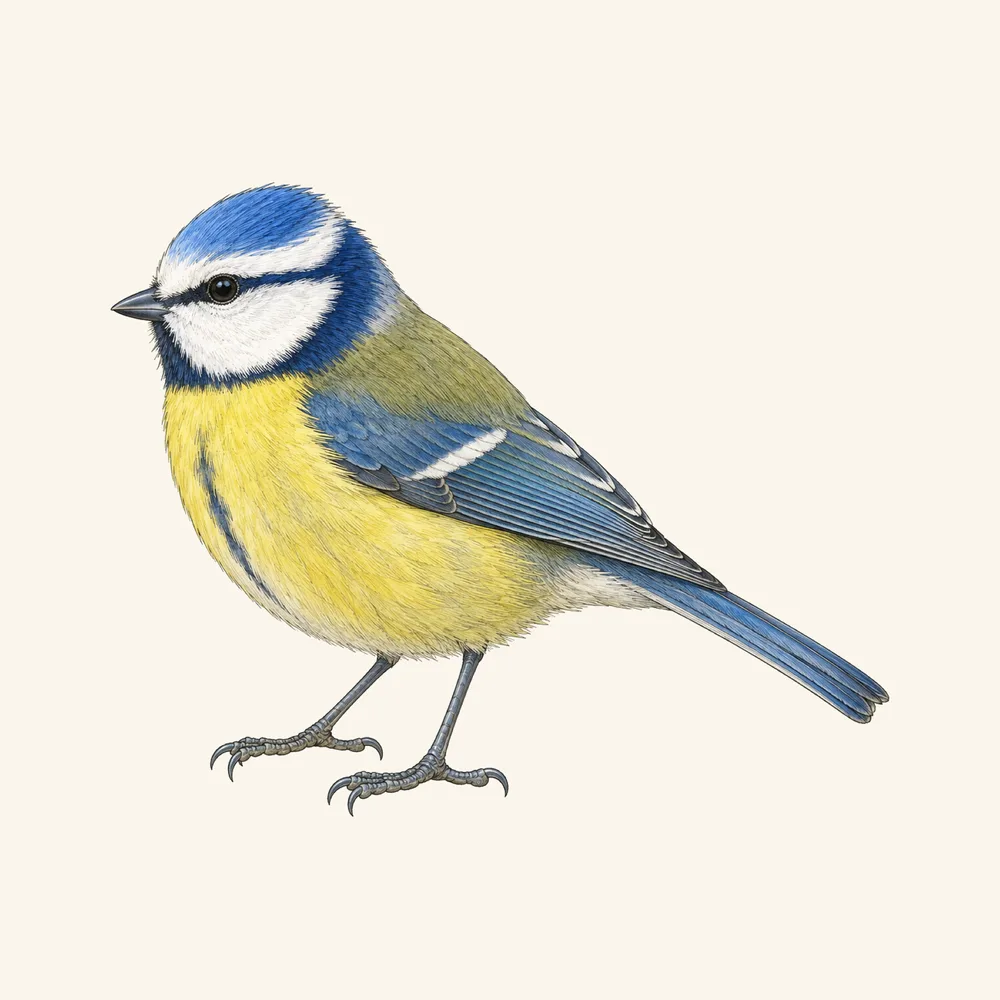 Blue TitCyanistes caeruleus
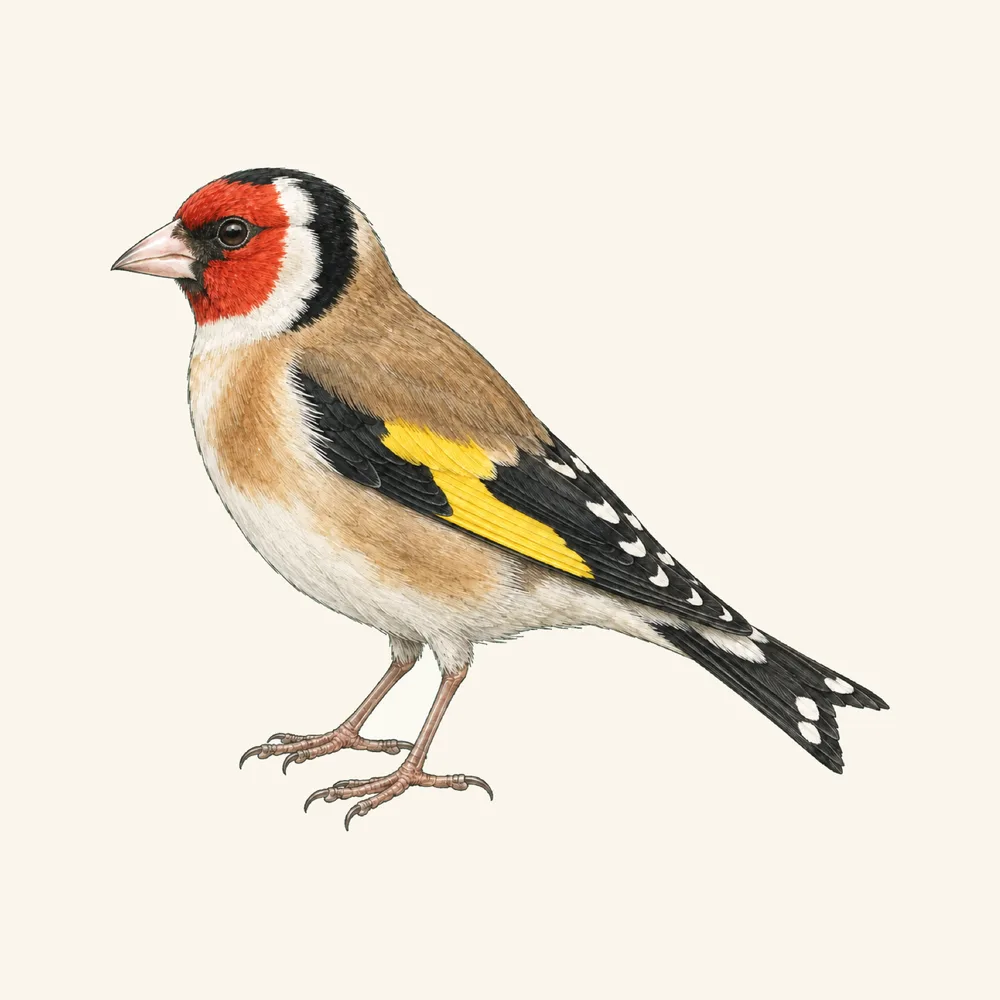 GoldfinchCarduelis carduelis
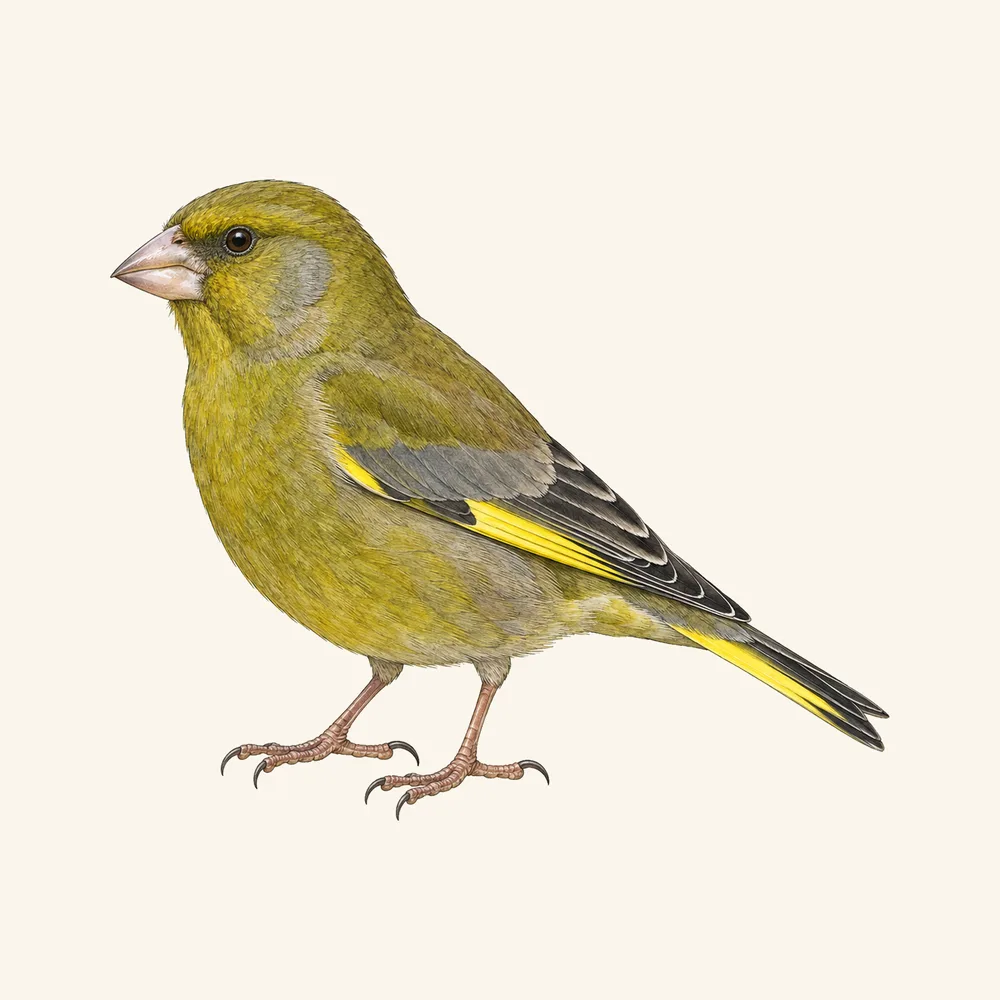 GreenfinchChloris chloris
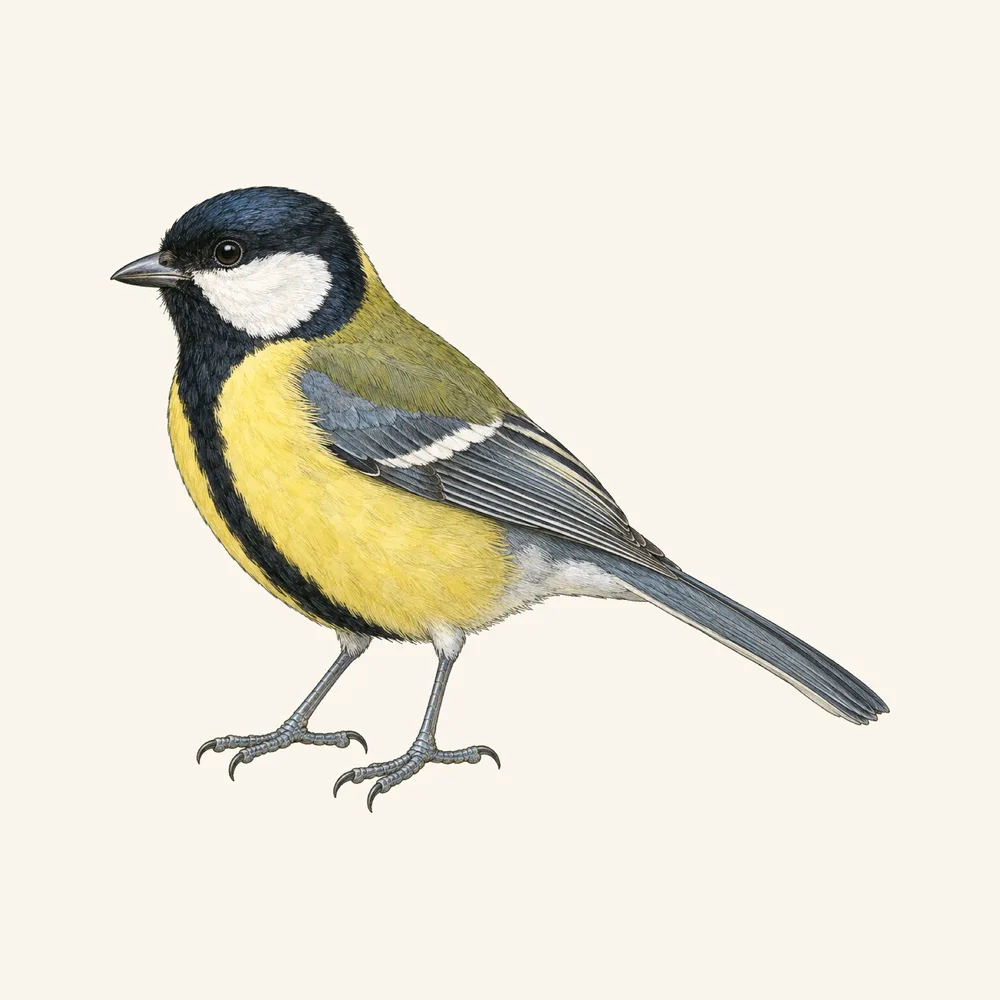 Great TitParus major
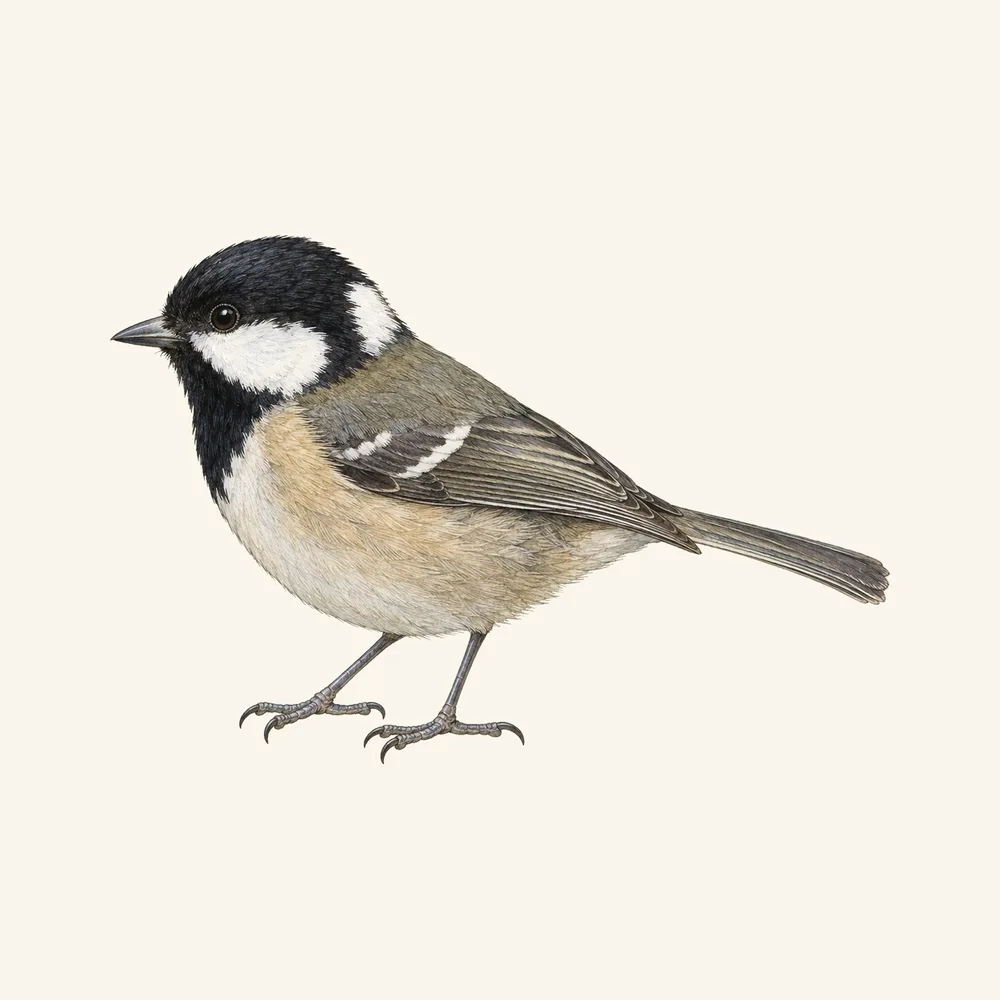 Coal TitPeriparus ater
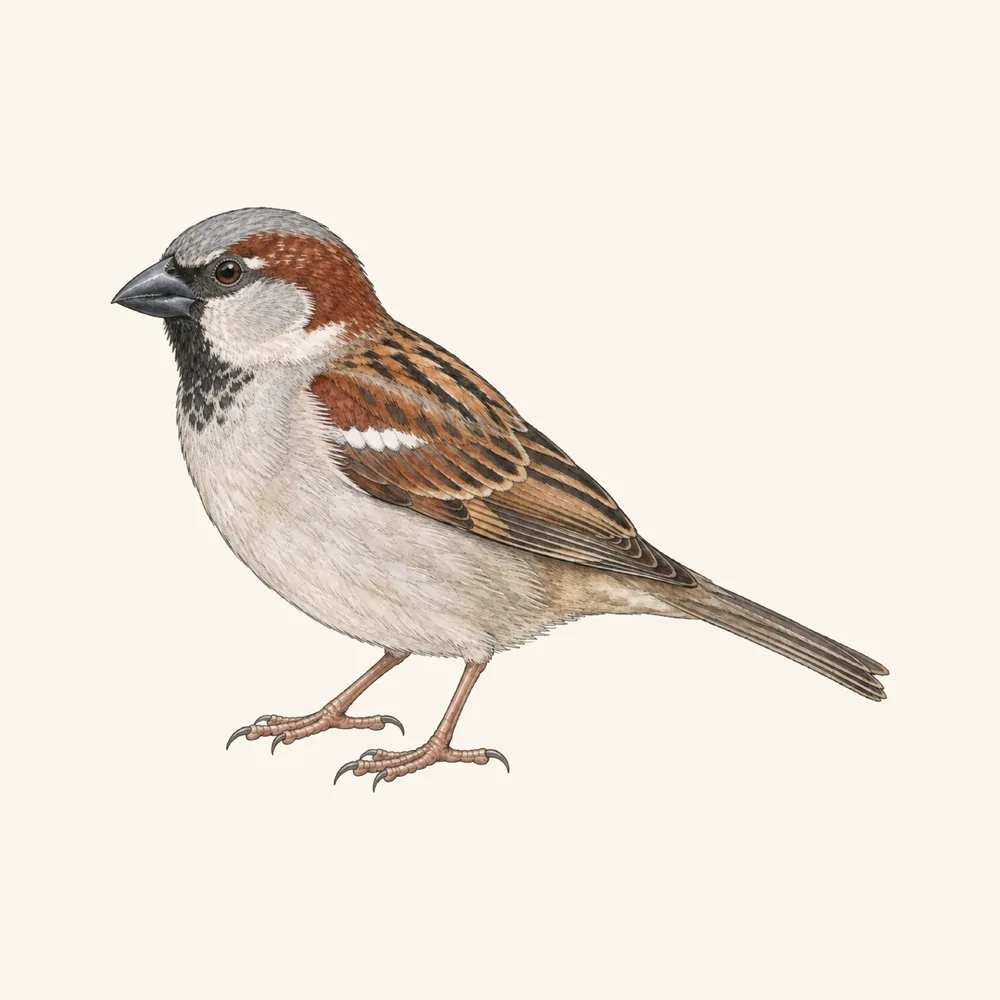 House SparrowPasser domesticus
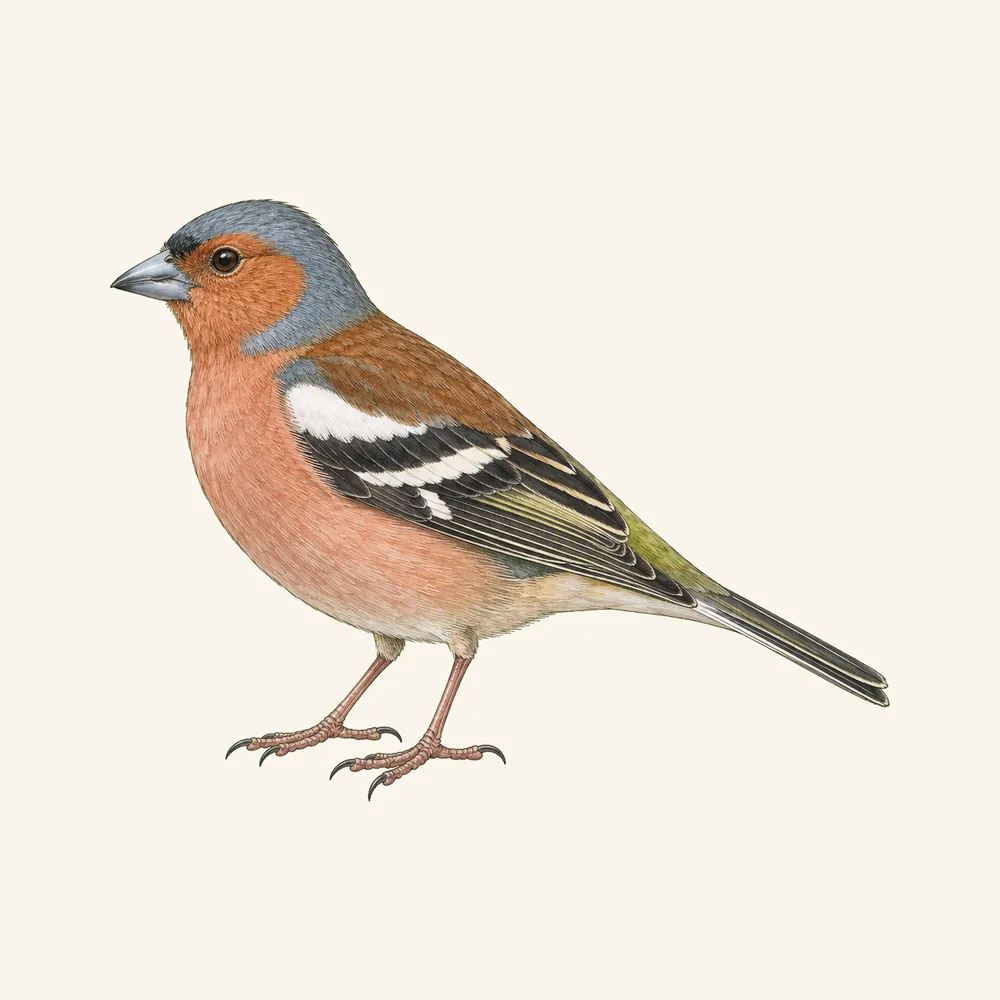 ChaffinchFringilla coelebs
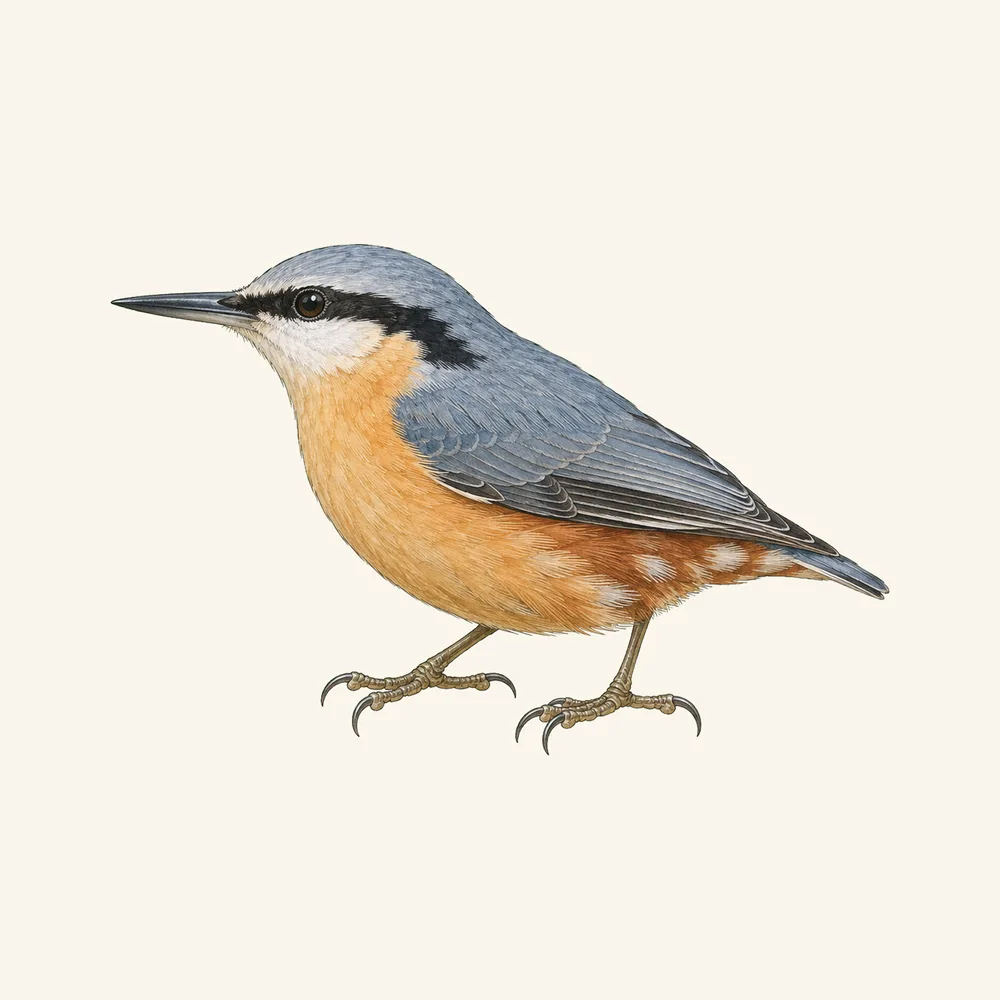 NuthatchSitta europaea
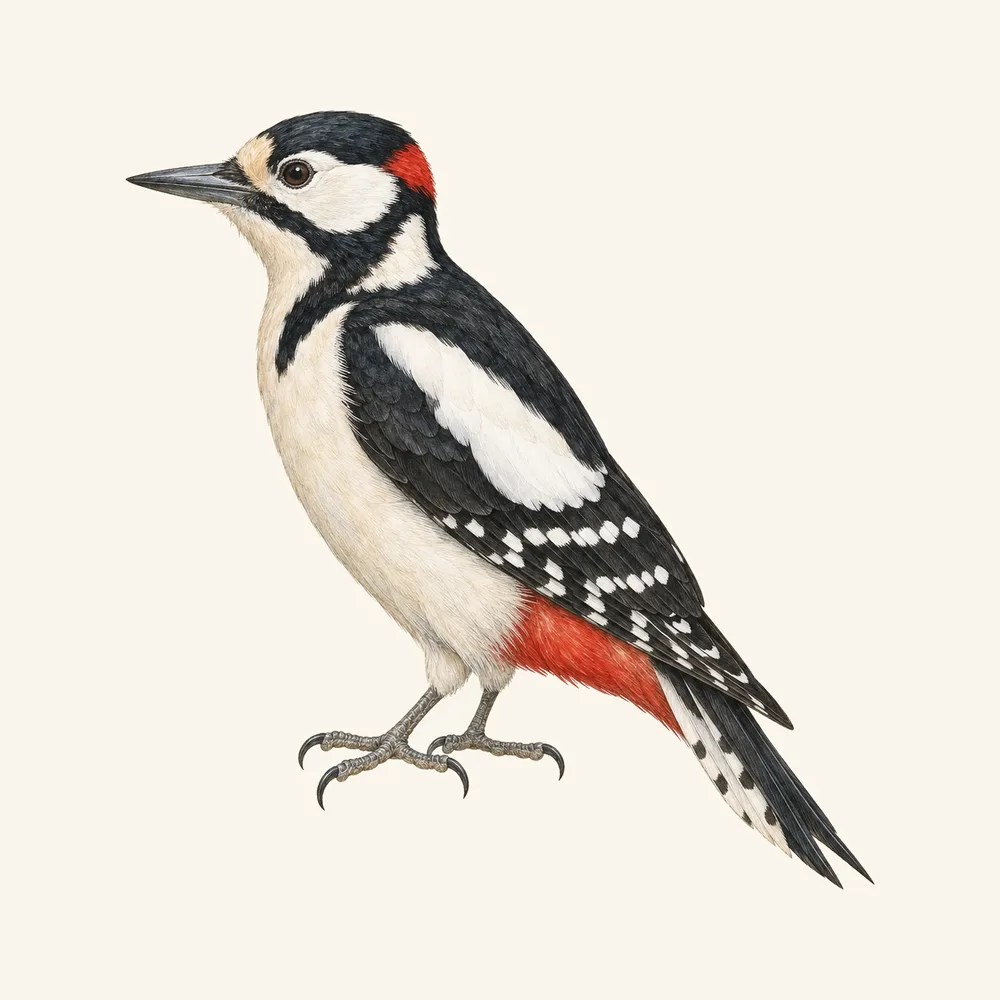 Great Spotted WoodpeckerDendrocopos major
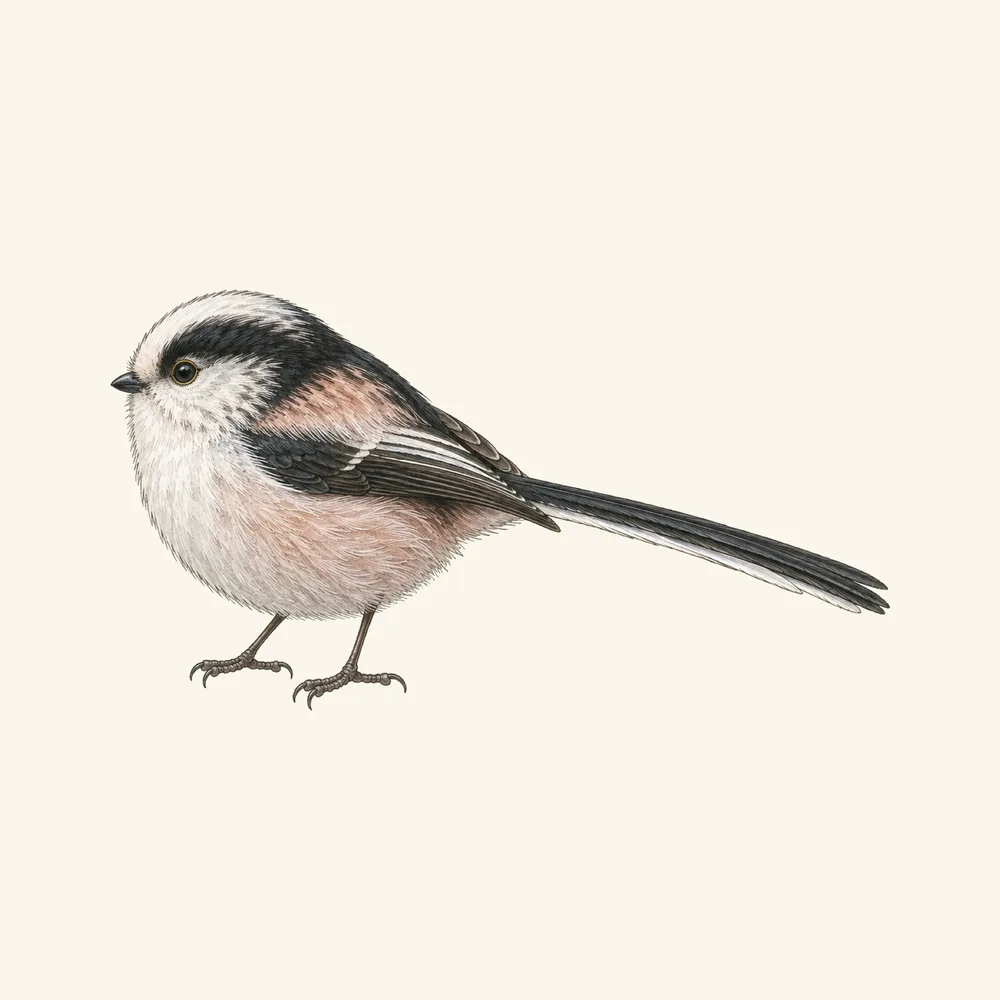 Long-tailed TitAegithalos caudatus
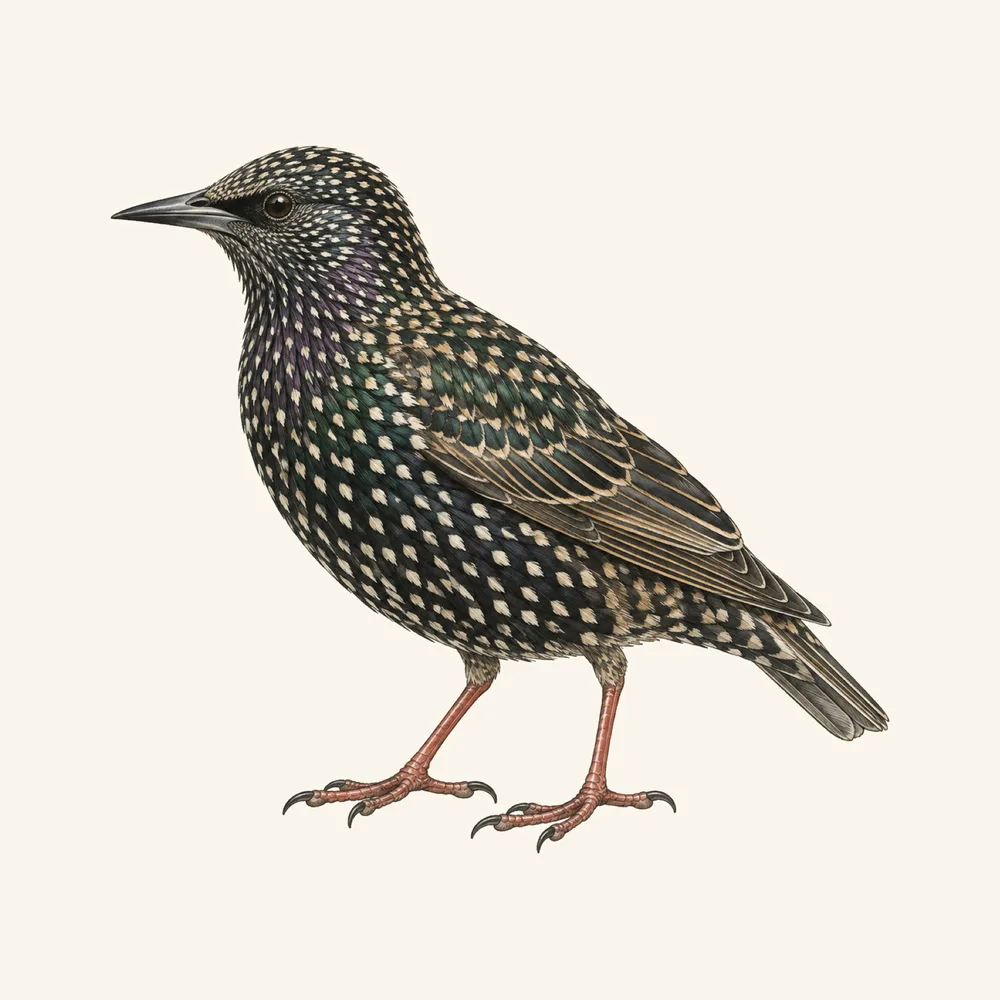 StarlingSturnus vulgaris
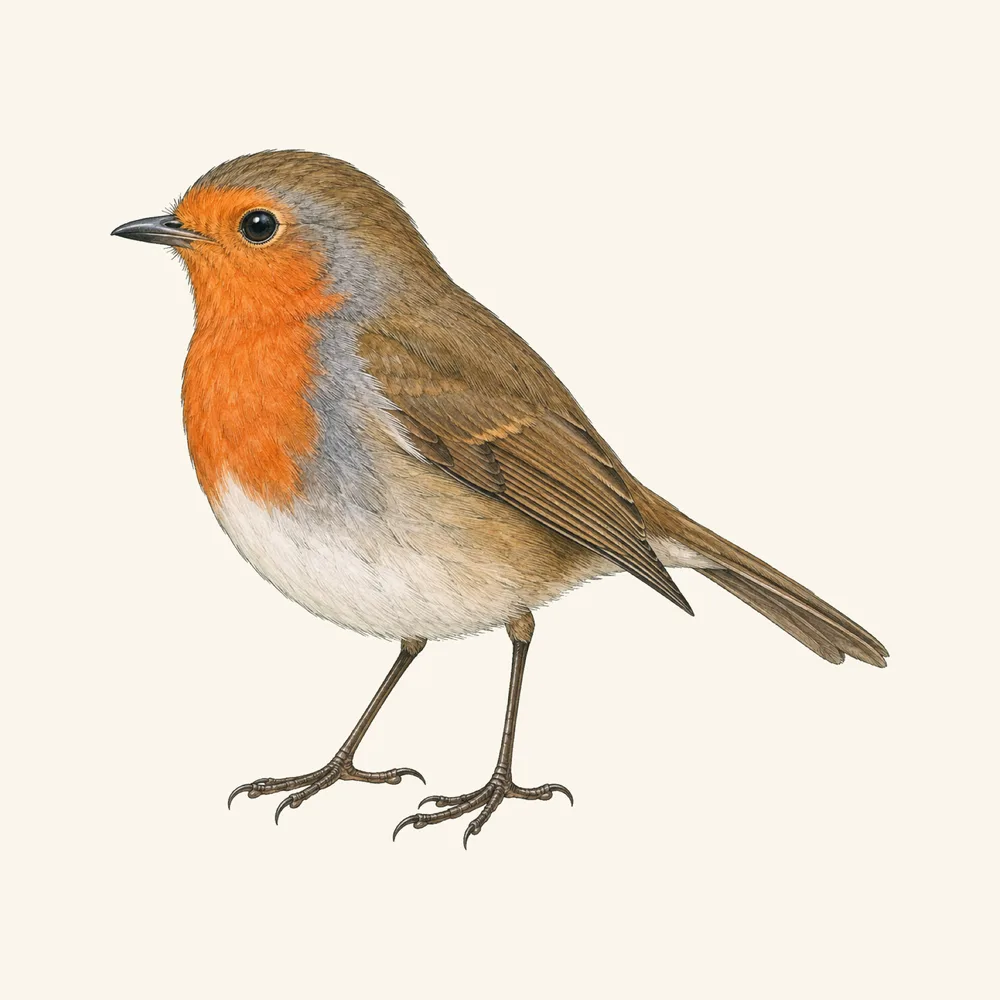 RobinErithacus rubecula
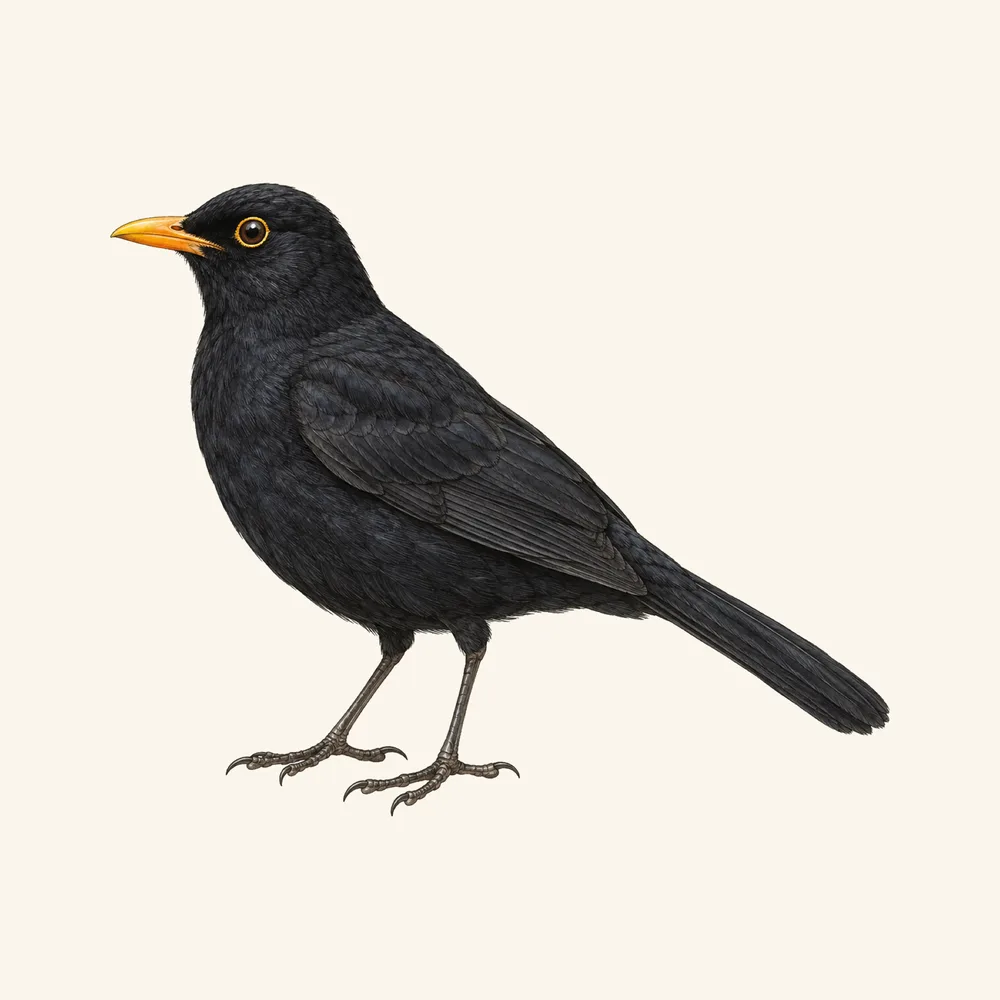 BlackbirdTurdus merula
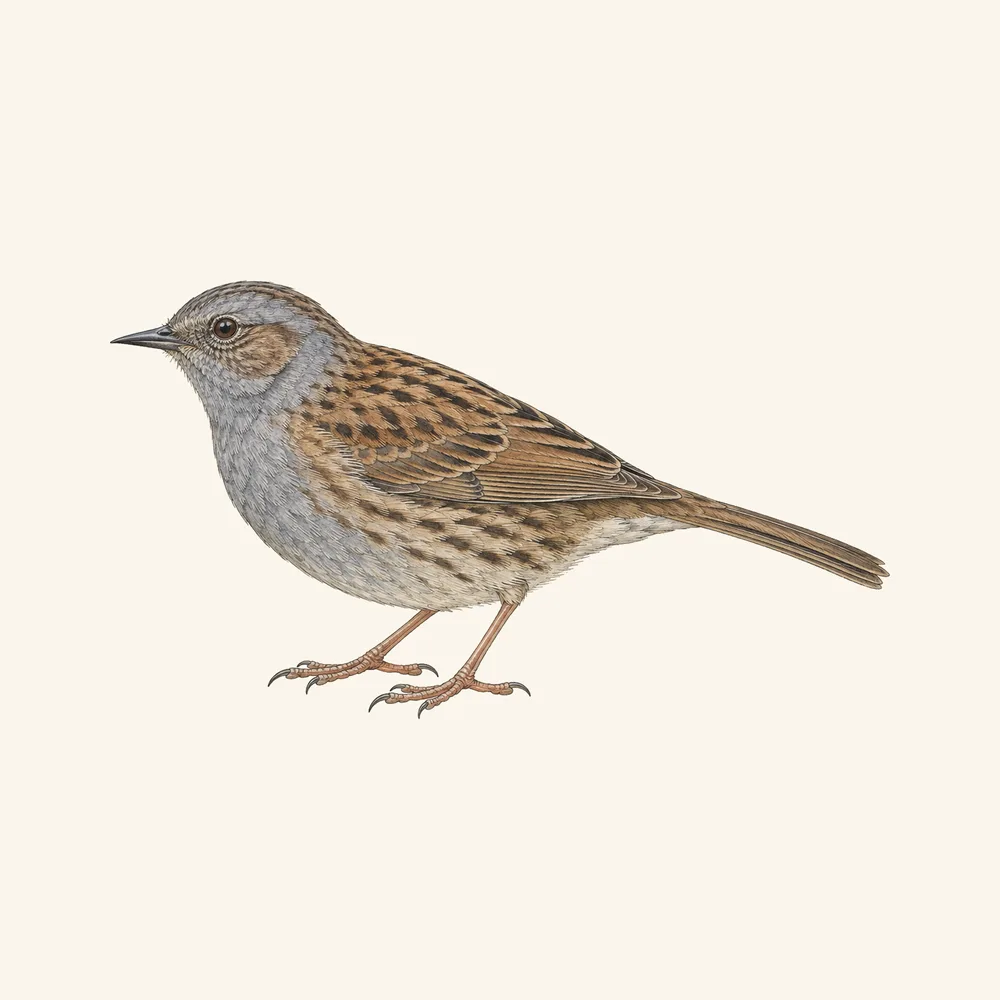 DunnockPrunella modularis
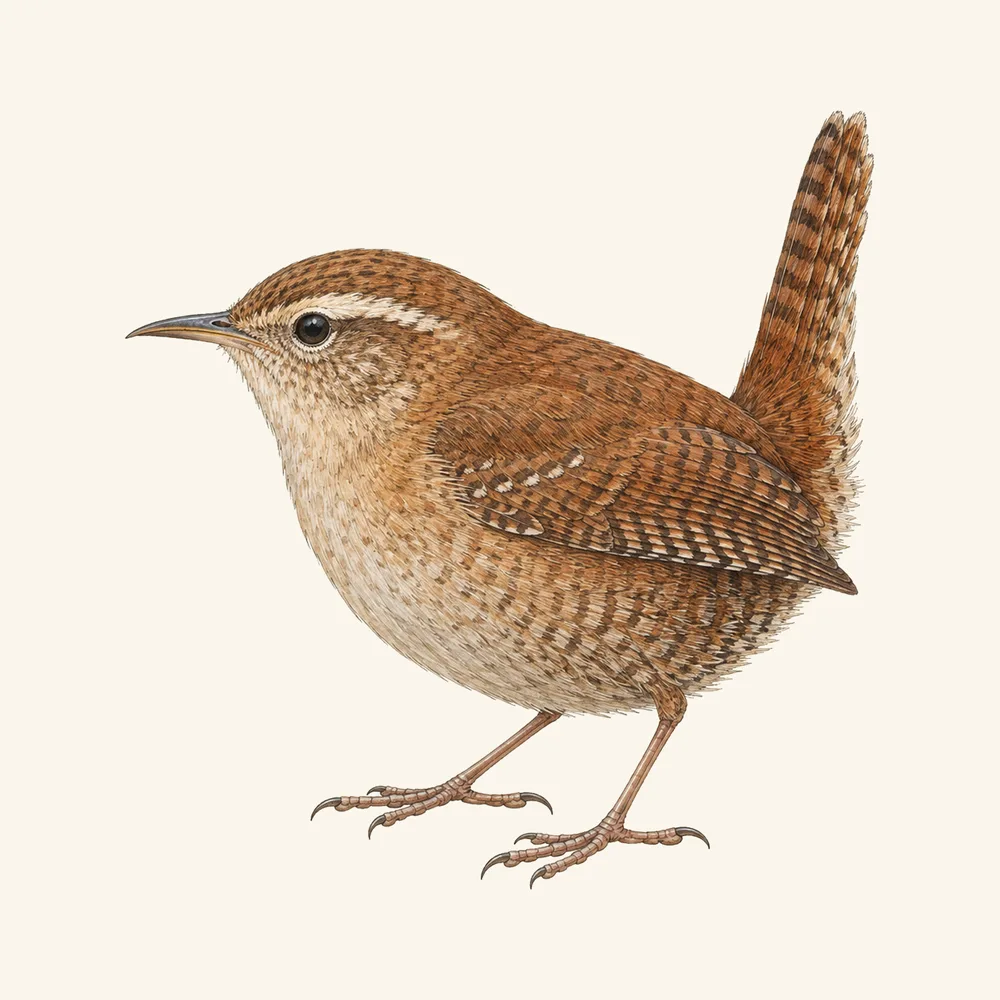 WrenTroglodytes troglodytes
More guides
- Cleaning bird feeders: the routine that actually cuts the spread of diseaseWeekly, outdoors, in gloves: scrub in hot soapy water, disinfect, rinse, dry fully, move the feeder. Seeing sick birds? Stop feeding for a month.
- Squirrel-proof feeders: which designs workThree designs work: a cage small birds slip through, a feeder whose ports shut under a squirrel's weight, and a baffled pole well clear of jumping-off points.
- Bird baths in winter: keeping water open in a freezeThaw it each morning with warm, never boiling, water poured slowly, then refill with fresh tap water. Never add salt or antifreeze. Scrub it weekly.