Wildlife · Guide · 30 October 2026
Squirrel-proof feeders: which designs work
Three designs work: a cage small birds slip through, a feeder whose ports shut under a squirrel's weight, and a baffled pole well clear of jumping-off points.
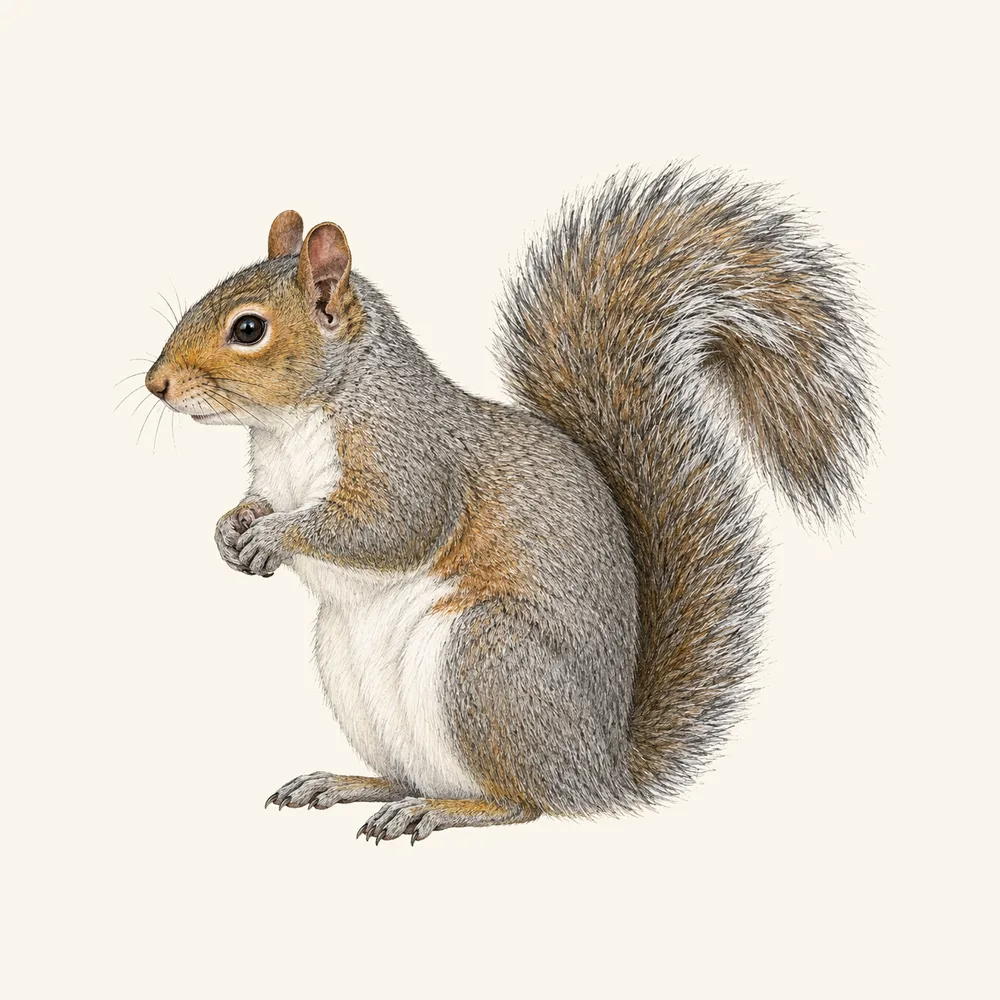
Three designs keep grey squirrels off bird food. A cage around the feeder lets small birds through the gaps and keeps squirrels out. A weight-activated feeder shuts its ports when something heavy lands. A baffle on a smooth pole stops squirrels climbing, if nothing nearby gives them a jumping-off point. Chilli-treated seed is a retailer claim we wouldn’t rely on.
Those three are the RSPB’s list, almost word for word. Under “unwanted visitors”, the RSPB names guardian cages, weight-activated feeders and pole guards or baffles as “the best solutions” to rats, mice and squirrels taking food meant for small birds. The RSPCA’s advice is the same in one line: “Use squirrel-resistant bird feeders rather than putting out loose food.”
Cage (guardian) feeders
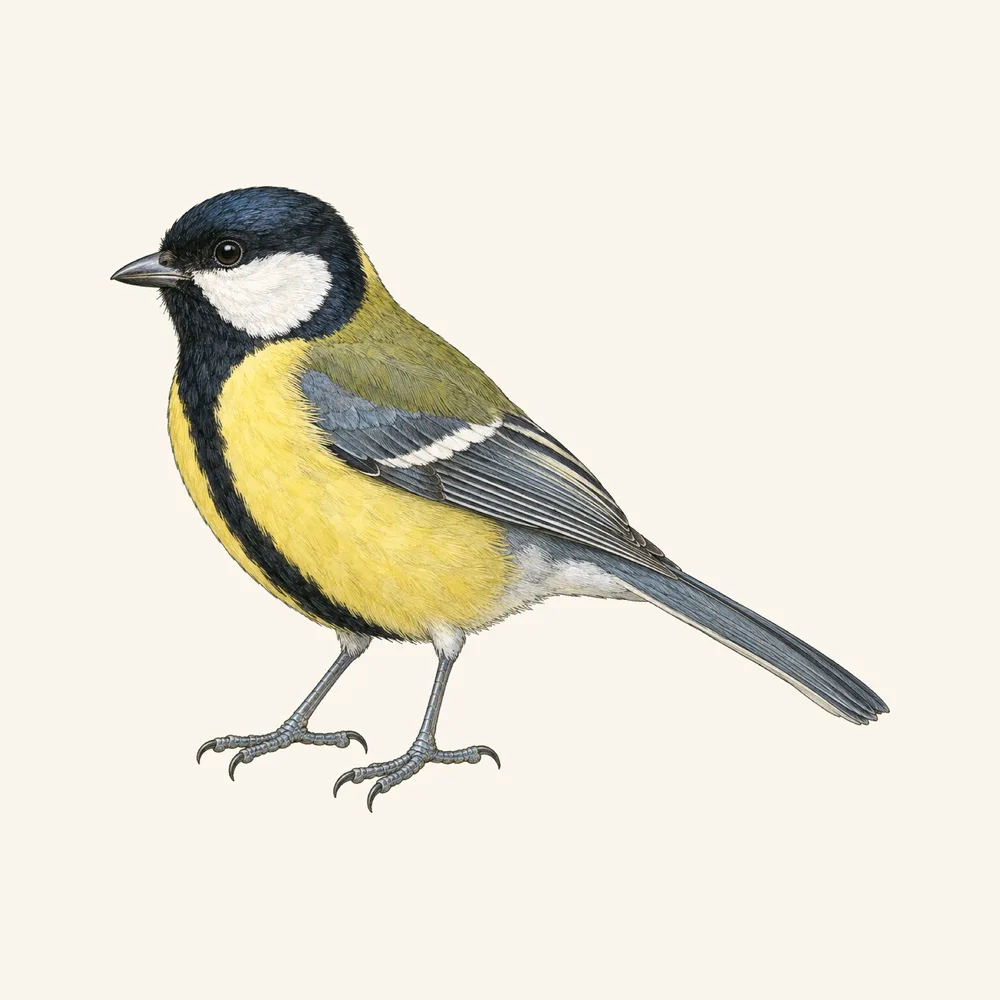
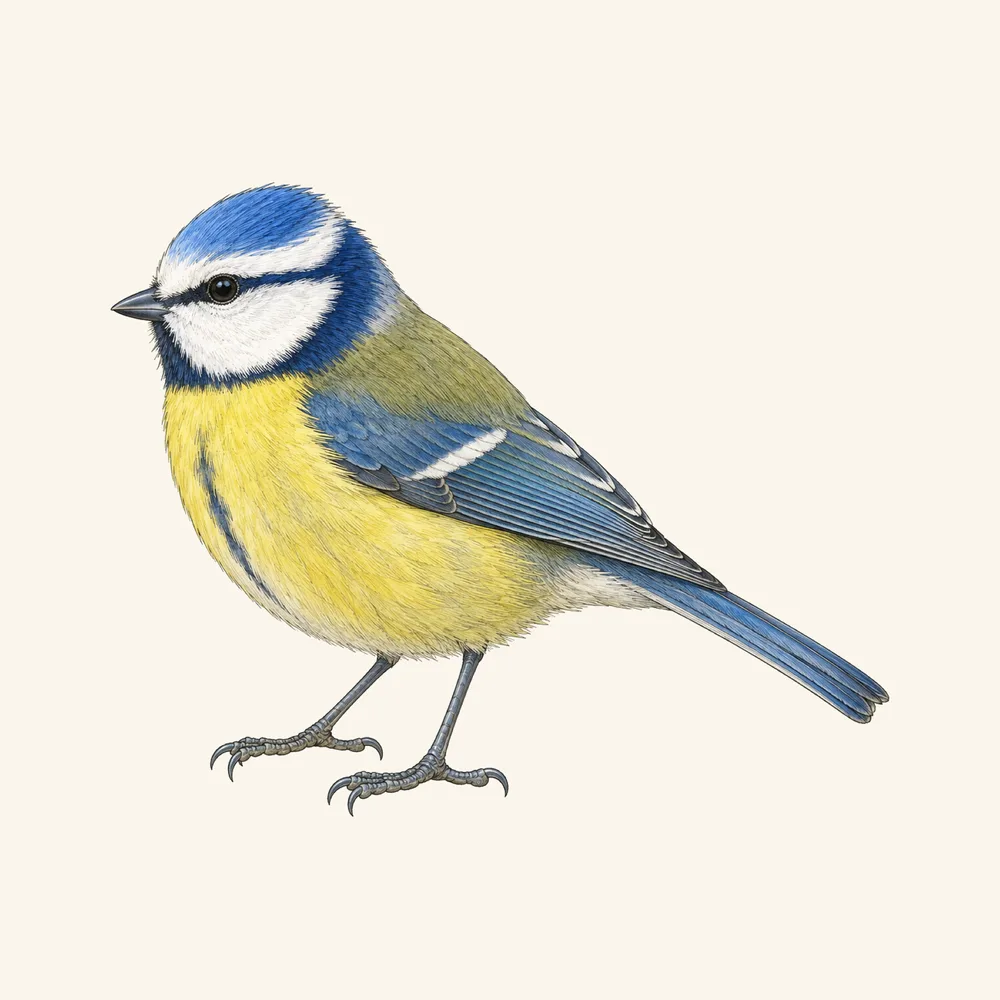
A cage feeder is an ordinary hanging feeder inside a wire cage. In the RSPB’s words, “small birds can slip through the gaps but larger creatures can’t.” The squirrel clings to the outside and can’t reach the food. Blue tits, great tits and other small birds feed inside.
It’s the design we’d start with. There’s no mechanism to fail, and it works wherever you hang it.
What to check:
- The gap between cage and feeder. The cage has to stand far enough out from the ports that a squirrel can’t reach a paw through to the food. If it can, it will.
- It comes apart. The cage has to come off the feeder, and the feeder has to come apart inside it. Otherwise you can’t do the weekly clean (see below).
- Metal throughout. Grey squirrels gnaw plastic. A plastic lid outside the cage is a weak point.
What a cage costs you: bigger birds. “Larger creatures can’t” get in, and that includes larger birds as well as squirrels. Expect to lose woodpigeons, collared doves and jackdaws at that feeder. Starlings and great spotted woodpeckers will probably be kept out too, depending on the gap. We couldn’t find a gap size from the RSPB or BTO, so we can’t tell you which birds a given cage admits. If you want woodpeckers or starlings, leave one uncaged metal feeder, a peanut or fat-ball feeder for example, and accept that squirrels will visit it.
Weight-activated feeders
These feeders close their ports “when something heavy like a pigeon or squirrel sits on them” (RSPB). Small birds are too light to trigger them, so all the usual tube-feeder birds can feed, with no cage to squeeze through.
The trade-off is the mechanism. A sprung perch or sliding shroud has joints where seed and droppings collect. Before you buy, check that the moving parts come off for cleaning, not only the tube. A feeder you can’t take apart completely fails the RSPB’s hygiene advice, however well it keeps squirrels out.
Baffles on poles
A baffle is a dome or cone fitted on the pole below the feeder. The RSPB says pole guards and baffles “prevent animals from climbing up”. Rats are stopped by it too (see rats under the bird feeder).
A baffle only covers one route: up the pole. Grey squirrels are, as the Woodland Trust puts it, “agile climbers, often seen jumping from tree to tree”. If a squirrel can jump onto the feeder from a fence, branch, wall or shed roof, it will.
You’ll see a precise rule repeated online: feeder five feet up, eight to ten feet from anything. We couldn’t find that rule, or any distance, from the RSPB, BTO, RSPCA or RHS, so we won’t present it as fact. Our grey squirrel page says more than about two metres from anything a squirrel could jump from. Treat that as a minimum, not a guarantee. Watch how your squirrels move and keep the feeder out of reach of every launch point you see them use.
There’s a tension here. The RSPB wants feeders “a couple of metres away from thick cover like bushes” so small birds can escape a sparrowhawk. The cover birds want nearby is also what squirrels jump from. A pole and baffle in open ground, a couple of metres from a shrub, is the usual compromise.
The pole holds hanging feeders only. Don’t add the tray or flat platform some feeding stations come with. The BTO counts those as flat-surface feeders, now advised against because disease spreads on them.
Save your money
- Chilli-treated seed. It’s sold on the claim that birds can’t taste capsaicin but squirrels can. None of the RSPB, BTO, RSPCA or RHS pages we read addresses it, so this is a retailer claim. The RHS’s general verdict on animal repellents is that they “are likely to give no more than short-term protection”. Our grey squirrel page calls the results inconsistent. We don’t recommend it.
- Grease or oil on the pole. We found no tier-1 advice on this either way. A baffle does the same job without putting anything sticky where birds and squirrels touch it. Skip it.
- Spinning, motorised or novelty feeders. They’re usually harder to take apart, and a feeder that doesn’t come apart can’t be cleaned properly. A plain cage does the job.
- Plastic “squirrel-proof” feeders without a cage. If a squirrel can reach it, it can chew it.
- Clip-on seed trays. A flat surface, advised against by the RSPB and BTO. Sweep under the feeder instead.
- Live traps. See below.
Grey squirrels and the law
The grey squirrel is an invasive non-native species. In England and Wales, GOV.UK lists it as an invasive alien species and says you must not release one, keep one, or transport one within the UK. The RSPCA says relocating one is illegal under the Invasive Alien Species (Enforcement and Permitting) Order 2019, which is where the offences now sit. (Older pages cite Schedule 9 of the Wildlife and Countryside Act 1981. The grey squirrel entry there was removed for England and Wales in December 2019, when the 2019 Order took over.) Scotland has its own rules.
In practice, catching a squirrel and driving it to the woods is illegal. The RSPCA says catching and killing grey squirrels is not against the law, but that control “should only be carried out legally by a professional”. It also warns that killing is “unlikely to be a long-term solution”: other squirrels can move in “perhaps within as little as a month”. Feeders squirrels can’t use cost less and last longer.
If you find a squirrel or bird stuck or injured in a feeder, it is urgent. Ring the RSPCA on 0300 1234 999 (England and Wales), or see rspca.org.uk.
Squirrel-proof still has to be clean
A cage or a mechanism is more to clean, not less. Seeds and peanuts go back out on 1 November under the 2026 guidance. From then on, the RSPB’s routine applies to every feeder. “Take the feeders apart completely”, clean them weekly with hot soapy water and disinfectant, dry them, and move them each week. When you buy, check the cage comes off and the parts separate by hand. The full routine is in cleaning bird feeders. What goes in the feeder is in what to feed garden birds in winter.
The honest bit
The designs come straight from the RSPB, and the law from GOV.UK and legislation.gov.uk. The numbers are what’s missing. We found no tier-1 figure for cage gap sizes, baffle height or jumping distance, so the widely repeated ones are left out. We haven’t tested which birds get through which cage. Chilli seed is unproven as far as any body we trust has said. And no feeder is permanently squirrel-proof. A determined squirrel will test yours, and the siting matters as much as the design.
Squirrel-proof feeders worth buying
Pick one of the three designs the RSPB names, then check it still hangs, strips down and keeps the rain out.
What makes a good one
- One of three designs: a guardian cage, ports that close under a heavy animal's weight, or a pole with a baffle. source
- Hangs, with no tray, dish or flat platform underneath, including on feeding-station poles. source
- Comes apart completely by hand for the weekly clean, cage or sprung shroud included. source
- Keeps rain out and limits condensation. Metal wherever a squirrel can reach (our view: squirrels gnaw plastic). source
Products checked on Amazon UK on 30 October 2026. We show no prices because they change daily — check before you buy. Nothing in the "save your money" tier is linked. How our recommendations work
How we checked this
- RSPB: How and what to feed your garden birds (Open a bird cafe)
- RSPB: Our latest guidance on feeding garden birds (Feed Safely, Feed Seasonally), dated 24 July 2026
- RSPB: Keep your garden birds healthy
- BTO: Seasonal advice for feeding garden birds — frequently asked questions
- RSPCA: How to keep squirrels out of your garden
- RHS: Grey squirrels
- Woodland Trust: Grey squirrel
- GOV.UK: Invasive non-native (alien) animal species: rules in England and Wales, updated 13 June 2025
- The Invasive Alien Species (Enforcement and Permitting) Order 2019, article 3
- Wildlife and Countryside Act 1981, Schedule 9 (grey squirrel entry omitted for England and Wales from 1 December 2019)
Checked against the sources above and reviewed on 30 October 2026. We report what these organisations say; if our page and theirs ever disagree, believe them — and tell us.
On this site
More guides
- Feeders back on: what to put out from 1 NovemberFrom 1 November seeds and peanuts go back out. Start with sunflower hearts, add peanuts in steel mesh and fat in a cage, put out small amounts, clean weekly.
- Cleaning bird feeders: the routine that actually cuts the spread of diseaseWeekly, outdoors, in gloves: scrub in hot soapy water, disinfect, rinse, dry fully, move the feeder. Seeing sick birds? Stop feeding for a month.
- Rats under the bird feeder: what actually worksRats come for food on the ground. Hang feeders, put out a day or two's worth, sweep up, seal the food bin. Still coming? Pause feeding, and skip the poison.