Wildlife · Guide · 29 October 2026
Cleaning bird feeders: the routine that actually cuts the spread of disease
Weekly, outdoors, in gloves: scrub in hot soapy water, disinfect, rinse, dry fully, move the feeder. Seeing sick birds? Stop feeding for a month.
Clean every feeder at least once a week, outdoors and in rubber gloves. Take it apart, scrub it in hot soapy water with a long brush, disinfect with a mild bleach solution or wildlife-safe disinfectant, rinse well and let it dry completely. Hang it somewhere new. Seeing sick birds? Stop feeding for a month, and only restart once you see no more.
That is the whole routine. The RSPB reckons it takes about fifteen minutes. The rest of this page explains why each step is there, which ones people skip, and what you don’t need to buy.
Why this matters: trichomonosis
The disease behind all of this is finch trichomonosis. It is caused by a parasite that lives in a bird’s throat and upper gut, and an infected bird eventually struggles to swallow. It passes from bird to bird in saliva, through shared food and water. A feeder is ideal for it: many birds put their beaks in the same few ports on the same day.
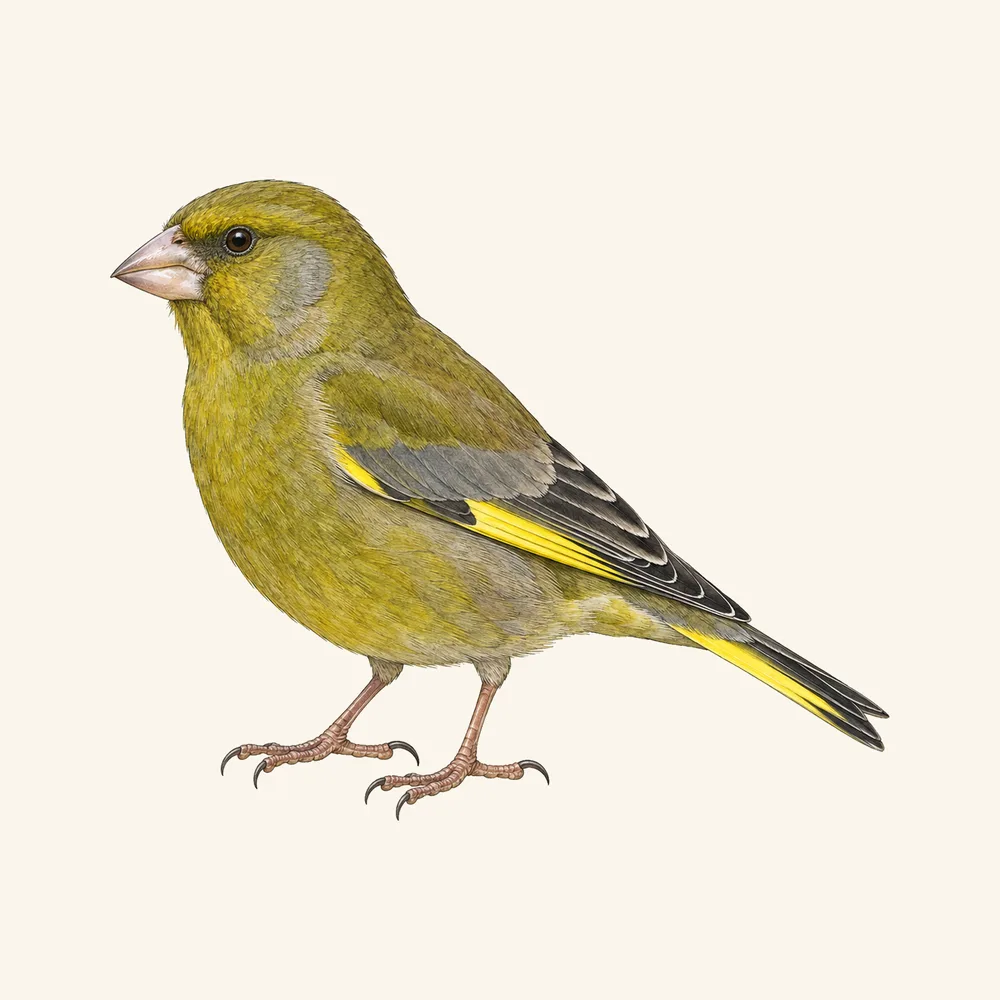
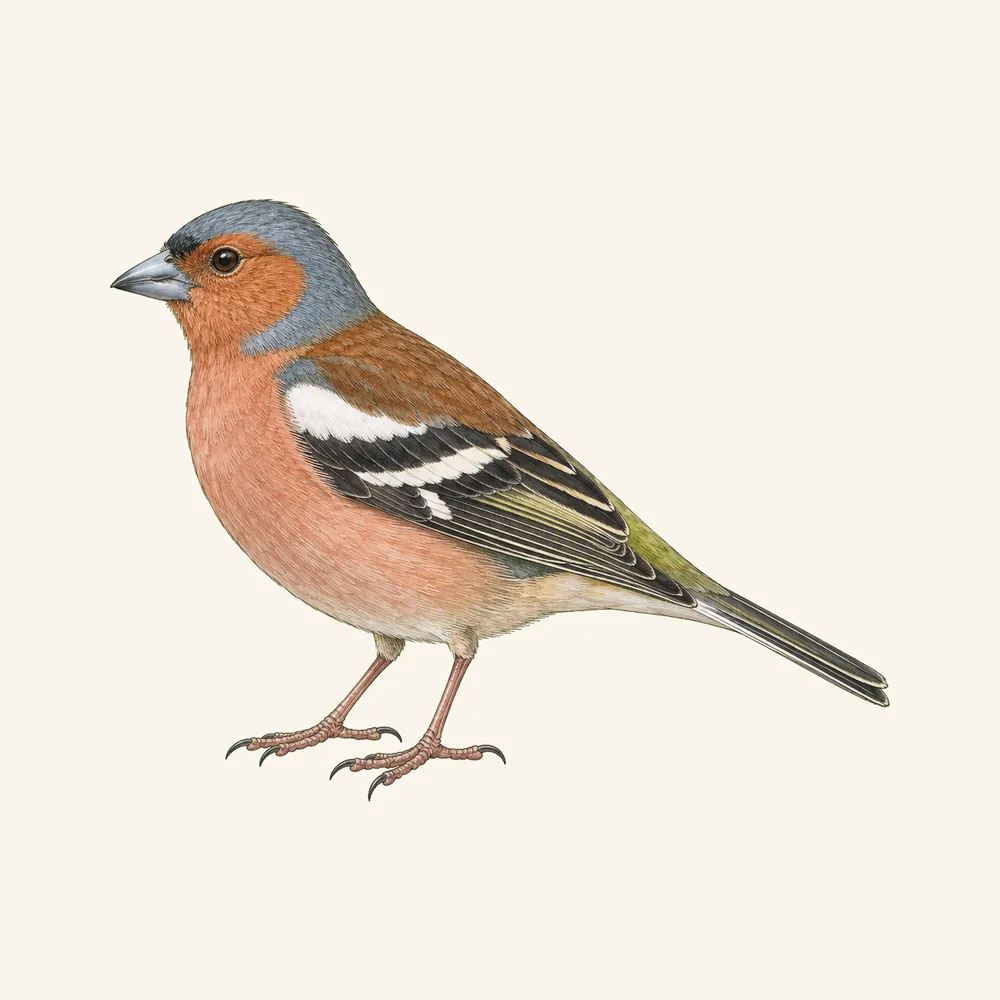
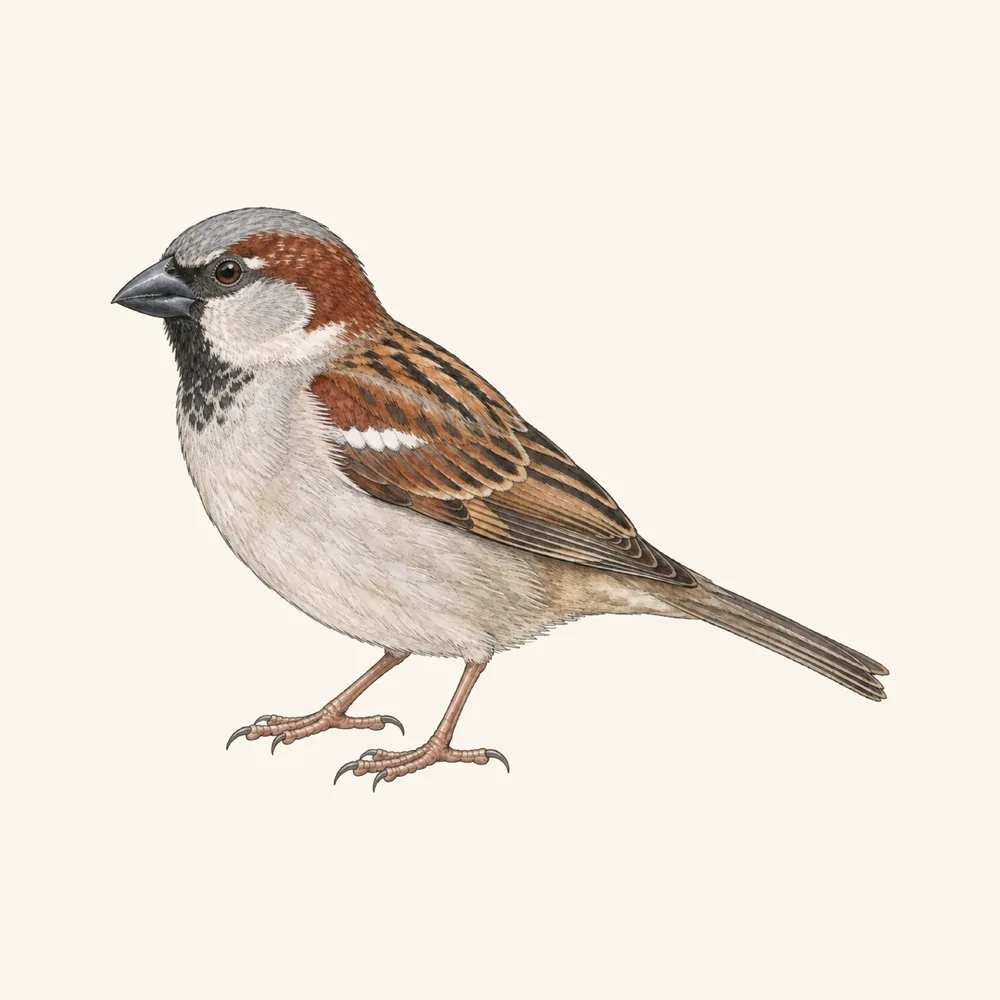
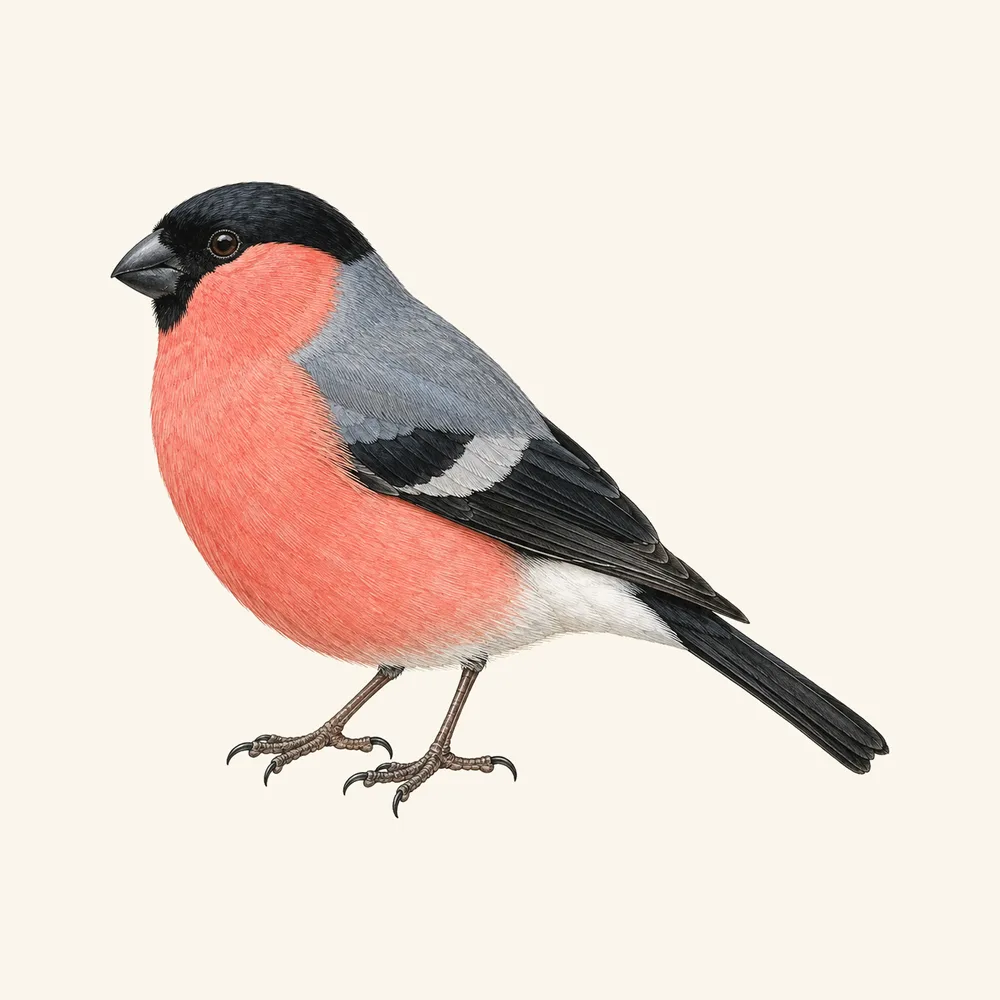
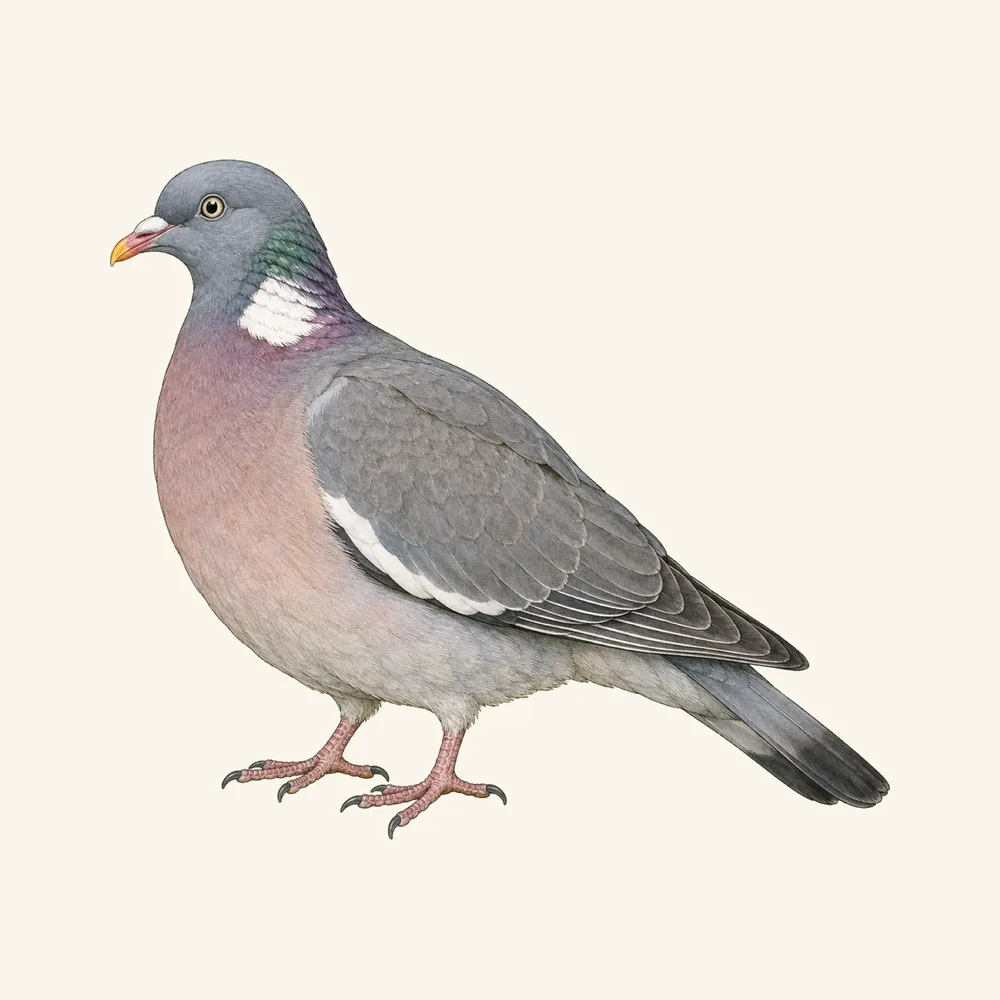
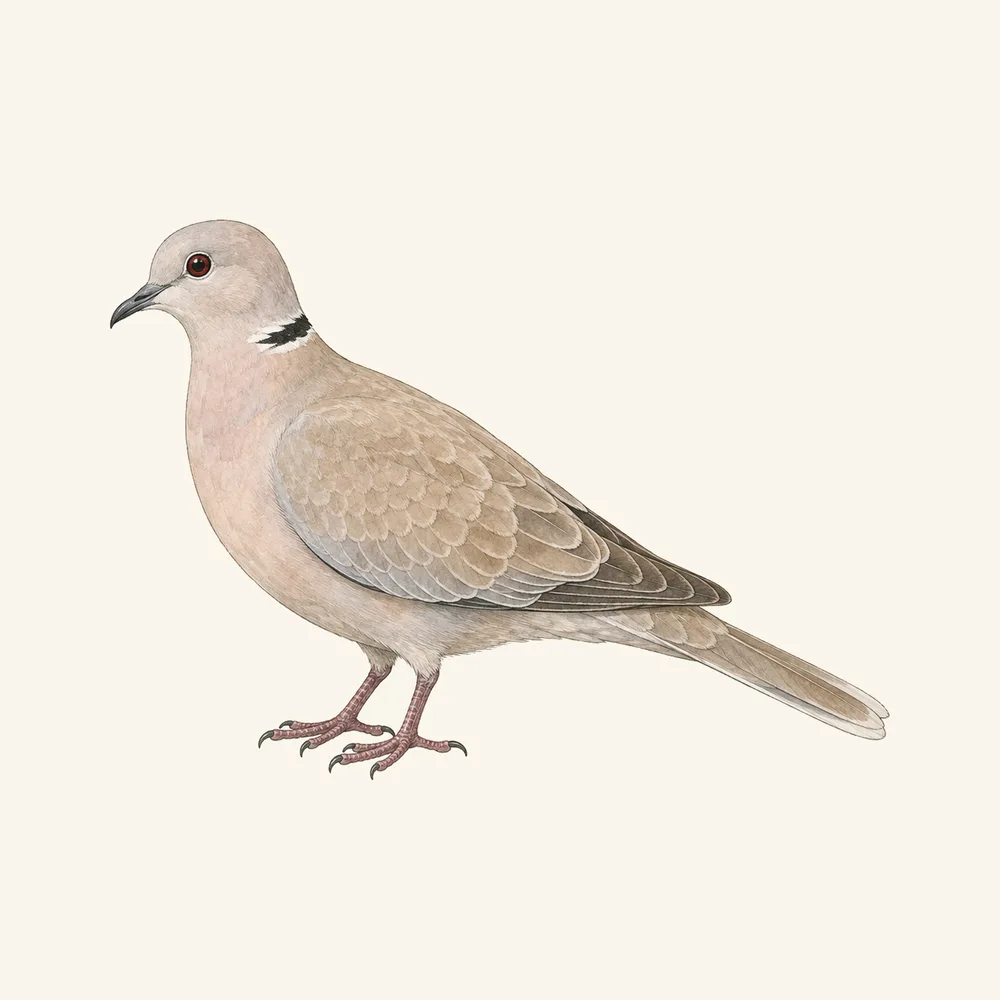
The greenfinch is the warning. The BTO puts its fall at 66% between 1967 and 2024, with the sharp drop starting in 2005 when trichomonosis took hold. It was moved to the UK Red List in 2021. The RSPB also lists chaffinch, bullfinch, house sparrow, woodpigeon and collared dove among the species it affects. Chaffinches have fallen too, although the BTO says it is still unclear how much of their decline is down to this disease.
This is also why the 2026 guidance pauses seeds and peanuts from 1 May to 31 October. Cleaning is the half of the advice that applies all year. It is the part the charities and the bird food trade agree on.
The weekly routine, step by step
This follows the BTO’s good-hygiene guidance and the RSPB’s version of it. Both bodies are partners in Garden Wildlife Health, the national project that tracks disease in garden wildlife.
- Go outside and put on rubber gloves. Empty any old food into your outdoor household bin. The RSPB says not to compost it or put it back out.
- Take the feeder completely apart. Ports, base, lid, perches. Muck builds up in the joints you can’t see.
- Wet it first, then scrub. The BTO says to dampen surfaces before you start, to limit the dust you breathe in. Then scrub off every scrap of food and droppings in hot soapy water with a long-handled bottle brush. This step matters more than it looks: the BTO notes that dirt left on a surface stops disinfectant from working.
- Disinfect. Both the RSPB and BTO accept a weak domestic bleach solution or a commercial wildlife-safe disinfectant, diluted as the label says.
- Rinse thoroughly in clean water. No bleach or disinfectant should be left on anything a bird will touch.
- Let it dry completely before refilling. Air-dry outside. Wet seed in a damp tube goes mouldy within days.
- Hang it in a different spot. The RSPB, BTO and RHS all say to move feeders regularly, and the RSPB says every week. Sweep up the spilled seed and droppings under the old spot. Don’t hang it under a tree where birds roost.
- Wash your hands and forearms with soap and water, especially before you eat or drink.
Keep the brush and bucket for bird kit only, and store them outside. The BTO is specific that they should be kept away from anywhere food is prepared. Don’t wash feeders in the kitchen sink.
Bird baths get the same weekly scrub, plus fresh water every day. The RSPB’s line is that if you cannot change the water daily, leave the bath dry.
Between cleans
- Put out less. The BTO says to remove uneaten food after 24 to 48 hours and never top up on top of old food. Seeds and peanuts should be gone in a day or two. Suet can last up to seven days. Mealworms should be gone by dusk. Food that sits out gets wet, and wet food goes mouldy.
- Store food sealed, cool and dry. The BTO warns that condensation in storage leads to mould.
- Spread feeders out. Where you have room, the BTO suggests several feeding sites, with seed and nuts in one place and mealworms in another, so different birds aren’t crowded together.
- No flat surfaces. Bird tables, window feeders and trays are no longer recommended by the RSPB, BTO or RHS. Contaminated food collects on them, and sick birds tend to sit on them. Cleaning doesn’t fix that.
If you see sick birds
The BTO lists the signs of trichomonosis: a bird that looks generally ill, lethargic and fluffed up; difficulty swallowing or laboured breathing; and wet plumage around the bill, drooling saliva or bringing up food it can’t swallow. If you see one, especially if you see several, or find dead birds:
- Stop feeding for a month. That is the RSPB’s current advice (its page dated 1 October 2026): “Only resume feeding after a month”, and only if no more sick birds can be seen. The BTO’s minimum is two weeks from the last time you saw an unwell bird. We go with the longer figure. The point is for the flock to disperse instead of crowding together.
- Empty the bird baths and leave them empty until you stop seeing sick birds.
- Clean and disinfect everything before you start again. Restart only when you see no more sick birds, and stop again if they come back.
- Report it to Garden Wildlife Health through its website. Those reports are the data the greenfinch’s Red Listing rests on.
Don’t try to catch or treat the bird. The BTO says treatment is “rarely an appropriate option” for wild birds. If you are worried about a bird’s welfare, contact a local vet or the RSPCA. GOV.UK adds that you should not touch or pick up sick or dead wild birds, because of bird flu. As of 29 October 2026 it rates the risk in wild birds as medium. It still says feeding is fine, provided you keep feeders clean and wash your hands.
Save your money
- Branded cleaning kits. Rubber gloves, a long bottle brush kept for the job and a bucket do everything a kit does. The RSPB sells a kit, but its own instructions need nothing that isn’t in an ordinary house.
- Specialist disinfectant, if you’d rather not. Both the RSPB and BTO accept weak domestic bleach. A wildlife-safe disinfectant is fine too, so buy whichever you’ll actually use. Never mix bleach with other cleaners.
- Feeders you can’t take apart. No amount of disinfectant reaches a joint the brush can’t get into. When you replace a feeder, choose one that comes apart without tools. Plain surfaces you can scrub are easier to keep clean than rough, unsealed wood; the wooden feeder in our picture is the hard case.
- “Hygienic” or coated feeders sold as reducing disease. We found nothing from the RSPB, BTO or Garden Wildlife Health that recommends a coating over weekly cleaning. Pay for one that’s easy to dismantle, not for a claim.
- Bird tables and tray feeders. These are a waste of money now, however clean you keep them.
The honest bit
The routine is well established, and the RSPB, BTO and RHS agree on it. The exact numbers vary from body to body: the RSPB now says stop feeding for a month after seeing sick birds, the BTO at least two weeks, and the bleach strength is described differently. The RSPB says “a mild (5%) bleach solution”. The BTO says “a weak solution of domestic bleach (5% sodium hypochlorite)” diluted as the label says. The BTO’s wording treats household bleach as roughly 5% hypochlorite to begin with, so the two may not mean the same thing. Our reading is to dilute it well, follow the bottle, and rinse thoroughly. Cleaning reduces how much disease passes between birds at your feeder. Nobody claims it eliminates disease, and neither do we.
How we checked this
- RSPB: Keep your garden birds healthy
- RSPB: Our latest guidance on feeding garden birds (Feed Safely, Feed Seasonally), dated 24 July 2026
- RSPB: All about bird feeding
- RSPB: Feeding birds near you (water and hygiene), dated 1 October 2026
- BTO: Trichomonosis
- BTO: Good hygiene practice
- BTO: Feeding garden birds — best practice
- BTO: Seasonal advice for feeding garden birds — frequently asked questions
- RHS: Stop filling your feeders this summer to protect birds (11 May 2026)
- GOV.UK: Bird flu (avian influenza): latest situation in England, updated 21 October 2026
Checked against the sources above and reviewed on 30 October 2026. We report what these organisations say; if our page and theirs ever disagree, believe them — and tell us.
On this site
More guides
- Feeders back on: what to put out from 1 NovemberFrom 1 November seeds and peanuts go back out. Start with sunflower hearts, add peanuts in steel mesh and fat in a cage, put out small amounts, clean weekly.