Wildlife · Guide · 30 October 2026
Berries for birds: shrubs to plant this bare-root season
Hawthorn, rowan, guelder rose, holly and ivy feed thrushes, redwings and fieldfares all winter. Plant November to March, and check which berries are toxic.
For winter thrushes, the best shrubs are mostly natives: hawthorn, rowan, guelder rose, holly and ivy, plus crab apple and spindle. Between them they fruit from late summer to late winter. Plant them bare-root between November and March. Several of these berries are toxic to pets or people, and we say which below.
Why a spread of plants beats one good one
Birds depend on berries in autumn and winter, when insects are scarce (BTO). Thrushes are the main berry-eaters: blackbird, song thrush, mistle thrush, and the two winter visitors, redwing and fieldfare. Blackcaps and waxwings feed on berries in winter too.
Birds also choose. The BTO says blackbirds prefer haws when they can get them, and redwings take haws because sloes are too big for them. Late in the season birds prefer ivy, which may be why holly berries are often left until last. So a garden with three or four of the plants below has fruit for longer than one with a single showy bush.
Colour matters too. The BTO notes that white-fruited rowans hang on the tree a long time, probably because birds pass them over. Pick red or orange varieties.
The natives
Hawthorn. The BTO names redwings, fieldfares, blackbirds and mistle thrushes on haws, often in big winter flocks. Haws ripen from early August and often last into winter. It makes a hedge or a small tree. The RSPB adds that greenfinches eat the seed inside the haw.
Rowan. The Woodland Trust lists blackbird, mistle thrush, song thrush, redwing, fieldfare and waxwing among the birds that eat its autumn berries. It can reach 15m. The RSPB says waxwings arrive from Scandinavia in winter, in big numbers in “irruption” years, and turn up wherever rowans and hawthorns fruit, “even in supermarket car parks”.
Guelder rose. Bright red, see-through berries from September or early October. The BTO and the Woodland Trust both name bullfinch and mistle thrush. The RSPB adds blackbirds, fieldfares and redwings. It grows to about 4m in damp or chalky soil. The Woodland Trust says the berries can be “mildly toxic if eaten raw”. It’s a viburnum (Viburnum opulus), and our viburnum profile covers the family. The ASPCA doesn’t list viburnum, so we don’t stamp it safe.
Crab apple. The RSPB says its fruit draws thrushes. The RHS says crab apples and rowans “may even attract waxwings”.
Spindle. Pink fruits split open to show orange seeds. They ripen from September to November, and the BTO says starlings and thrushes take them in early winter. It typically grows to 5m in hedges and on chalky soil. Toxic: it’s on the RHS list of potentially harmful plants. The leaves and fruits cause vomiting and diarrhoea if eaten, so keep the berries away from pets and children.
Holly. The RSPB names thrushes, robins, pigeons and doves. Only female plants berry, and they need a male nearby. The BTO suggests holly in a container for small gardens. Toxic to cats and dogs: the berries and leaves contain saponins, which cause drooling, vomiting and diarrhoea. The spiny leaves can also hurt the mouth. Keep pets away from the berries in particular.
Ivy. The RSPB calls its berries “much loved” by woodpigeons, thrushes, robins, starlings and blackcaps. They are fattier than most and ripen late over a long period. That’s why ivy matters in late winter. The Woodland Trust advises not pruning ivy until the new year. Toxic to cats, dogs and people if eaten: it contains saponins, more in the leaves than the berries. The sap commonly irritates skin, so wear gloves when you cut it.
Honeysuckle. Our native climber. The RSPB says its autumn berries draw pigeons and doves. Toxic if eaten: it’s on the RHS list of potentially harmful plants. The berries are mildly poisonous and cause vomiting and diarrhoea in quantity: a hazard for curious pets and children, so plant it away from play areas.
Yew. The BTO says redwings and fieldfares visit yews in autumn, when the fruit ripens in September or October. Birds eat the red flesh and the seed passes through them. This is the most dangerous plant on the page. Yew is deadly to horses, livestock, dogs and people. The red flesh is harmless, but the seed inside it isn’t, and everything else is dangerous too. Keep clippings from grazing animals, and children from the berries.
Dog rose. The RSPB says the hips attract thrushes in autumn, and greenfinches eat the seeds inside. Our rose profile lists roses as non-toxic to cats, dogs and horses on the ASPCA database, hips included. The thorns are the hazard. Avoid Japanese rose: the BTO lists it among the invasive plants on Schedule 9 (see below).
Non-natives, and the one we’d skip
Pyracantha. The BTO suggests it for small gardens because it can be trained against a wall. It’s introduced, not native.
Apple and pear windfalls. The BTO says soft old orchard fruit is a favourite of thrushes. The RHS mentions redwings and fieldfares on windfalls. Leave some on the grass. Apple flesh is safe, but the ASPCA lists the tree as toxic to cats, dogs and horses because the seeds, leaves and stems contain cyanogenic glycosides; the worry is a dog crunching lots of pips or animals at wilted prunings. Pear isn’t listed by the ASPCA, but keep pets and children from eating quantities of its pips.
Cotoneaster: we’d leave it out. Birds eat it readily, and the BTO names it alongside pyracantha for walls. But several cotoneasters are listed in Part II of Schedule 9 to the Wildlife and Countryside Act 1981. They include wall cotoneaster (C. horizontalis), the one in most gardens, and the Himalayan, hollyberry, small-leaved and entire-leaved species. Under section 14(2) it’s an offence in England and Wales to plant them or otherwise cause them to grow in the wild. Scotland has a wider rule covering any plant outside its native range. Growing one in a garden is still lawful. The problem is the birds. Kent Wildlife Trust says the berries “are easily dispersed by birds”, and that cotoneaster is now taking over limestone grassland. Plant it to feed birds and birds will sow it elsewhere. Kent Wildlife Trust suggests blackthorn, holly or wild privet instead. If you already have one, at least never dump the prunings over the fence.
Plant a hedge, not a bush
The RHS calls a mixed native hedge “one of the best features you can add to your garden”. Hawthorn, blackthorn, holly, guelder rose and spindle are all on the BTO’s native list, and so is wild privet. Our privet profile covers the garden kind, and its warning applies to the genus. It’s on the RHS list of potentially harmful plants, and the leaves and especially the black berries are toxic, so keep pets and children away from them.
A hedge trimmed in autumn loses its berries, so the RHS suggests cutting one side one year and the other side the next. The RSPB recommends cutting only between 1 September and 28 February, outside the main nesting season. More in hedge trimming and nesting birds.
When to plant
The Woodland Trust says tree planting season runs from November to March, while plants are dormant. The RHS says bare-root deciduous hedging, trees and shrubs come on sale in November, and should go in promptly before the roots dry out. Our bare-root planting guide covers how. The BTO’s line is that berry shrubs can go in any time the ground isn’t frozen.
Leave the seed heads too
The RSPB says goldfinches are “fond of the spiky seed heads” of teasel. Finches and sparrows take sunflower seeds in colder months. Leave both standing until late winter. Sunflowers are non-toxic to cats, dogs and horses (ASPCA). The ASPCA doesn’t list teasel, so we don’t stamp it safe. More in leave the leaves.
The honest bit
Which bird eats which berry is well recorded for the natives and thinner for garden shrubs: the BTO lists pyracantha without saying who eats it. Waxwings are a bonus, not a promise, because they only arrive in numbers in irruption years. We’ve left out a few popular “berries for birds” plants, including skimmia and photinia, because no tier-1 source we opened names birds using them. Where we have no plant profile, we haven’t made any claim about pets.
How we checked this
- BTO: Plants with fruits and berries for birds
- BTO: Plants for fruits and seeds
- BTO: Garden birds in winter (December 2022)
- RSPB: Go beyond the birdfeeder — top garden plants to grow for birds
- RSPB: Waxwing
- RSPB: Top tips to help nesting birds
- RHS: Five ways to help birds in every season
- RHS: November — trees and shrubs
- Woodland Trust: How to plant trees
- Woodland Trust: Rowan
- Woodland Trust: Guelder rose
- Woodland Trust: Spindle
- Kent Wildlife Trust: Cotoneaster
- Wildlife and Countryside Act 1981, section 14
- Wildlife and Countryside Act 1981, Schedule 9
Checked against the sources above and reviewed on 30 October 2026. We report what these organisations say; if our page and theirs ever disagree, believe them — and tell us.
On this site
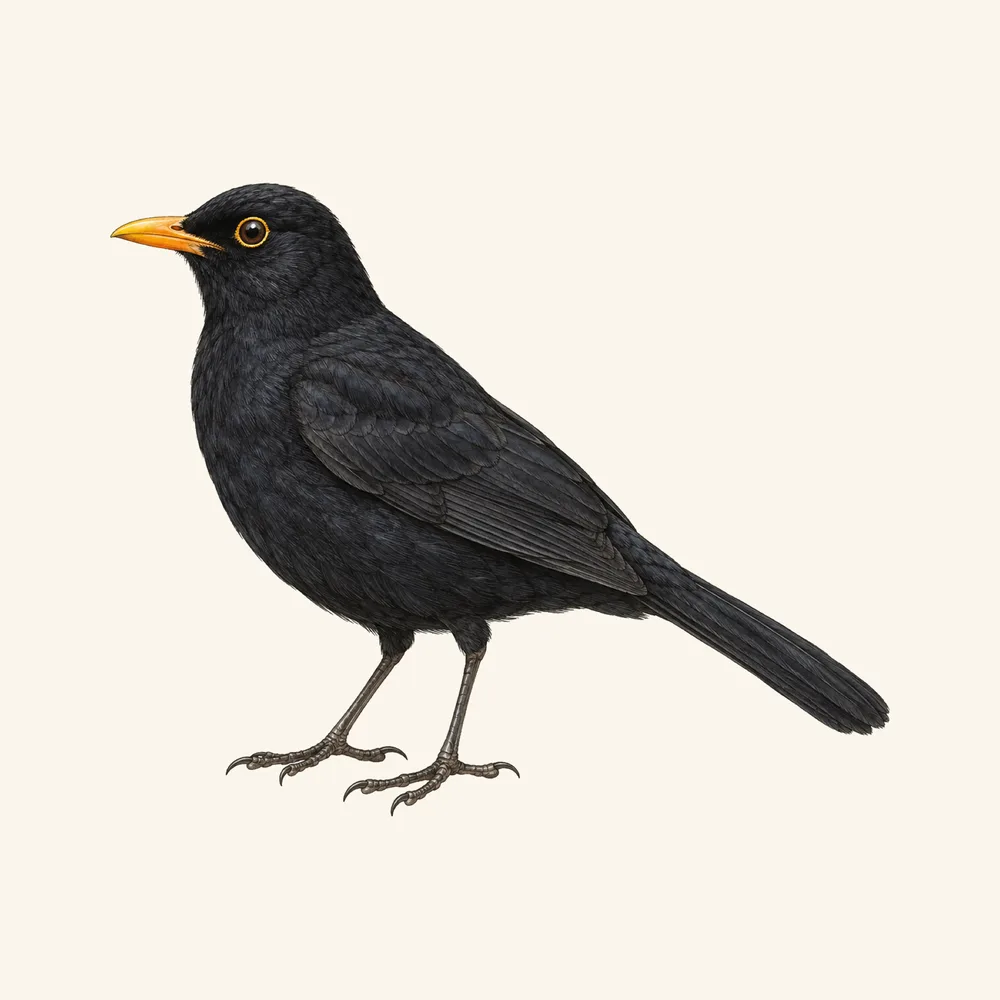 BlackbirdTurdus merula
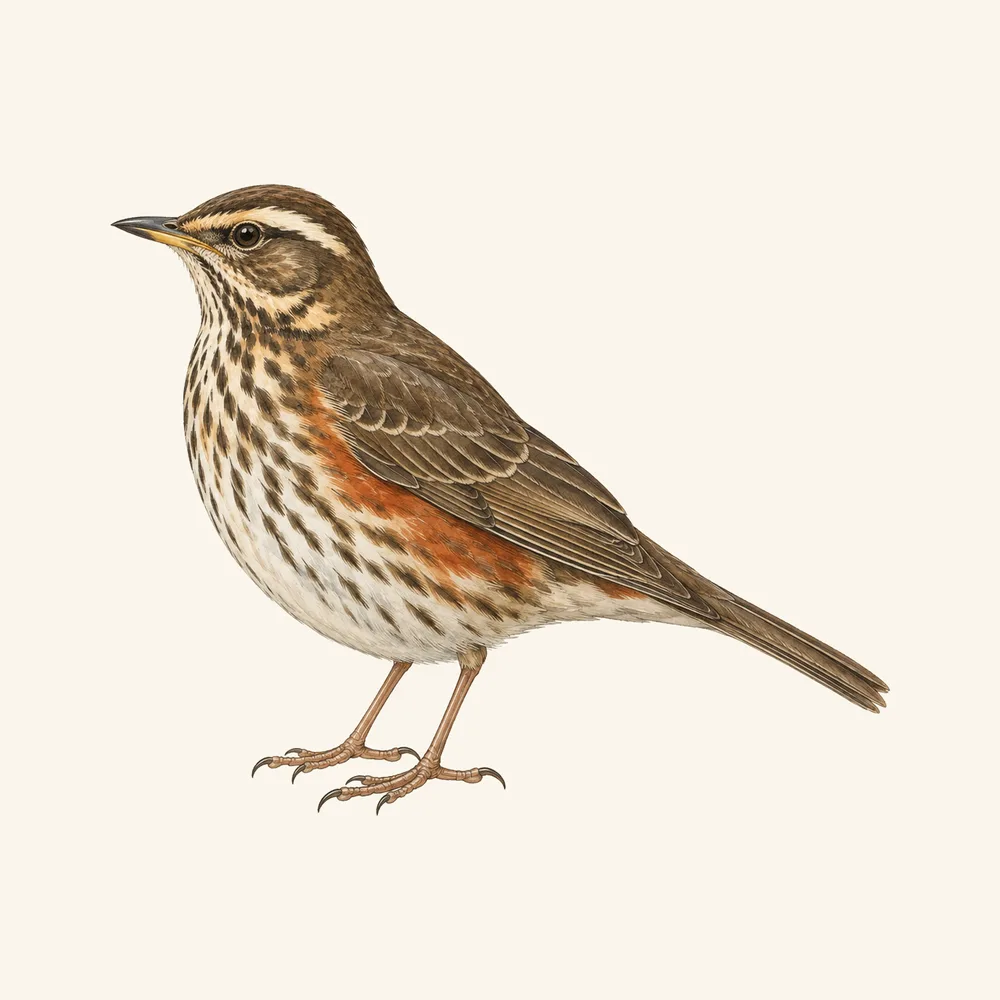 RedwingTurdus iliacus
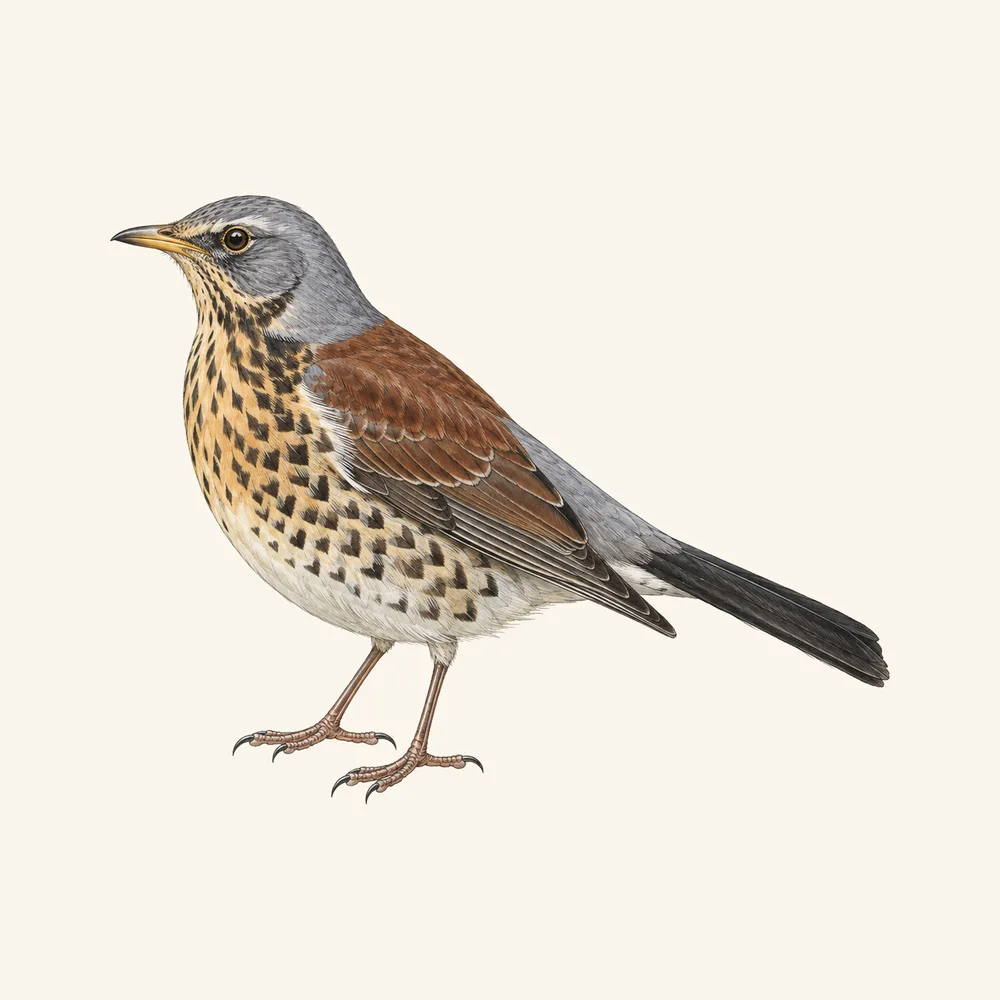 FieldfareTurdus pilaris
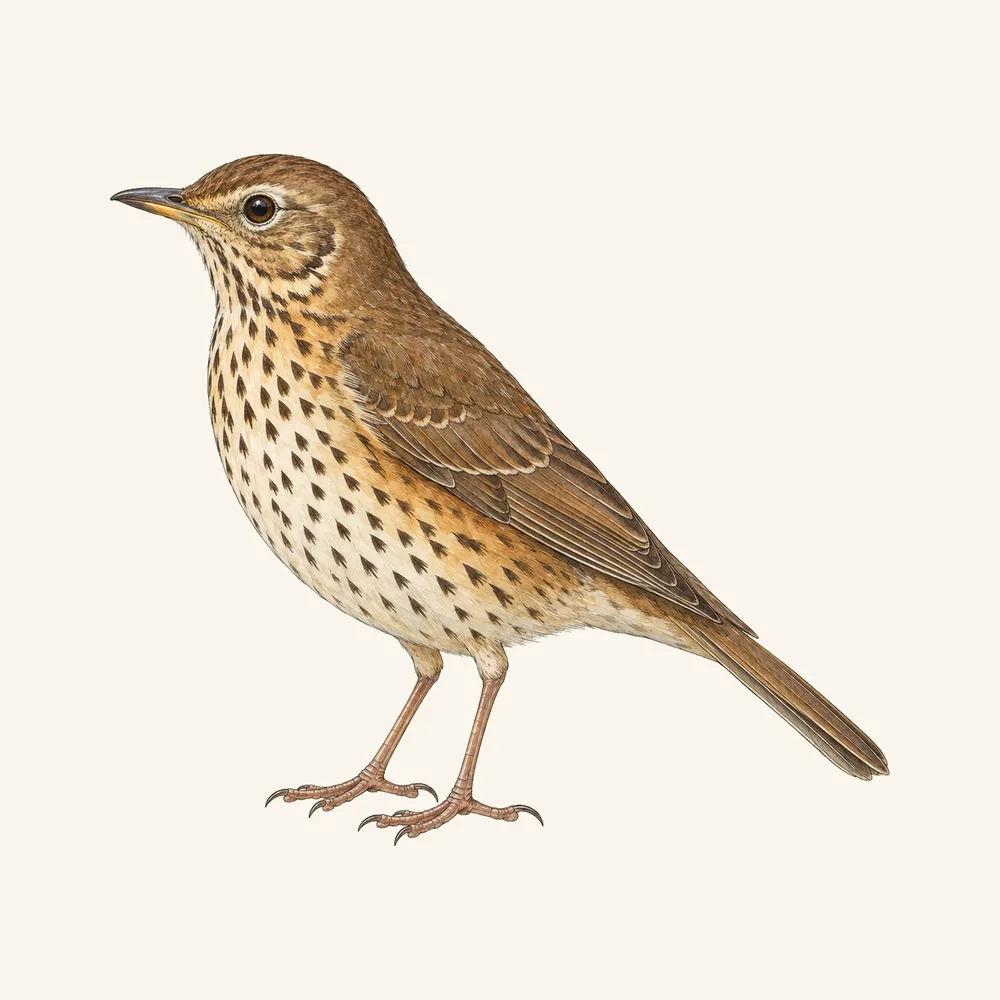 Song ThrushTurdus philomelos
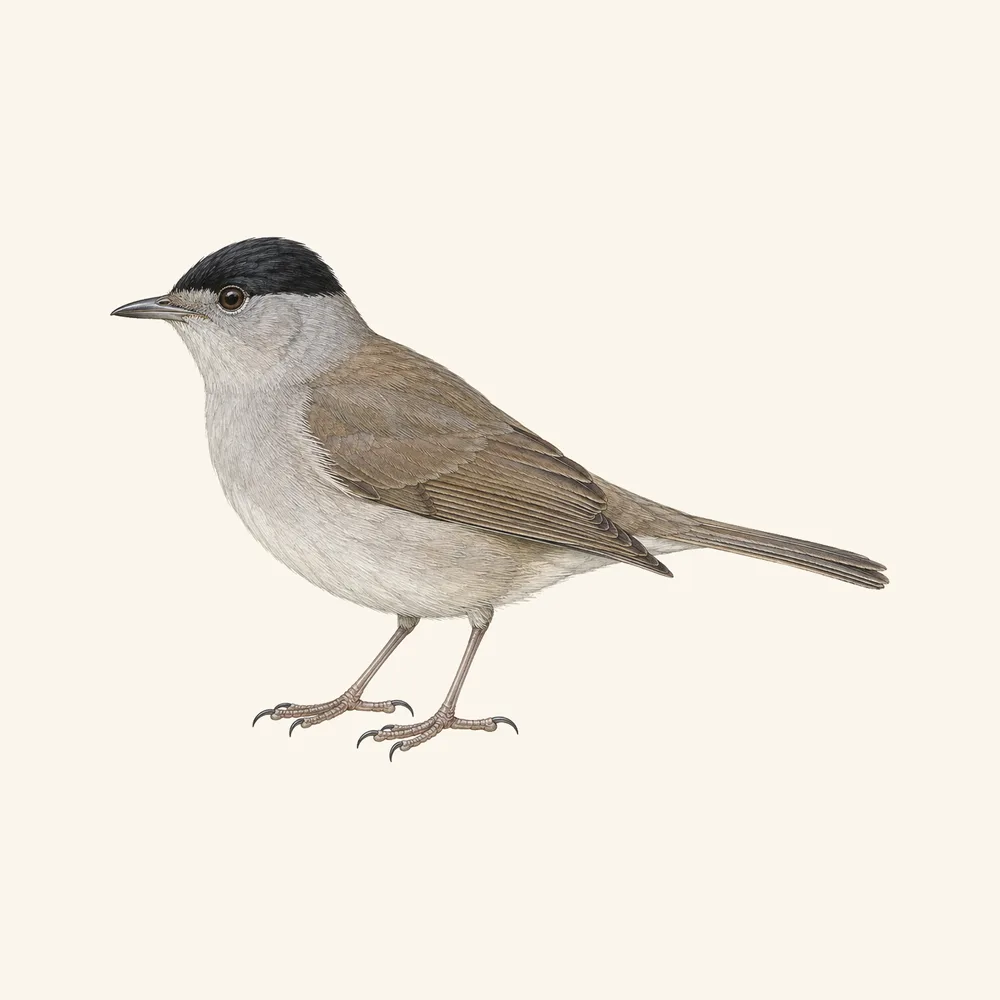 BlackcapSylvia atricapilla
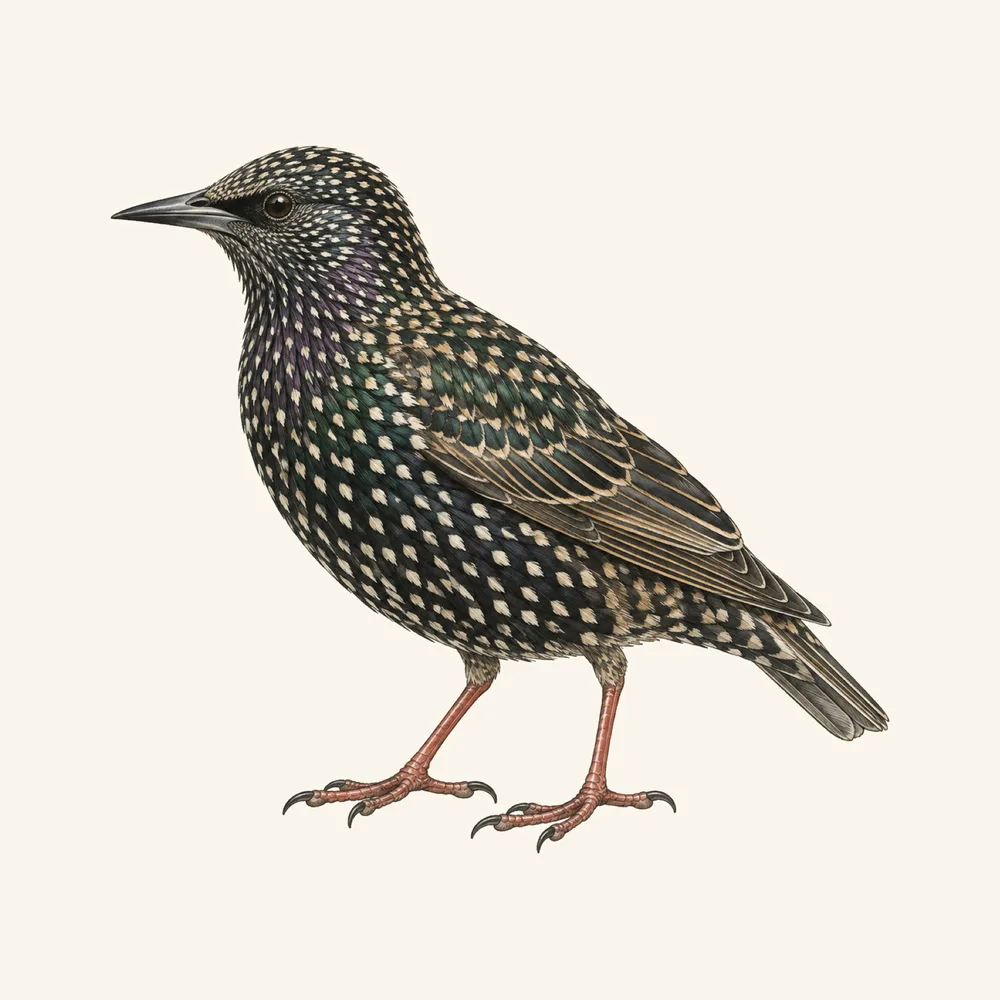 StarlingSturnus vulgaris
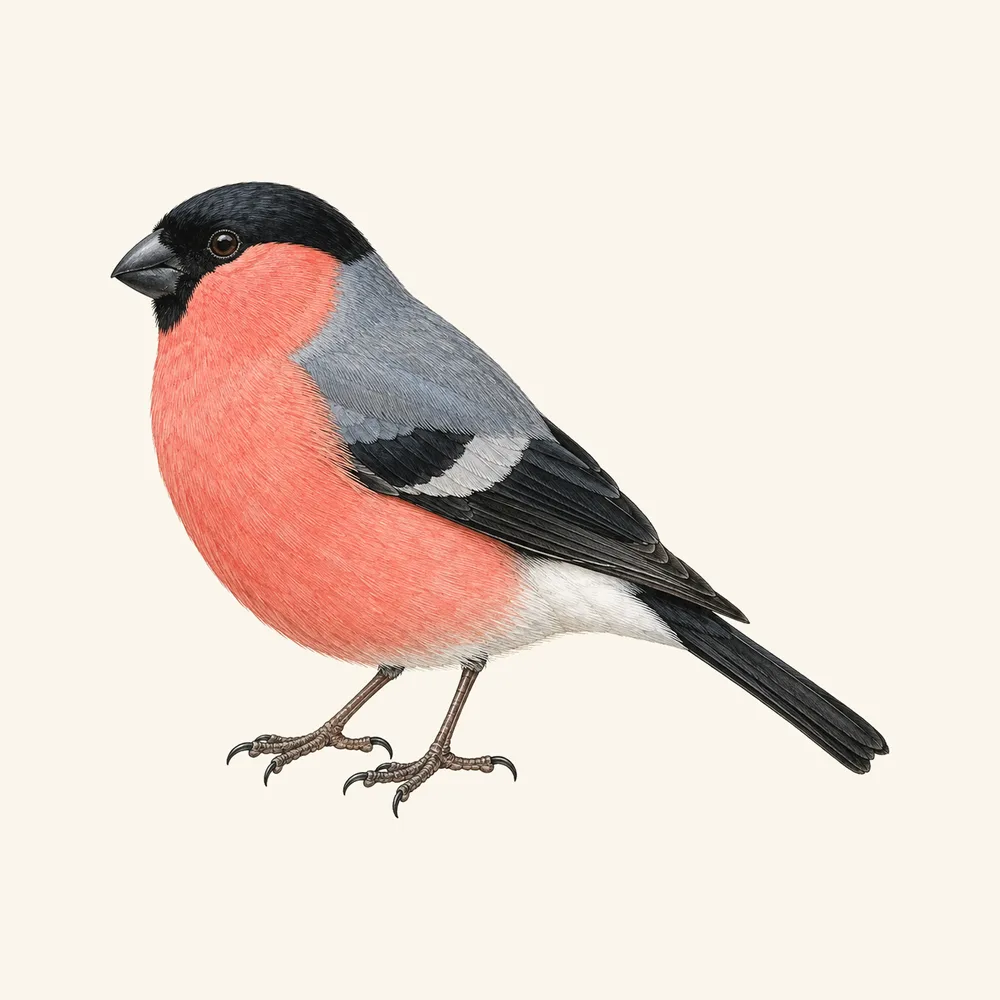 BullfinchPyrrhula pyrrhula
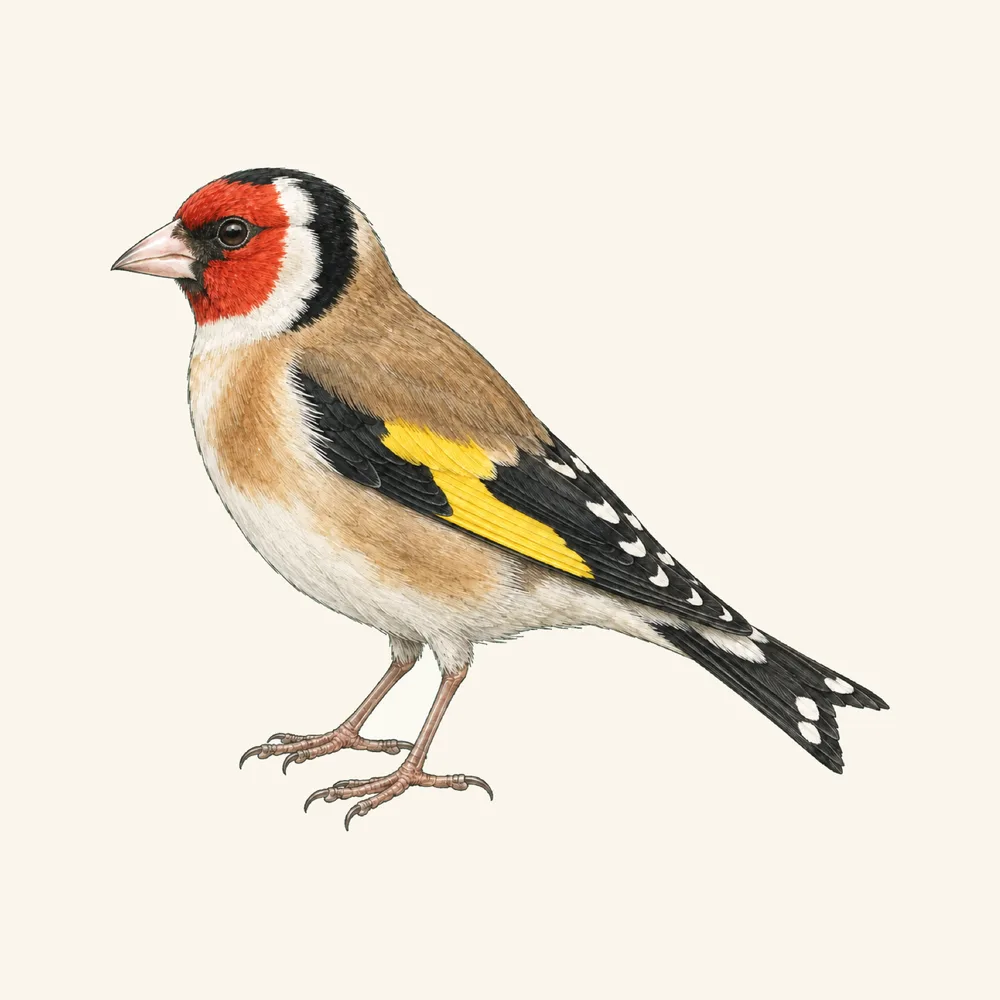 GoldfinchCarduelis carduelis
Plants: Holly · Ivy · Yew · Euonymus · Honeysuckle · Viburnum · Rose · Apple · Pear · Privet · Teasel · Sunflower
More guides
- Feeders back on: what to put out from 1 NovemberFrom 1 November seeds and peanuts go back out. Start with sunflower hearts, add peanuts in steel mesh and fat in a cage, put out small amounts, clean weekly.
- Leave the leaves: what to tidy in autumn and what to leave for wildlifeYes, leave some. Clear lawns, paths and ponds, but pile the leaves under a hedge, and leave hollow stems, seed heads and log piles standing until spring.