Wildlife · Guide · 30 October 2026
Leave the leaves: what to tidy in autumn and what to leave for wildlife
Yes, leave some. Clear lawns, paths and ponds, but pile the leaves under a hedge, and leave hollow stems, seed heads and log piles standing until spring.
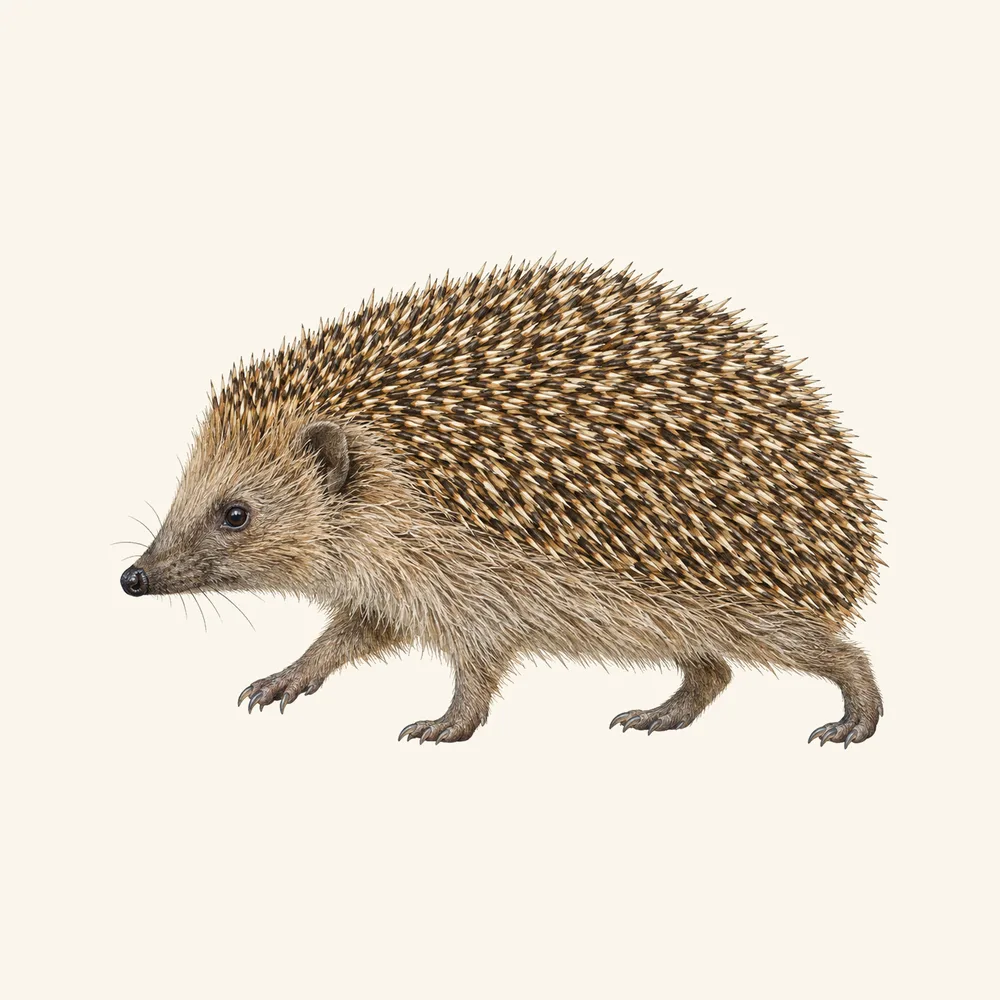
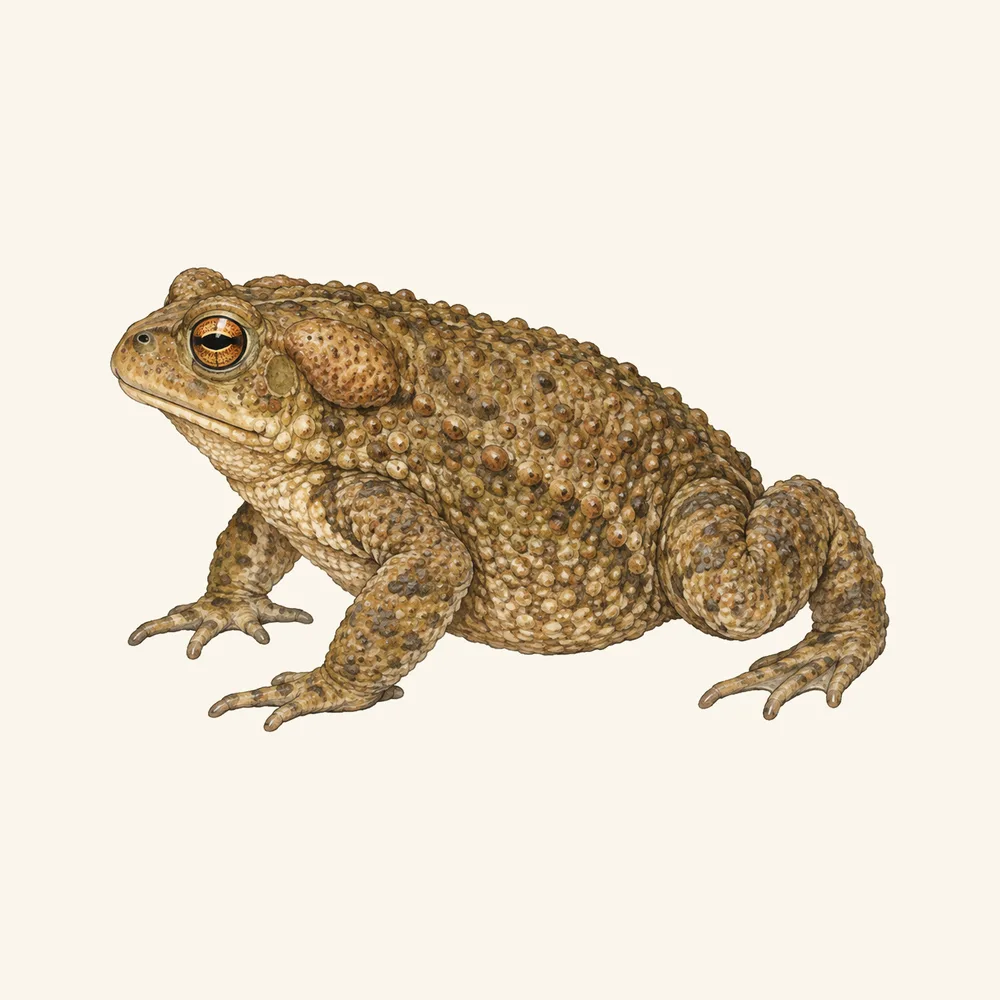
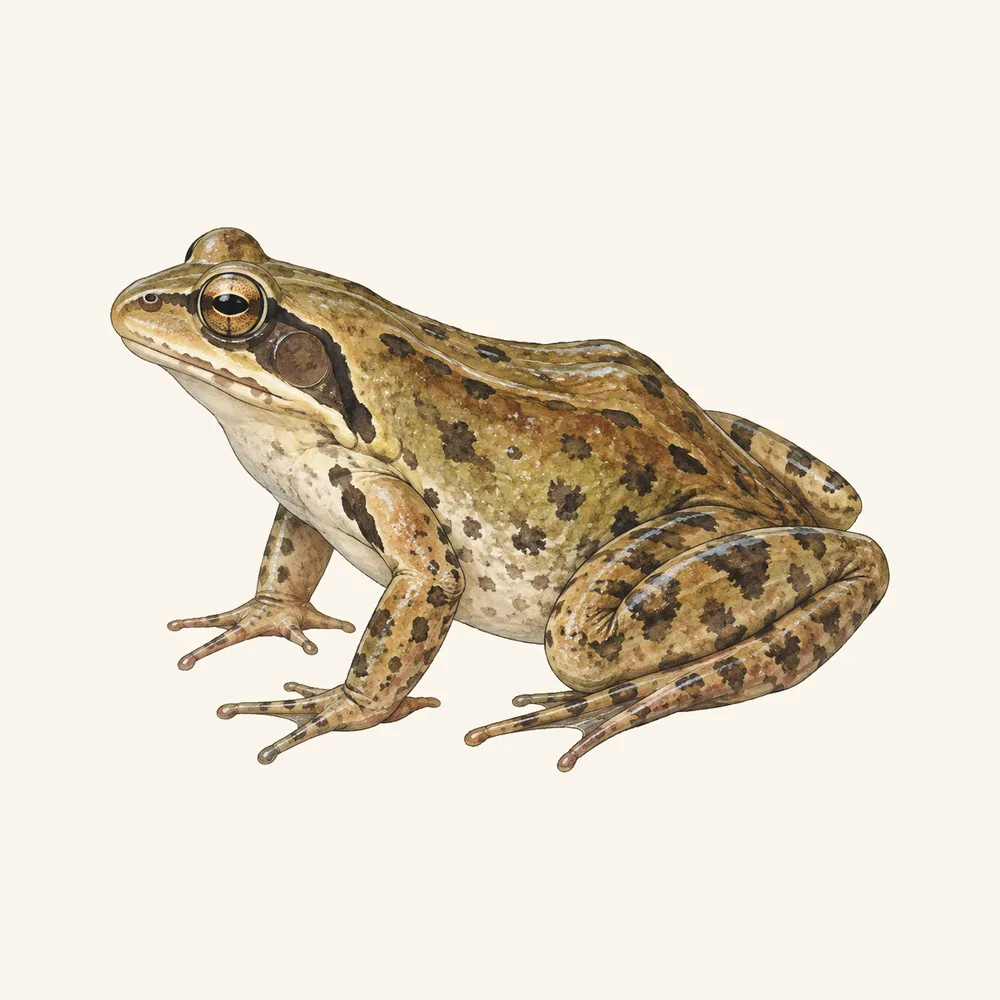
Yes, leave some. Rake leaves off lawns, paths and ponds, but pile them under a hedge or in a quiet corner rather than bagging them all. Hedgehogs nest in leaf piles, frogs and toads shelter in leaf litter, and insects spend the winter there. Leave hollow stems, seed heads and log piles standing until spring too.
None of this means doing nothing. It means moving the mess to where it’s useful, and checking before you fork, mow or burn.
Leaf piles: who’s living in them
The Wildlife Trusts put it best: “leaving a duvet of leaves is a great way to provide a perfect hiding spot for insects”. They add that hedgehogs often hide under leaf piles in autumn and winter. The British Hedgehog Preservation Society (BHPS) suggests “a pile of leaves or log pile in a quiet corner of the garden” as a nest site. A hedgehog builds its winter nest from dry leaves, and it can’t build one in a garden that’s been raked bare. More in when do hedgehogs hibernate.
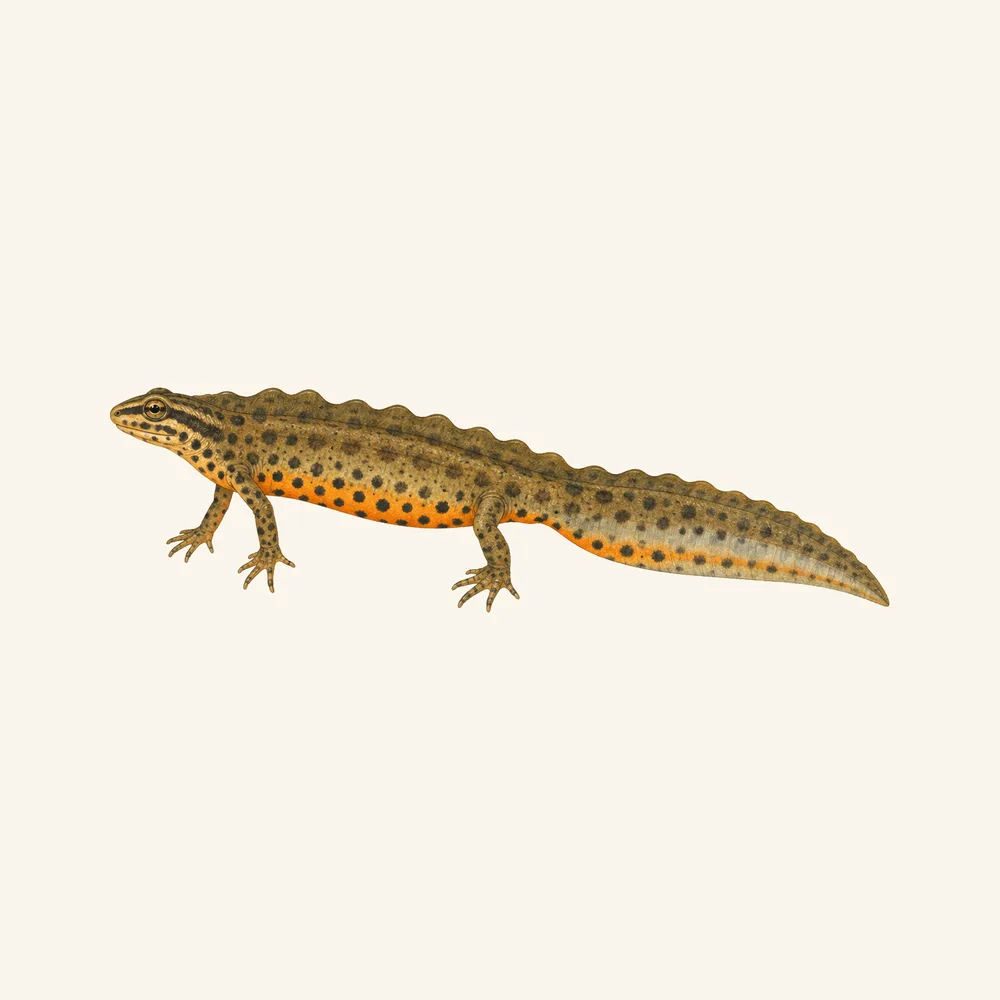
Amphibians use leaves too. Froglife says a pile of leaves or dense vegetation near a pond gives frogs, toads and newts somewhere to shelter in cold weather. Our common toad and common frog profiles both say the same thing: leave leaf litter where it falls.
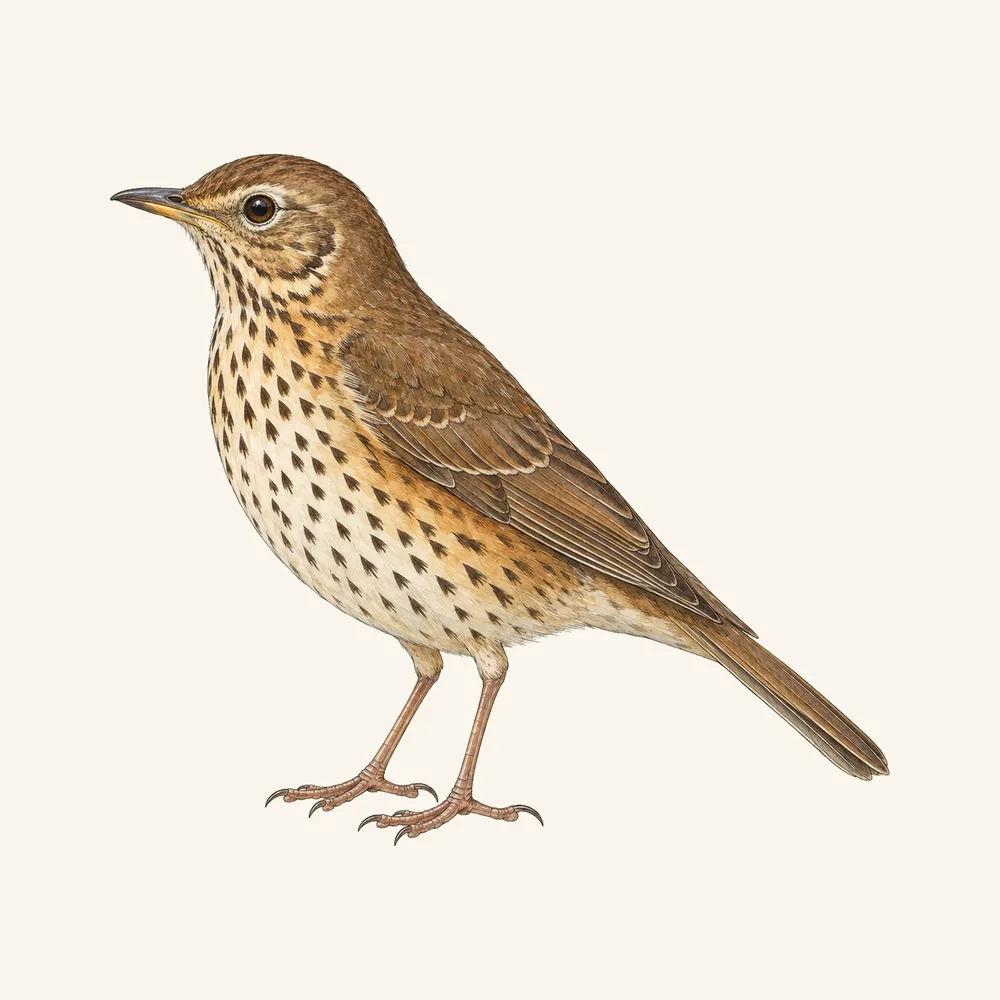
Birds feed in it. The RSPB says to leave leaves where they fall where you can, because birds forage through leaf litter. The RHS suggests raking them into piles under bushes, where birds can search them for invertebrates. Leaf litter is where song thrushes find many of the worms and snails they eat.
So the practical rule is to move leaves rather than remove them. Sweep them off the lawn and into the base of a hedge, behind a shed or under shrubs.
Hollow stems and seed heads
The old habit of cutting every perennial to the ground in autumn is optional. The RHS says dry, hollow stems shelter insects through winter, and it gives angelica as a refuge for seven-spot ladybirds. The Wildlife Trusts say insects hide and lay eggs in standing stems, and birds eat the seeds when food is short. The Woodland Trust’s version: “a few seedheads, hollow stems and low-lying foliage can provide important habitat.”
For birds, the classic examples are teasel, which the RSPB says goldfinches are “fond of”, and sunflower, whose seeds finches and sparrows take in colder months. Leave them standing until late winter. More on plants that feed birds in berries for birds, and on which perennials to cut and which to leave in cutting back perennials.
Log piles and a dead hedge
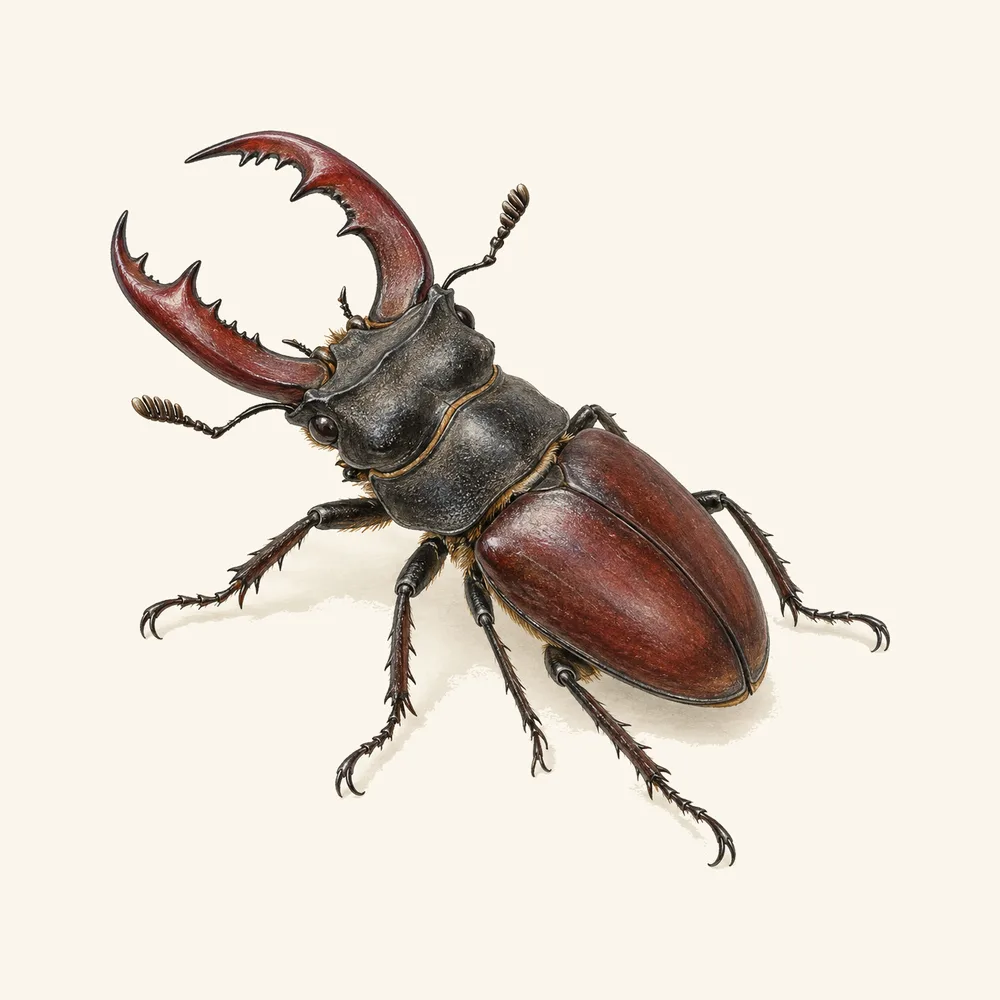
Don’t burn or bin your prunings. The Wildlife Trusts suggest using them to make a wood pile, which gives newts, beetles and other insects winter shelter. Froglife adds that the dead wood attracts the insects amphibians eat. A log pile in shade is also what stag beetle larvae need, in the parts of the country where they occur.
Thinner prunings can go into a dead hedge: a row of brushwood stacked between stakes. The RHS and the RSPB both recommend one as shelter for wildlife and nest sites for birds.
A strip of long grass
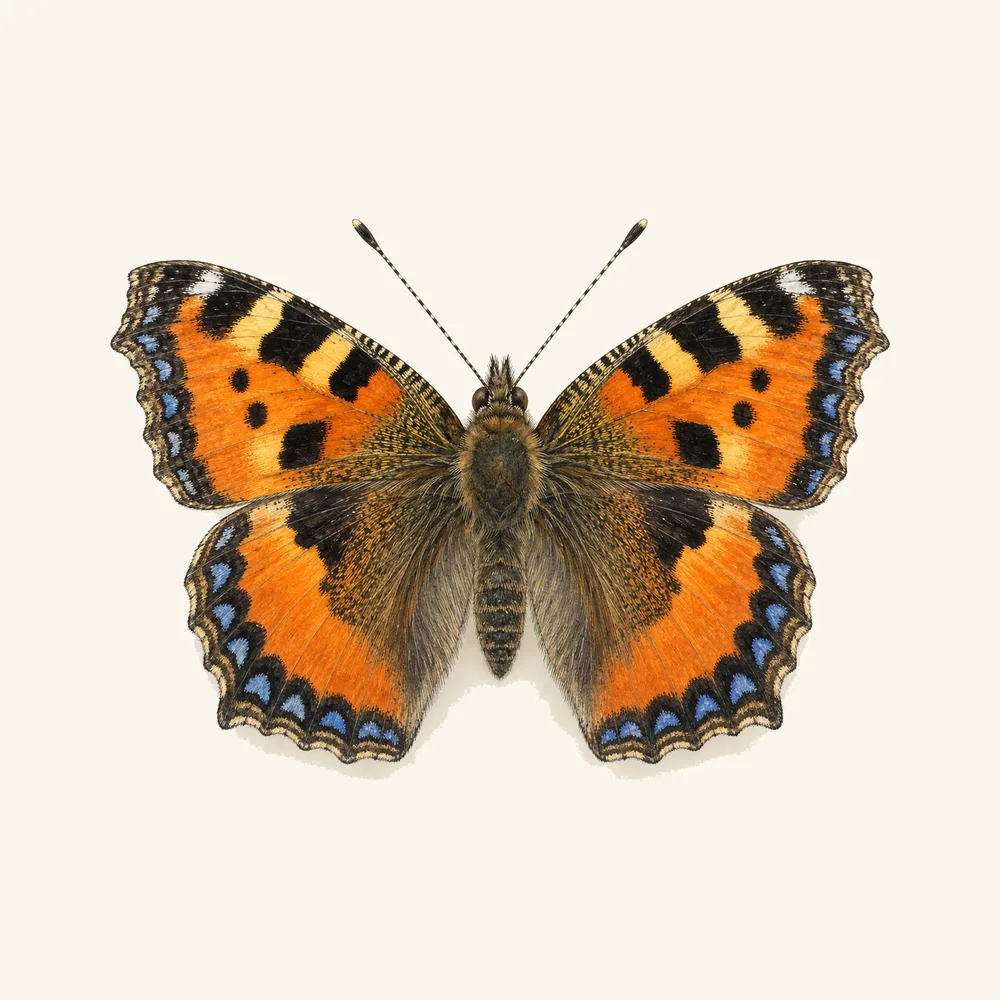
If you can, leave an edge of the lawn uncut. In a six-year study of nearly 650 gardens, Butterfly Conservation found gardens with some long grass had on average 9% more butterflies than gardens without. In highly urban areas the figure was 18%. The scientists think the grass gives breeding habitat to butterflies whose caterpillars feed on grasses. Butterfly Conservation also asks you to leave a sunny patch of nettles for the small tortoiseshell, and some windfall fruit for late red admirals and commas.
Hedges and ivy: hold the shears
The RSPB recommends cutting hedges only between 1 September and 28 February, outside the main nesting season of March to September. Autumn is inside that window, so cutting now is fine as far as nests go. Under the Wildlife and Countryside Act 1981 it’s an offence to intentionally take, damage or destroy the nest of any wild bird while it’s in use or being built. That applies whatever the month, and the RSPB says to check even in the cutting window.
The reason to wait is the food. A hedge cut in October loses its berries. The RHS suggests trimming a berrying hedge one side one year and the other side the next. The Woodland Trust says leave ivy until the new year, because its nectar, pollen and berries feed wildlife in autumn. Butterfly Conservation adds that trimming ivy too early can kill holly blue caterpillars, which feed on the flower buds. See hedge trimming and nesting birds.
What is worth tidying
Lawns. A thick mat of leaves left on a lawn all winter blocks light from the grass. Rake or mow them off (see autumn lawn care). The RHS suggests collecting them with a rotary mower, which shreds them so they rot faster.
Paths and steps. Wet leaves are slippery. Sweep them off.
Ponds, with care. The RHS says a few leaves in a pond are fine. Where leaf fall is heavy, it suggests netting the surface, because built-up debris can encourage algae and weeds. But don’t scoop the bottom clean in winter. The Freshwater Habitats Trust says frogs, and occasionally newts, “quite often hibernate at the bottom of ponds among the leaf litter and plants”. If the pond does need clearing, the RHS advice is to clear only half the mud and debris, so creatures can recolonise.
Diseased leaves. Some diseases spend the winter on fallen leaves. For rose black spot the RHS says to “collect and destroy fallen leaves in the autumn, or bury under a layer of mulch”. Don’t pile leaves from a rose with black spot in the wildlife corner.
Everything else can become leaf mould. The RHS November advice is to put fallen leaves on the compost heap or into separate pens, but to “check first for any wildlife that may be sheltering in the leaves”.
Before you fork, mow or burn
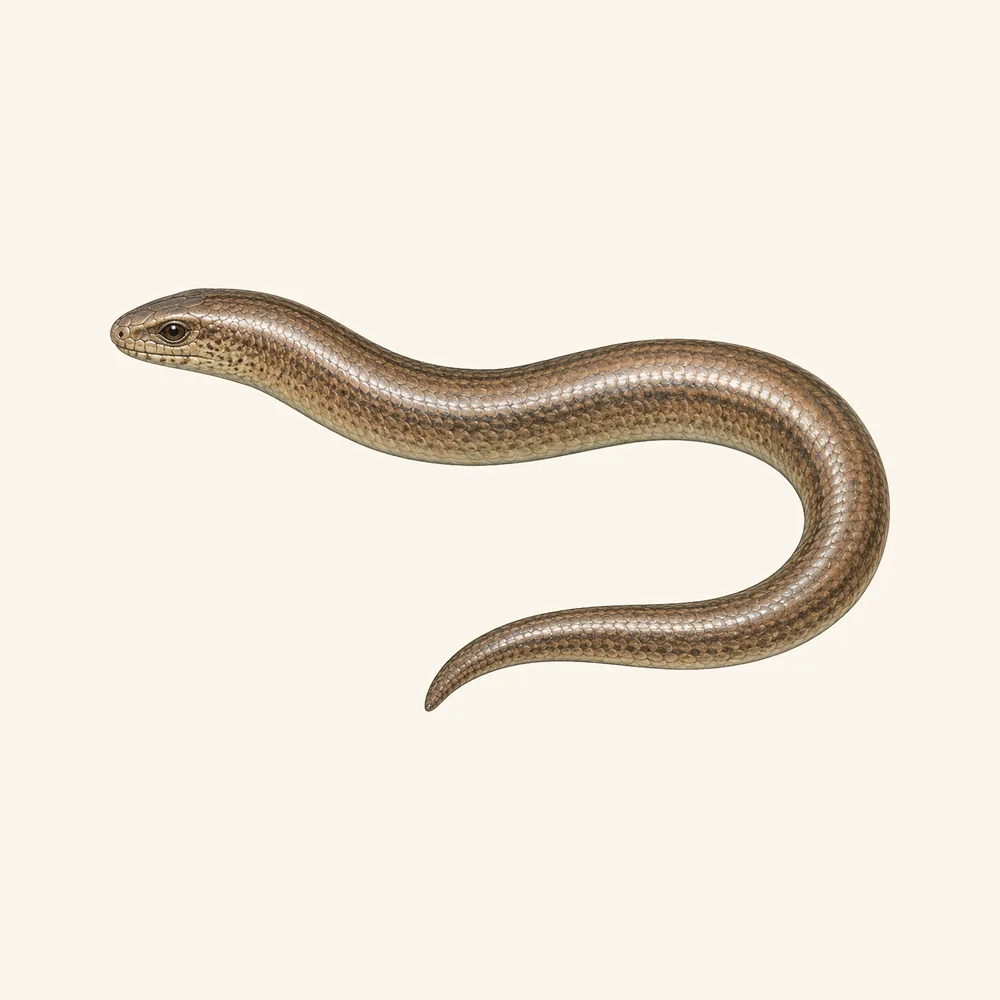
Compost heaps. The BHPS warns: “one thrust of a fork can easily kill more than one baby hedgehog.” It says the safest time to spread a heap is “probably Oct/Nov”, after the young have left and before hibernation. Hedgehogs aren’t the only residents. Toads, newts and slow-worms use compost heaps too. If you haven’t emptied yours by the time the weather turns cold, take compost from the edge and leave the middle until spring.
Long grass. The BHPS says to cut it to about a foot high first, check, and only then cut lower.
Bonfires. A pile built last week is a nest site by now. Build it on the day you light it, and light it from one side only. Our bonfire hedgehog check goes through it step by step. Better still, compost the soft material and stack the woody stuff as a log pile.
If you uncover a hibernating hedgehog, cover the nest back over and leave it alone. A hedgehog that is injured, or out in the open in daylight, is a different matter, and it’s urgent. Ring the BHPS on 01584 890801, or in England and Wales the RSPCA on 0300 1234 999. Our guide to a hedgehog out in the day explains the signs.
The honest bit
The advice to leave leaves, stems and log piles comes from the charities’ practical guidance, not from trials showing that untidy gardens save more animals. It’s cheap, it’s low-risk and it saves you work, but we can’t put a number on it. The one figure here, the butterfly result, comes from a large survey, and it shows that long grass goes with more butterflies, not that it causes them. “Leave the middle of the compost heap until spring” is our own reading of the BHPS timing, not their words. The lawn advice is general gardening practice rather than something we checked against a tier-1 page this time.
How we checked this
- RHS: November — trees and shrubs
- RHS: Five ways to help birds in every season
- RHS: Spectacular seedheads for winter interest and wildlife
- RHS: September — ponds
- RHS: Rose black spot
- RSPB: Go beyond the birdfeeder — top garden plants to grow for birds
- RSPB: Top tips to help nesting birds
- Wildlife and Countryside Act 1981, section 1
- British Hedgehog Preservation Society: Gardening with hedgehogs (leaflet L16)
- The Wildlife Trusts: Help wildlife in the cold
- Woodland Trust: 10 ways to help wildlife in autumn
- Froglife: Reptiles and amphibians in winter (November 2025)
- Freshwater Habitats Trust: Helping pond wildlife survive the cold weather
- Butterfly Conservation: Long grass and flowering ivy in gardens benefit butterflies (February 2025)
- Butterfly Conservation: 10 ways to help butterflies and moths this autumn
Checked against the sources above and reviewed on 30 October 2026. We report what these organisations say; if our page and theirs ever disagree, believe them — and tell us.
On this site
More guides
- When do hedgehogs hibernate, and what to do in your garden nowUsually from about November to March or April, depending on the weather. They wake and move nests in mild spells, so leave the untidy corners alone.
- Hedgehog houses: do they work, and where to put oneOften, yes. In a large survey most houses were used for day nests and over half for hibernation. Untreated wood, a tunnel, shade and shelter matter most.
- Berries for birds: shrubs to plant this bare-root seasonHawthorn, rowan, guelder rose, holly and ivy feed thrushes, redwings and fieldfares all winter. Plant November to March, and check which berries are toxic.