Black and white birds in UK gardens
In a British garden, a black and white bird is most likely a magpie if it has a very long tail, a pied wagtail if it is small and walking about wagging its tail, or a great spotted woodpecker if it is clinging to a tree trunk.
13 of the 30 birds on this site fit. Each one links to its full page, with what separates it from the ones it gets mistaken for.
-
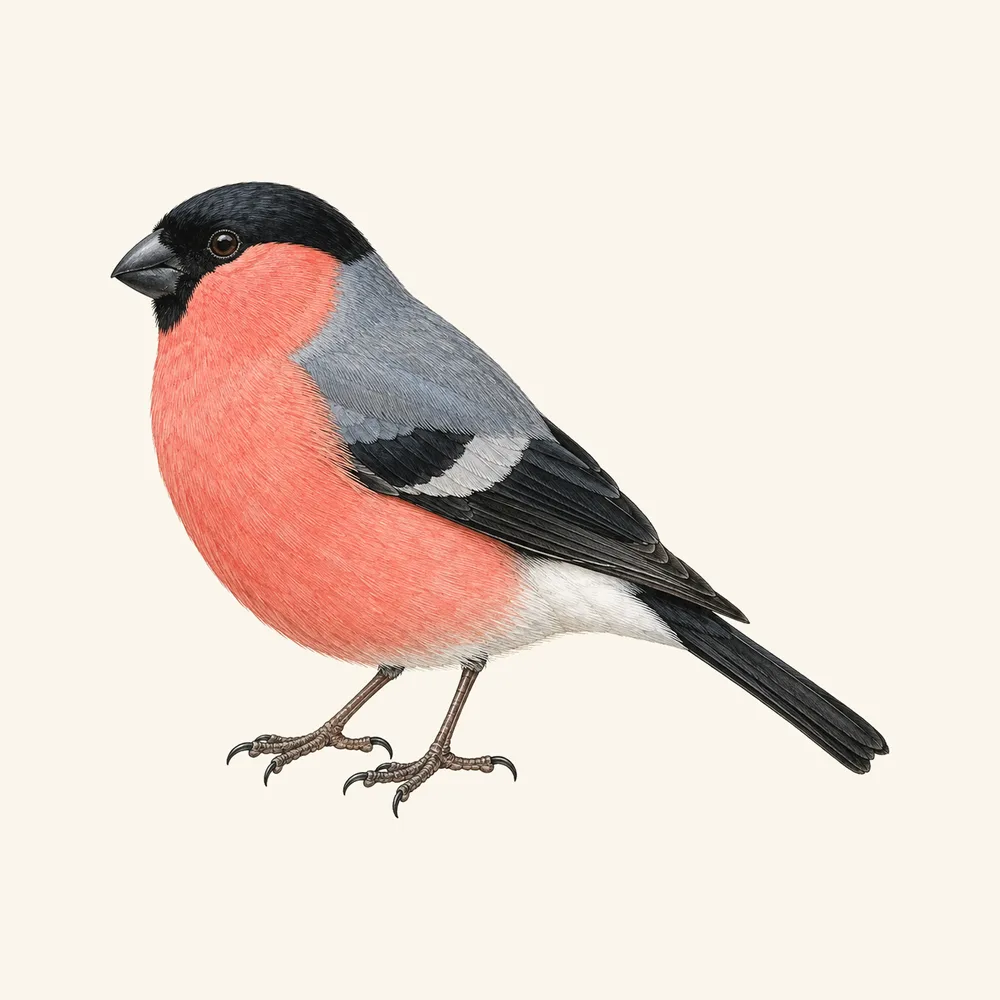
Bullfinch
A thickset, shy finch with a black cap and, on the male, a deep rose-pink breast. You almost always hear the soft piping call first.
-
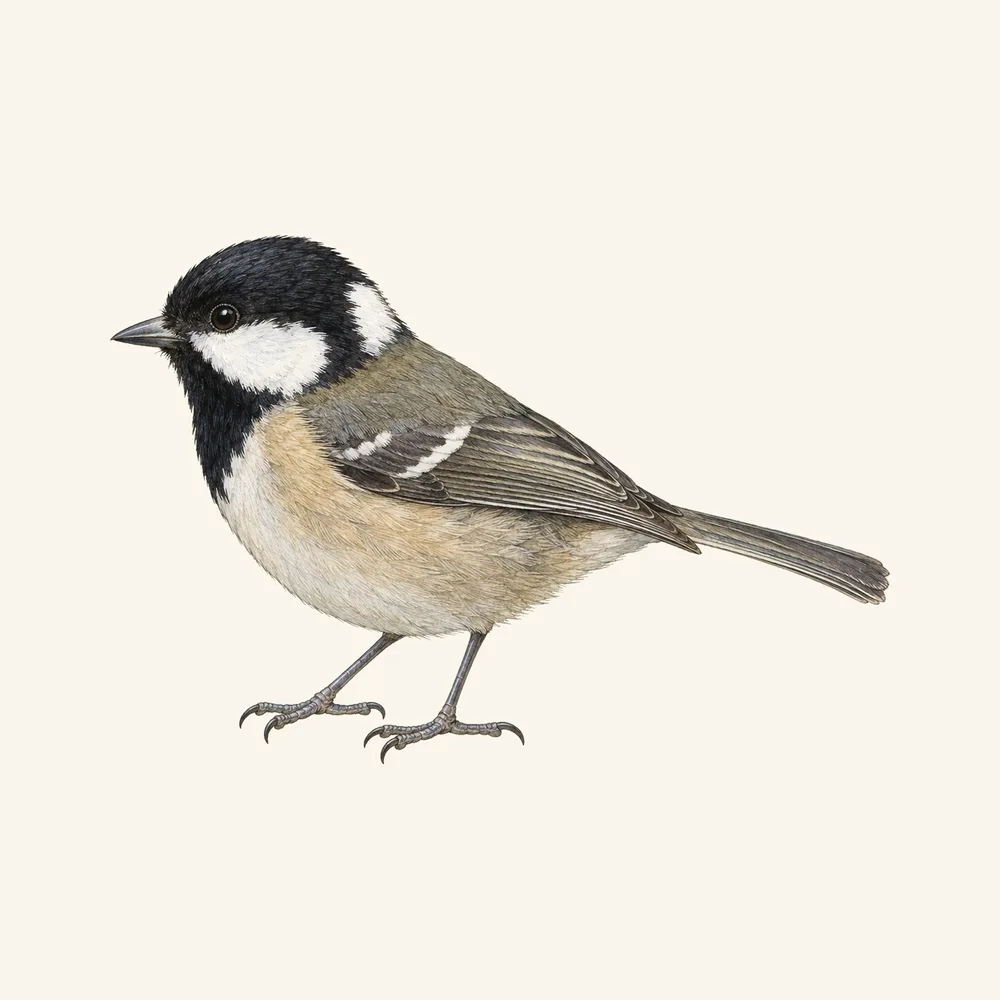
Coal Tit
The smallest UK tit. Black cap and bib with a clean white patch on the nape — the one mark that separates it from a marsh tit.
-
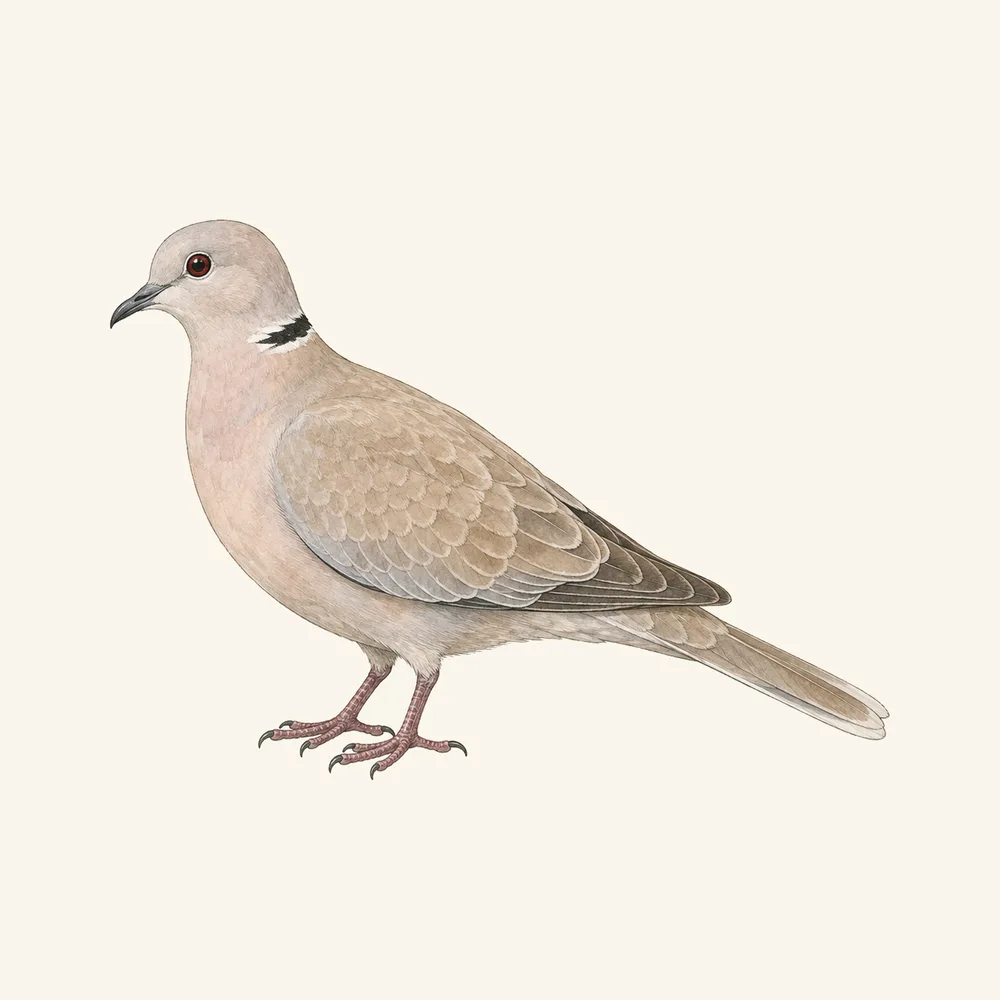
Collared Dove
Pale sandy dove with a thin black half-collar. Unknown in Britain before 1955, now in almost every village and suburb.
-
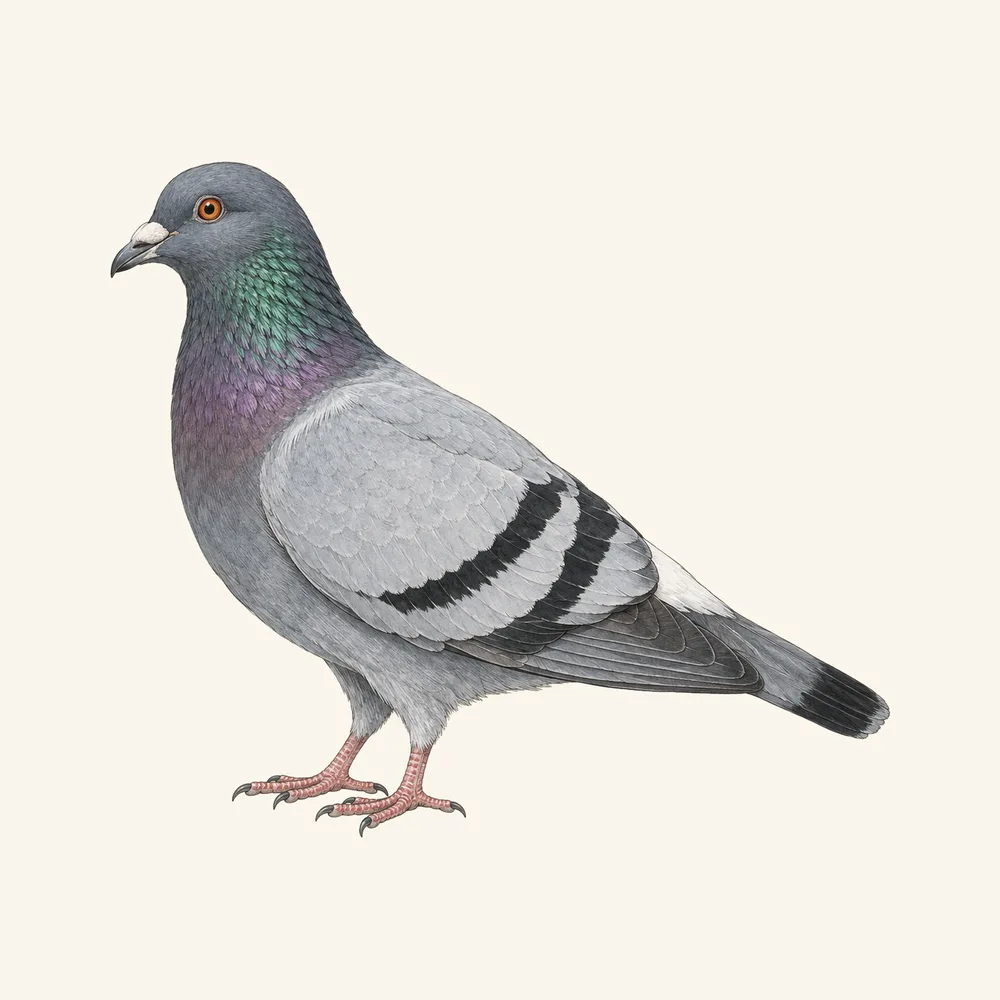
Feral Pigeon
The town pigeon — a rock dove gone urban, in every plumage from pale grey to chocolate. A wild bird in law, like any other.
-
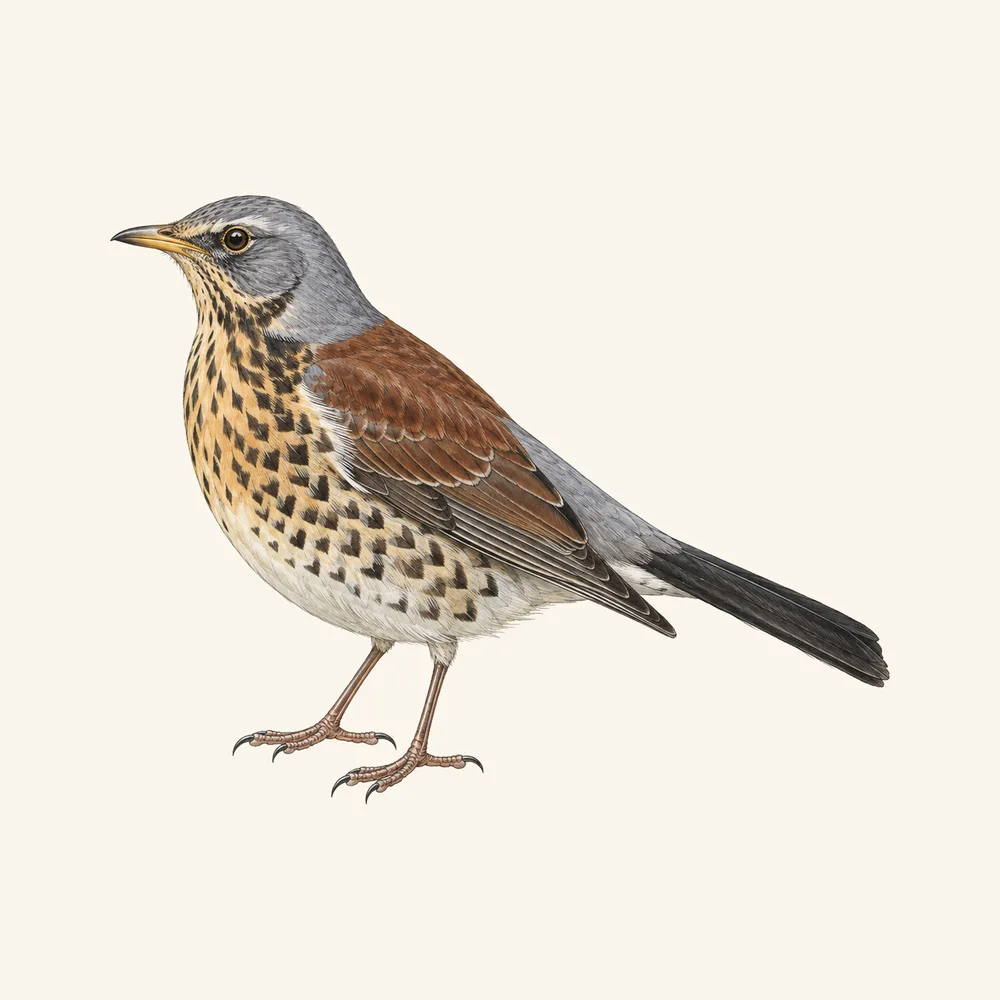
Fieldfare
A big, bold winter thrush with a grey head and chestnut back. Arrives from the north in October, leaves in spring, and loves fallen apples.
-
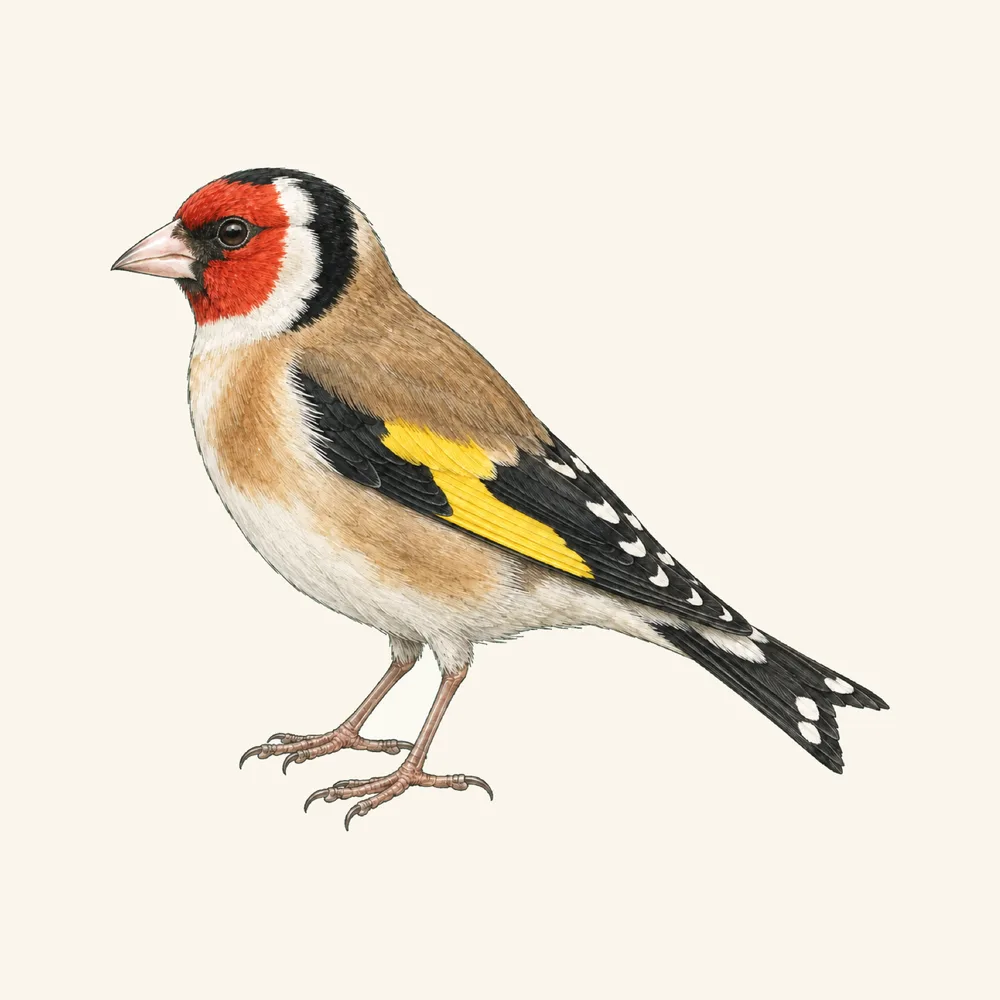
Goldfinch
Red face, gold wing bar, tinkling call. A specialist seed-eater that has moved into gardens in enormous numbers over thirty years.
-
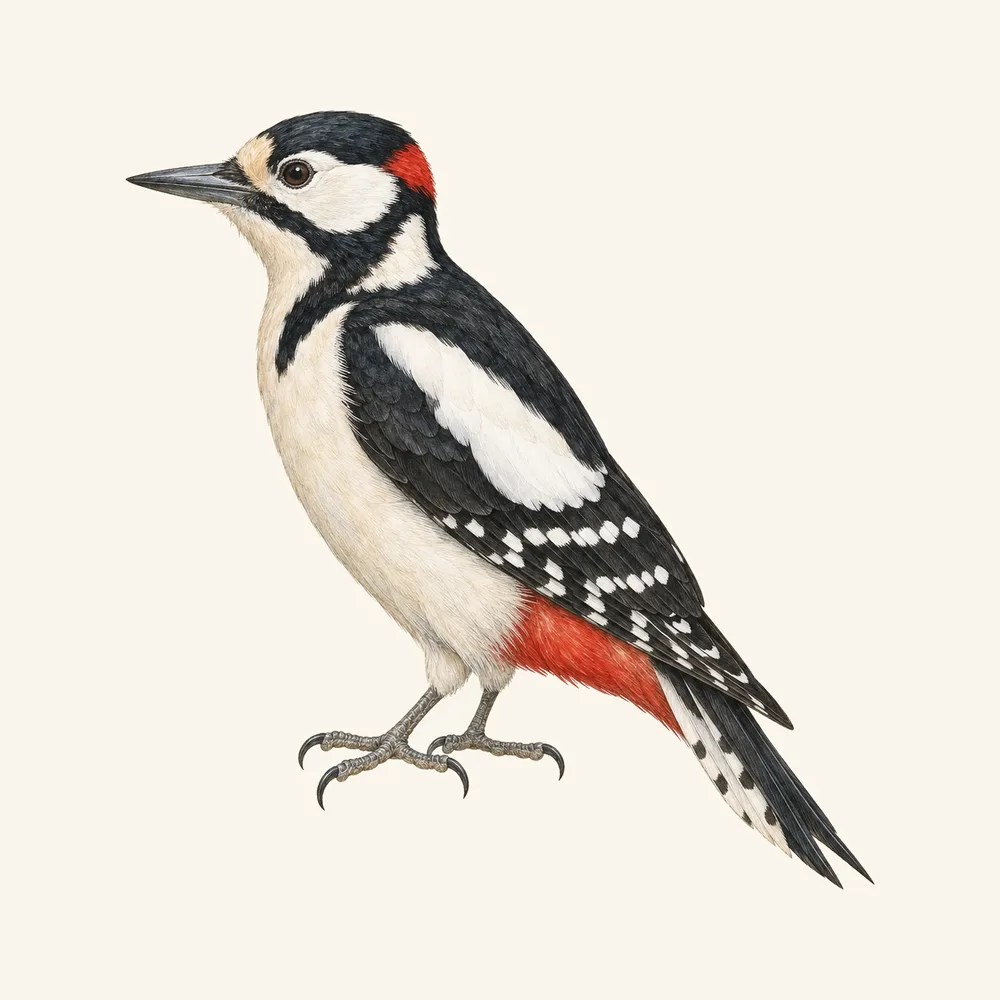
Great Spotted Woodpecker
Blackbird-sized, pied, with red under the tail. Male has a red nape patch; the juvenile's whole crown is red, which fools everyone.
-
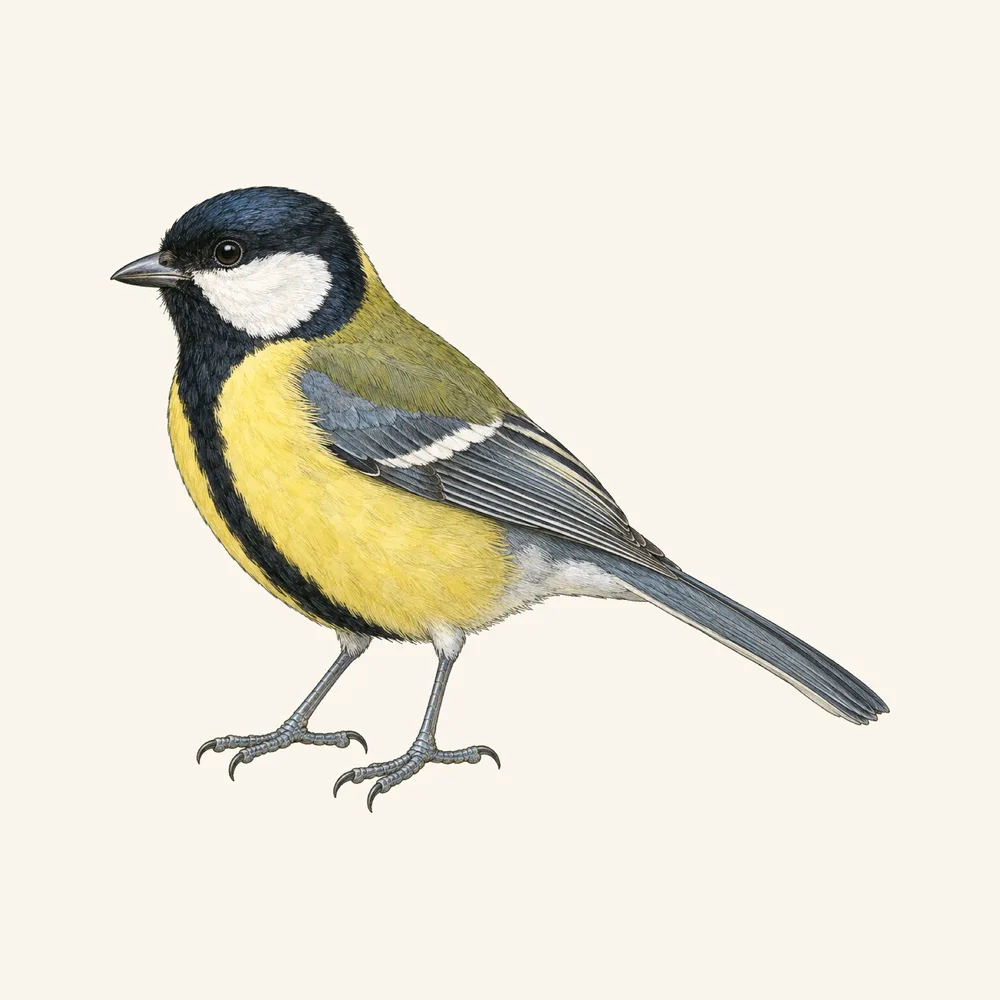
Great Tit
The largest UK tit, and the bossiest bird on the feeder. Black head, white cheeks, and a black stripe straight down a yellow belly.
-
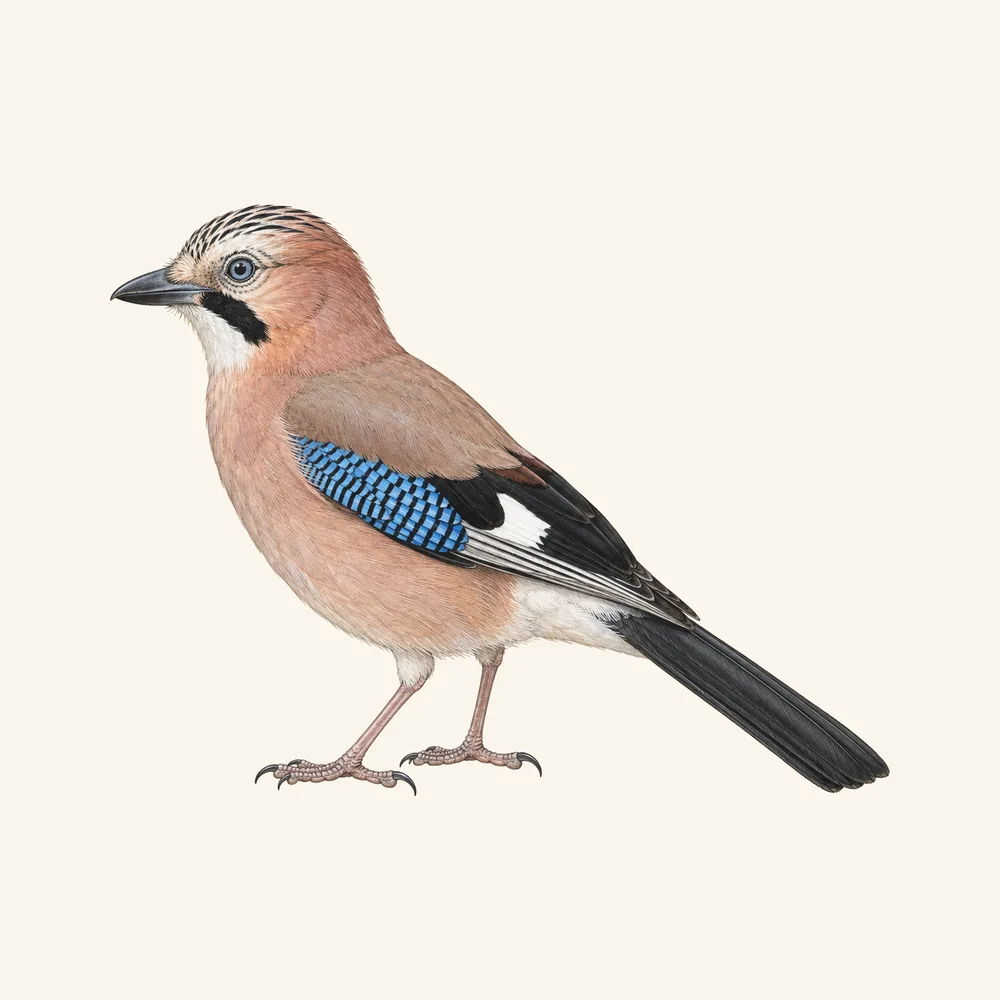
Jay
The woodland crow in pink and blue. Shy, harsh-voiced, and the reason oak trees appear where nobody planted one.
-
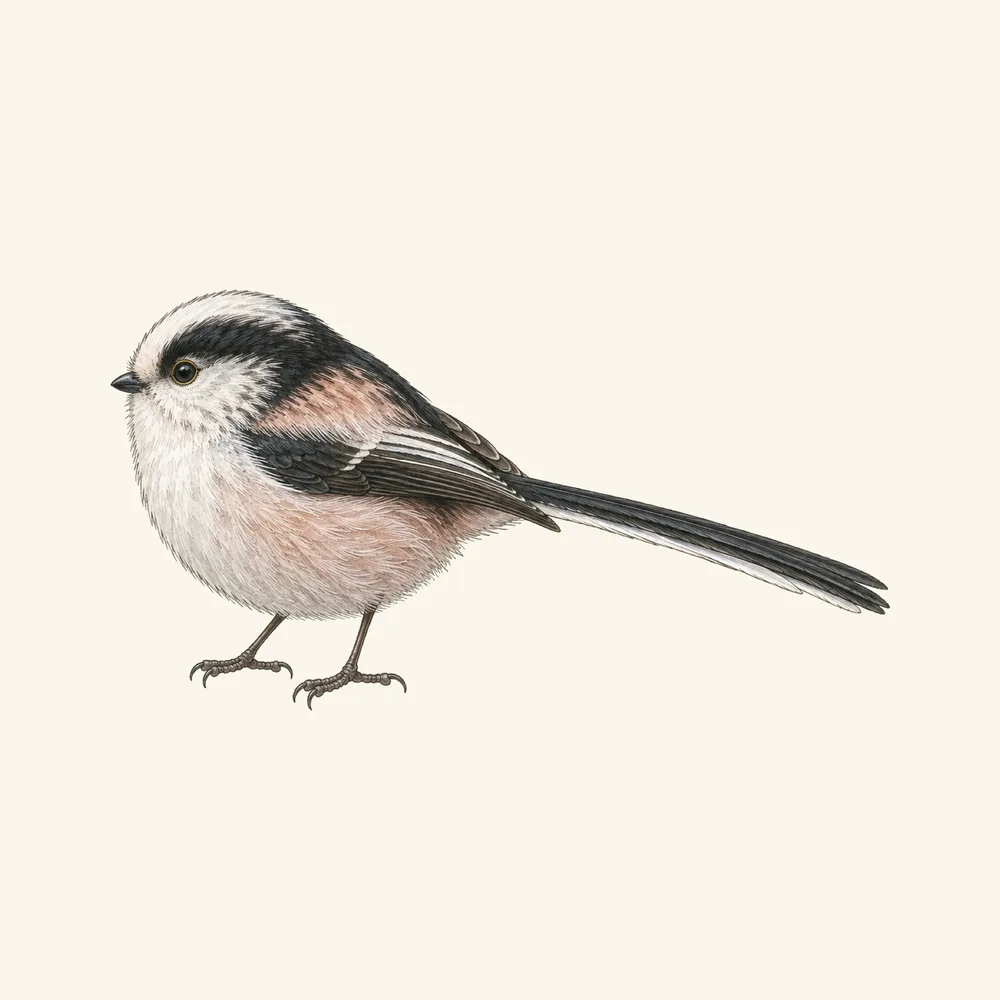
Long-tailed Tit
A pink-and-black ball of feathers with a tail longer than its body, arriving in excitable flocks and gone again in a minute.
-
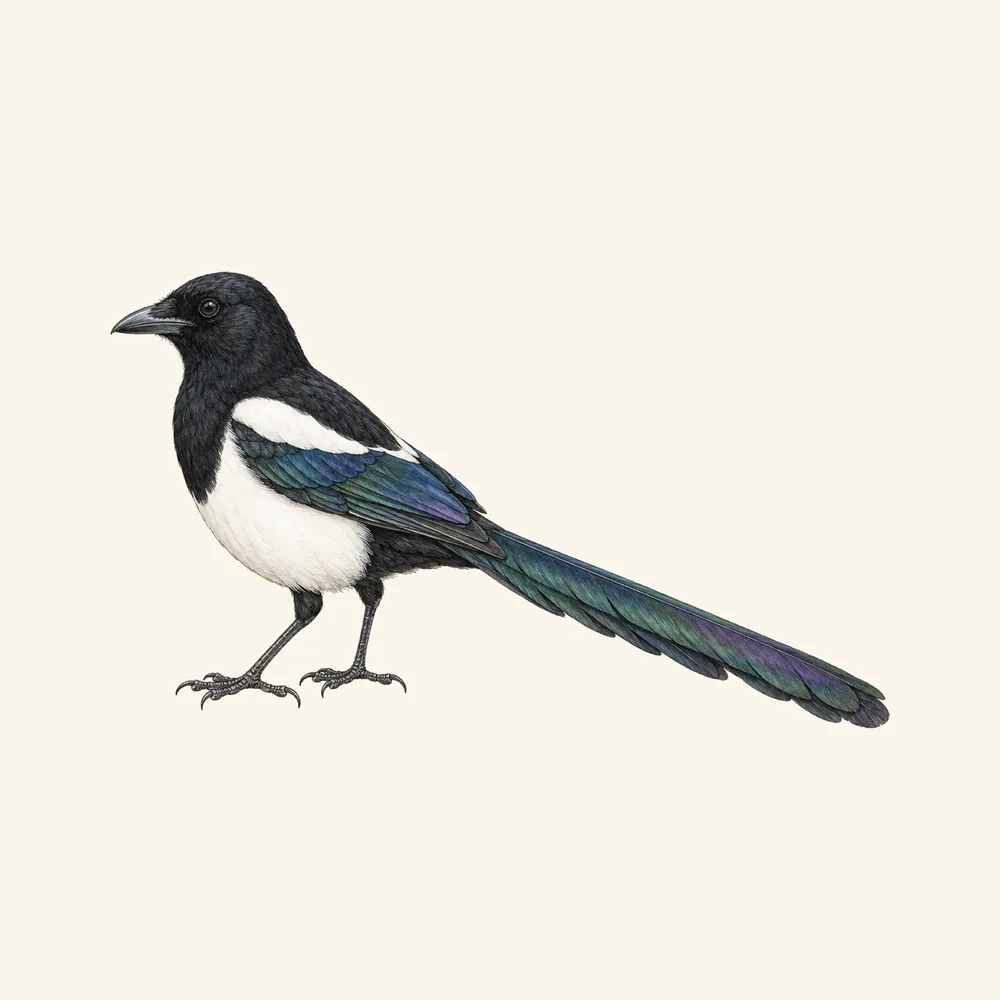
Magpie
Black and white, long-tailed and loudly opinionated. A clever, much-maligned crow that is doing rather better than its reputation.
-
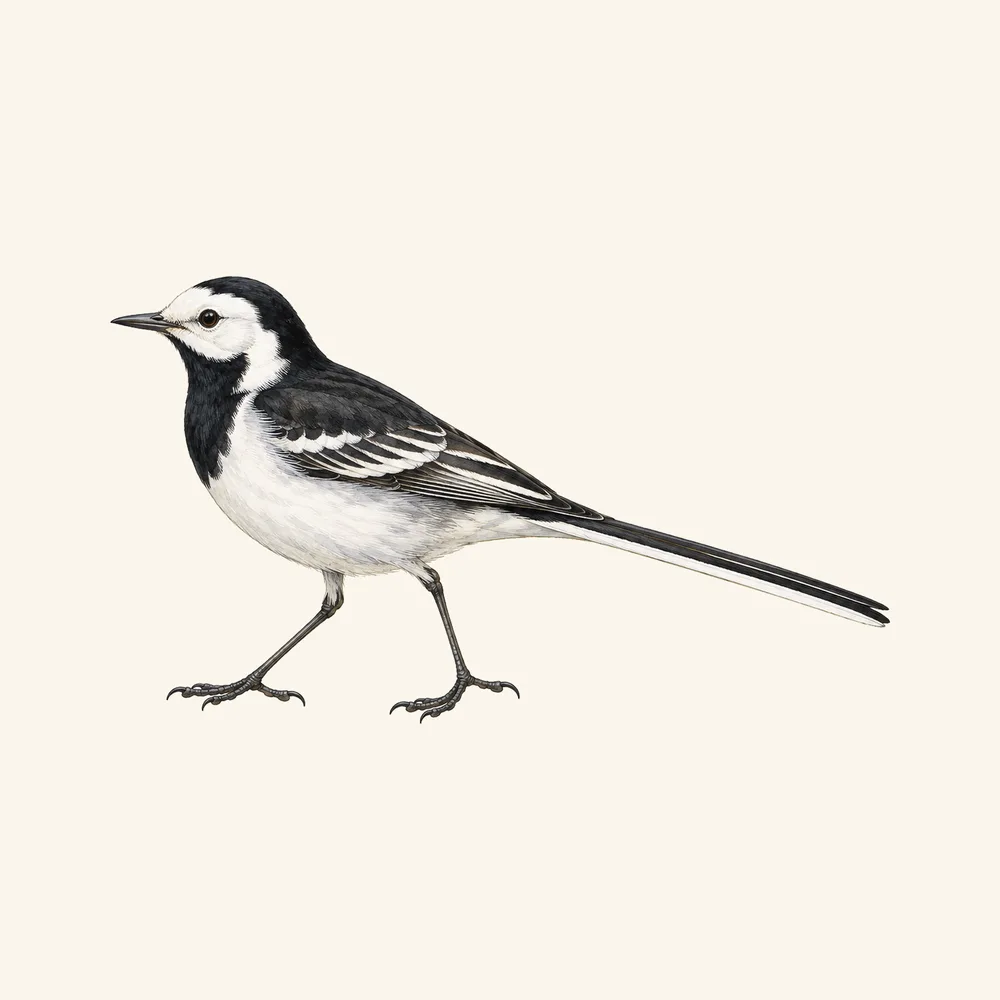
Pied Wagtail
A slim black-and-white bird that walks rather than hops, wagging its tail constantly, usually on a lawn, path, drive or flat roof.
-
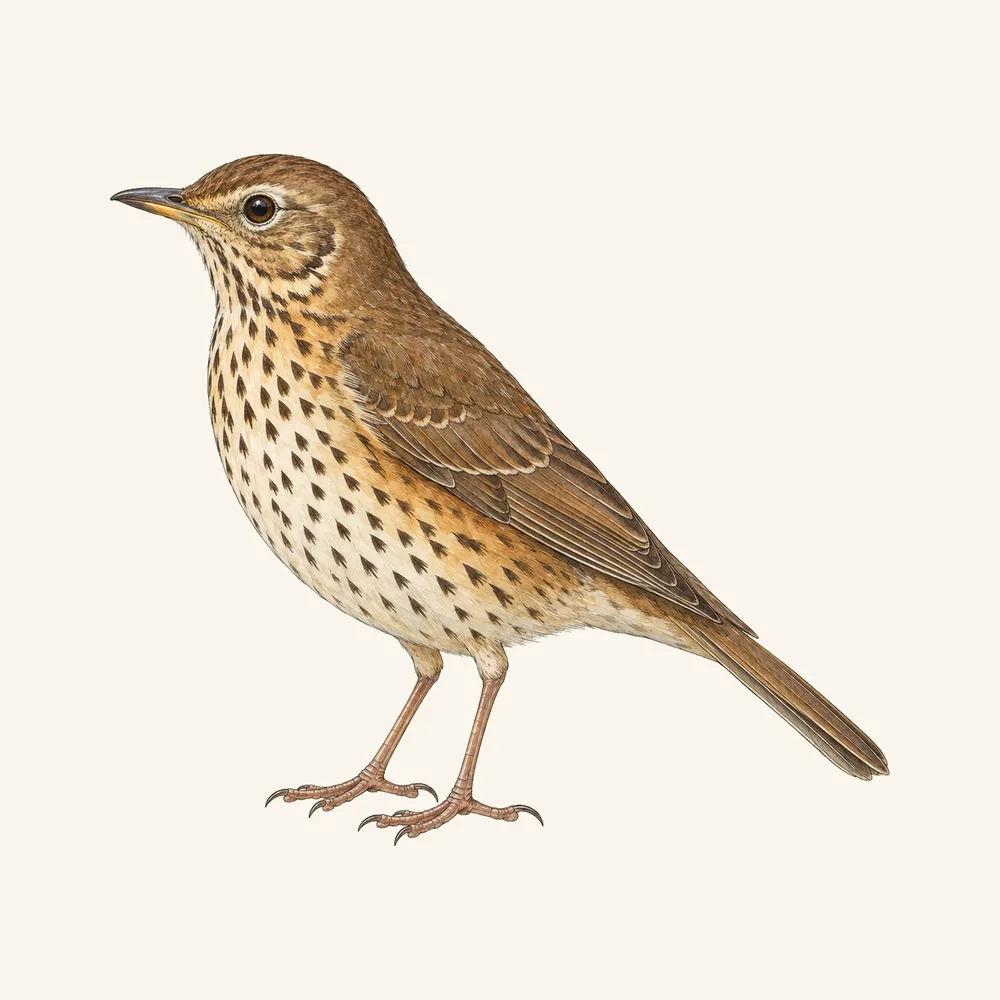
Song Thrush
Amber listed and down 45% since 1967. Warm brown above, small arrowhead spots in neat lines, and a song that repeats every phrase.
Not here? Describe what you saw — the identifier ranks every garden bird rather than filtering them out, so it will not hide yours.