UK garden birds that arrive in flocks
A sudden flock in a garden is most often starlings, long-tailed tits moving through as a group, house sparrows, or winter thrushes stripping a berry bush.
10 of the 30 birds on this site fit. Each one links to its full page, with what separates it from the ones it gets mistaken for.
-
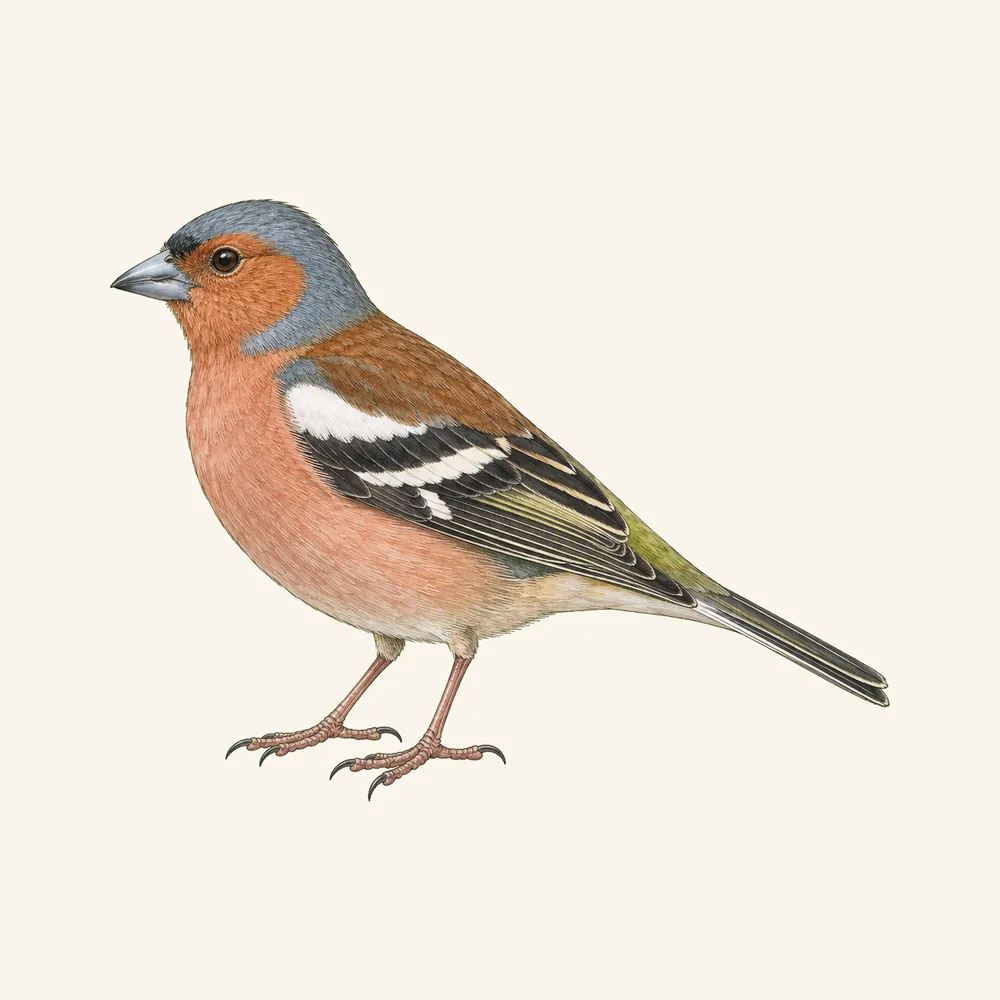
Chaffinch
Still one of Britain's commonest birds, but quietly falling away. Pink-breasted male, bold white shoulder flash, a rattling downhill song.
-
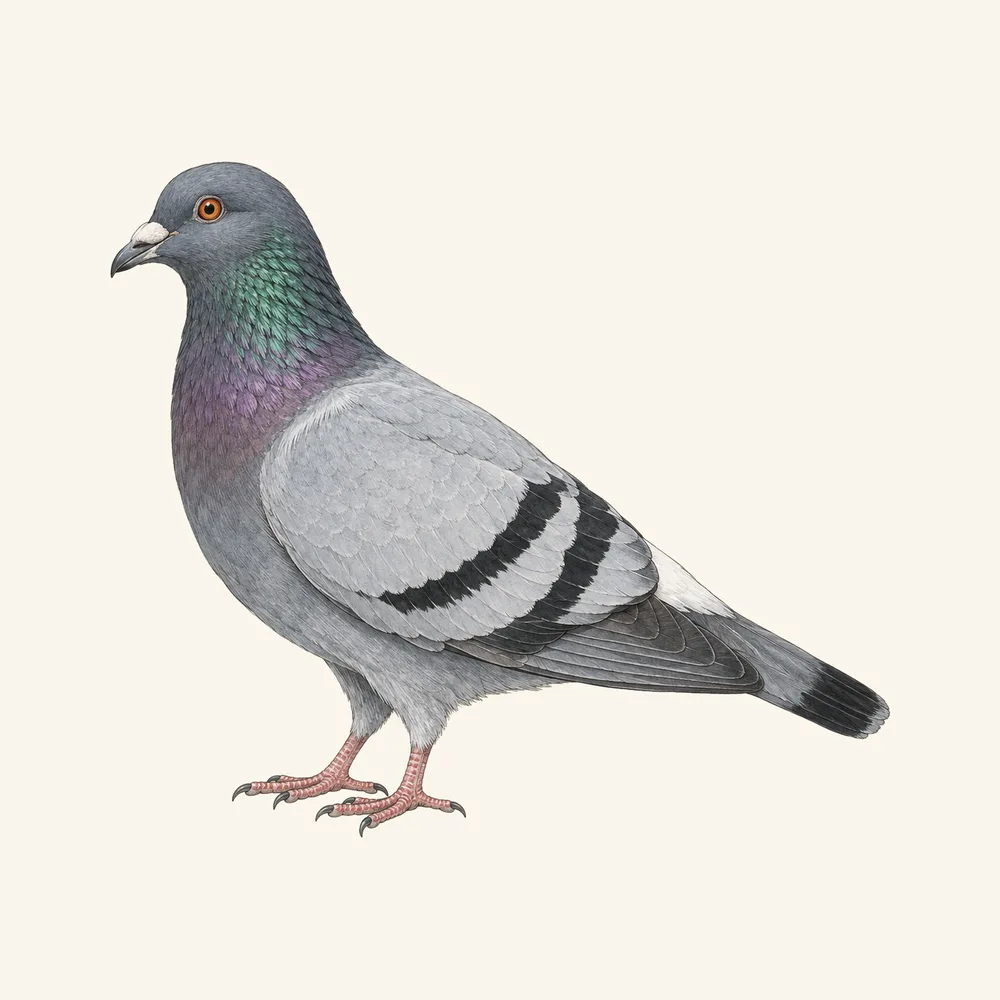
Feral Pigeon
The town pigeon — a rock dove gone urban, in every plumage from pale grey to chocolate. A wild bird in law, like any other.
-
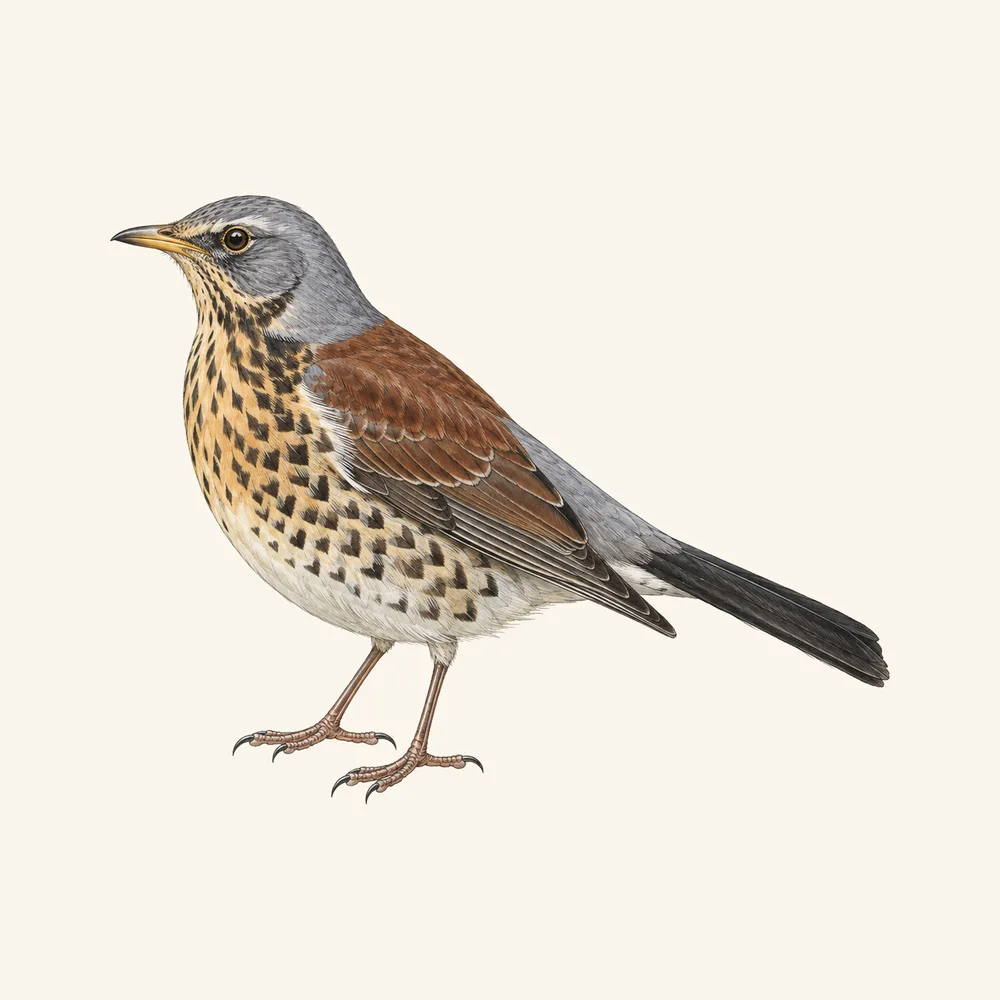
Fieldfare
A big, bold winter thrush with a grey head and chestnut back. Arrives from the north in October, leaves in spring, and loves fallen apples.
-
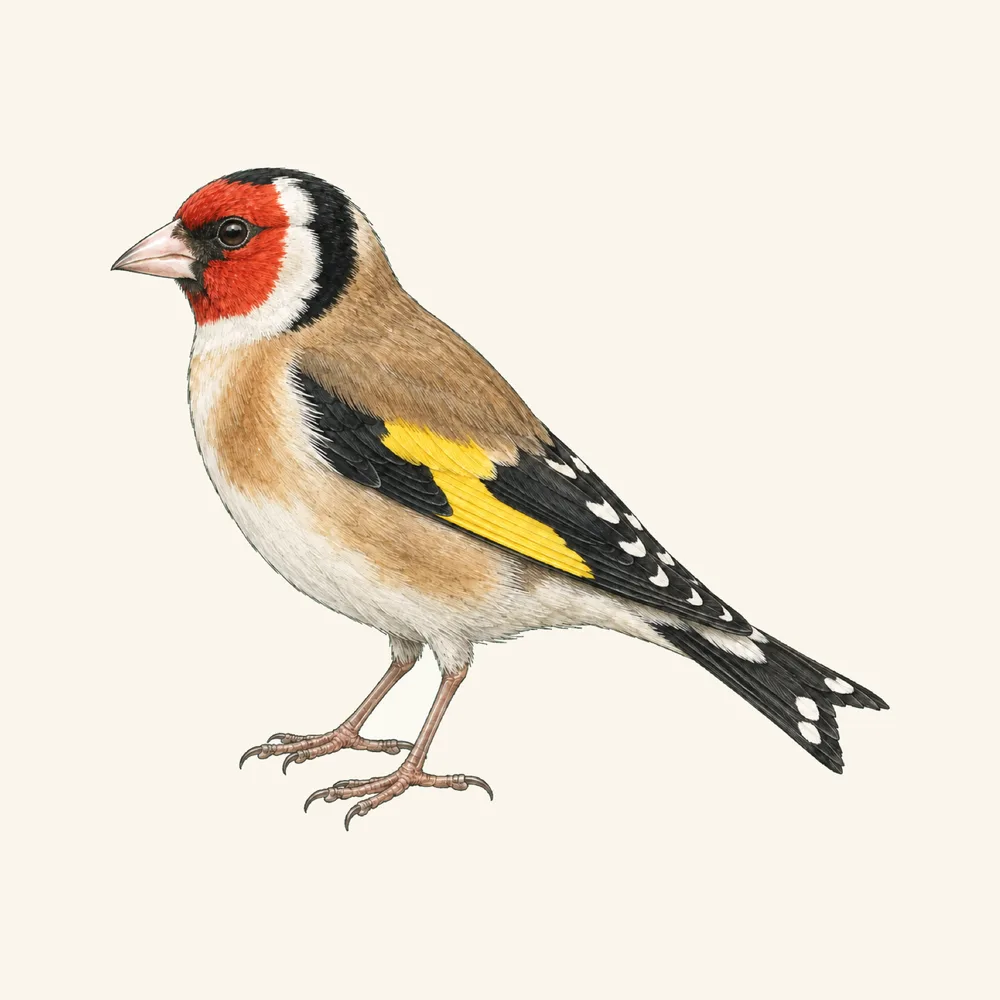
Goldfinch
Red face, gold wing bar, tinkling call. A specialist seed-eater that has moved into gardens in enormous numbers over thirty years.
-
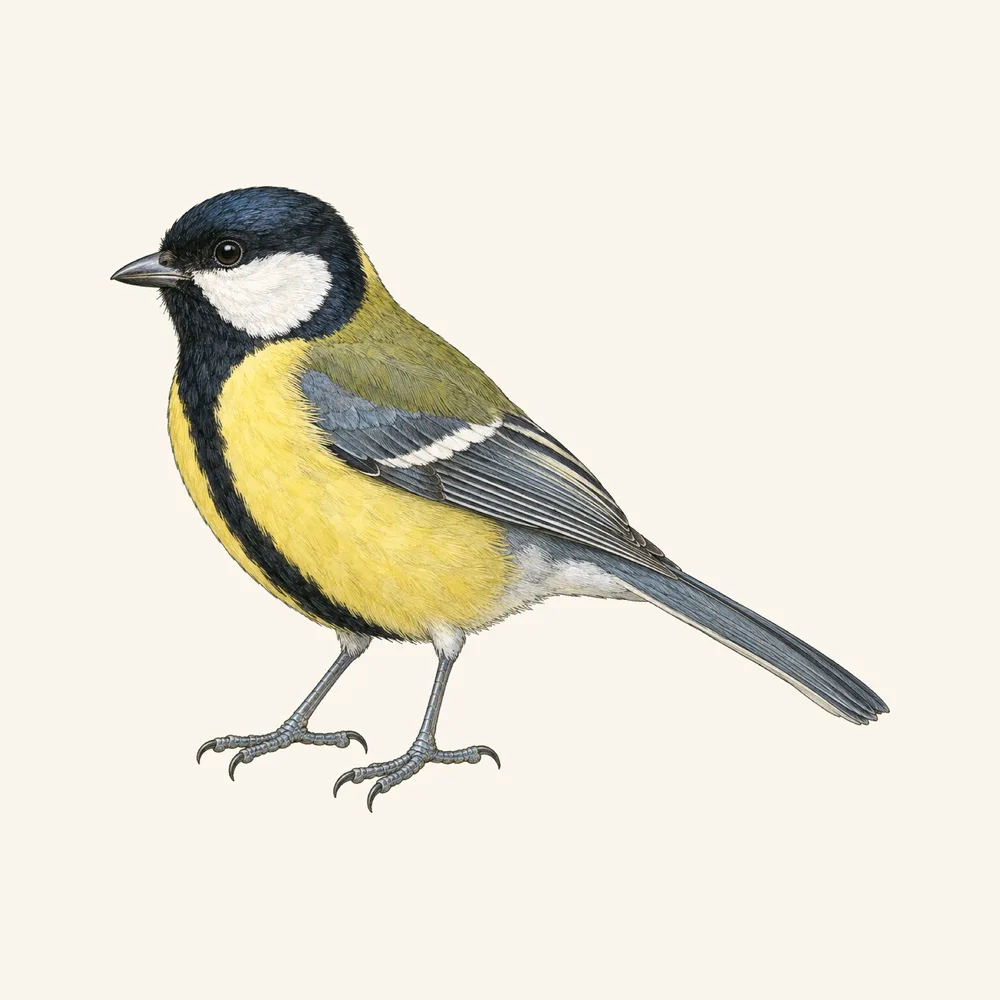
Great Tit
The largest UK tit, and the bossiest bird on the feeder. Black head, white cheeks, and a black stripe straight down a yellow belly.
-
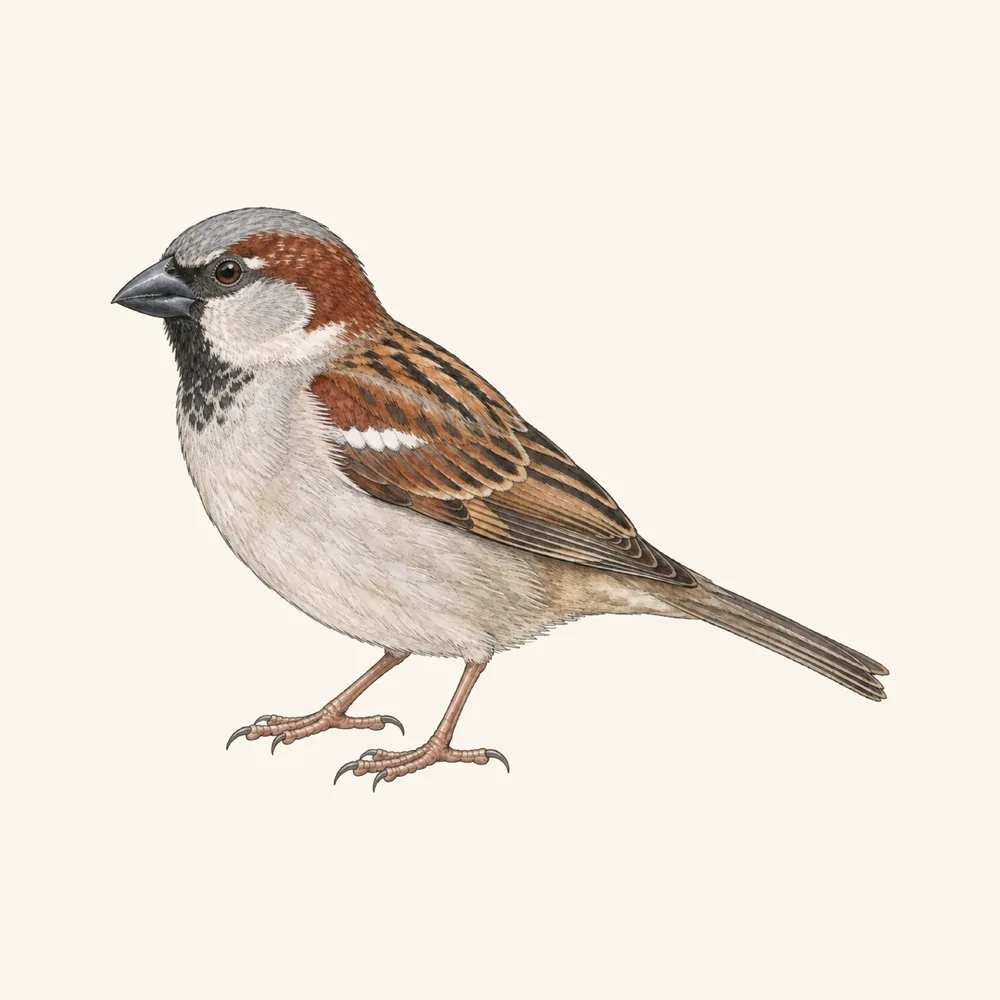
House Sparrow
Red-listed despite topping the Birdwatch. Sparrows nest in colonies, so one box rarely works — put up three, near dense cover.
-
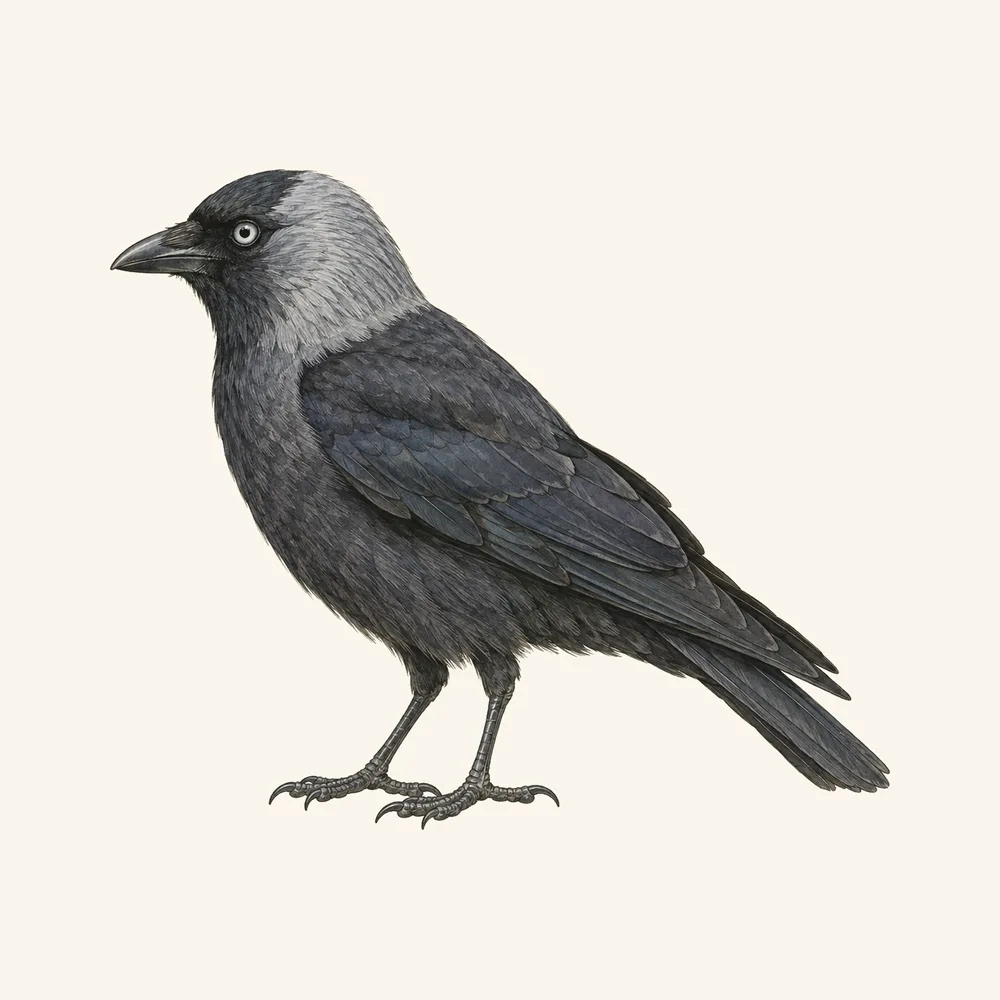
Jackdaw
The small crow with pale silver eyes and a grey hood. Nests in chimneys, calls its own name, and pairs for life.
-
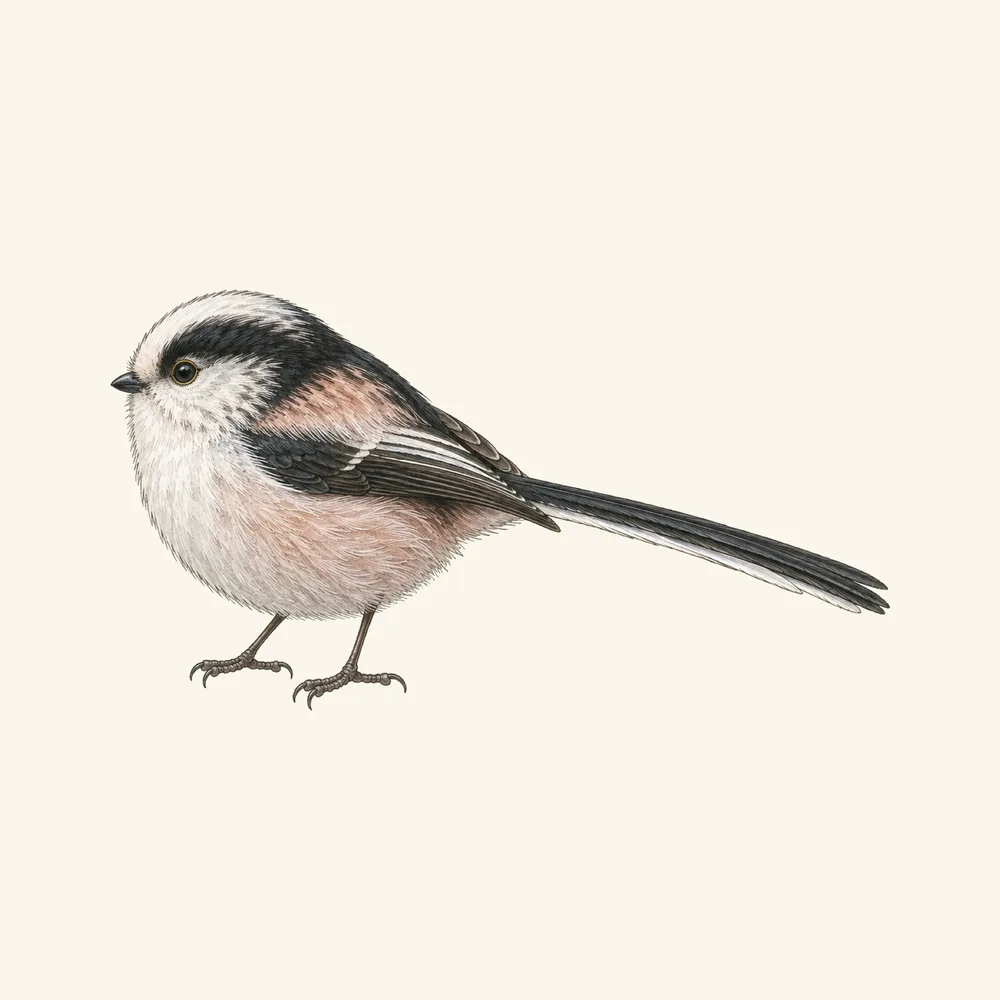
Long-tailed Tit
A pink-and-black ball of feathers with a tail longer than its body, arriving in excitable flocks and gone again in a minute.
-
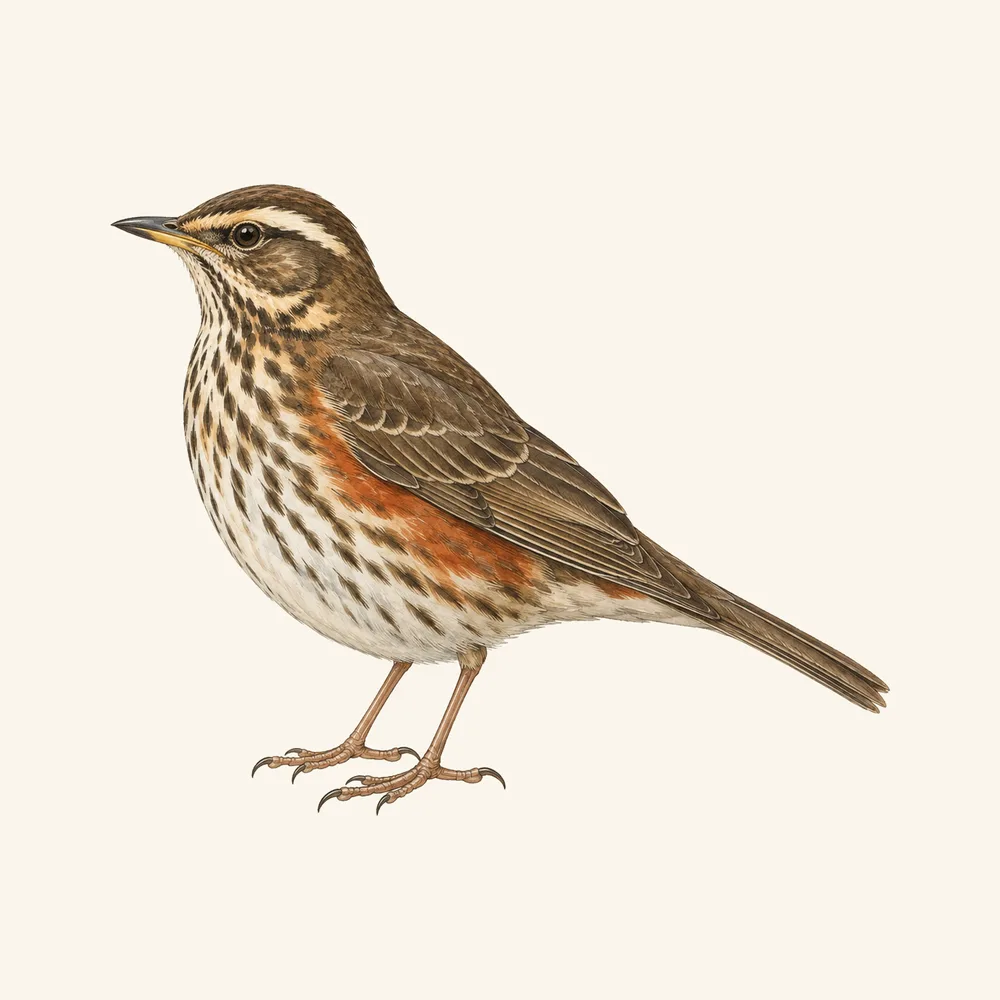
Redwing
A small dark thrush with a cream eye-stripe and rusty flanks. A winter visitor from the north, arriving in October and gone by April.
-
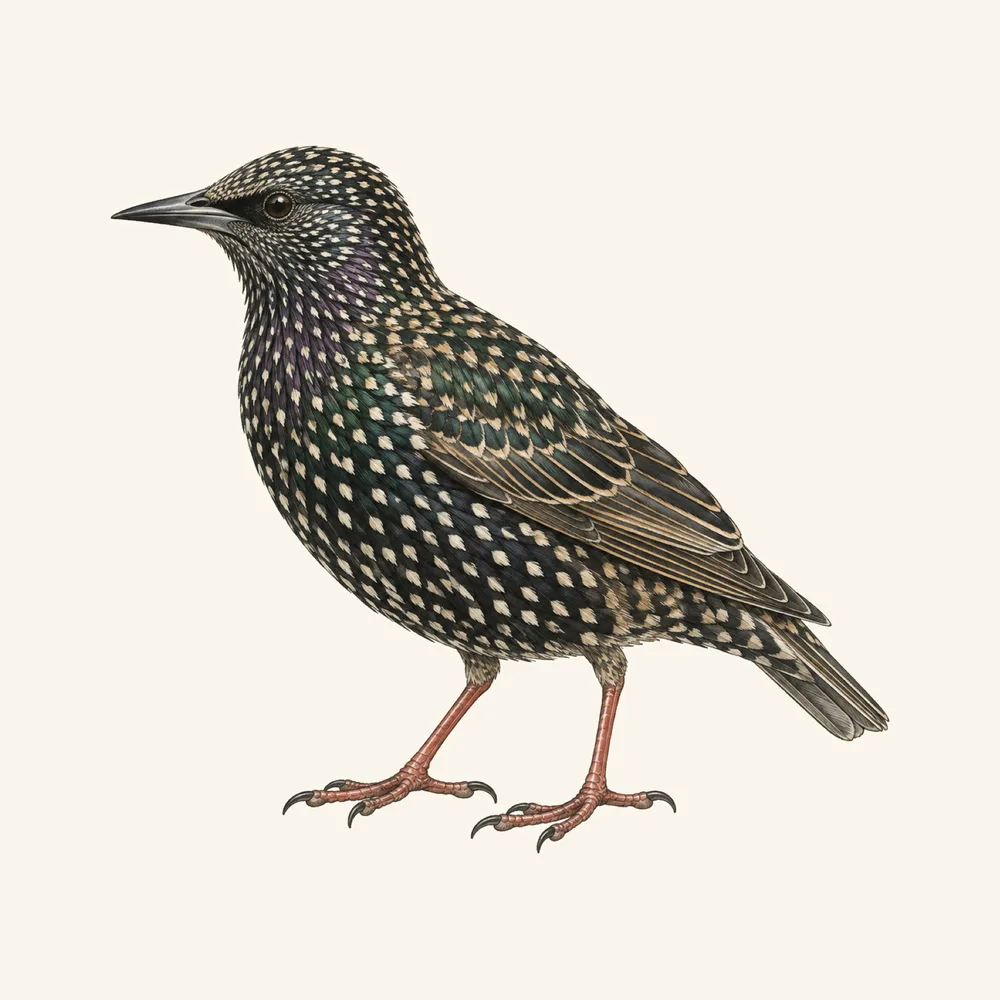
Starling
Red-listed, down 61% since 1995, and still third in the Birdwatch. Its future turns on lawns and grubs, not on feeders.
Not here? Describe what you saw — the identifier ranks every garden bird rather than filtering them out, so it will not hide yours.