Wildlife · Guide · 29 October 2026
Bird boxes: hole size, height and which way to face — and why autumn is the time to put one up
Fix it 1–3m up a trunk or wall, facing roughly north-east, tilted slightly forward, away from feeders. The hole size decides who moves in.
Put a small-hole bird box 1–3 metres up a tree trunk or wall, facing roughly north-east so the hole is out of strong sun and driving rain. Tilt it very slightly forward, give it a clear flight path, and keep it away from your feeders. Then choose the hole size: that, more than anything, decides who moves in.
Why now, not March
The BTO says nest boxes for small birds have traditionally gone up in spring, but that a box can go up at any time of year, and that pairs start prospecting for sites in late February. It also says “it is never too early or late to put up a nest box, as some birds will use them to roost in during the winter months”. A box up by autumn is in place, weathered and familiar before the prospecting starts.
So a box fixed in October or November has had four months to become part of the scenery by the time a blue tit starts house-hunting. National Nest Box Week, 14–21 February, is the usual nudge. The BTO calls mid-February “the ideal time to start looking out for nesting birds”. Think of it as the deadline, not the start.
The hole size decides the species
This is the bit to get right. A few millimetres either way changes who can get in, and a bigger bird will happily evict a smaller one. These figures match our species records.
| Entrance | Who it’s for | Notes |
|---|---|---|
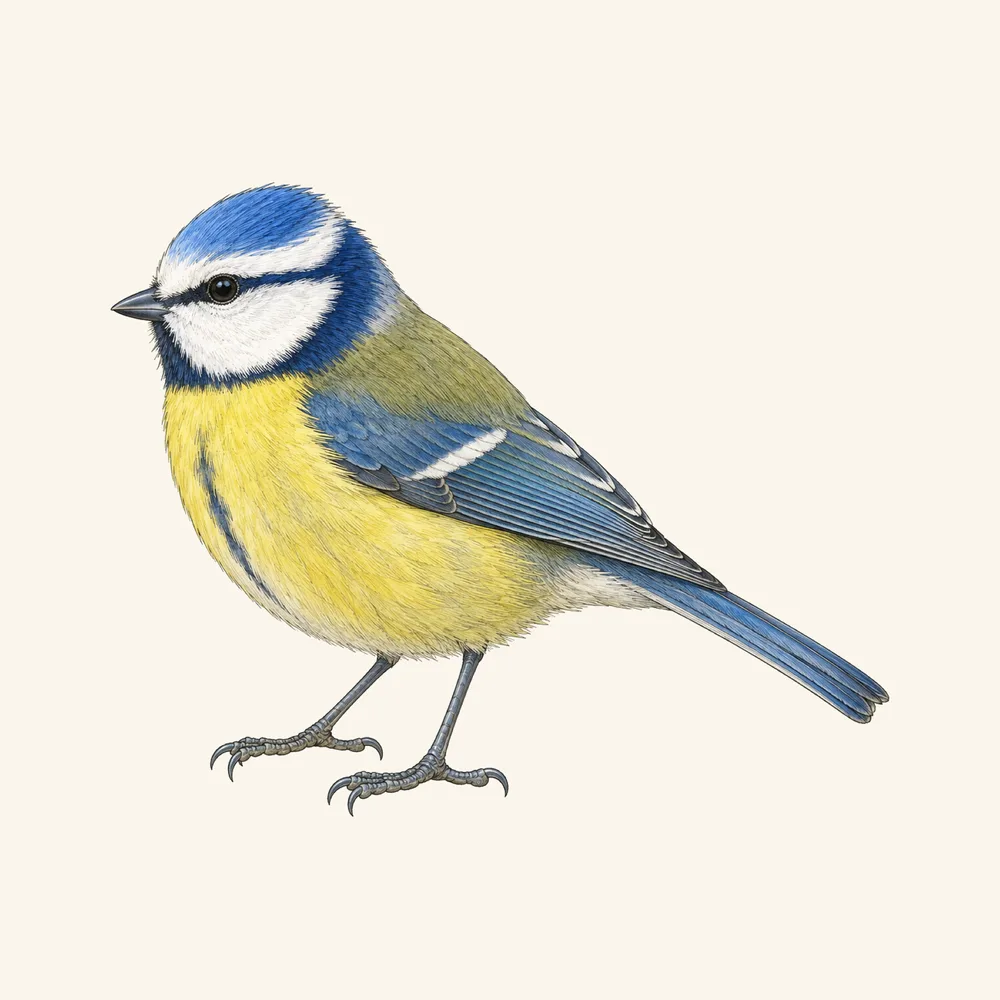
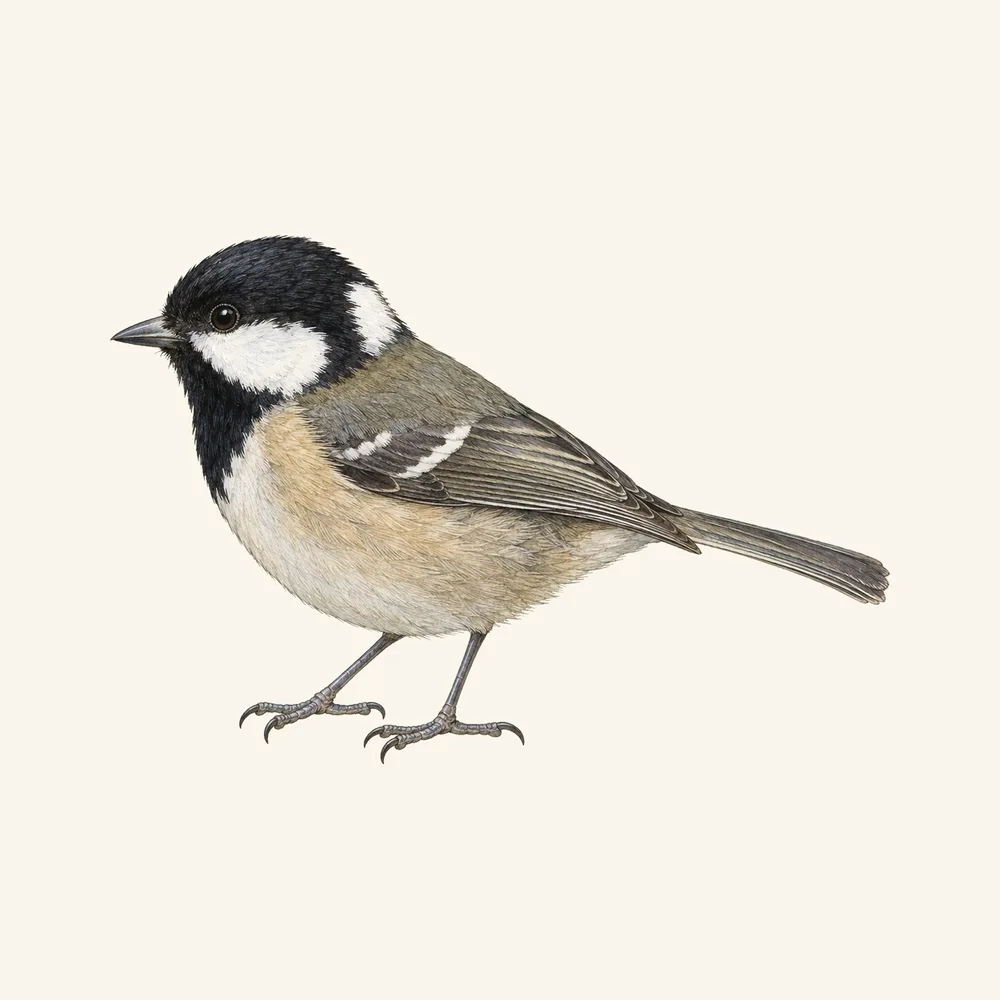
| 25 mm round | Blue tit, coal tit | Keeps out great tits and sparrows. Site a coal tit box low, about 1 m or less. |
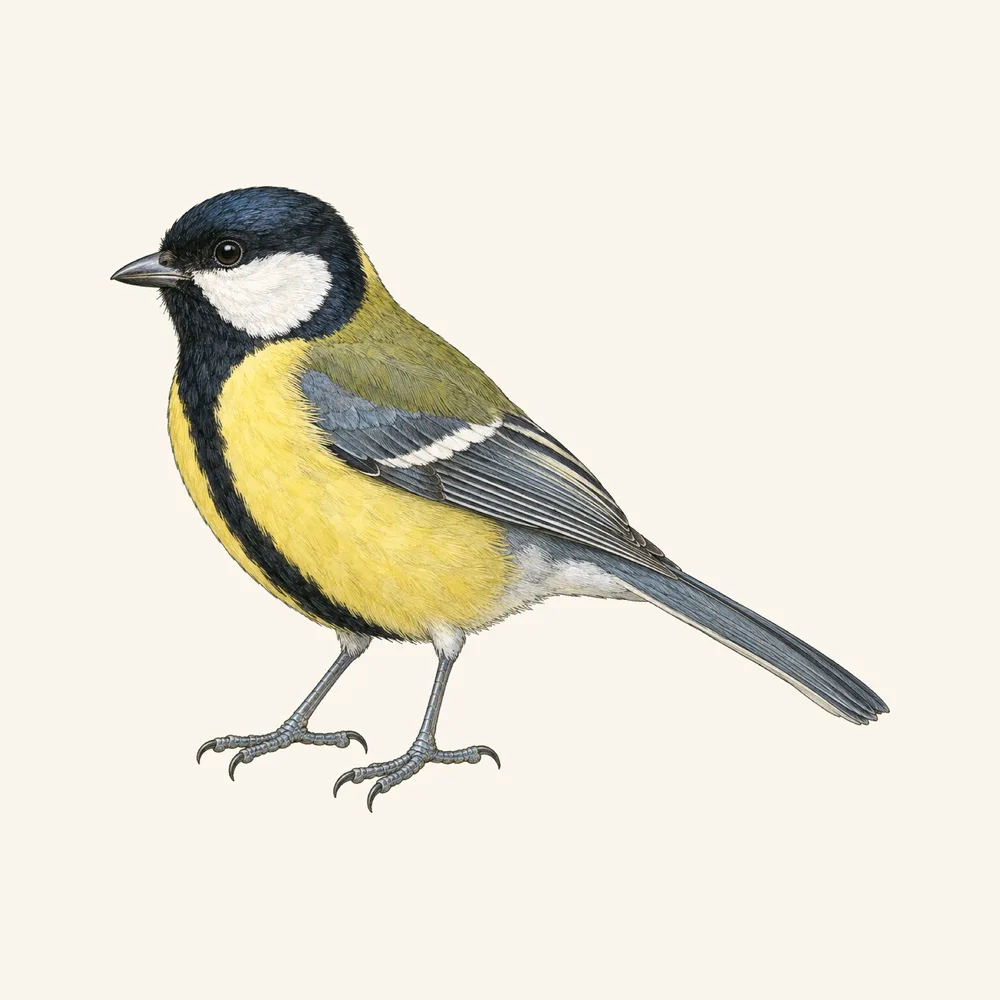
| 28 mm round | Great tit | Also admits blue and coal tits. |
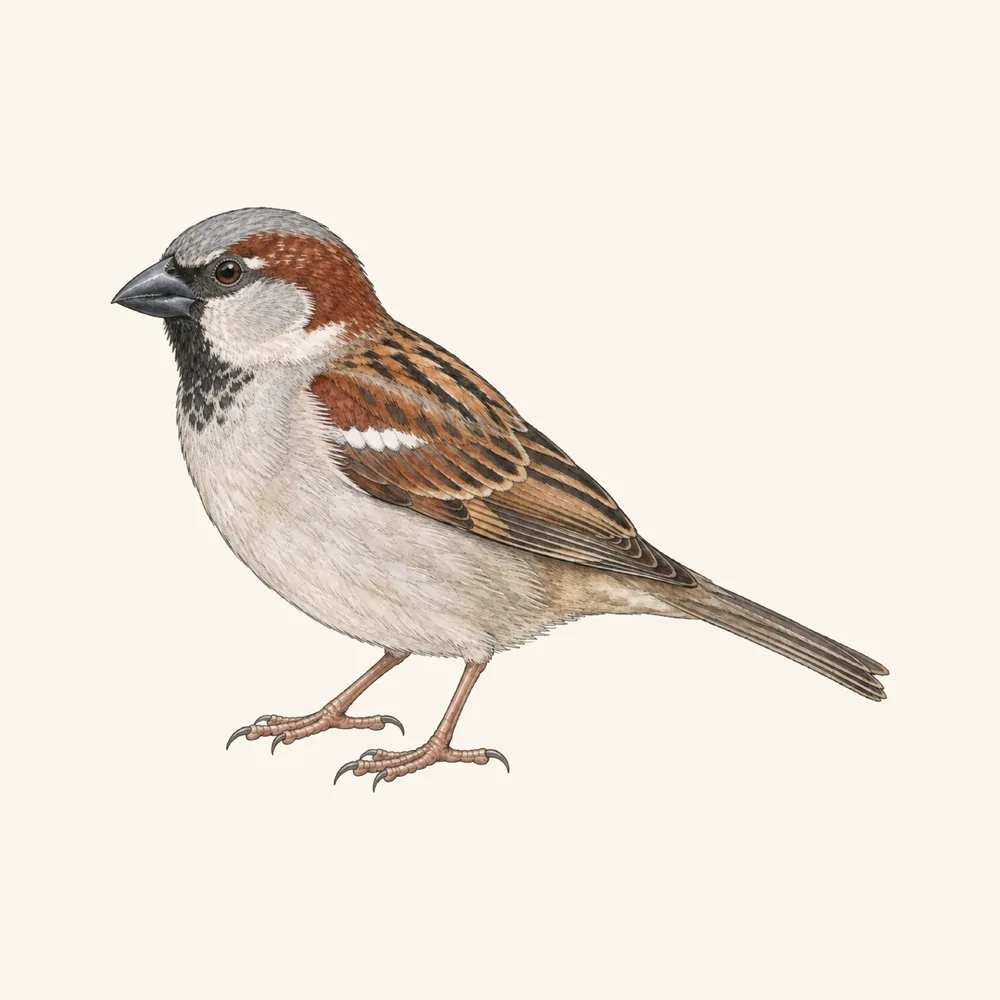
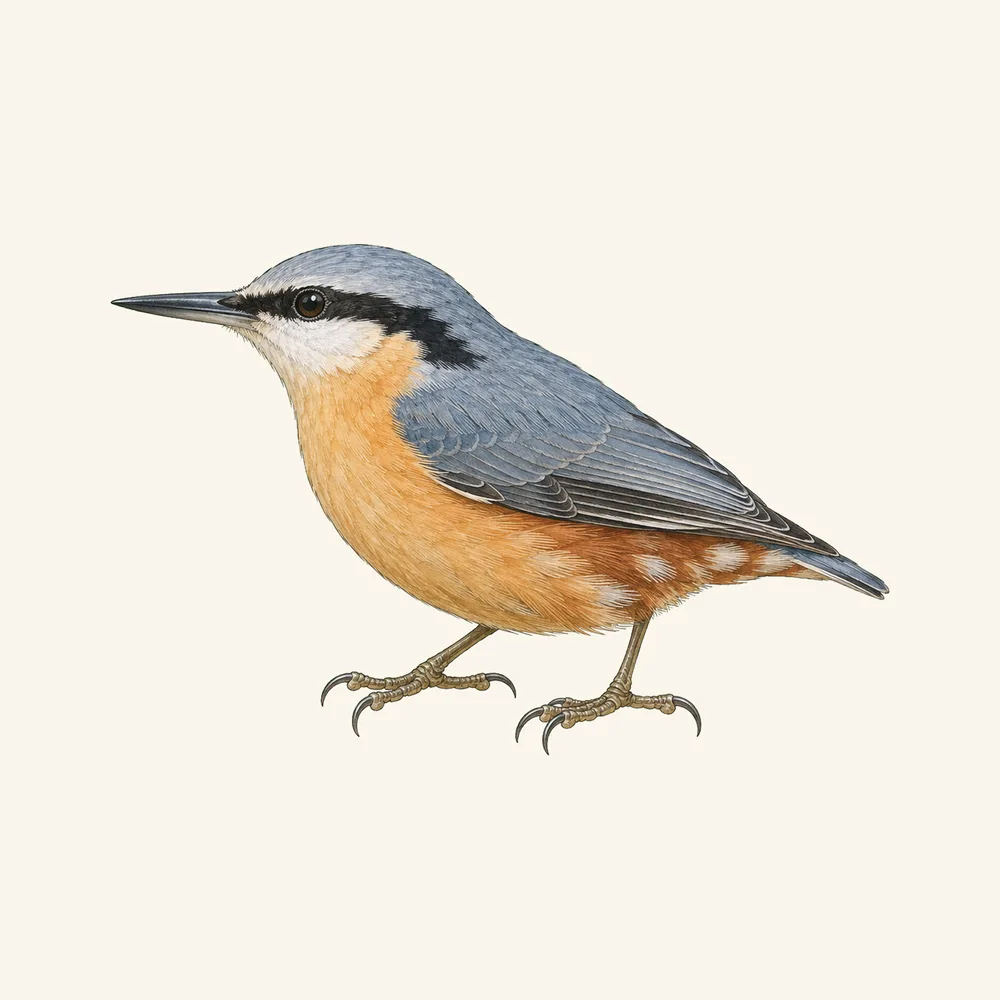
| 32 mm round | House sparrow, nuthatch | Sparrows nest in colonies: put up two or three, over 2 m up. Nuthatch boxes go over 3 m. |
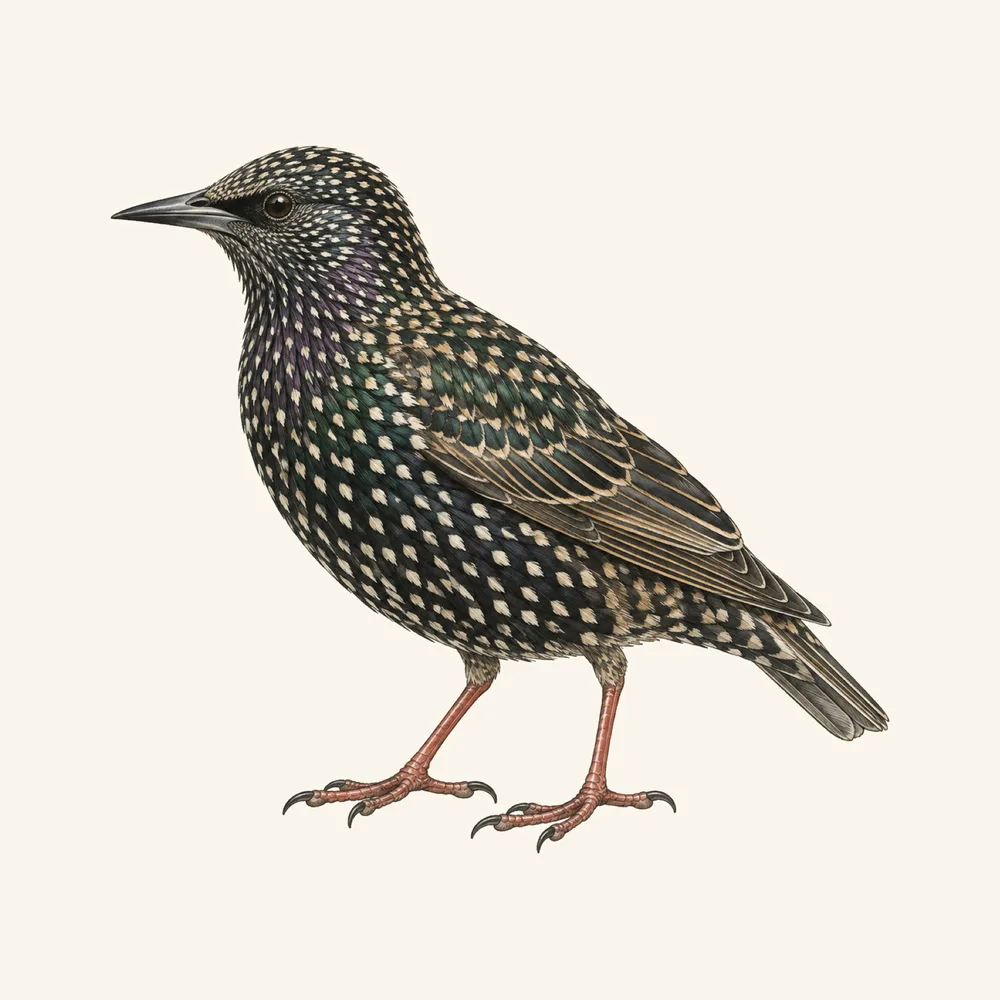
| 45 mm round | Starling | The BTO’s figure. |
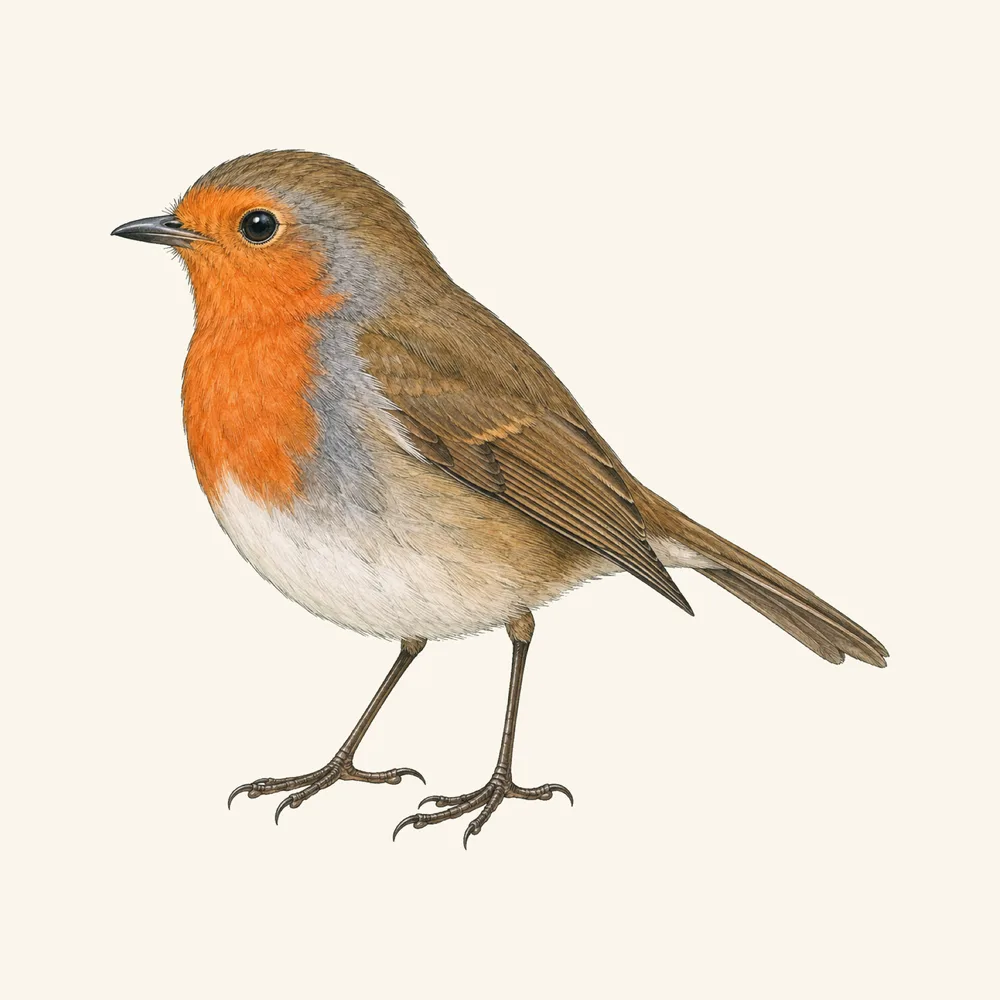
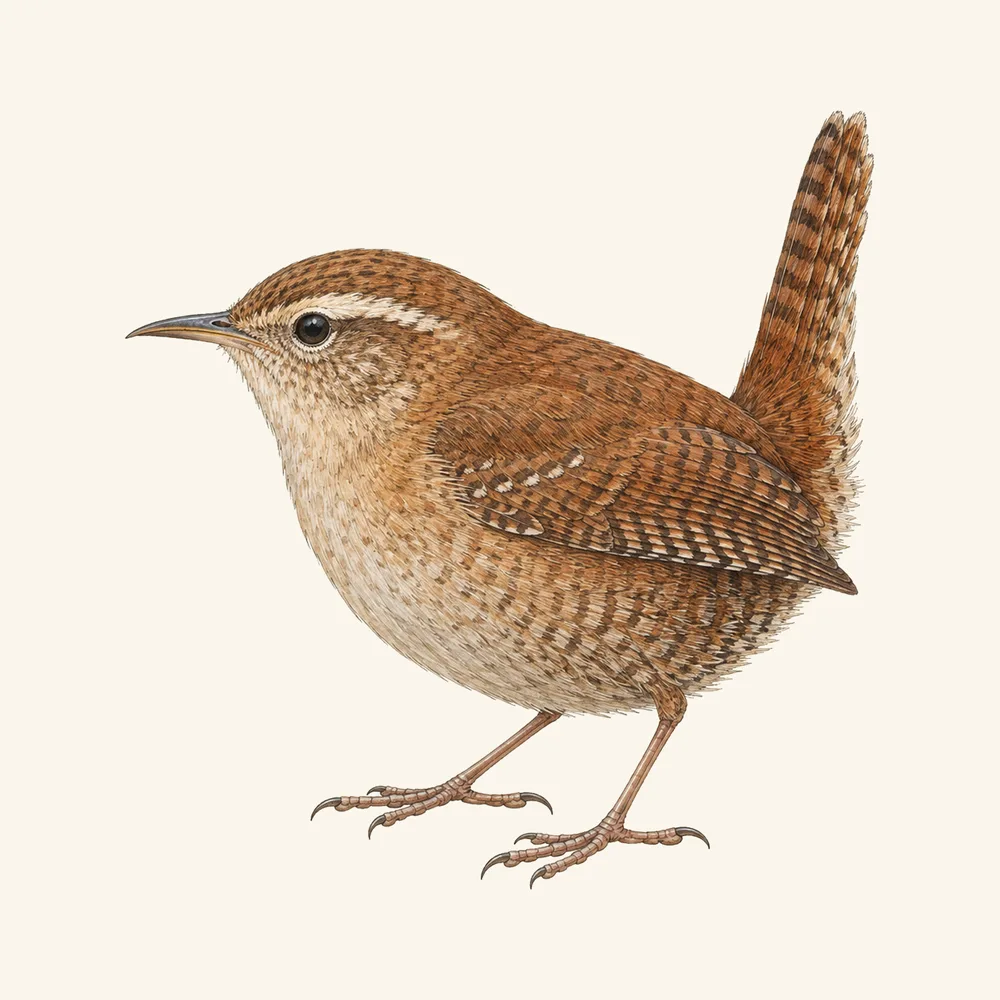
| Open front | Robin, wren | Half the front cut away. Low, under 2 m, hidden in a climber or thick shrub. |
A round-holed box will never suit a robin. Robins want an open front tucked into cover. The BTO puts a robin box under 2 metres, “within the cover of a climber or overhanging vegetation”. Wrens will use the same kind of box if it’s hidden deep in thick growth.
If you only have room for one, the BTO’s advice is a 32 mm hole: the all-round size for small hole-nesting birds, tits and sparrows alike. Choose a smaller hole only if you want to keep sparrows out and give the box to tits.
Height and direction
Height. The BTO’s main advice is 1–3 metres up a tree trunk for small-hole boxes, or on a wall or shed if you have no trees. The species pages we draw on for our tit records give a wider 1–5 metres. Anywhere in that range with a clear approach is fine. The exceptions are in the table: coal tits low, sparrows above 2 m, nuthatches above 3 m, robins low in cover.
Direction. The BTO says to shelter the box “from prevailing wind, rain and strong sunlight”. Its printed guide says north-east. The BTO’s guide names south-facing walls as the obvious sun trap to avoid.
Tilt. Fix the front vertical or angled very slightly downwards, so rain runs off rather than into the hole. Never tilt it back.
Flight path. Clear any foliage directly in front of the hole. Robin and wren boxes are the reverse: there you want them hidden.
Where not to put it
- Near your feeders. The BTO is clear that birds visiting feeders disturb nesting pairs. Put boxes in a quieter part of the garden.
- Within a cat’s reach. Fix it high enough and clear of fence tops, sheds and branches that a cat or squirrel could use as a step. The BTO’s guide notes that an overhanging roof makes it harder for a cat to reach in. The RSPB suggests spiky prunings (rose, gorse) above and below a box as a deterrent.
- Next to another box of the same type. The BTO warns that two tit boxes too close together cause fights between neighbours. Space boxes of the same type well apart. House sparrows are the exception, because they like company.
Use galvanised or stainless screws or nails, and check the fixings every year. On a tree, the BTO says galvanised wire around the trunk or over a branch also works.
What makes a good box
You don’t need anything fancy. The things that matter, all from BTO and RSPB guidance:
- Wood at least 15 mm thick. The RSPB says 15–18 mm. Thin wood, plastic, metal and ceramic boxes can overheat, and the BTO advises against dense materials.
- Plain timber inside. Leave the inside bare. If you treat the outside at all, use a non-toxic, water-based preservative. The RSPB says to avoid pressure-treated timber and to look for FSC-certified wood.
- Room inside. The BTO gives a minimum floor area of about 130 cm² and says birds may lay fewer eggs in cramped boxes. The hole should be at least 12 cm above the floor, so a predator can’t reach in to the nest.
- Small drainage holes in the floor, in case water gets in.
- A lid that opens, so you can clean it out once a year.
- No perch. Both charities say this outright: birds don’t need one, and it gives predators a foothold.
A metal plate around the hole can stop squirrels and woodpeckers enlarging it. It has to be the same size as the hole. A 32 mm plate on a 25 mm box turns your blue tit box into a sparrow box.
Cleaning out, and the law
Under section 1 of the Wildlife and Countryside Act 1981 it is an offence to take, damage or destroy the nest of any wild bird “while that nest is in use or being built”, or to take or destroy its eggs. That’s why there’s a window.
Clean boxes once a year, between 1 September and 31 January. That window comes from the BTO. The government’s general licence GL12 lets you remove abandoned or unsuccessful eggs from nest boxes in England between the same dates, as long as the box isn’t in use. Any eggs you find must be destroyed and never kept. The RSPB notes that in Scotland the window runs from August to January. Check first that the box really is empty. House sparrows and some other birds raise second or third broods, so the BTO says to wait until autumn.
To clean it, wear gloves, take out the old nest, and scald the inside with boiling water. The RSPB and the Wildlife Trusts both say not to use insecticides or flea powders. Let it dry fully before you close it up. The RSPB suggests a small handful of clean hay or wood shavings (not straw) once it’s dry. If you miss the window, leave it until next autumn.
Never open a box that’s in use. The BTO does let trained volunteers in its Nesting Neighbours scheme look inside under a strict code of conduct: only when both parents are away, never in bad weather, and never touching the contents. If you want to look, join that scheme and follow its code. Otherwise, watch from the house.
The honest bit
The hole sizes are the most solid advice here. The BTO, the RSPB and our species records all agree on them, with one wrinkle: the BTO recommends 32 mm as the all-round size for tits and sparrows, while our species records give great tits their own 28 mm. Both admit great tits; only the smaller hole keeps sparrows out. Heights and directions are rules of thumb, and the published figures vary (1–3 m from the BTO, 1–5 m in our species records). Nobody has shown that a box at 2.5 m does better than one at 3.5 m. Every source agrees on the main things: shelter from hot sun and driving rain, keep cats and squirrels out, and choose the right hole size. If a box stays empty for a couple of years, the BTO’s advice is simply to move it.
Nest boxes worth buying
One good wooden box in the right place beats three wrong ones. Pick the hole for the bird, then check the box against this list.
What makes a good one
- Wood at least 15 mm thick; never metal or ceramic, which overheat or chill. Cedar, oak or beech outlast pine. source
- A 32 mm hole is the BTO's all-round size for tits and sparrows; smaller only to keep sparrows out. source
- Internal floor at least 130 cm², no perch, and a lid or panel that opens for the autumn clean. source
- Bare inside; any preservative on the outside only, non-toxic and water-based. source
Products checked on Amazon UK on 29 October 2026. We show no prices because they change daily — check before you buy. Nothing in the "save your money" tier is linked. How our recommendations work
How we checked this
- BTO: Putting up a nest box
- BTO: Buying a nest box
- BTO: Nest boxes — the essential guide (PDF)
- BTO: National Nest Box Week
- BTO: Nesting Neighbours code of conduct
- RSPB: All about nest boxes
- RSPB: Build a birdbox
- Wildlife Trusts: How to clean nestboxes and bird feeders
- gov.uk: Wild birds — licence to remove abandoned or unsuccessful eggs (GL12)
- legislation.gov.uk: Wildlife and Countryside Act 1981
Checked against the sources above and reviewed on 29 October 2026. We report what these organisations say; if our page and theirs ever disagree, believe them — and tell us.
On this site
More guides
- Feeders back on: what to put out from 1 NovemberFrom 1 November seeds and peanuts go back out. Start with sunflower hearts, add peanuts in steel mesh and fat in a cage, put out small amounts, clean weekly.
- Cleaning bird feeders: the routine that actually cuts the spread of diseaseWeekly, outdoors, in gloves: scrub in hot soapy water, disinfect, rinse, dry fully, move the feeder. Seeing sick birds? Stop feeding for a month.