Wildlife · Guide · 30 October 2026
Binoculars for garden birdwatching: what the numbers mean, and how little you need to spend
An 8x pair with 32 mm or 42 mm lenses, light enough to keep by the window and able to focus close. Try before you buy; no need to spend a fortune.
For garden birdwatching, get an 8x pair with 32 mm or 42 mm objective lenses, light enough to live on the windowsill and able to focus close. The BTO says anything above 10x is hard to hold steady. The RSPB says you don’t have to spend a fortune. Try a pair before you buy.
Most of the technical advice below is our own reasoning, and we say so where it is. The conservation bodies say less about optics than you might expect. What they do say is sensible, and it is enough to stop you wasting money.
Do you need binoculars at all?
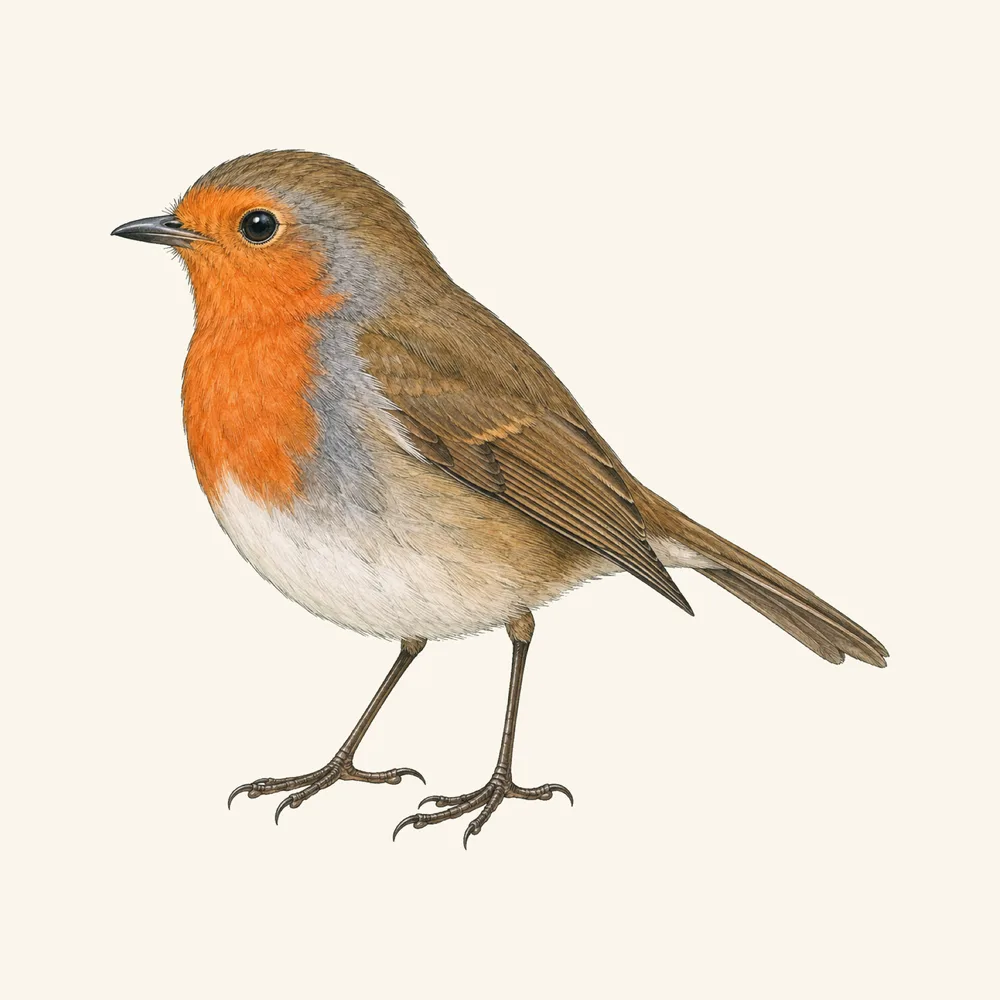
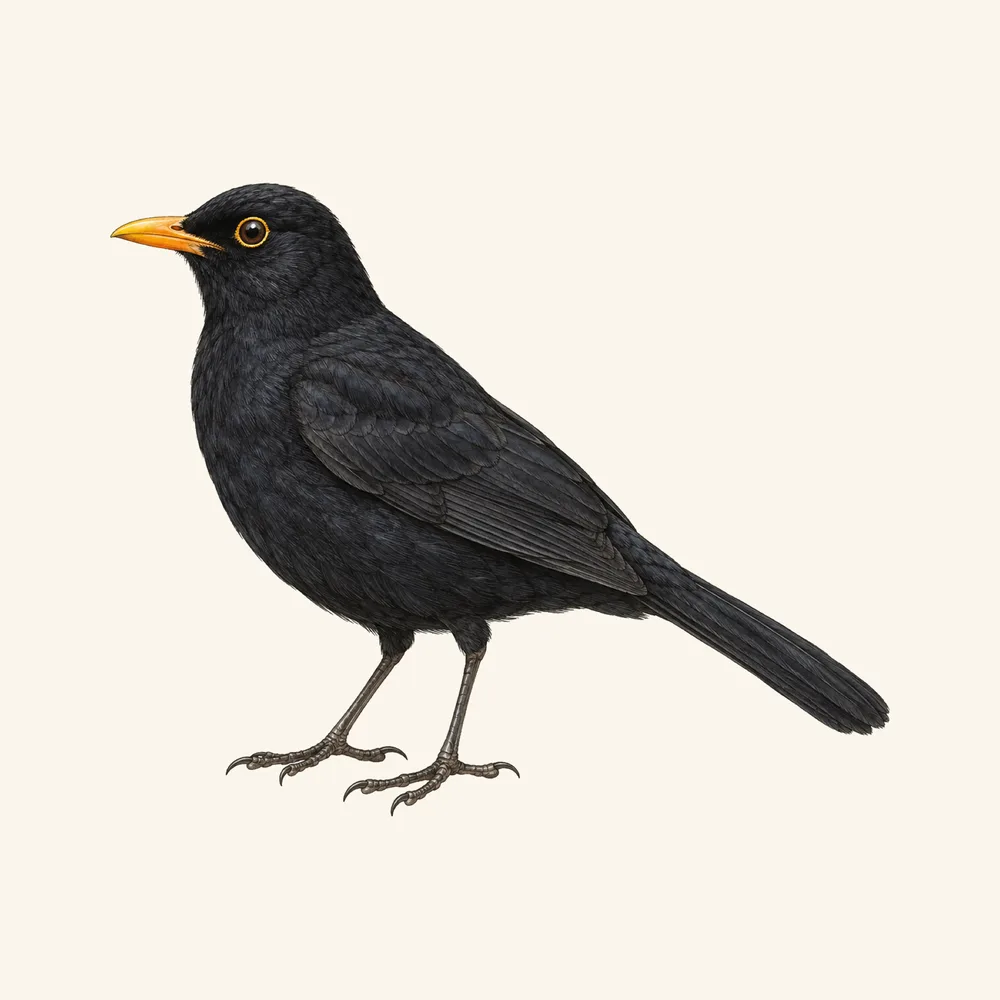
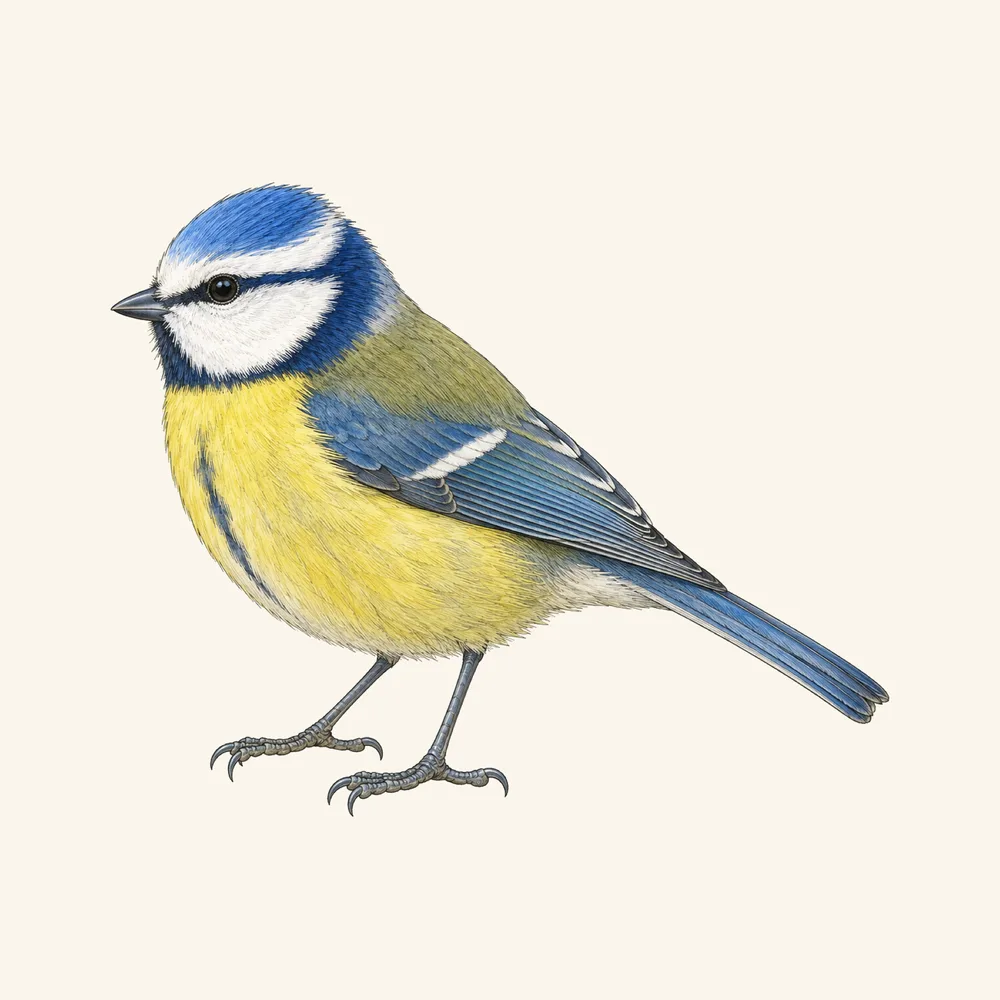
Not to start. The RSPB’s beginner’s guide says all you need is “an outdoor space, a bit of patience, and a keen pair of eyes”. It says the best place to birdwatch is wherever is most accessible to you, including “a window in your flat”. You can learn a robin, a blackbird and a blue tit by eye.
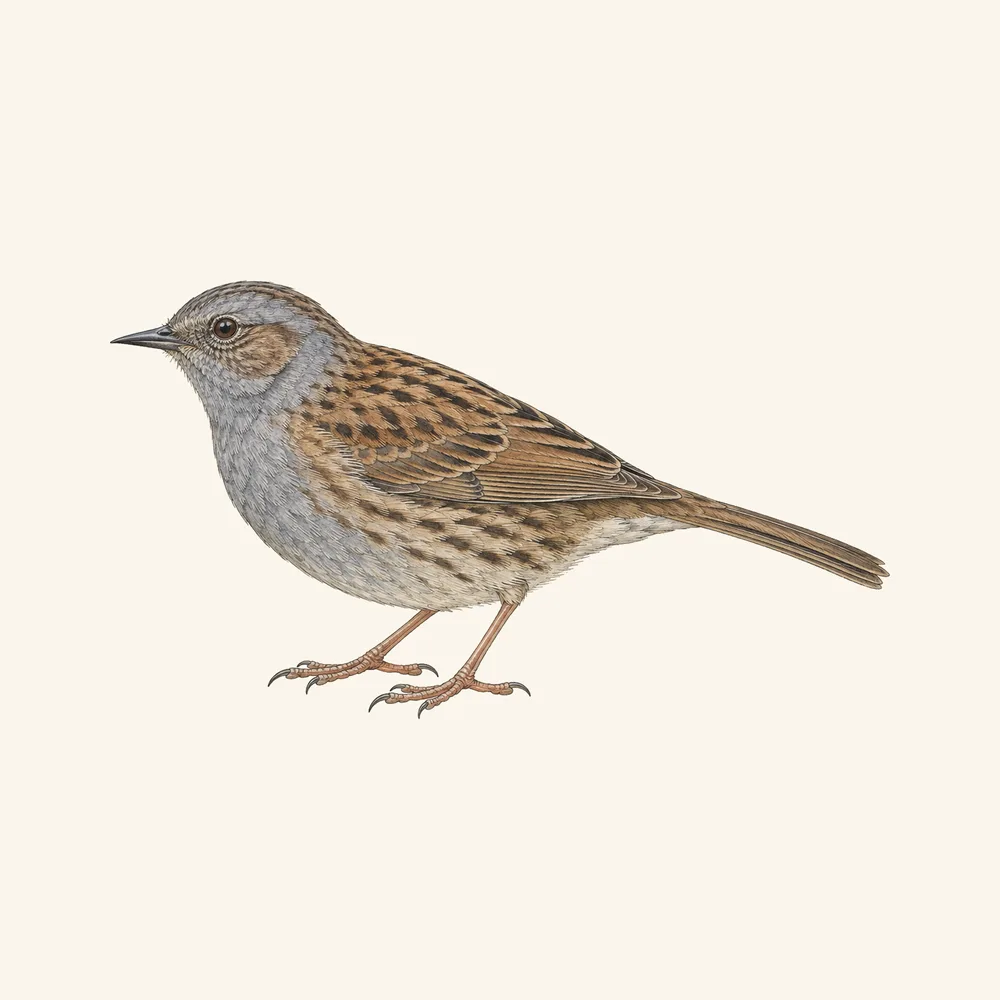
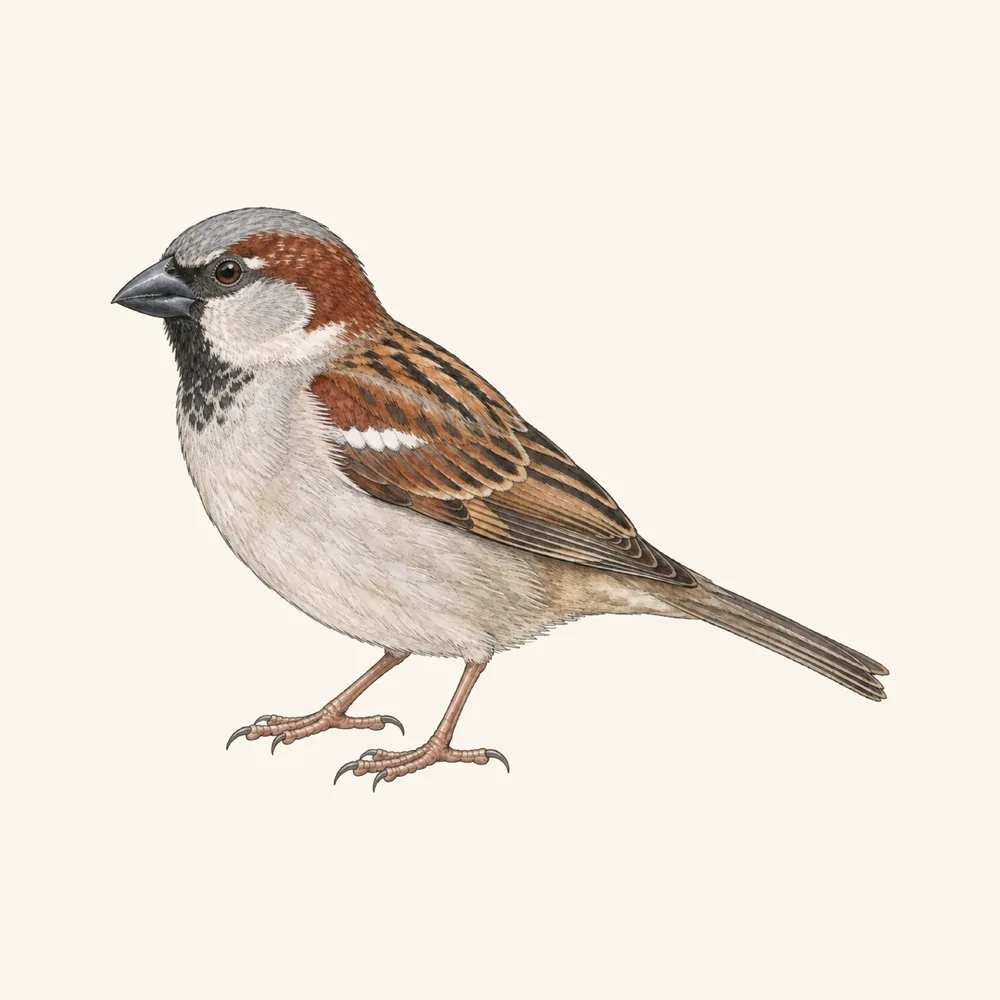
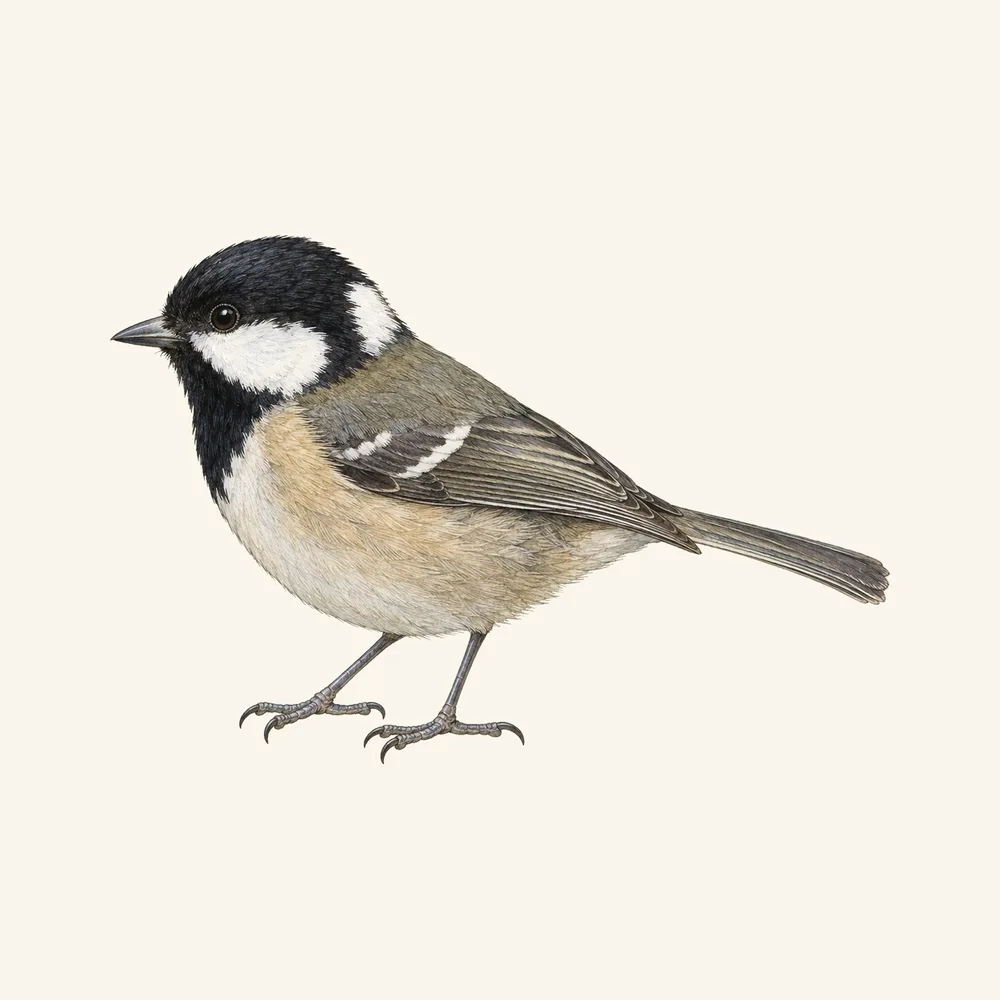
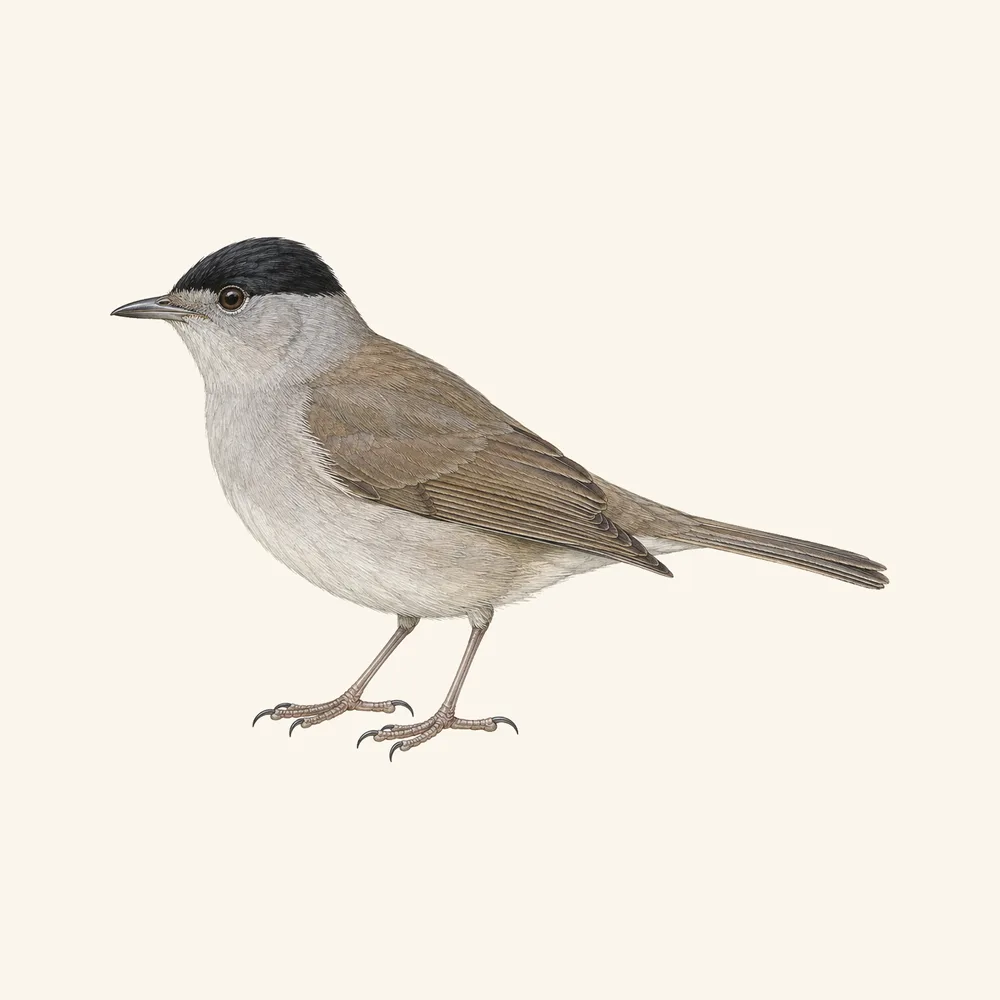
Binoculars earn their place with the birds that look alike at a glance. A dunnock and a female house sparrow look much the same until you can see the dunnock’s thin bill. A coal tit is a white nape patch you won’t pick out at ten metres. A female blackcap has a brown cap, not a black one. The RSPB’s advice is that “once you start getting into birdwatching, it’s a good idea to get yourself some binoculars”.
What the numbers mean
Every pair carries two numbers, such as 8x42. The BTO explains: “The first number is the magnification, the second the diameter of the objective lens, in millimetres.”
Magnification (the 8 or the 10). The BTO warns that it’s tempting to go for the highest magnification, but “anything above 10x is difficult to hold steady”. It also says higher magnification means “less light-gathering capability and a narrower field of view”. In our view, 8x is the better choice for a garden. The birds are close, they move fast between shrubs, and a wider view makes them easier to find. A 10x pair suits open water or fields, where birds are further off.
Objective lens (the 32 or the 42). The BTO says the advantage of bigger lenses is “only really evident in low light conditions”, and that “32mm objective lenses are generally fine”. In a garden, low light is not rare: winter afternoons, dull mornings and dusk. So in our view a 42 mm pair is worth it if you watch at those times, and a 32 mm pair if weight matters more. Both are reasonable.
Field of view. The BTO says a wider field of view “helps when finding birds in woodland or other habitats”. A garden full of shrubs and hedges is much the same problem in miniature.
The features the numbers don’t show
Close focus. The BTO lists “minimum focussing distance” among the things to weigh. This is our reasoning, not the BTO’s, but it matters more in a garden than anywhere else. A bird on a hedge or a feeder may be only a few metres from the window. A pair that can’t focus that close is useless there. Check the close-focus distance in the specification. We’d look for one of about 2 metres.
Weight. The BTO says binoculars are best kept handy, “ideally around your neck”. If weight is an issue, it suggests a smaller pair, a more comfortable strap, or a harness to spread the load. For a garden it matters less, because the binoculars mostly sit on a sill. If you’ll also carry them on walks, hold the pair at arm’s length in the shop for a minute before you decide.
Waterproofing. No tier-1 page we read mentions it. In our view it is worth having. A pair marked waterproof and gas-filled (often called “fog-proof”) shouldn’t mist up inside when you carry it from a warm house into a cold garden. It also survives the odd shower.
Glasses. Also our view, not a source’s. If you wear glasses, look for twist-up or fold-down eyecups and a long “eye relief” figure in the specification. That lets you see the whole picture without taking your glasses off. The BTO’s general point applies: some brands are simply “more comfortable for your eyes”.
Try before you buy
This is the one piece of buying advice every source agrees on. The BTO says: “Even if you ultimately buy online, go to a shop with a good range of optics and try out several pairs in your price range.” It also suggests asking other birders what they use, because “they may even let you try theirs”. The RSPB runs Binocular and Telescope Demo Weekends at some of its reserves, where you can do the same.
When you try a pair, look at something small and detailed a few metres away, then at something far off. Turn the focus wheel and see whether it moves smoothly. Notice whether the pair feels balanced in your hands.
What not to buy
- Anything above 10x. That includes the “20x” and “30x” pairs sold as high-powered. The BTO is clear that anything above 10x is hard to hold steady, and the image shakes.
- Zoom binoculars. Our view: they add moving parts and narrow the view at the top of the range. The BTO’s point about magnification applies to them as much as any other pair.
- Tiny compacts with very small lenses, if you watch in poor light. The BTO’s light-gathering point works against them. They’re fine for a pocket on a sunny walk.
- The most expensive pair you can find. The RSPB says “you don’t have to spend a fortune to improve your birdwatching experience greatly”. A mid-priced 8x pair that you’ve tried and that suits your eyes will do more than a premium pair you’ve never held.
Using them from the window
These are habits, not sourced rules.
- Keep them by the window you watch from. The BTO’s advice to keep binoculars handy matters most here. The bird will be gone by the time you’ve fetched them from a drawer.
- Set the dioptre once. Most pairs have an adjustment on one eyepiece (usually the right) to balance your two eyes. Set it once and leave it.
- Find the bird with your eyes first. Keep looking at it and bring the binoculars up to your eyes without looking away. This is quicker than searching through the lenses.
- Clean the window. A smeared pane will spoil the view more than the gap between a cheap pair and a dear one.
What you are watching depends on where things are. If you’re deciding where to hang a feeder or fix a bird box, think about the view from your chair as well as the birds’ needs. A clear view through glass works both ways, so read our guide to birds flying into windows before you rearrange things around a big pane. For what to offer through the winter, see what to feed garden birds in winter. For the visitors that come after dark, binoculars won’t help, but a trail camera will.
The other thing worth buying is a field guide. The BTO says the value of a good one “can’t be overstated”. It advises one that covers the species you’re likely to see “but not too many more, as this can be confusing”. A modern guide, it adds, is more practical than a grandparent’s old bird book.
The honest bit
The BTO and the RSPB give clear advice on a few points: what the numbers mean, the 10x limit, 32 mm being enough in good light, and trying before you buy. Everything else here is our reasoning. That includes 8x over 10x for gardens, close focus, waterproofing and eye relief. These are widely shared views among birdwatchers, but we found no conservation-body page that sets out a specification for them. We haven’t given price bands, because no source we trust gives one. Choose by how a pair feels to you, not by its price.
Binoculars worth buying
An 8x pair you've tried in the hand beats an expensive pair you haven't. Most of the points below are our view, because the BTO and RSPB say little about specifications.
What makes a good one
- 10x or less. The BTO says anything above 10x is hard to hold steady. We'd choose 8x for a garden. source
- Objective lenses of 32 mm or more. The BTO says 32 mm is generally fine and bigger helps mainly in low light. source
- A wide field of view and a close focus near 2 m (the 2 m figure is ours), so a bird on the feeder is sharp. source
- No need to spend a fortune, and try a pair before you buy if you can. source
Products checked on Amazon UK on 30 October 2026. We show no prices because they change daily — check before you buy. Nothing in the "save your money" tier is linked. How our recommendations work
How we checked this
Checked against the sources above and reviewed on 30 October 2026. We report what these organisations say; if our page and theirs ever disagree, believe them — and tell us.
On this site
More guides
- Feeders back on: what to put out from 1 NovemberFrom 1 November seeds and peanuts go back out. Start with sunflower hearts, add peanuts in steel mesh and fat in a cage, put out small amounts, clean weekly.
- Bird boxes: hole size, height and which way to face — and why autumn is the time to put one upFix it 1–3m up a trunk or wall, facing roughly north-east, tilted slightly forward, away from feeders. The hole size decides who moves in.
- Trail cameras: seeing what visits your garden at nightMount it low, aim it at a feeding dish or fence gap, keep it on your own ground, and you'll see your night visitors. A footprint tunnel is the cheap first step.
- Birds flying into windows: why it happens and what stops itBirds hit glass because they see sky or plants in it. Break up the whole pane, on the outside, with markings close enough together. One sticker won't do it.