Wildlife · Guide · 30 October 2026
Do bug hotels work? An honest answer, and what to do instead
A few do. A bee hotel with 2–10 mm tubes you can replace will house mason and leafcutter bees. Most bees nest in the ground, and bumblebees nest elsewhere.
Some do, for a few species. A bee hotel with deep tubes 2–10 mm wide, which you can take out and replace, will be used by mason and leafcutter bees. But Buglife says four out of five native bee species nest in the ground, and bumblebees nest elsewhere. Bare soil, long grass, log piles and flowers do more.
So a good bee hotel is worth having. A big decorative “bug hotel” of pine cones and straw mostly isn’t, and a bee hotel you can’t clean can do more harm than good.
Who actually moves in
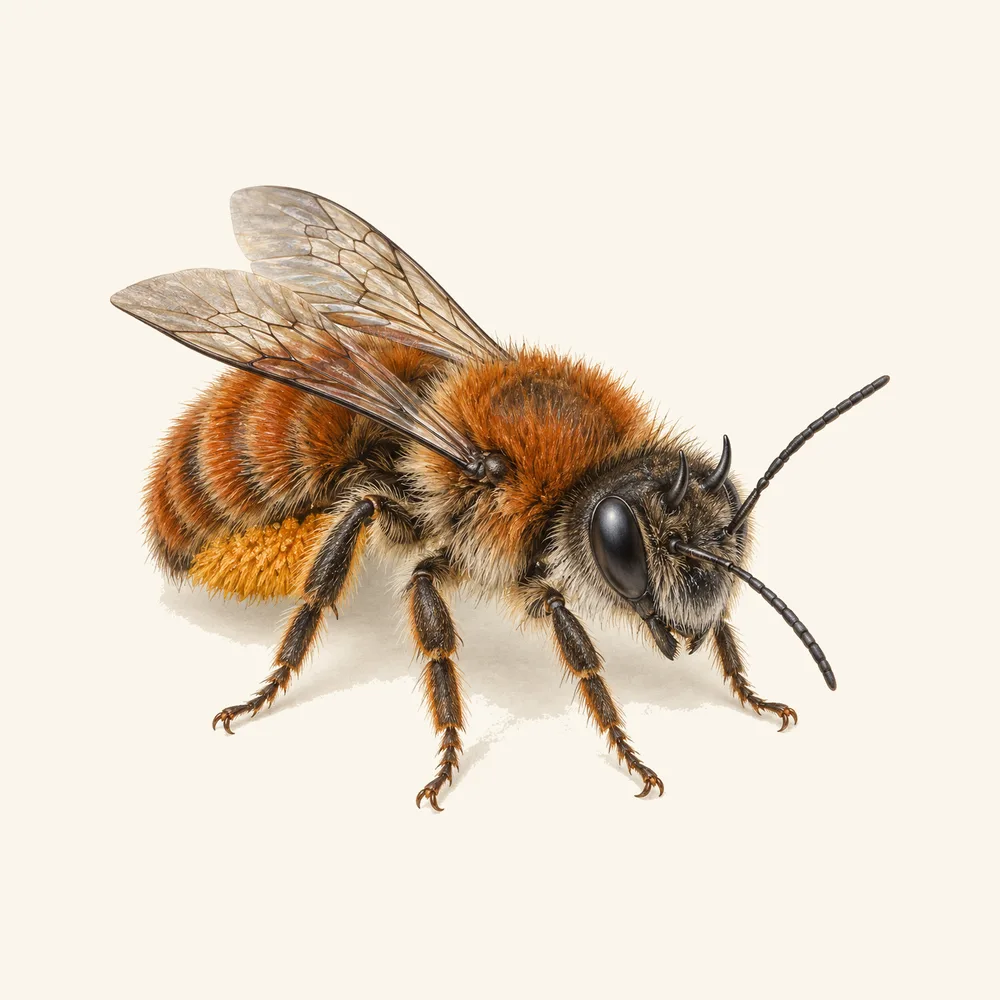
Buglife names the hotel users: mason bees, leafcutter bees, and the cuckoo bees that follow them. The red mason bee is the one most people see. It plugs each tube with mud, so a tube sealed with a grey-brown cap means it has moved in. Leafcutters seal theirs with neat discs of leaf.
That’s a small slice of our bees. The RHS counts over 240 solitary bee species in Britain, plus 24 bumblebees and one honeybee. Buglife says “four out of five of our native bee species are ground-nesting”. Buglife says ground nesters such as the tawny mining bee need bare soil or a bee bank instead.
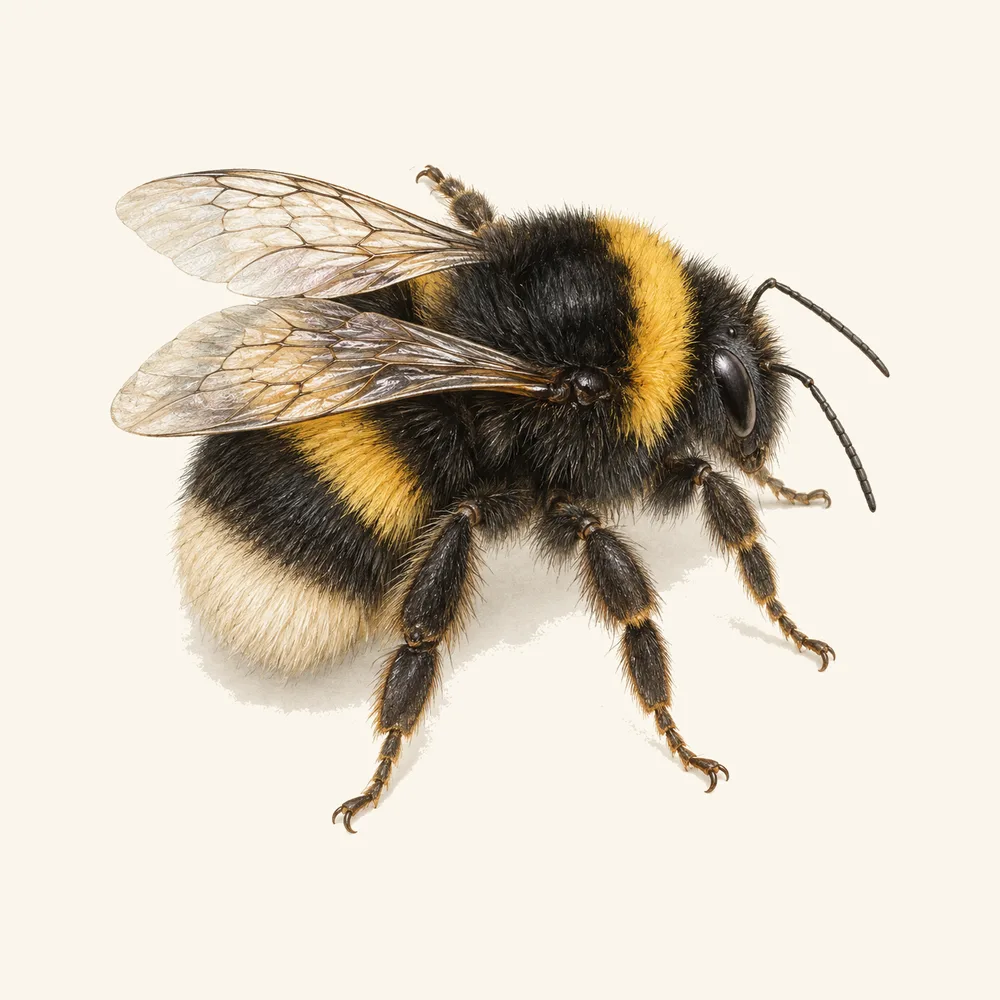
Bumblebees. We found no tier-1 source that says bumblebees use bee hotels, and the Bumblebee Conservation Trust’s own pages describe nests somewhere else entirely. It says some nest underground, “in places such as abandoned rodent holes, under sheds or under garden decking”, others “above ground in thick grass or compost heaps”, and some “high up in bird boxes, hollowed trees, or roof eaves”. The RHS says they “often reuse old mouse holes” in long grass. Our buff-tailed bumblebee nests underground. If you want bumblebees, grow flowers and leave some grass long. A tube block won’t help them.
The decorative “bug hotel”. The Wildlife Trusts say a few large stems in a hotel can shelter lacewings and ladybirds over winter, so the stacked kind isn’t useless. But Buglife says hotels from garden centres made of plastic, glass, cardboard or bamboo often fail. Poor rain protection can “increase the opportunity for condensation”, and that spreads “fungus, disease and parasites”. It adds that bamboo is often too short, too wide or splintered, and that hotels with only one hole size suit fewer species.
The hygiene problem
This is the part the packaging leaves out. A bee hotel packs nests much closer together than they would be in nature. A Bumblebee Conservation Trust volunteer puts it this way: “we are encouraging them to nest in far higher densities than would occur in nature”, and without care “pests and disease can completely wipe out your bee nester population”. He names a mite (Chaetodactylus osmiae), a fly whose larvae eat the bees’ pollen stores, and a parasitic wasp that lays its eggs in the bees’ cocoons.
Buglife’s fix is simple: “bees can’t clean detritus”. So in late spring, after this year’s bees have emerged, it says to clean the hotel and replace used tubes with new ones. The Wildlife Trusts say to clean a bee hotel “once a year to remove any build-up of fungi, debris and parasites”. The Trust volunteer replaces bamboo tubes every year.
That means you need to be able to get the tubes out. Loose tubes in a frame, paper liners, or wooden trays that open are all fine. A solid block with fixed tubes or glued-in bamboo can’t be cleaned. The RHS says a simple drilled block “may need to be replaced every few years as all the holes fill up”. If you can’t tell whether a tube has emerged, Buglife says to leave it in a sunny spot so anything inside can get out. Don’t throw it away.
The Trust volunteer goes further. In autumn he opens the tubes, cleans the cocoons, and stores them in a fridge over winter. That’s a specialist method from one volunteer’s blog, and our view is that it isn’t for beginners. Our red mason bee page says the opposite for most gardens: leave the hotel outside over winter, dry and sheltered from rain. Buglife’s late-spring routine is the one to follow.
What a good bee hotel looks like
Here is where the bodies agree:
- Holes 2–10 mm across, in a mix of sizes. Buglife, the RHS and the Wildlife Trusts all give 2–10 mm. Buglife says tubes “with a diameter greater than 10 mm” are too large for many bees. The RHS says 8 mm suits red mason bees.
- Deep, closed at the back. Buglife suggests drilling holes about six inches deep, and not right through. The RSPB says “around 15cm or so long” with a dead end. The RHS says at least 10 cm deep, or “as deep as you can”. Buglife warns that short tubes can skew the ratio of males to females.
- Smooth entrances. Buglife and the RHS both say to sand off splinters, which can damage wings.
- Untreated wood. The RHS says not painted, chemically treated or pressure-treated. Heat-treated wood is fine.
- A roof. The RSPB, Buglife and the Wildlife Trusts all want rain kept off the tube ends.
Where to put it. Buglife says to face it south or south-east for morning sun, about a metre off the ground, fixed firmly, with no plants pressing against it. The RHS gives 0.5–3 m up a wall, fence or tree. Put it up in spring, then leave it alone until the next late spring.
Better than a hotel: what most bees actually need
Bare ground. For mining bees, the RHS says to leave soil “bare or mostly bare” in a sunny spot, and that sandy soil is especially popular. If small holes or cones of soil appear in the lawn, leave them alone.
Long grass. The RHS says “a single square metre of long grass is enough space for a bumblebee to make a nest.” The Bumblebee Conservation Trust asks you to “leave patches of grass to grow wild” and not to strim hedge banks.
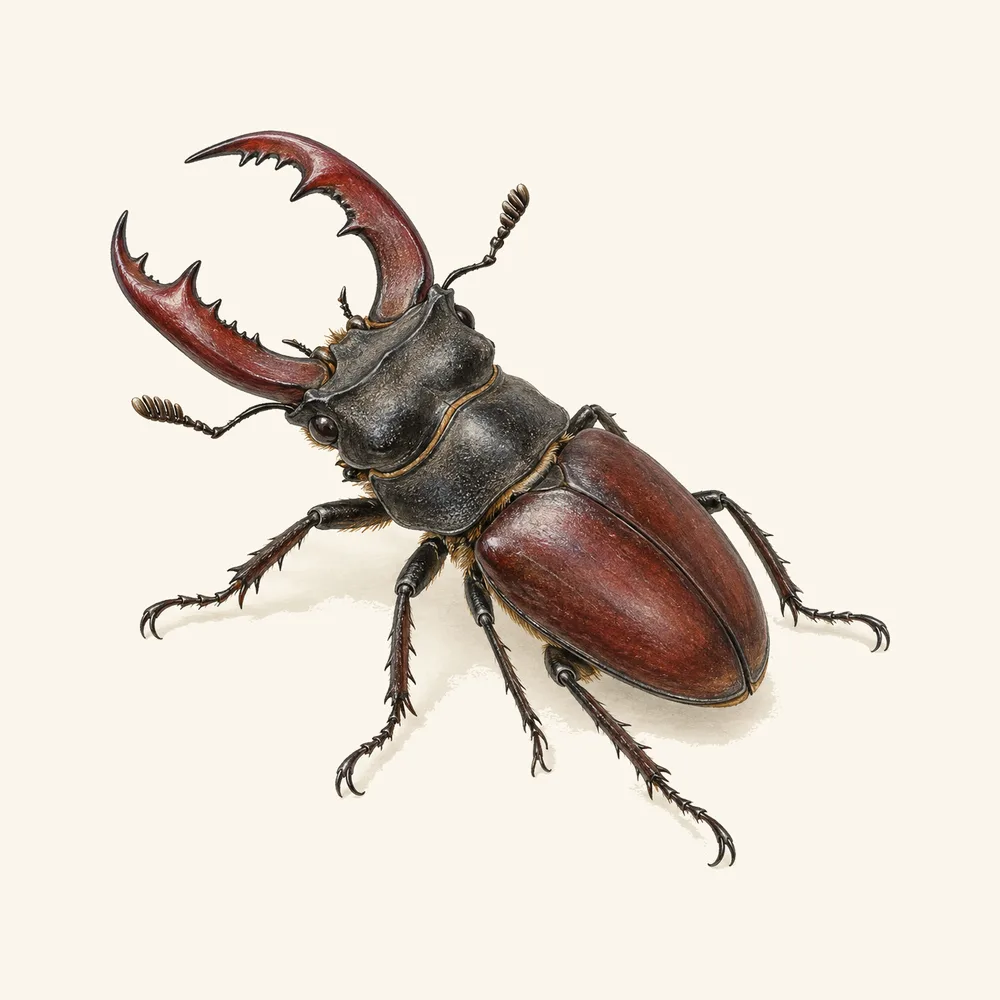
A log pile. Buglife says “nearly two thousand sorts of British invertebrates require dead wood”. It suggests some piles in shade and some in sun. Upright logs or posts drilled with 2–3 mm and 8–10 mm holes make a bee hotel that never needs buying. A shady, partly buried log pile is also what stag beetle larvae need.
Hollow stems. Leave perennial stems standing over winter instead of cutting everything down. See leave the leaves.
Mud. Mason bees need damp mud to seal their cells. A patch of bare, damp soil near the hotel helps.
Flowers. Buglife’s advice is to plant pollen-rich natives that flower at different times, and to avoid pesticides. For mason bees, spring blossom such as apple matters most, with early rosemary to cover the gap before it.
The honest bit
We’re confident about the core points: bee hotels serve a minority of bees, tubes need to be 2–10 mm and replaceable, and ground and grass matter more. The parasite detail comes from a 2017 volunteer blog on the Bumblebee Conservation Trust’s site, not from a study, so we’ve used it only where it agrees with Buglife and the Wildlife Trusts. Nobody gives a figure for how much a bee hotel adds to local bee numbers. Our “bumblebees don’t use them” is drawn from the absence of any source saying they do, together with the Trust’s description of where they nest. No tier-1 page says it in so many words.
Bee houses worth buying
Most UK bees nest in the ground, so a bee house helps only some species. If you buy one, buy one you can clean.
What makes a good one
- Holes of mixed sizes, between 2 and 10 mm, about 15 cm deep and closed at the back. source
- Tubes, liners or trays you can remove, clean or replace, so parasites and fungus don't build up. source
- Untreated wood with smooth entrances. Avoid plastic and glass, which hold condensation. source
- A roof or overhang, fixed firmly facing south or south-east, not hanging from a string. source
Products checked on Amazon UK on 30 October 2026. We show no prices because they change daily — check before you buy. Nothing in the "save your money" tier is linked. How our recommendations work
How we checked this
- Buglife: How to be the best bee hotel manager (revised 5 May 2026)
- Buglife: Create habitats for bees and bugs
- Buglife: Create your own dead wood habitats
- Bumblebee Conservation Trust: Winter husbandry for solitary bees (volunteer blog, 2017)
- Bumblebee Conservation Trust: Bumblebee nests
- Bumblebee Conservation Trust: Bumblebee nests, what to do if you find one (August 2023)
- Bumblebee Conservation Trust: Make space for bumblebee nests (August 2023)
- RHS: How to make a perfect habitat for wild bees (13 August 2026)
- The Wildlife Trusts: How to make a bee hotel
- RSPB: Build a bee hotel
Checked against the sources above and reviewed on 30 October 2026. We report what these organisations say; if our page and theirs ever disagree, believe them — and tell us.
On this site
More guides
- Leave the leaves: what to tidy in autumn and what to leave for wildlifeYes, leave some. Clear lawns, paths and ponds, but pile the leaves under a hedge, and leave hollow stems, seed heads and log piles standing until spring.
- How to make a wildlife pond, from a half-barrel to a small dug pondGo small and shallow, give it a sloping beach, fill it with rainwater, add no fish, and plant a few natives in spring, or let plants arrive by themselves.