Wildlife · Guide · 30 October 2026
Foxes in the garden: what they're doing, what deters them, and what the law allows
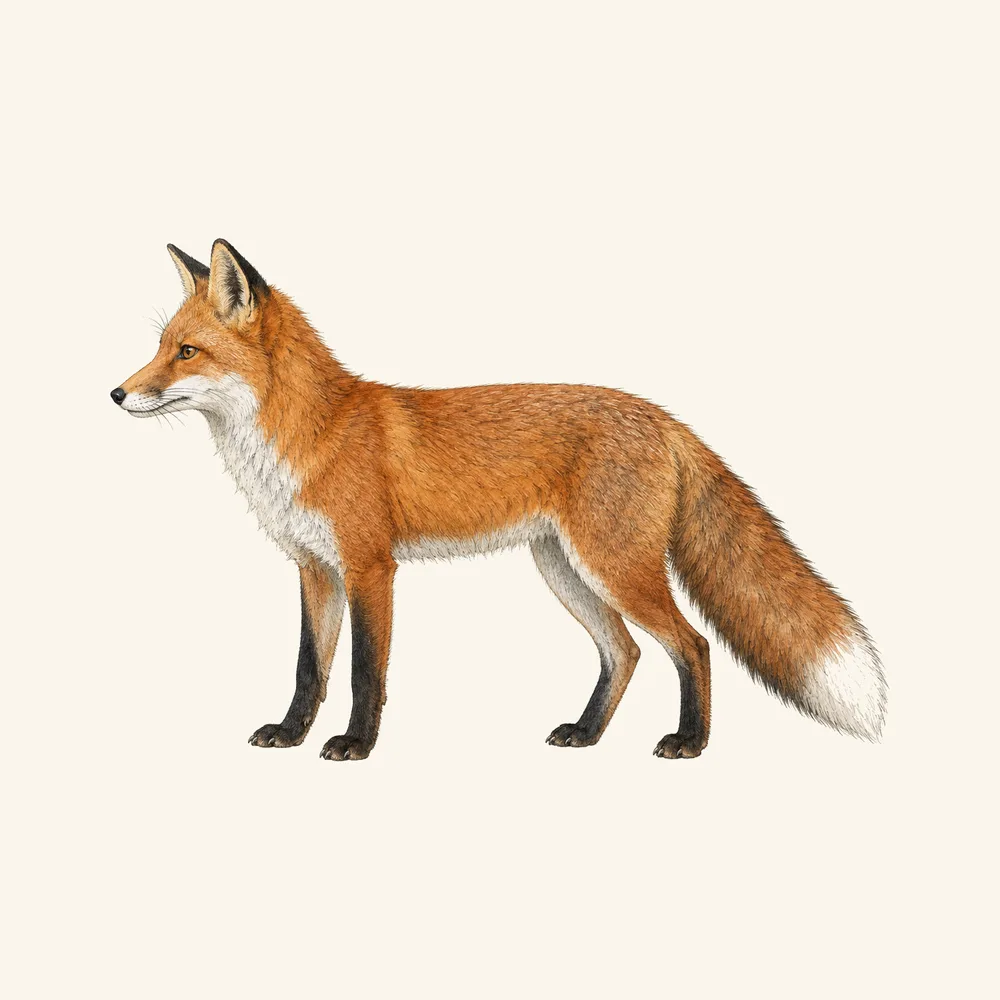
Foxes come for food and shelter. Take away both and most move on. Repellents and ultrasonic gadgets rarely last, and harming a fox is a crime.
A fox in your garden is there for food or a quiet place to lie up. Take both away and most foxes move on. Lock bins, clear windfalls and spilt bird food, take pet food in, and block gaps under sheds once they’re empty. Repellents and ultrasonic gadgets rarely work for long. Harming a fox is a crime.
The RHS’s view is that “foxes largely need to be tolerated in gardens and can be considered part of the biodiversity.” That’s our starting point too.
What foxes do through the year
- Winter: noise. The RHS says foxes can make “loud screeching noises, especially during the winter mating season”. The RSPCA puts the breeding season at December to February. The scream is courtship, not distress.
- Spring: cubs. The RHS says cubs are born “in late March-April” in a den, often dug in the earth or under an outbuilding, and come out at about four weeks old.
- Summer: cubs leave. Cubs stay with their parents “until mid to late summer when they disperse” (RHS). Activity is highest in early summer if there’s a den nearby.
- Autumn to spring: lawn digging. The RHS says lawns with chafer grubs “may be ripped up by foxes and badgers”, mostly from autumn to spring. The grubs are the cause.
The Wildlife Trusts describe foxes as mostly active at night but sometimes seen by day. A fox out in daylight isn’t, on its own, a sign that something is wrong. More on identification and diet is on our red fox page, and a trail camera shows who’s really crossing your lawn.
What deters foxes
The deterrents that work all do the same thing: they take away food or shelter. The RSPCA’s list:
- Remove food. Use spill-proof bird feeders, seal bins and compost bins, clear fallen fruit, and take pet food in at night. Spilt bird food also brings rats (see rats under the bird feeder).
- Change your fertiliser. Avoid fertilisers that contain meat, fish, blood or bone. The RHS says foxes dig up new plants “especially where bonemeal, dried blood or chicken pellet manure has been used”.
- Shut shed and garage doors.
- Block gaps under decking and sheds, after checking. The RSPCA’s test is to partly cover the entrance with loose soil or sticks. If they’re still undisturbed after a few days, the den is probably empty. If it’s in use, don’t block it.
- Plant spiky plants around the edges of the garden. Holly and roses are our examples, not the RSPCA’s.
- Secure pet rabbits at night. The RSPCA warns that chicken wire is not enough for a rabbit enclosure.
Timing matters. The RSPCA says to do this “before breeding and cub season (December to April)”. Block a hole in spring and you may shut cubs in or away from their mother.
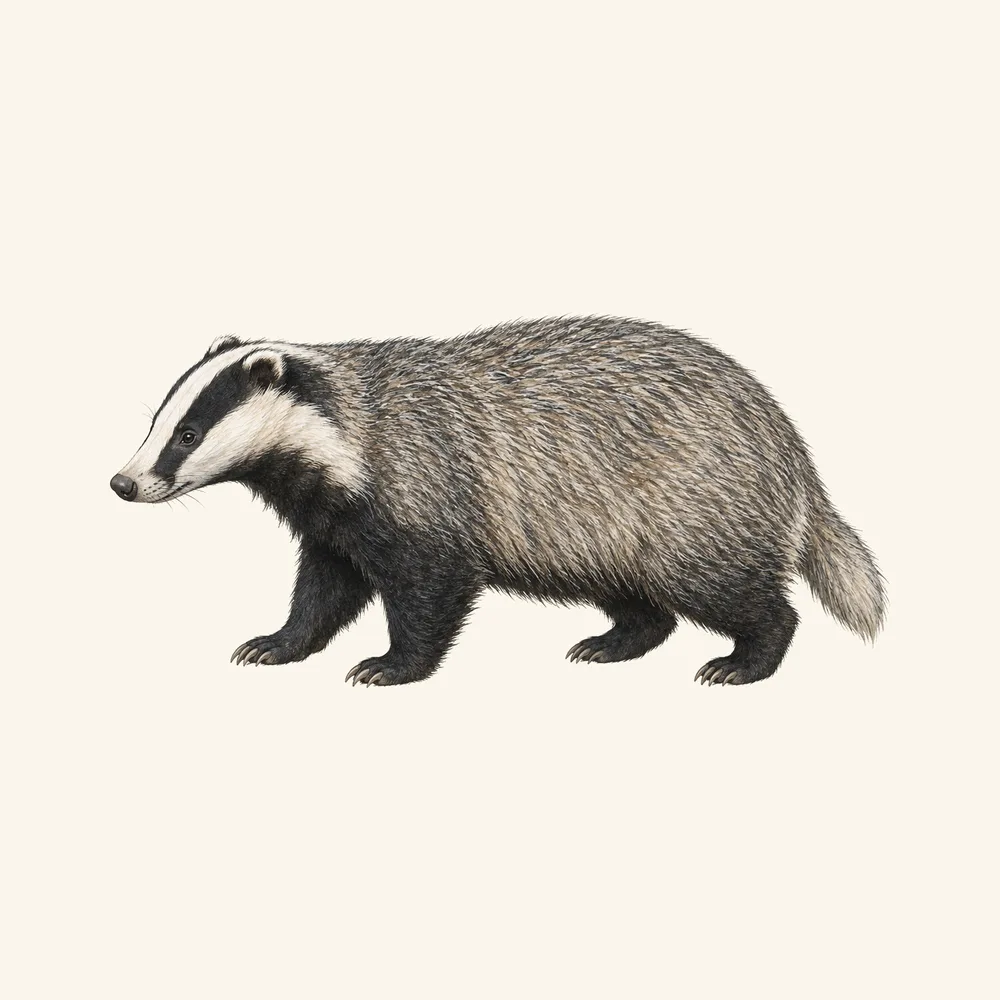
Check it isn’t a badger sett. Badger setts are protected. Under section 3 of the Protection of Badgers Act 1992 it’s an offence to damage or destroy a sett, block any entrance, or disturb a badger in it, whether intended or reckless. If you’re not sure what’s living there, don’t block it. Our badger page explains the signs.
What mostly doesn’t work
- Repellents. The RHS says proprietary repellents “need frequent applications”, and that foxes sometimes appear to ignore them.
- Ultrasonic scarers. The RHS says these “may be effective in the short term”, but foxes can get used to the sound.
- Ordinary netting or fencing. “Unlikely to provide an effective barrier”, says the RHS, because foxes climb over or dig under. The RSPCA warns that flexible netting can tangle wildlife.
- Moving the fox. The RHS says relocating urban foxes “is not recommended”. Another fox soon takes over the empty territory.
- Home-made deterrents. The RSPCA says “it’s also against the law to use any substance as a deterrent that hasn’t been approved for such use.”
Repellents and ultrasonic scarers make up most of what’s sold as fox deterrents, and the RHS gives them a short-term pass at best. Taking away food and shelter costs less and lasts longer.
What the law says
- Cruelty is a crime. Under section 1 of the Wild Mammals (Protection) Act 1996, it’s an offence to mutilate, kick, beat, impale, stab, burn, stone, crush, drown, drag or asphyxiate any wild mammal “with intent to inflict unnecessary suffering”. It applies in England, Wales and Scotland, with narrow exceptions in section 2.
- No special protection. The RSPCA notes that foxes “aren’t currently protected under the Wildlife and Countryside Act 1981”.
- A trapped fox is covered by animal welfare law. The Animal Welfare Act 2006 protects an animal “under the control of man whether on a permanent or temporary basis”. On our reading, a fox you have caught or shut in somewhere falls within that.
- Snares. In Wales, using a snare or other cable restraint on a wild animal has been an offence since 17 October 2023 (Agriculture (Wales) Act 2023). In England, the government’s Animal Welfare Strategy (December 2025) commits to “ban the use of snare traps in England”. As of 30 October 2026 we couldn’t find that ban in force on legislation.gov.uk. Snares in England are still regulated, not banned. Self-locking snares are illegal, and any snare that is set must be inspected daily (Wildlife and Countryside Act 1981, section 11). None of this belongs in a garden.
If you see someone harming a fox, the RSPCA says to ring 999 if it’s happening now, or 101 if it isn’t urgent.
Foxes, pets and health
The RSPCA says dogs can catch mange from foxes, but it’s “unlikely for them to be in close enough contact”. Keep dogs away from fox carcasses, which can stay infectious. Fox droppings can carry roundworm, so wear thick gloves to clear them and wash your hands after handling soil.
If a fox looks ill or hurt, or cubs seem alone
These situations need expert help, not home care. Watch from at least two metres away, keep pets in, and don’t try to handle the animal. The RSPCA says a frightened or injured fox may react aggressively.
An injured fox. The signs the RSPCA lists are visible wounds or bleeding, staggering or lethargy, heavy panting, and not running off when approached. That’s urgent. Ring the RSPCA on 0300 1234 999 (England and Wales) or see rspca.org.uk. If a fox has been hit on a road and is a danger to traffic, the RSPCA says to ring 999 for the police.
Mange. The RSPCA says mange is caused by mites and spreads by direct contact between foxes. Not every thin or scruffy fox has it, because the summer moult can look similar, and the RSPCA says only a vet can confirm it. A fox in a bad way that doesn’t run off when approached needs help urgently. Ring the RSPCA or a local wildlife rescue.
Cubs on their own. In spring, cubs are often out alone in daylight while a parent watches from nearby. The RSPCA’s advice is to watch from out of sight first. A cub with its eyes still shut is too young to be above ground. That’s urgent, so ring a wildlife rescue or the RSPCA straight away. A cub with its eyes open probably has parents close by. The RSPCA says to keep watching from a distance, checking again over the next day or two before you call. If you’ve disturbed an earth and the cubs are exposed, stop work, leave the area and ring at once.
The honest bit
The advice on deterring foxes is solid and consistent. The RSPCA and RHS both come back to food, shelter and timing. “Rarely last” for repellents and ultrasonic devices is the RHS’s verdict. We found no published trial we could check. The law is as we found it on legislation.gov.uk and GOV.UK on 30 October 2026. The snare position in England is the part most likely to change, so check before you rely on it. We haven’t described what mange looks like in detail, because we found no tier-1 page that does it well. If in doubt, ring.
How we checked this
- RSPCA: Foxes in the garden
- RSPCA: Injured foxes
- RHS: Foxes in the garden
- The Wildlife Trusts: Red fox
- Wild Mammals (Protection) Act 1996, section 1
- Wild Mammals (Protection) Act 1996, section 2
- Animal Welfare Act 2006, section 2
- Protection of Badgers Act 1992, section 3
- Wildlife and Countryside Act 1981, section 11 (snares and traps)
- Agriculture (Wales) Act 2023, Part 5 (snares and glue traps banned in Wales from 17 October 2023)
- GOV.UK: Animal welfare strategy for England, published 22 December 2025
Checked against the sources above and reviewed on 30 October 2026. We report what these organisations say; if our page and theirs ever disagree, believe them — and tell us.
On this site

More guides
- Trail cameras: seeing what visits your garden at nightMount it low, aim it at a feeding dish or fence gap, keep it on your own ground, and you'll see your night visitors. A footprint tunnel is the cheap first step.
- Rats under the bird feeder: what actually worksRats come for food on the ground. Hang feeders, put out a day or two's worth, sweep up, seal the food bin. Still coming? Pause feeding, and skip the poison.
- Do cats kill garden birds? What the numbers show, and what helpsYes, though most prey cats bring home are mammals. Whether that drives bird declines is unresolved. Curfews, bright collars and feeder siting all help.