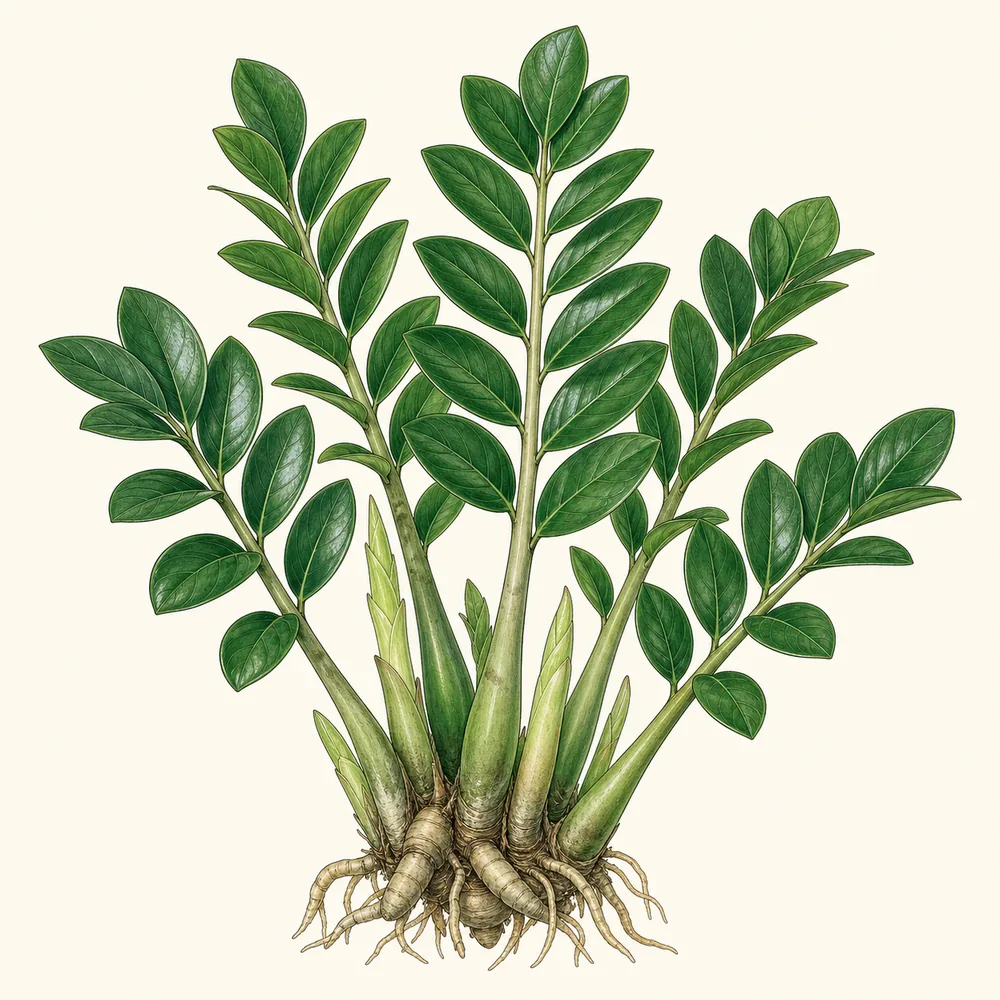
ZZ Plant
Waxy, dark-green leaflets on arching stems, growing happily in low light and near-total neglect. It stores water in fat underground rhizomes, so the only real way to kill it is kindness with the watering can.
Mildly toxic to cats, dogs & people if chewed
Contains insoluble calcium oxalate crystals in the sap; chewing causes mouth irritation and drooling, and the sap can irritate skin and eyes. Mild and self-limiting, but wash your hands after cutting it and keep it away from nibblers. Source: ASPCA.
Care at a glance
Everything that matters, in six lines. The detail is further down.
Light
One of the best true low-light plants. Brighter light just speeds it up. No harsh direct sun.
Water
Every 2–4 weeks. The rhizomes store water, so err dry — overwatering is the one real danger.
Temperature
Normal room warmth; keep it above 12 °C and away from cold glass.
Humidity
Completely unbothered by dry air.
Feeding
A weak feed once or twice over summer is plenty.
Soil
Peat-free compost cut with grit or perlite, or a cactus mix.
What to do, and when
New spears push up from the base. Resume light watering and repot only if truly congested.
Its active season. Water when fully dry and give one weak feed.
Growth slows. Cut back on water as the light fades.
All but dormant. Water once a month at most and never feed.
Built to survive neglect
The ZZ evolved in East Africa with long dry spells, and it comes equipped with potato-like rhizomes that hoard water. That is why it shrugs off a fortnight away, a dim office corner, and an owner who forgets it — and why the fastest way to kill it is watering it like a fern.
Let the compost dry out completely, then water thoroughly and tip away anything in the saucer. When you are unsure, wait another week.
Slow but steady
A ZZ is not a fast plant. It puts up a flush of bright green spears a couple of times a year, which darken and harden as they mature. If nothing is happening, it is usually just resting or short of light — not a problem to fix.
You can propagate by division when repotting, or from single leaflets stood in compost, though the leaf method takes many months to form a new rhizome.
Common problems
Yellowing stems
Overwatering and rhizome rot. Let it dry out hard; repot if the base is soft.
Leggy, stretched stems
Very dark spot. It copes, but move it a little brighter for sturdier growth.
Brown leaf tips
Usually tap-water salts or the odd dry spell. Not serious.
No new growth
Often just resting, or too dark. Patience, or a brighter position.
Everything a ZZ needs
Possibly the shortest list on the site.
We take no commission on anything in the "save your money" tier — if we don't think you should buy it, we don't link it. How our recommendations work
If you like this, try
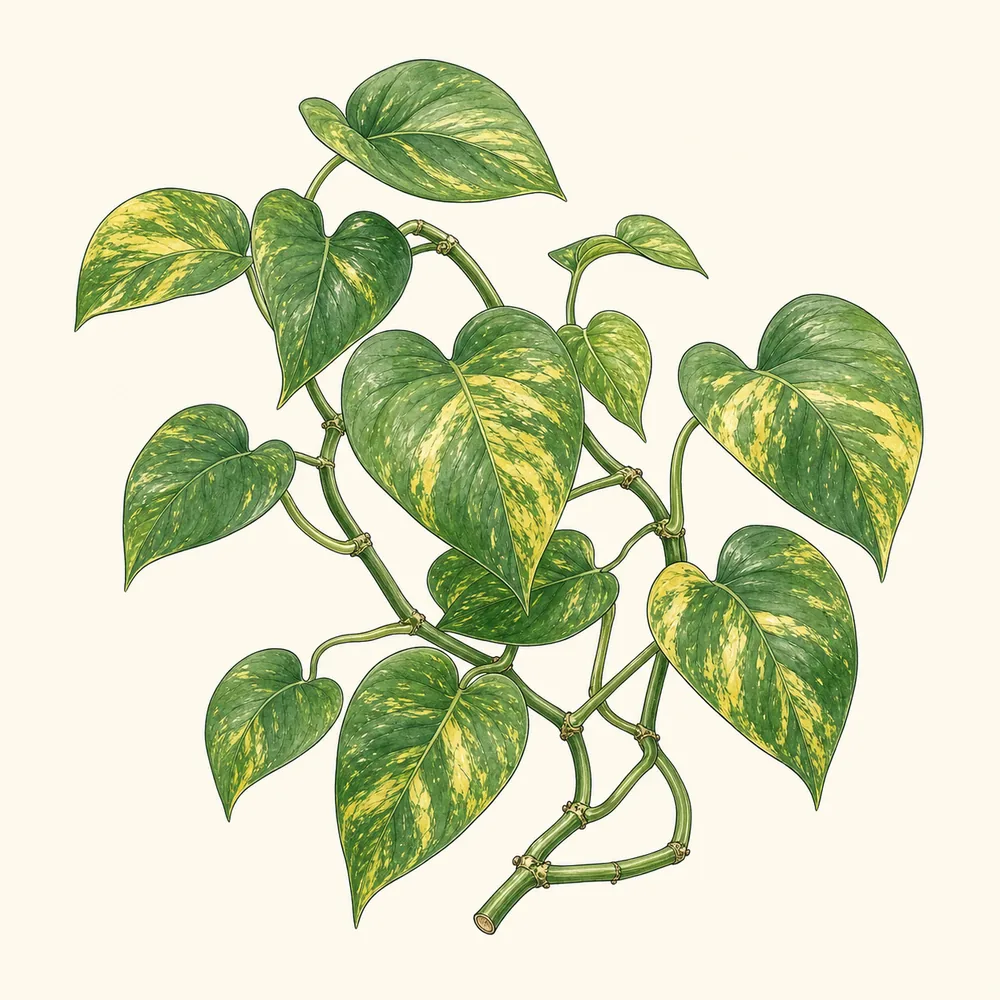
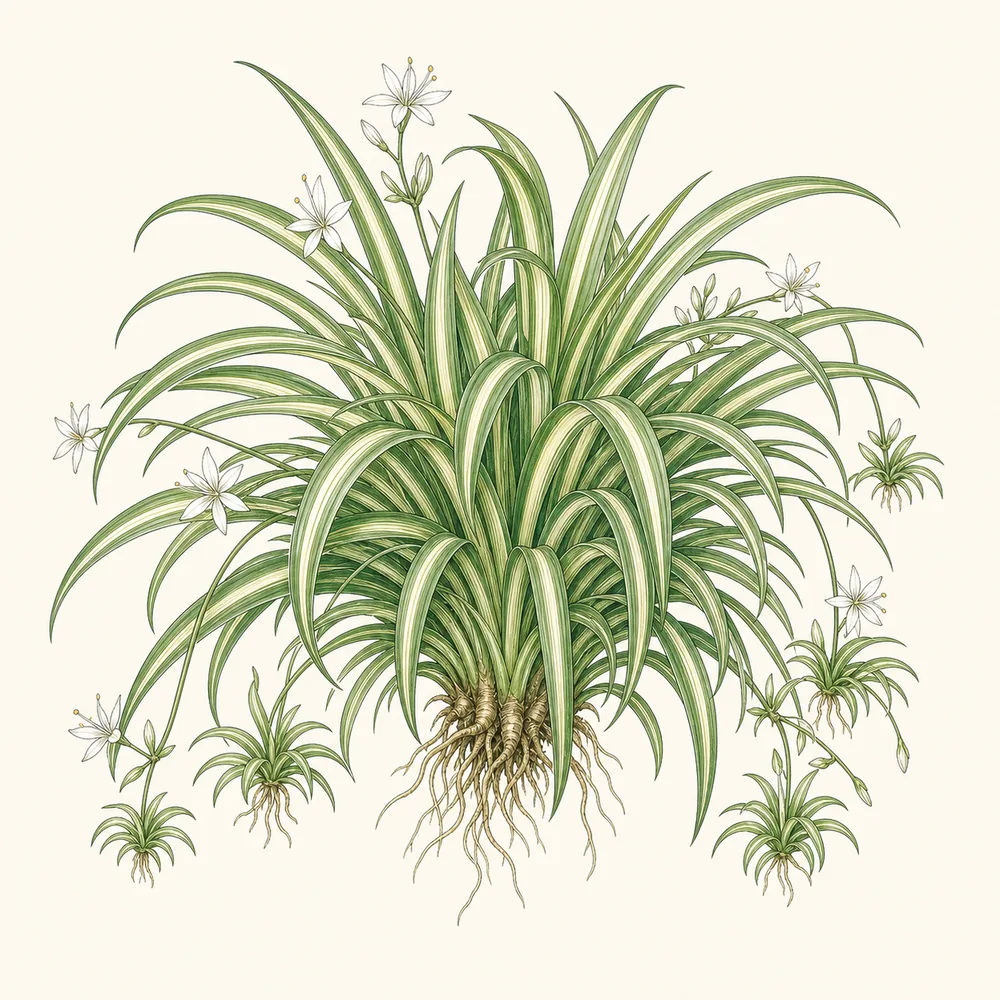
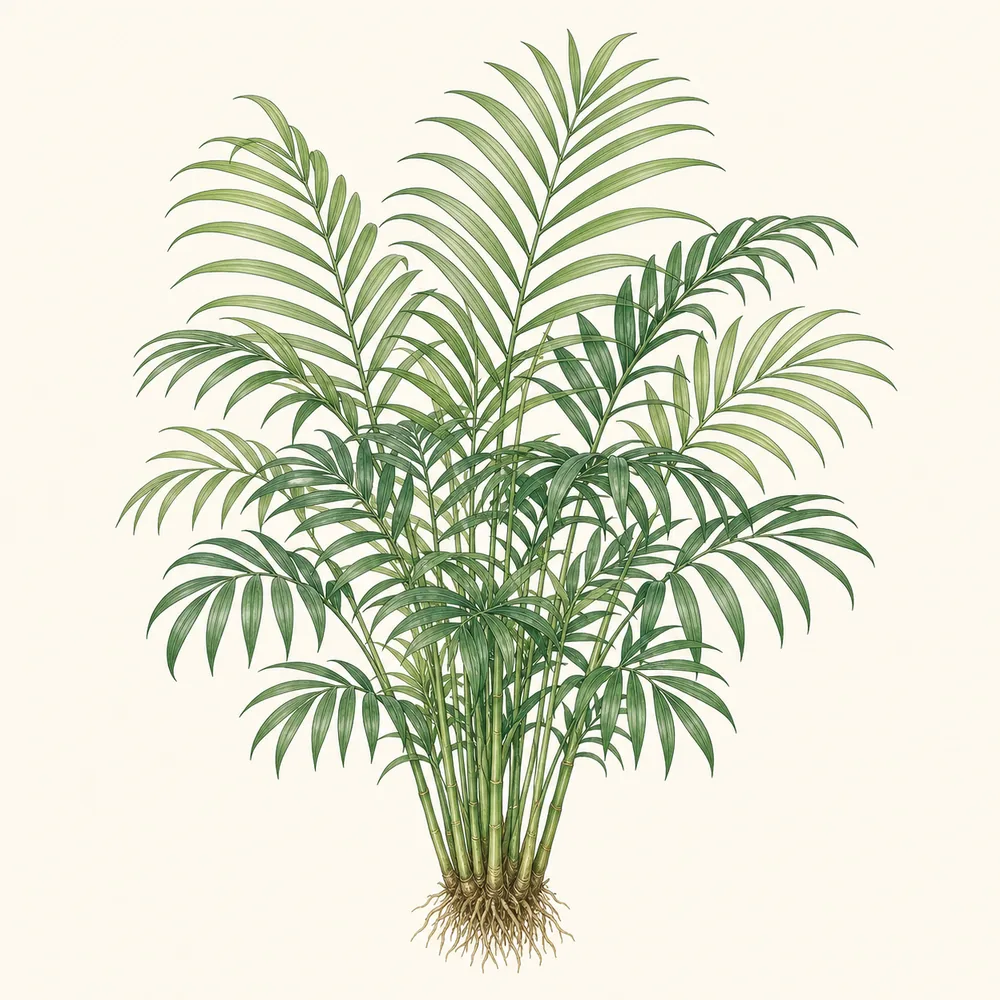
Other plants with a similar temperament.
From the Notebook
Seasonal notes and guides that mention the zz plant.
How we checked this
Care cross-checked against the RHS and NC State Extension. Toxicity confirmed against the ASPCA database (insoluble calcium oxalates — mild; sap irritant). If our page and these sources ever disagree, believe them — and tell us.
Sources: RHS · NC State Extension · ASPCA
Last reviewed · July 2026