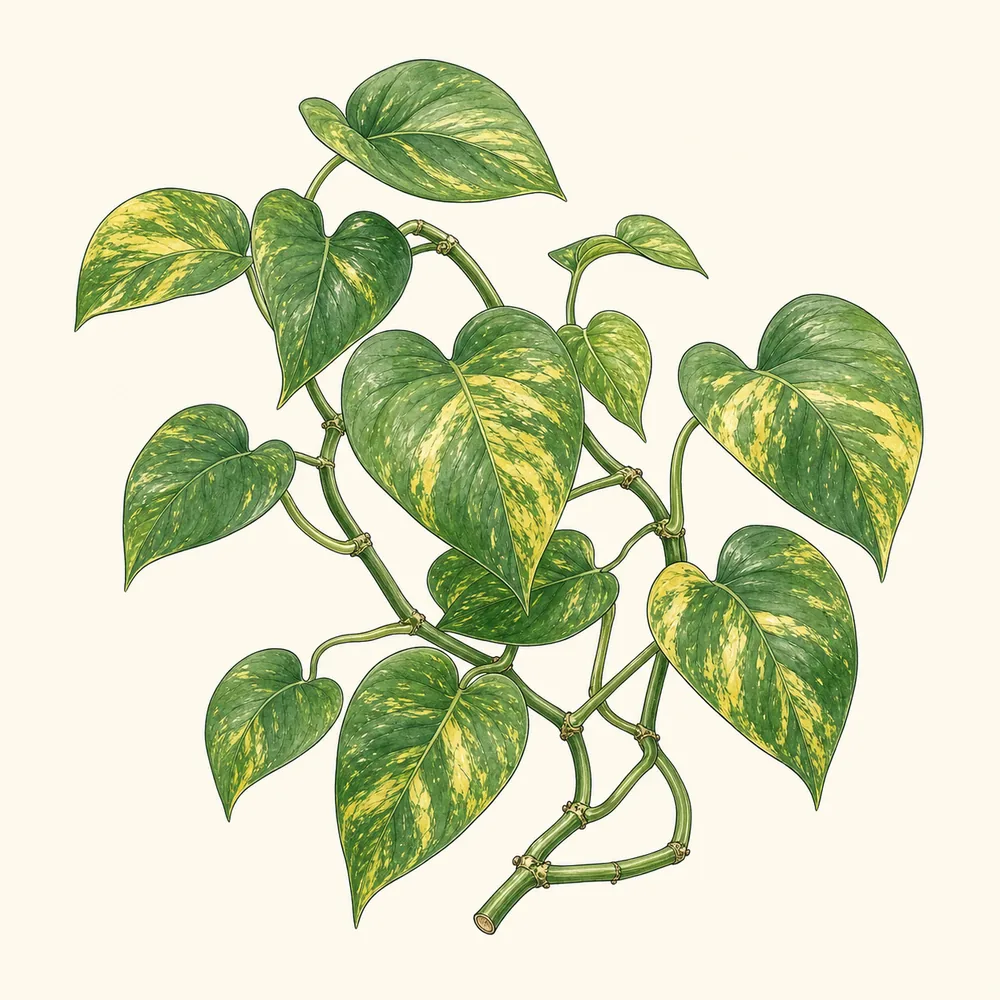
Pothos
The plant that grows in a north-facing hallway, in a jam jar of water, in the hands of someone who forgets it exists. If you have killed houseplants before, start here.
Mildly toxic to cats, dogs & people if chewed
Like other aroids, the trailing stems contain insoluble calcium oxalate crystals — chewing causes mouth irritation, drooling and sometimes vomiting. Unpleasant but self-limiting. Trailing vines are easy for cats to bat at, so hang it high. Source: ASPCA.
Care at a glance
Everything that matters, in six lines. The detail is further down.
Light
Copes with shade; variegated types need more light to keep their yellow markings.
Water
Roughly weekly, but very forgiving. Limp, flat leaves mean it is thirsty — it recovers fast.
Temperature
Ordinary room warmth. Keep it off cold glass in winter.
Humidity
Dry household air is fine. No misting or fuss required.
Feeding
A weak feed once a month in spring and summer is more than enough.
Soil
Any decent peat-free houseplant compost. Nothing special needed.
What to do, and when
Growth picks up. Trim any leggy vines to keep it bushy and pot up cuttings if you like.
Fastest growth. Water when the top half dries and give an occasional weak feed.
Slow down watering as the light fades. Stop feeding by mid-autumn.
Ticking over. Water sparingly and keep it out of cold draughts.
The easiest houseplant to propagate
Snip a length of vine just below a node (the little bump where a leaf meets the stem), drop it in a glass of water, and roots appear within a week or two. Pot the rooted cutting back into the same container to make the plant fuller, or start a new one.
This is why a single pothos can fill a shelf for nothing — it is the plant to practise propagation on.
Light and variegation
Plain green pothos will grow almost anywhere, including genuinely gloomy corners. The variegated kinds — golden, marble queen, neon — need brighter indirect light, because those pale patches cannot photosynthesise. In low light they slowly revert to green.
If you want to keep the marbling, give it a brighter spot and pinch out any fully green shoots as they appear.
Common problems
Leggy, sparse growth
Not enough light. Move it brighter and prune hard — it bounces back bushier.
Yellowing leaves
Usually overwatering. Let it dry out more between drinks.
Brown, crispy tips
Air too dry or under-watered. Keep watering a little more consistent.
Fading variegation
Too dark for a variegated type. Give it more indirect light.
Everything a pothos needs
A short, cheap list — this plant asks for very little.
We take no commission on anything in the "save your money" tier — if we don't think you should buy it, we don't link it. How our recommendations work
If you like this, try
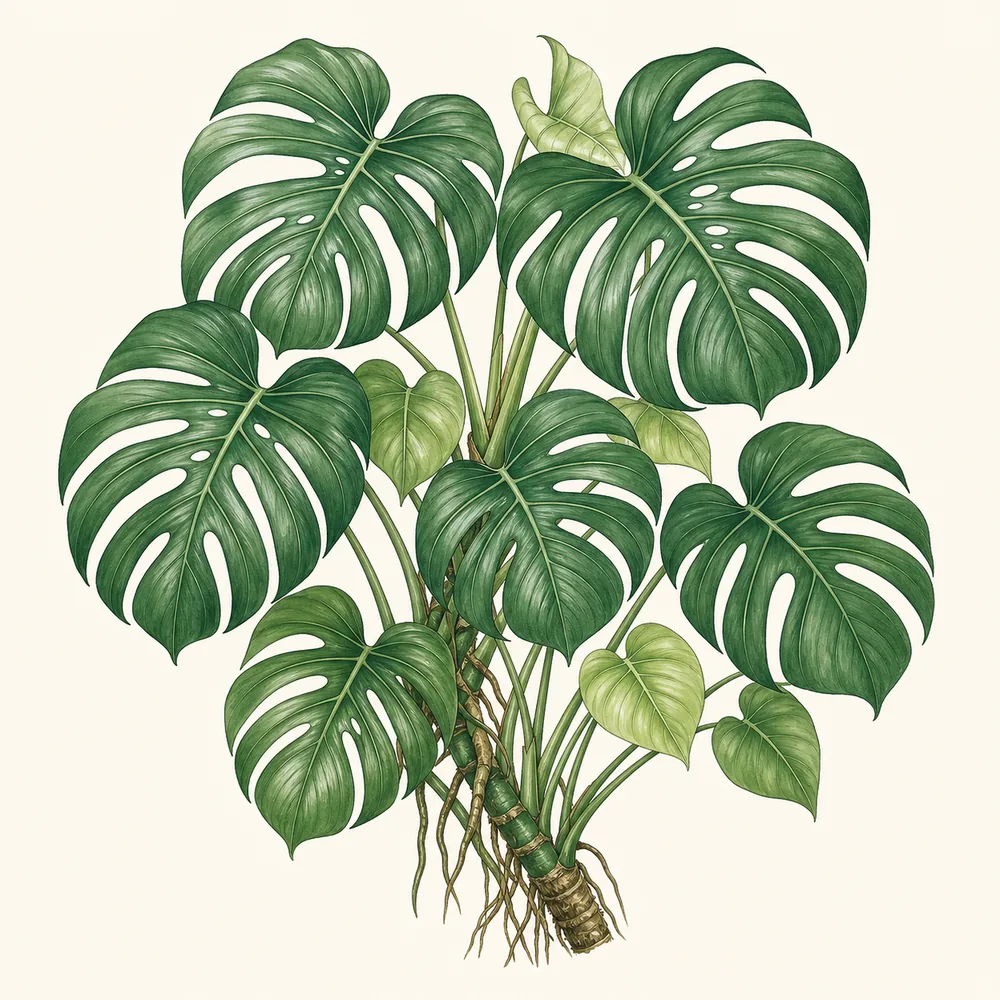
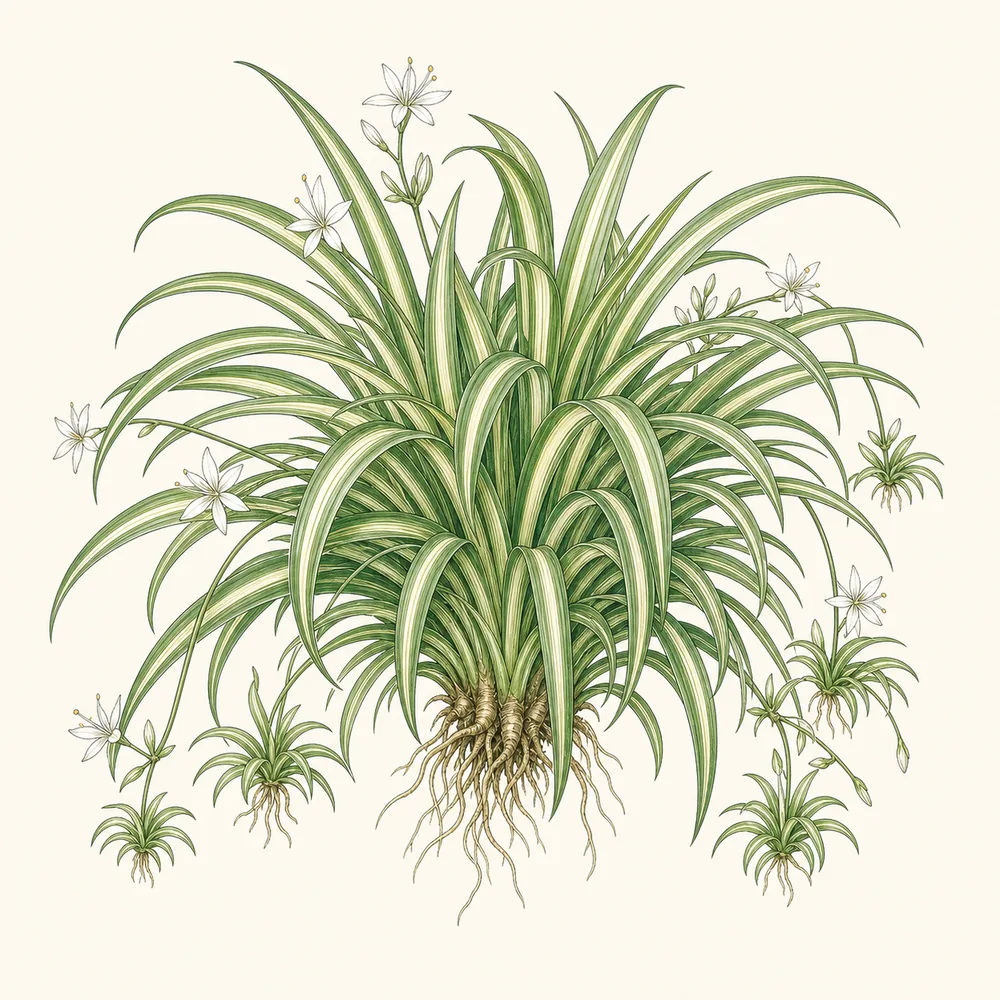
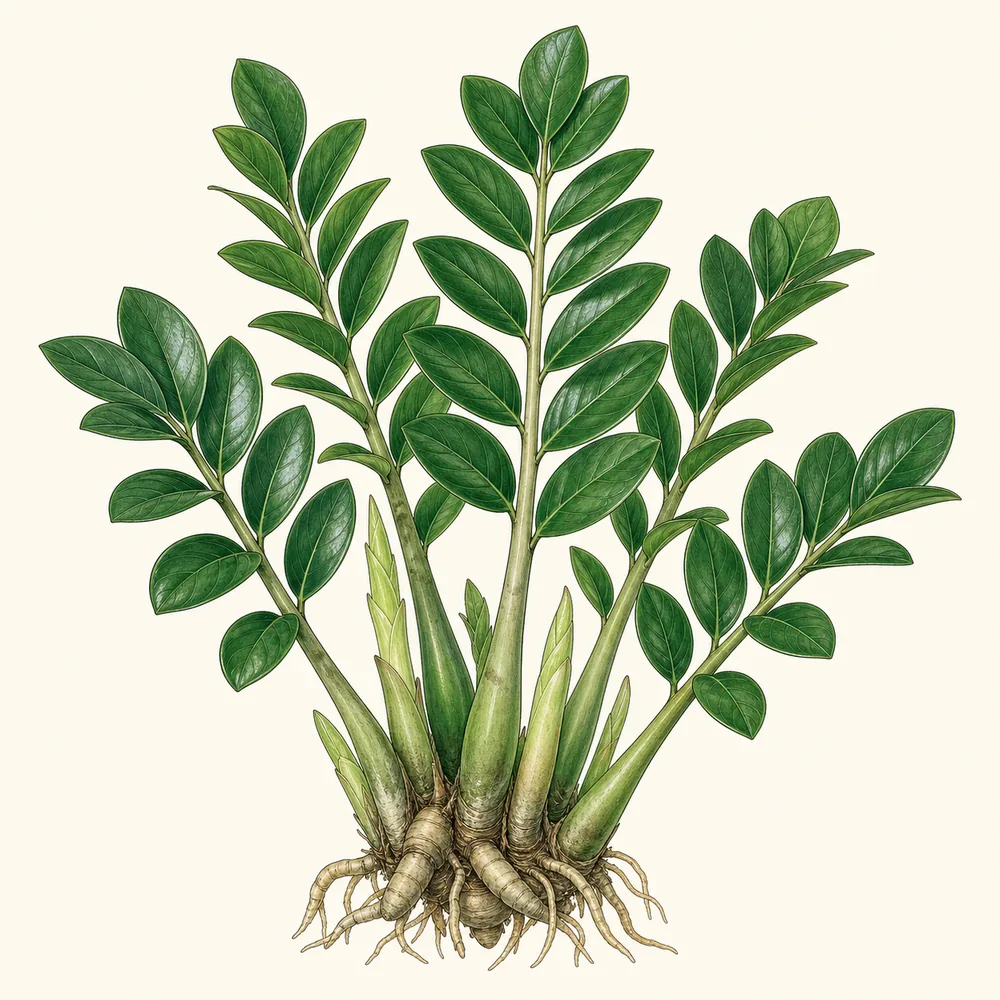
Other plants with a similar temperament.
From the Notebook
Seasonal notes and guides that mention the pothos.
How we checked this
Care cross-checked against the RHS and NC State Extension. Toxicity confirmed against the ASPCA database (insoluble calcium oxalates — mild). If our page and these sources ever disagree, believe them — and tell us.
Sources: RHS · NC State Extension · ASPCA
Last reviewed · July 2026