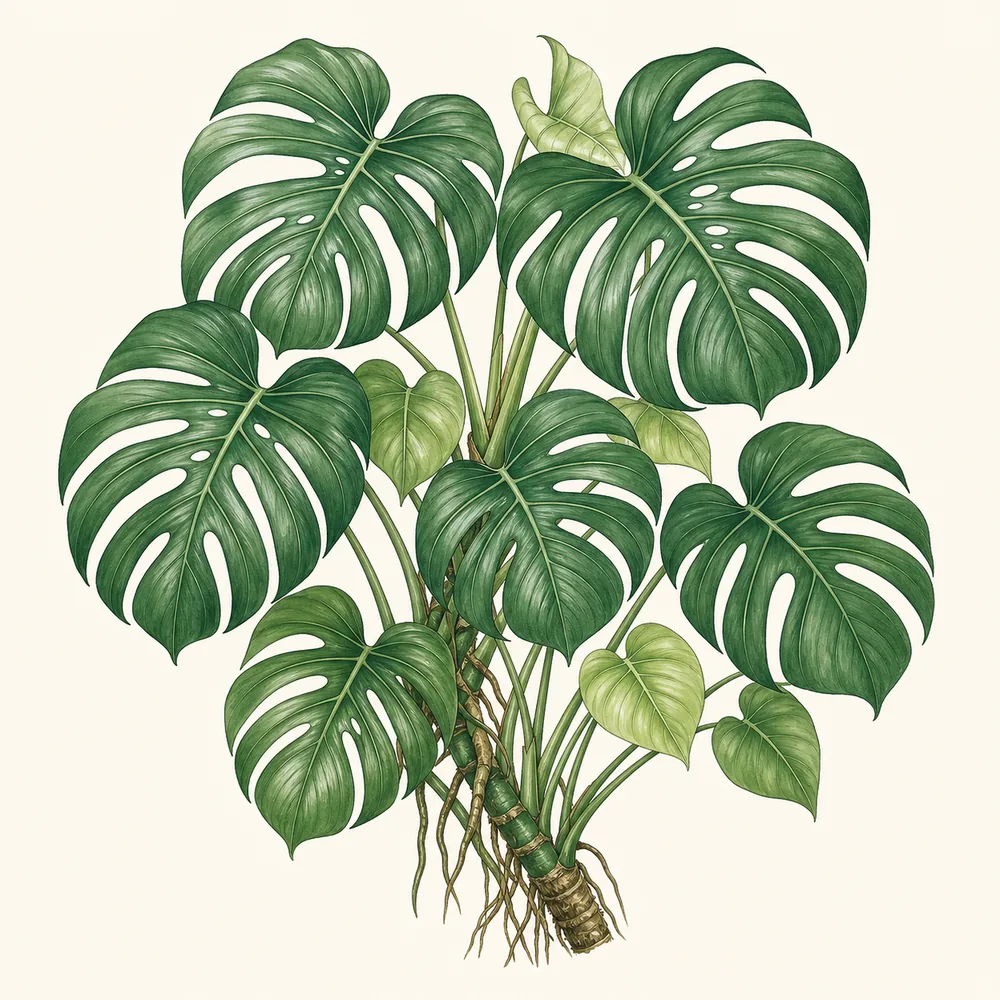
Swiss Cheese Plant
The big architectural leaves everyone wants, on a plant that is genuinely forgiving. Give it room, something to climb, and bright indirect light, and the famous holes will come.
Mildly toxic to cats, dogs & people if chewed
Leaves contain insoluble calcium oxalate crystals. Chewing causes mouth and throat irritation, drooling and possibly vomiting — painful but self-limiting, not life-threatening. Keep it out of reach of pets and toddlers that nibble. Source: ASPCA.
Care at a glance
Everything that matters, in six lines. The detail is further down.
Light
Loves a bright spot out of harsh midday sun. Too dark and the leaves stay solid, with no holes.
Water
Roughly weekly in summer, less in winter. Let it drain fully — never leave it sitting wet.
Temperature
Normal room warmth. Keep it off cold windowsills and away from draughts.
Humidity
Happy in normal rooms; greener and glossier above ~50%. A kitchen or bathroom suits it well.
Feeding
A balanced houseplant feed once a month from spring to late summer. None in winter.
Soil
A peat-free aroid mix — compost loosened with bark and perlite so the roots get air.
What to do, and when
Growth restarts. Repot if roots are circling, add or re-tie a moss pole, and resume feeding.
Peak growth. Water as the top dries, feed monthly, and wipe the leaves to keep them breathing.
Ease back on water and feed as light drops. New leaves will slow — that is normal.
Near-rest. Water sparingly, no feed, and keep it away from radiators and cold glass.
Why the leaves split (and why yours might not)
The holes and splits — fenestrations — are the whole point of a monstera, and they arrive with maturity and light. Young plants and plants in dim corners produce solid, heart-shaped leaves. As the plant ages in bright, indirect light, each new leaf emerges more deeply cut than the last.
If yours has stopped splitting, the usual fix is more light and something to climb. In the wild it scrambles up trees, and giving it a moss pole to root into genuinely encourages bigger, more fenestrated leaves.
Watering & support
Water when the top few centimetres of compost feel dry, soak it through, and let every drop drain away. The fastest way to kill one is leaving it in a wet pot — the lower leaves yellow and the roots rot.
As it grows, tie the stems loosely to a moss pole or coir pole. It is not just cosmetic: the aerial roots grab on and feed the plant, and an unsupported monstera eventually flops.
Common problems
Yellowing lower leaves
Usually overwatering. Let it dry further between drinks and check the pot drains freely.
No splits / solid leaves
Too little light, or simply a young plant. Move it brighter and be patient.
Brown, crispy edges
Dry air or under-watering. Raise humidity a little and keep watering consistent.
Fine webbing on leaves
Spider mites, common in dry warm air. Wipe down and rinse the foliage; raise humidity.
Everything a monstera needs
Get the first three right and the rest is comfort.
We take no commission on anything in the "save your money" tier — if we don't think you should buy it, we don't link it. How our recommendations work
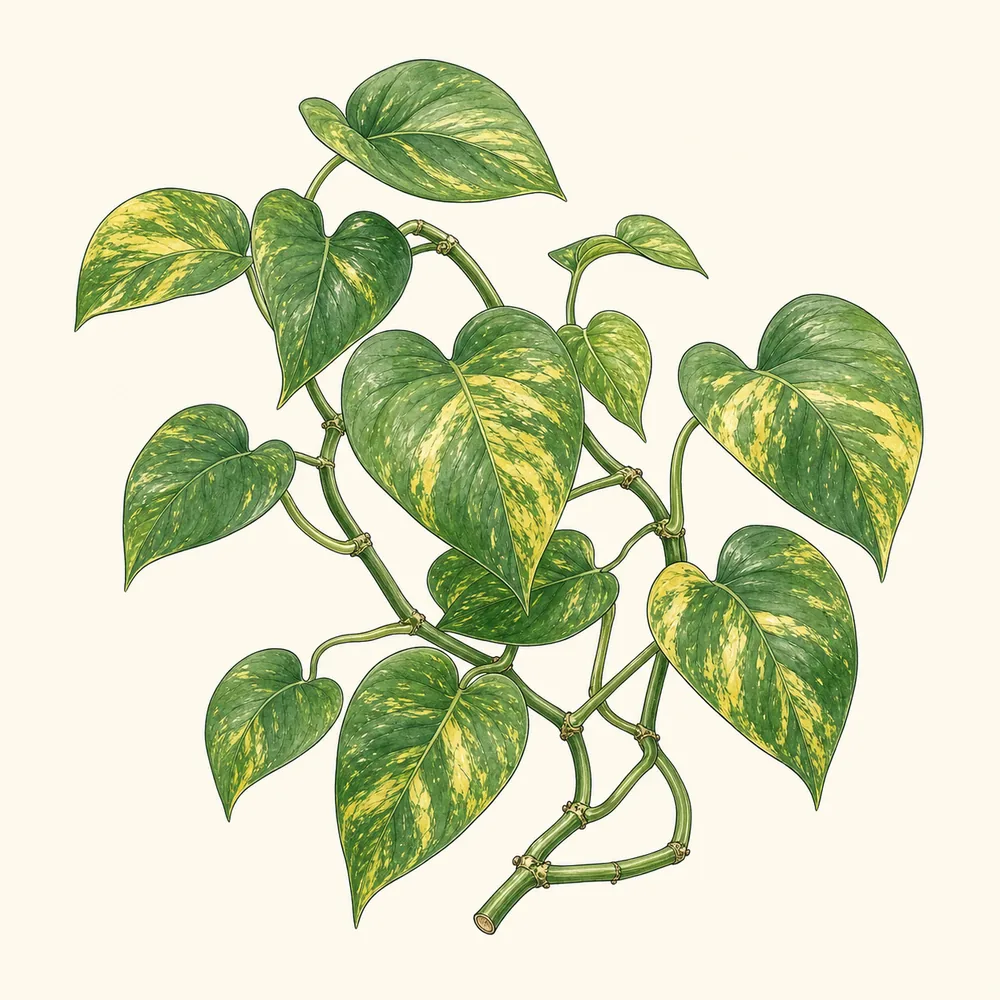
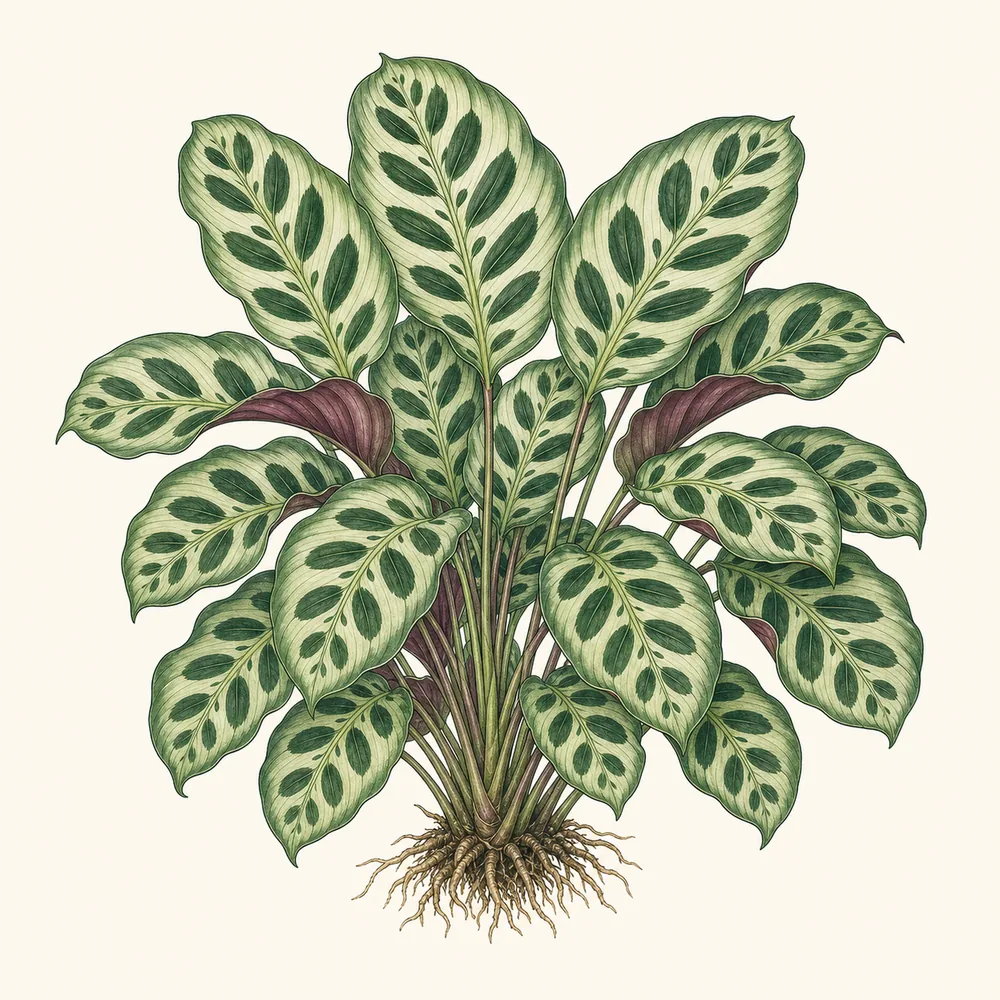
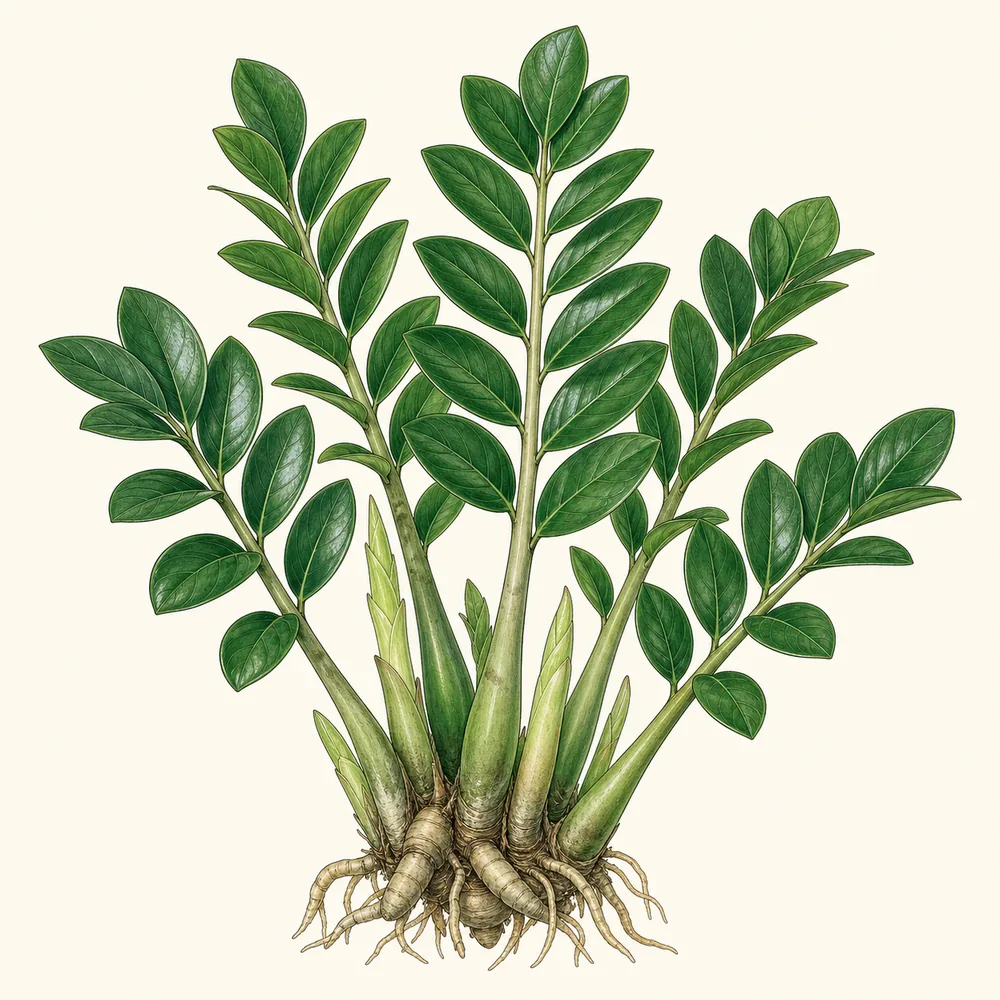
If you like this, try
Other plants with a similar temperament.
From the Notebook
Seasonal notes and guides that mention the swiss cheese plant.
How we checked this
Care cross-checked against the Royal Horticultural Society and NC State Extension. Toxicity confirmed against the ASPCA database (insoluble calcium oxalates — mild, oral irritation). If our page and these sources ever disagree, believe them — and tell us.
Sources: RHS · NC State Extension · ASPCA
Last reviewed · July 2026