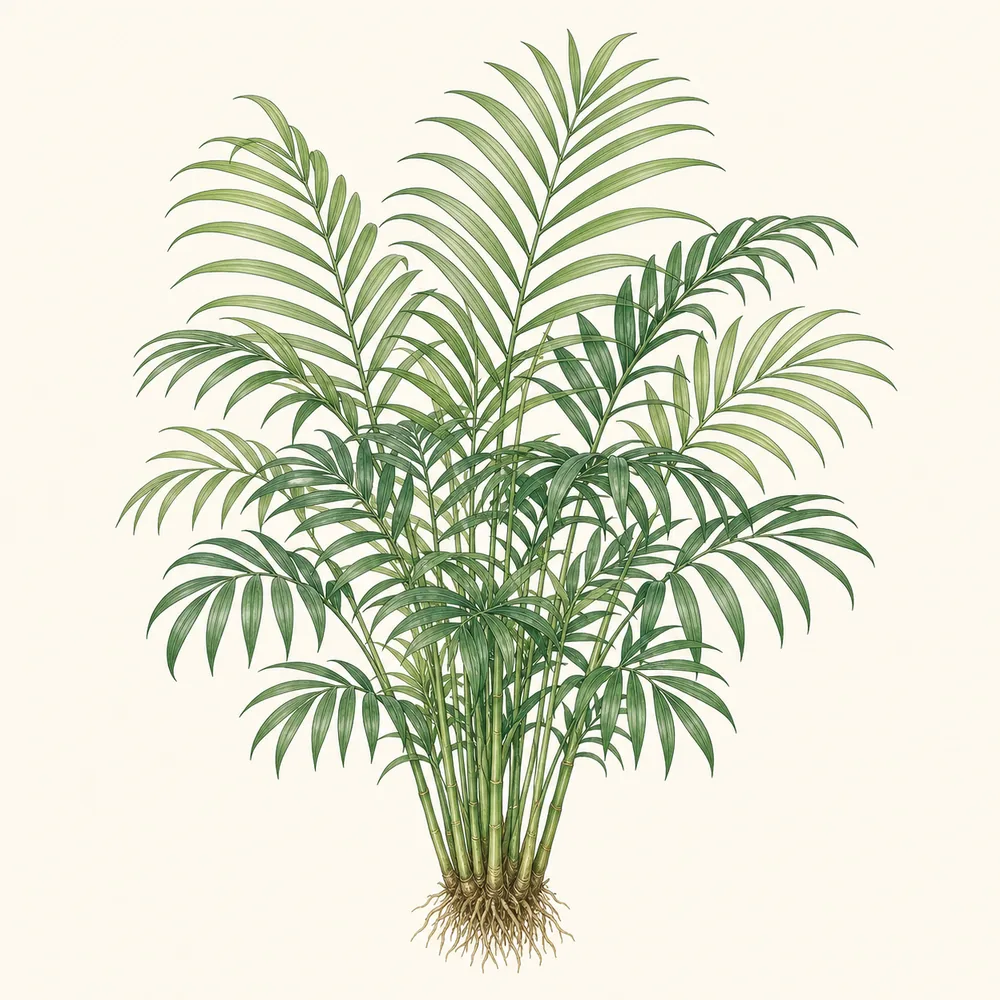
Parlour Palm
A softly feathered little palm that has furnished shady sitting rooms since Victorian times — precisely because it tolerates low light and asks for little. And unlike the deadly sago "palm", this one is genuinely pet-safe.
Safe around cats & dogs
Listed <strong>non-toxic to cats and dogs</strong> by the ASPCA. Worth stressing: the parlour palm is a true palm and is safe — do not confuse it with the <strong>sago palm</strong> (a cycad, not a palm), which is lethal to dogs. If you want a pet-safe palm, this is it. Source: ASPCA.
Care at a glance
Everything that matters, in six lines. The detail is further down.
Light
A true low-light palm. Bright indirect is ideal; direct sun scorches the fronds.
Water
Keep lightly moist in growth, drier in winter. Do not let it stand in water — roots rot easily.
Temperature
Ordinary room warmth; keep it above 10 °C and out of cold draughts.
Humidity
Copes with normal rooms; brown tips in very dry air. An occasional mist helps.
Feeding
A weak feed spring to summer. Palms dislike heavy feeding.
Soil
Good peat-free compost with a little added drainage.
What to do, and when
Slow growth resumes. Feed weakly and only repot if truly pot-bound — it likes snug roots.
Keep lightly moist and feed monthly. Mist in hot dry spells to keep tips from browning.
Ease off water and feed as growth slows.
Water sparingly, hold off feed, and keep it away from radiators and cold glass.
The original low-light plant
Parlour palms earned their name filling the dim parlours of Victorian houses, and that shade tolerance is still their selling point. They will grow in a spot most plants sulk in — a north-facing room, a hallway, a desk away from the window.
They are slow, so buy the size you want rather than expecting a fast transformation, and resist over-potting: they flower and grow best when the roots are a little snug.
The sago palm confusion
It is worth being clear, because it genuinely matters for a pet household: the parlour palm is safe, but the similar-sounding sago palm (Cycas revoluta) is one of the most dangerous plants you can own around dogs — a couple of seeds can cause fatal liver failure.
They are not related — sago is an ancient cycad, not a true palm. If a shop labels something simply "palm", check the botanical name before trusting it around pets.
Common problems
Brown frond tips
Dry air, tap-water salts or over-feeding. Mist, use rainwater, feed less.
Yellowing fronds
Usually overwatering. Let the top dry more; check it is not standing in water.
Fine webbing / stippling
Spider mites in dry air. Rinse the foliage and raise humidity.
Very slow / no growth
Normal — parlour palms are slow. A little more light nudges it along.
Everything a parlour palm needs
A calm, low-light plant with a short shopping list.
We take no commission on anything in the "save your money" tier — if we don't think you should buy it, we don't link it. How our recommendations work
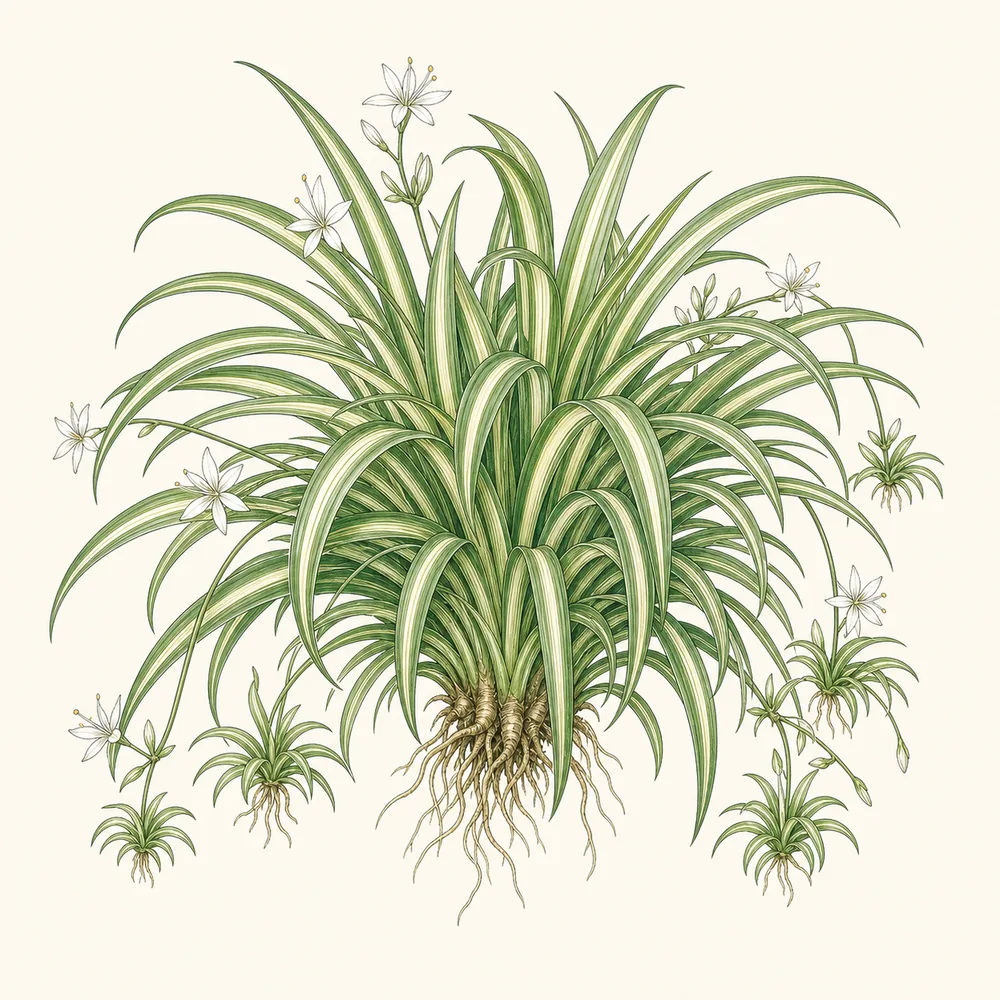
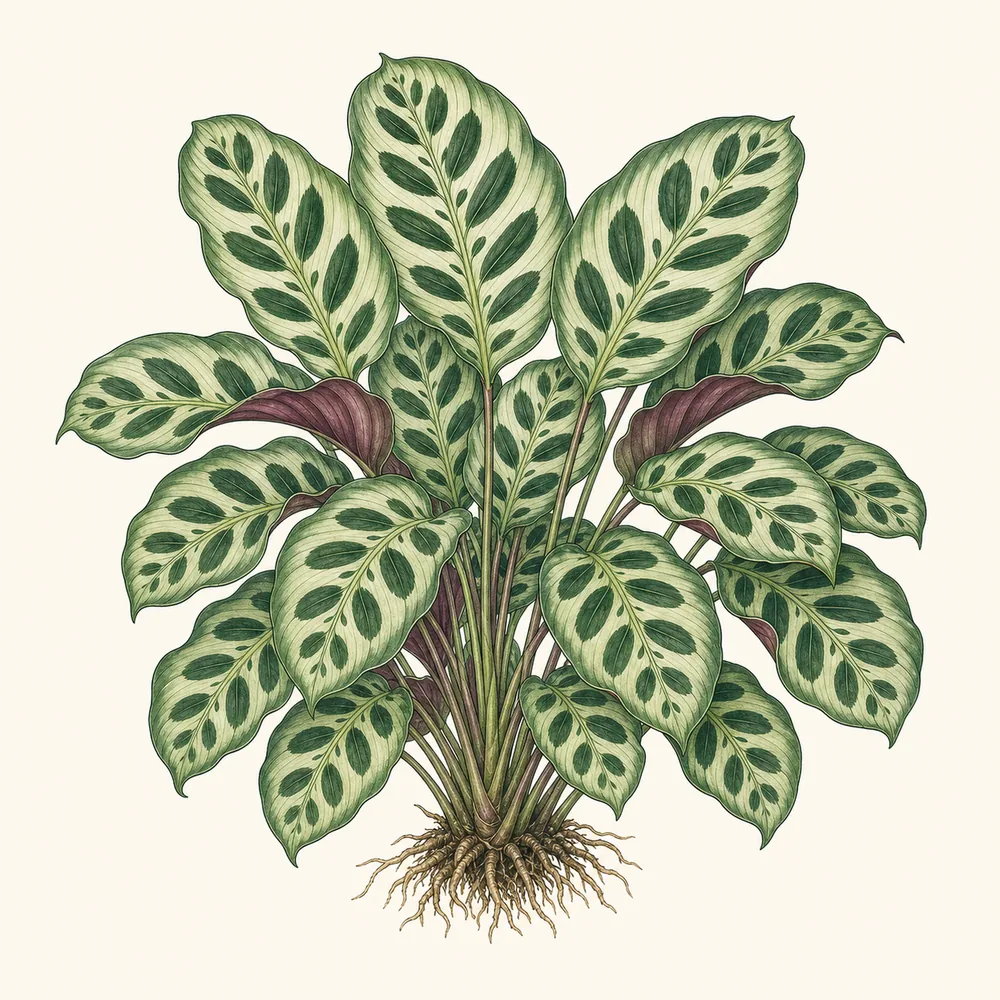
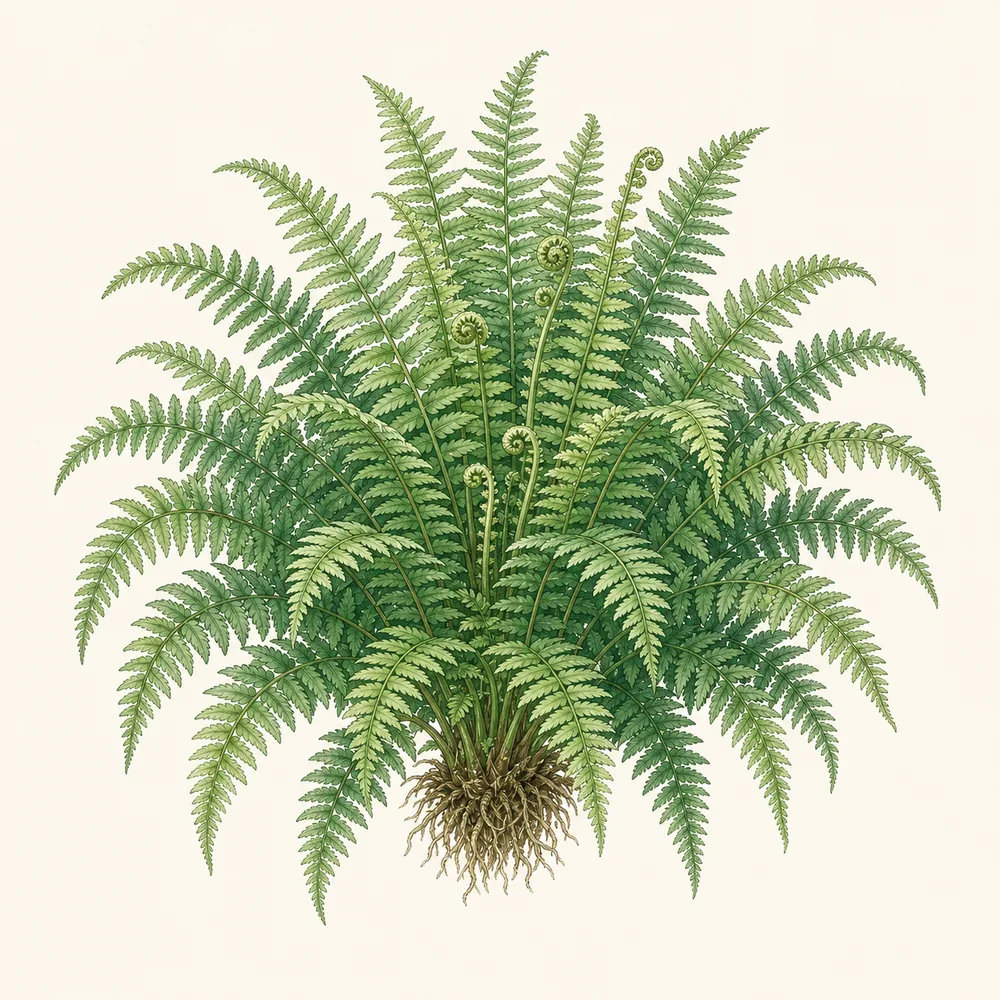
If you like this, try
Other plants with a similar temperament.
From the Notebook
Seasonal notes and guides that mention the parlour palm.
How we checked this
Care cross-checked against the RHS and NC State Extension. Non-toxic status confirmed directly against the ASPCA parlor palm entry (non-toxic to cats and dogs). Deliberately contrasted with the toxic, unrelated sago palm (Cycas revoluta). If our page and these sources ever disagree, believe them — and tell us.
Sources: RHS · NC State Extension · ASPCA — Parlor Palm
Last reviewed · July 2026