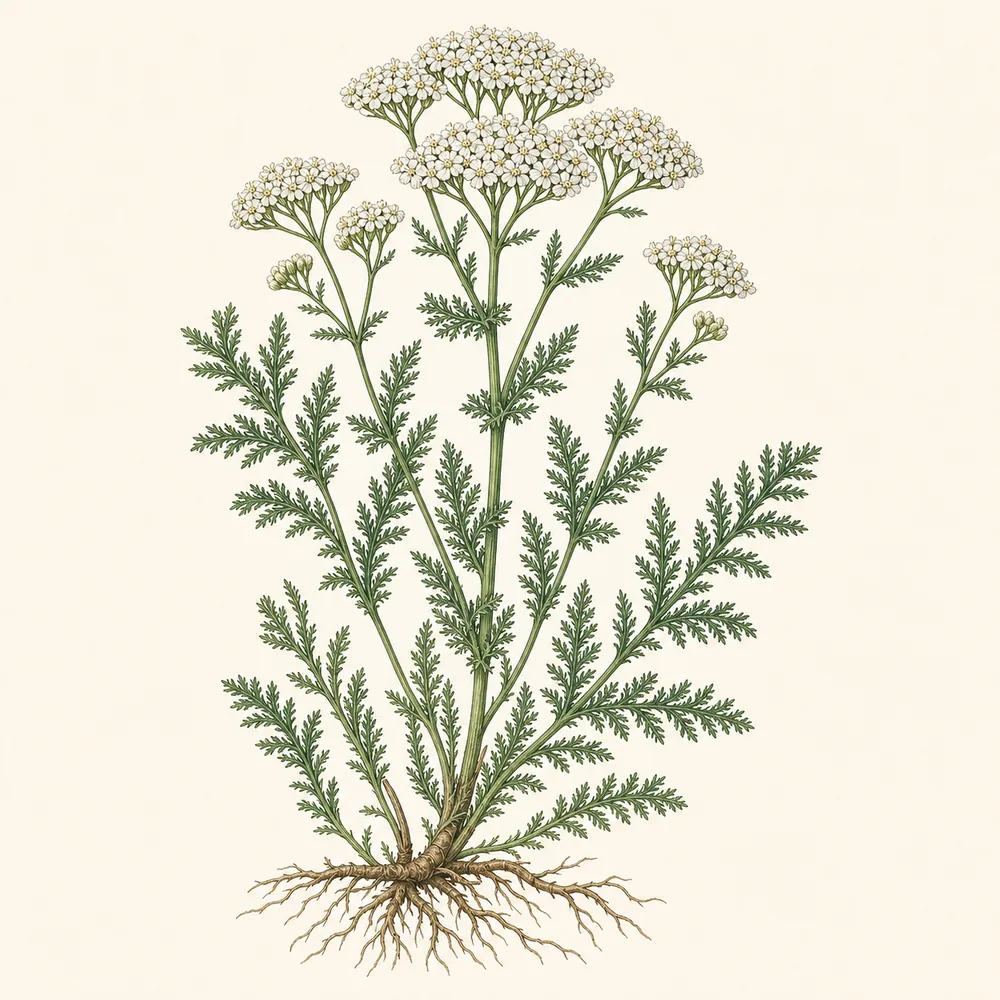
Yarrow
One of the toughest wildflowers you can grow — a native meadow perennial with feathery, ferny foliage and flat white flower-heads that hoverflies, bees and butterflies adore. It thrives on poor, dry soil where fussier plants sulk, and once it's in, it looks after itself.
Toxic to cats, dogs & horses
Yarrow (Achillea millefolium) is listed as toxic to cats, dogs and horses on the ASPCA database. Eating it can cause vomiting, diarrhoea, drooling, colic and skin irritation. A lovely, tough meadow plant — just site it away from where pets graze.
Care at a glance
Everything that matters, in six lines. The detail is further down.
Light
Yarrow wants an open, sunny spot. In shade it flops, flowers poorly and loses the dense flat heads that make it so good for pollinators.
Water
Once established it rarely needs watering — the deep roots find their own moisture. Only water new plants through their first dry summer.
Hardiness
A native perennial, hardy right across the UK. The top dies back in winter and reshoots from the crown each spring — no protection needed.
Soil
Thrives on thin, poor, free-draining soil. Rich ground makes it tall, soft and floppy, so resist the urge to improve it.
Feeding
Never feed yarrow. Fertiliser makes lush leaf at the expense of flower and encourages it to swamp its neighbours — lean soil keeps it in check.
Spread
It creeps steadily through the ground on runners. Welcome in a meadow, but keep it out of a tidy border unless you're happy to dig strays out.
What to do, and when
New ferny rosettes push up from the crown as the soil warms. Sow fresh seed now on a bare, weed-free patch of poor soil, or plant out pot-grown plugs into thin grass.
The flat flower-heads open from June and carry on into autumn, alive with hoverflies and bees. Deadhead a few for a longer show, but leave most to set seed for next year and for the birds.
Cut the meadow patch and rake off the clippings once the seed has dropped. This is also a good time to lift and split established clumps to spread it around.
The plant dies back to a flat green rosette and sits out the cold. Leave old stems standing where you can — they shelter insects and give structure through frost.
Poor soil is the secret
Yarrow is one of those plants that does best when you do least. On rich, fed ground it grows tall and lax, flops in the first summer storm and elbows out everything around it. On thin, poor, free-draining soil it stays compact, flowers hard and behaves itself.
If you're starting a meadow patch on old lawn or fertile border soil, it's worth stripping the top few centimetres of rich turf away first, or sowing into a bare scrape rather than digging in compost. Lean ground is the whole trick with native meadow flowers — the low fertility is what lets the flowers compete with the grasses.
Sowing and getting it going
Sow yarrow direct where it's to grow, either in autumn or early spring, onto bare, firmed soil with the weeds cleared off. The seed is tiny — mix it with a little dry sand so you can see where it's landing, scatter it thinly, and press it into the surface rather than burying it, as it needs light to germinate.
For a quicker, more reliable start, raise it in modules or buy pot-grown plugs and plant them into slits in existing thin grass in autumn. Plugs establish faster than seed sown into competition and give you flowering plants the following summer.
Managing a mini-meadow
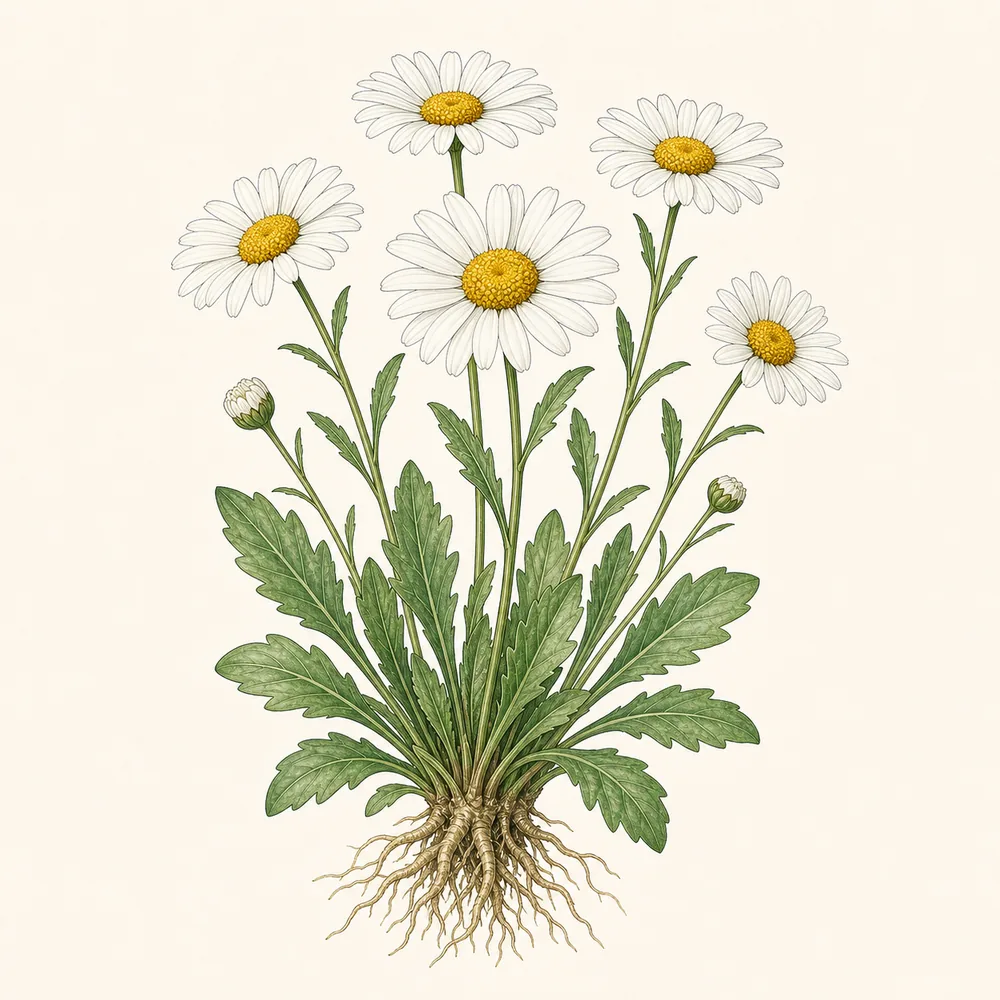
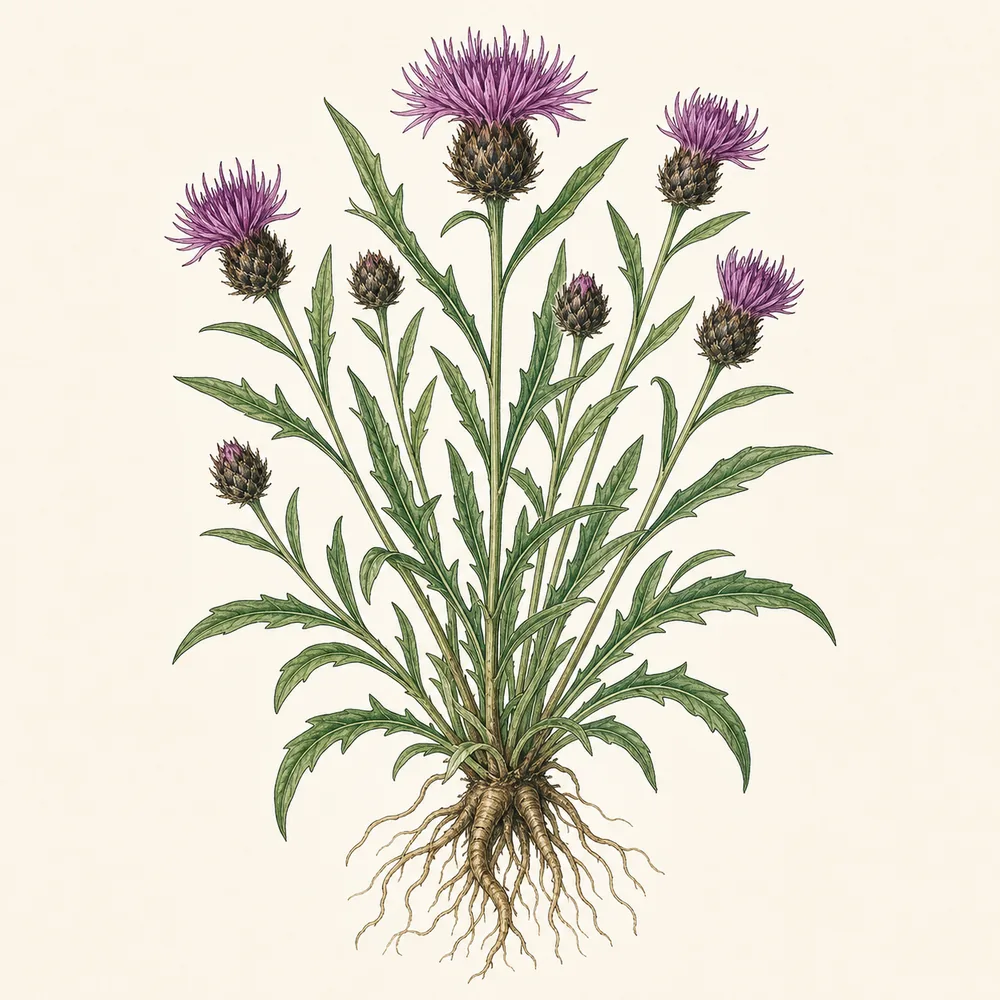
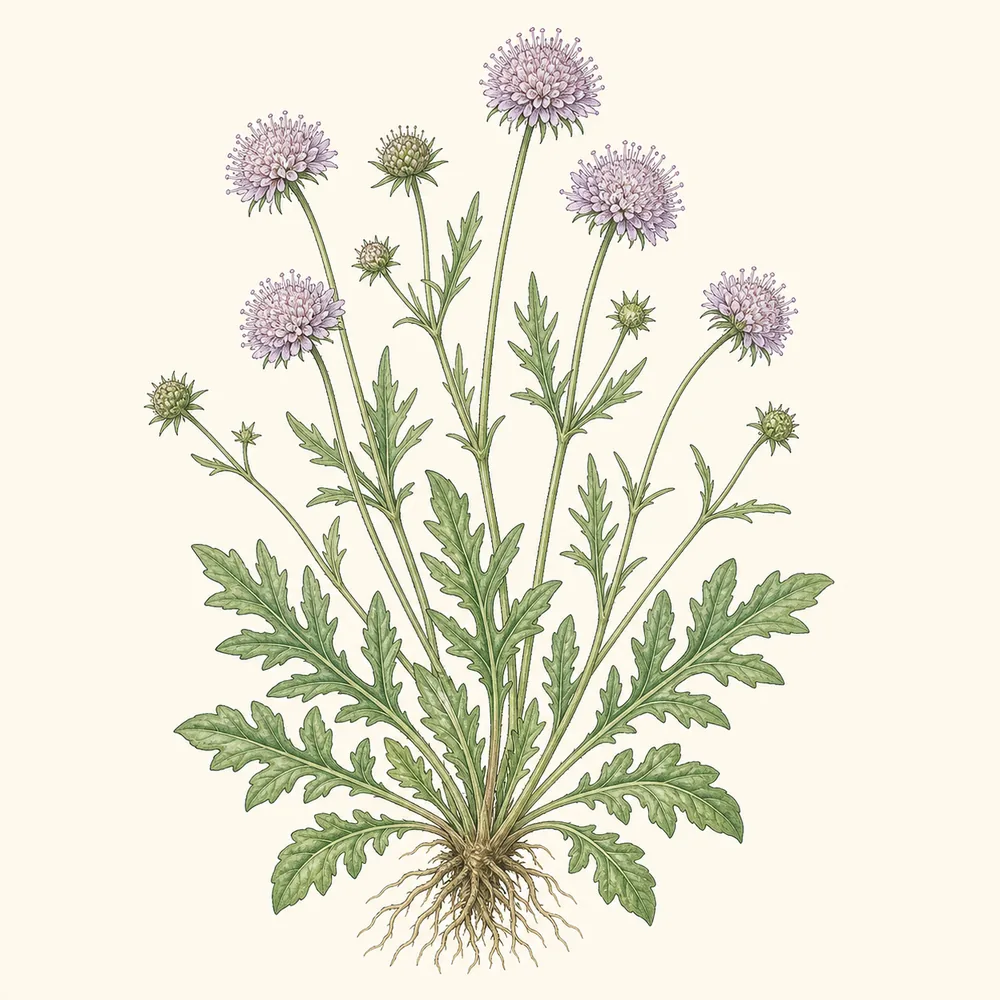
Yarrow is a classic component of a wildflower meadow alongside ox-eye daisy, knapweed and field scabious. The management is refreshingly simple: let it grow and flower through spring and summer, then give the whole patch one cut a year in late summer or early autumn, once the flowers have set and shed their seed.
Crucially, rake the cuttings off and take them away rather than leaving them to rot down. Removing the clippings slowly strips fertility out of the soil, which favours the flowers over the grasses year on year. Leave the arisings lying and you feed the grass instead — the opposite of what you want.
Wildlife value
Those flat, open flower-heads are a landing pad and an open bar for short-tongued insects — hoverflies, solitary bees, beetles and butterflies can all reach the nectar easily, which isn't true of deeper, tubular flowers. That makes yarrow one of the most useful pollinator plants a meadow can hold.
Left standing over winter, the dead stems and seed-heads shelter overwintering insects and feed seed-eating birds. Resist tidying everything away in autumn — a scruffy winter meadow is a working one.
Common problems
Floppy, leaning growth
Nearly always too much soil fertility or too much shade. Grow it hard on poor, free-draining ground in full sun and it stays upright and compact.
Spreading too far
Yarrow creeps on underground runners and can take over a small border. Lift and pull out strays in spring, or grow it only in a proper meadow patch where its wandering is an asset.
Few or no flowers
Usually not enough sun, or ground too rich so it makes leaf instead of bloom. Move it into the open and stop feeding — lean and bright is what it wants.
Powdery mildew in a dry spell
A white bloom on the leaves in a hot, dry summer. It's rarely serious on an established plant; cut affected growth back and it reshoots clean, and better airflow in an open site helps prevent it.
Everything a yarrow patch needs
Poor soil, full sun, and the patience to leave it alone.
We take no commission on anything in the "save your money" tier — if we don't think you should buy it, we don't link it. How our recommendations work
If you like this, try
Other plants with a similar temperament.
How we checked this
Care cross-checked against the RHS. Toxicity taken from the ASPCA database, which lists Yarrow (Achillea millefolium) as toxic to dogs, cats and horses. If our page and these sources ever disagree, believe them — and tell us.
Sources: RHS · ASPCA — toxic & non-toxic plants
Last reviewed · July 2026