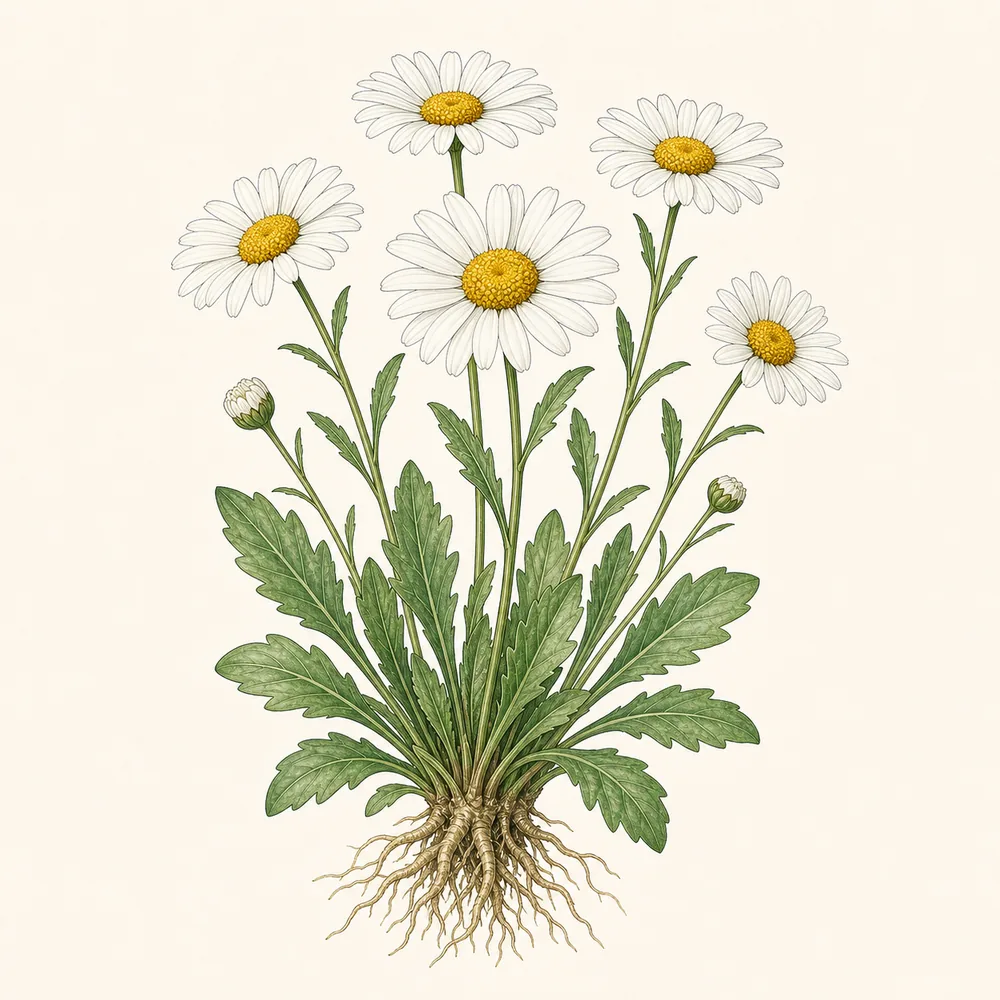
Ox-eye Daisy
The big white daisy of road verges and hay meadows — cheerful, tough and about as easy as a wildflower gets. A native perennial that flowers in its first or second year, self-seeds readily and pulls in a huge range of pollinators. A brilliant plant to start a meadow with.
Toxic to cats & dogs
The daisy/chrysanthemum group is listed as toxic to cats and dogs on the ASPCA database (Chrysanthemum spp.). The ox-eye daisy belongs to the same group and shares its irritant compounds — pyrethrins and sesquiterpene lactones — which can cause vomiting, drooling and dermatitis. We flag it toxic rather than assume the wild daisy is different.
Care at a glance
Everything that matters, in six lines. The detail is further down.
Light
An open, sunny position gives the most flowers and the sturdiest stems. It tolerates a little shade but flowers far less freely there.
Water
Once its roots are down it copes easily with dry spells. Only water plug plants through their first summer while they settle in.
Hardiness
A native perennial, hardy across the whole of the UK. It overwinters as a low green rosette and reshoots strongly each spring.
Soil
Unfussy about soil as long as it drains, and it actually prefers poorer ground — rich soil grows lush grass that competes with it.
Feeding
Don't feed it. Ox-eye daisy needs low fertility to hold its own in a meadow; feeding just powers the grasses that would crowd it out.
Spread
It seeds around generously and short-lived plants renew themselves this way. Welcome in a meadow; deadhead if you want to limit it in a border.
What to do, and when
Rosettes of dark, spoon-shaped leaves swell and flower stems rise. Sow seed now for flowers next year, or plant plugs into thin grass while the soil is still moist.
Peak flowering from late May through July — sheets of white daisies humming with bees, hoverflies and butterflies. Leave most heads to set and shed their seed for next year's plants.
Cut the meadow patch once the seed has dropped and rake the arisings off. This is a good time to sow fresh seed too, so it gets a cold spell over winter.
The plant sits as a flat evergreen rosette through the cold. Leave old stems standing where you can for overwintering insects; tidy in early spring instead.
The easiest meadow flower to start with
If you're nervous about starting a wildflower patch, the ox-eye daisy is the one to build confidence on. It germinates readily, grows fast, and often flowers in its first or second summer where slower perennials keep you waiting for years. It's forgiving about soil, shrugs off drought, and pulls in a remarkable range of insects.
It's a short-lived perennial that keeps itself going by seeding around, so once you have a few plants flowering they'll top the patch up for you. Sow it as part of a meadow mix and it acts as the reliable, showy backbone while the fussier flowers get themselves established.
Sowing on bare, poor soil
Sow direct where it's to grow, ideally in autumn so the seed gets the winter chill that many native seeds need, though spring sowing works too. Clear the ground to bare, firmed soil first — the seed needs open earth and light to germinate, not a lush seedbed full of competition.
Resist every instinct to improve the soil. On poor, unimproved ground the daisies can hold their own; dig in compost and you simply grow rank grass that swamps them. Scatter the seed thinly, mixed with a little sand so you can see it, press it into the surface and leave it uncovered.
Cut, collect and keep it lean
Manage an ox-eye daisy meadow with the standard hay-meadow rhythm: let it grow and flower through spring and summer, then give it one cut a year in late summer once the flowers have set and shed their seed. On a richer, grassier patch a second, lighter cut in autumn helps knock the grass back further.
Always rake the clippings off and take them away. Removing the cut material year after year is the quiet engine of a good meadow — it slowly draws fertility out of the soil, and lean soil is what lets the flowers keep pace with the grasses. Leave the arisings to rot and you feed the grass and lose the daisies.
A magnet for pollinators
The classic open daisy face — a broad yellow disc ringed with white petals — is one of the most accessible flower shapes there is. Short-tongued bees, hoverflies, solitary bees, beetles and butterflies can all reach the nectar and pollen easily, so a drift of ox-eye daisy is buzzing from dawn.
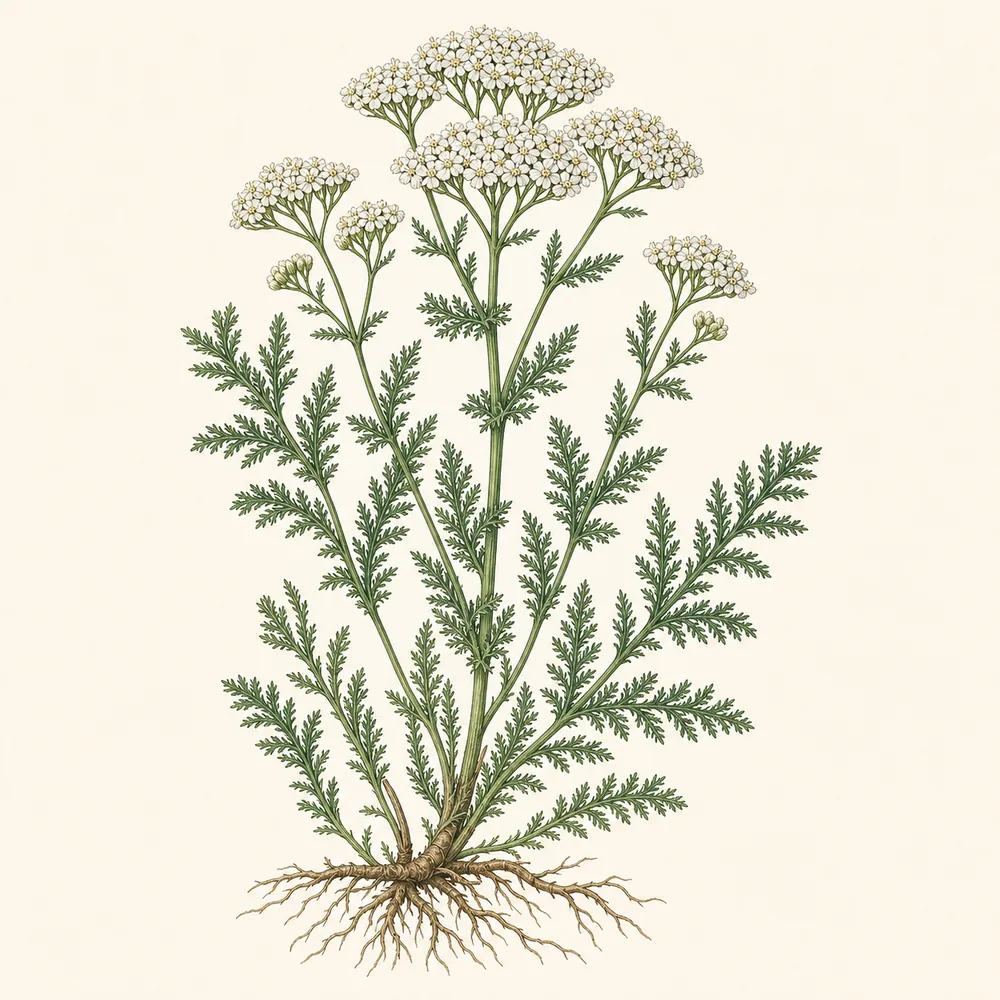
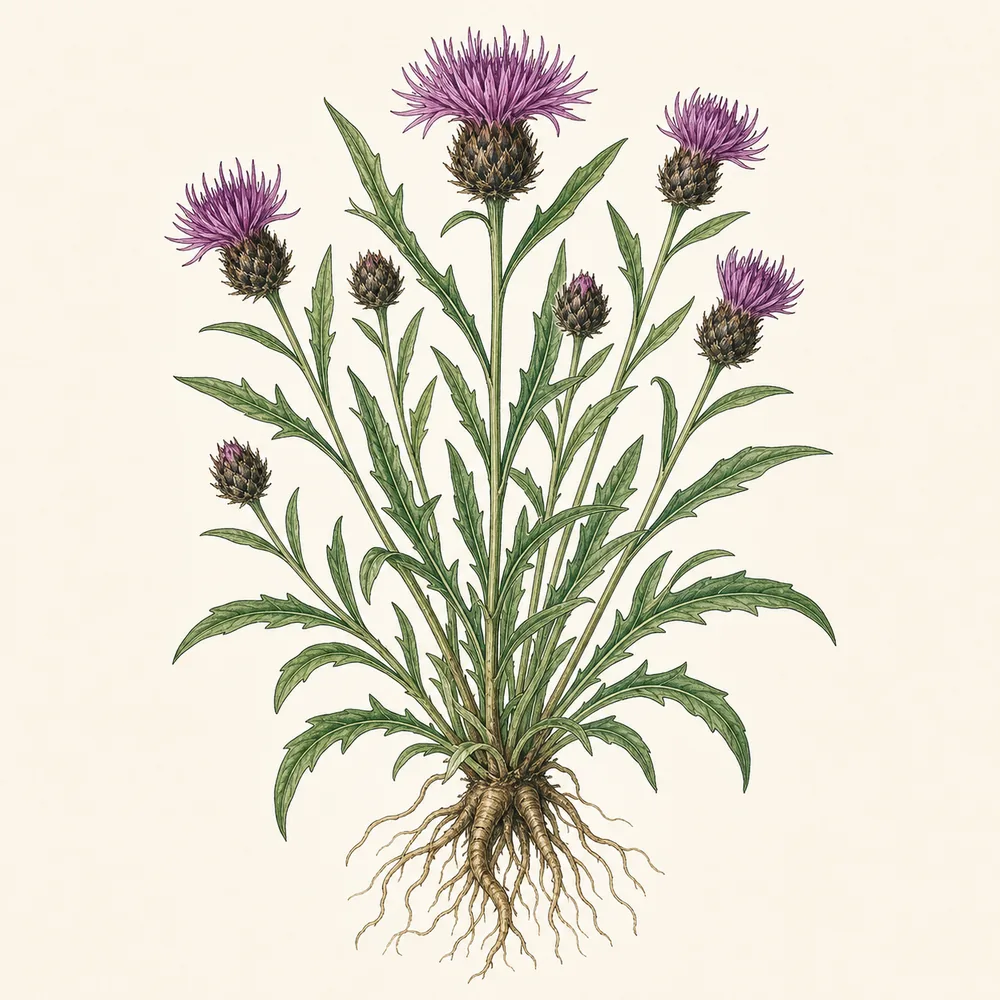
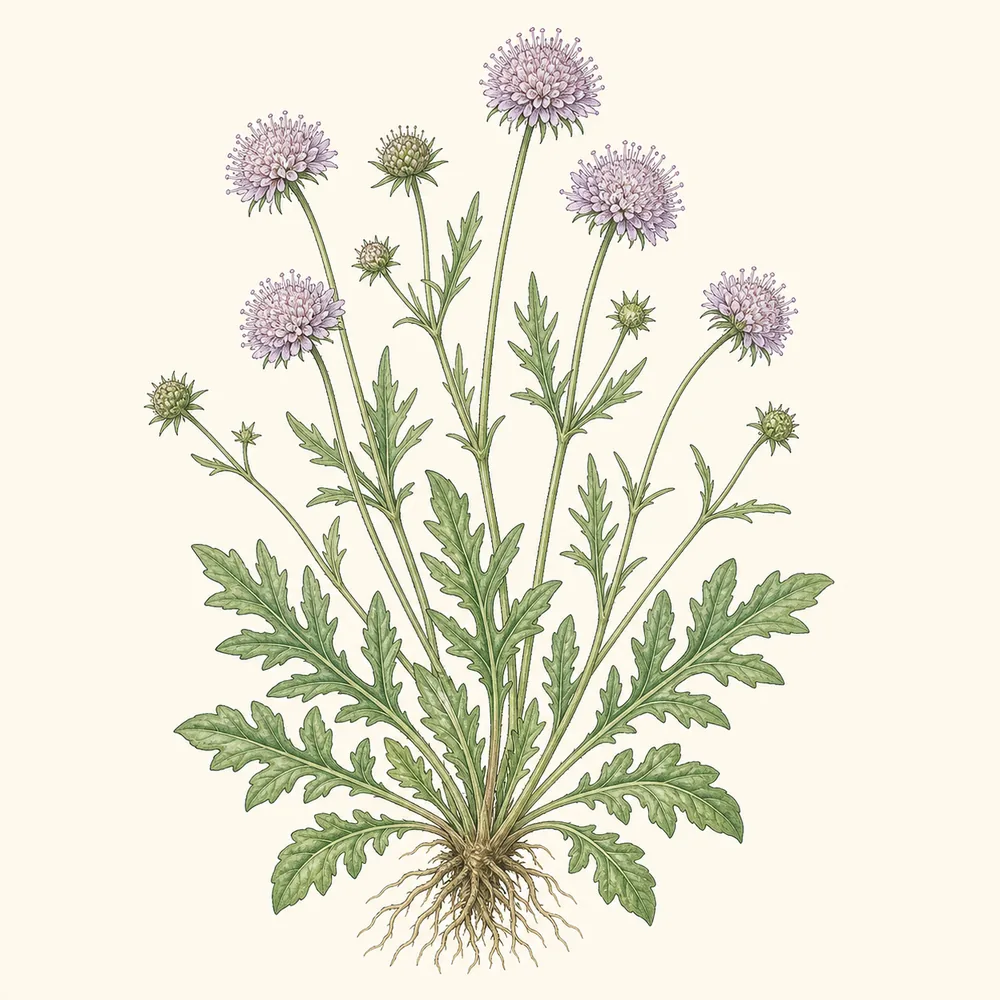
Leave the seed-heads standing into autumn and winter and they feed seed-eating birds like goldfinches, while the old stems shelter insects through the cold. It pairs naturally with yarrow, knapweed and field scabious for a long, overlapping season of meadow flowers.
Common problems
Seeding around too much
In a tidy border it can self-seed more than you'd like. Deadhead after flowering to cut the seed down, or simply hoe out unwanted seedlings — they pull up easily when small.
Crowded out by grass
On fertile ground vigorous grass outgrows the daisies. Stop feeding, cut and remove the arisings each year, and sow yellow rattle to weaken the grass.
Leggy, sparse flowering in shade
Too little sun gives tall, floppy plants with few blooms. Ox-eye daisy needs an open position — move it or clear overhanging growth to let the light in.
Short-lived clumps fading out
It's a short-lived perennial, so old clumps can peter out. That's normal — let it self-seed, or lift and divide established plants in autumn to keep it going.
Everything an ox-eye daisy patch needs
Bare poor soil, full sun, and seed sown thinly in autumn.
We take no commission on anything in the "save your money" tier — if we don't think you should buy it, we don't link it. How our recommendations work
If you like this, try
Other plants with a similar temperament.
How we checked this
Care cross-checked against the RHS. Toxicity taken from the ASPCA database, which lists the Daisy/Chrysanthemum group (Chrysanthemum spp.) as toxic; the ox-eye daisy (Leucanthemum vulgare) is the same group. If our page and these sources ever disagree, believe them — and tell us.
Sources: RHS · ASPCA — toxic & non-toxic plants
Last reviewed · July 2026