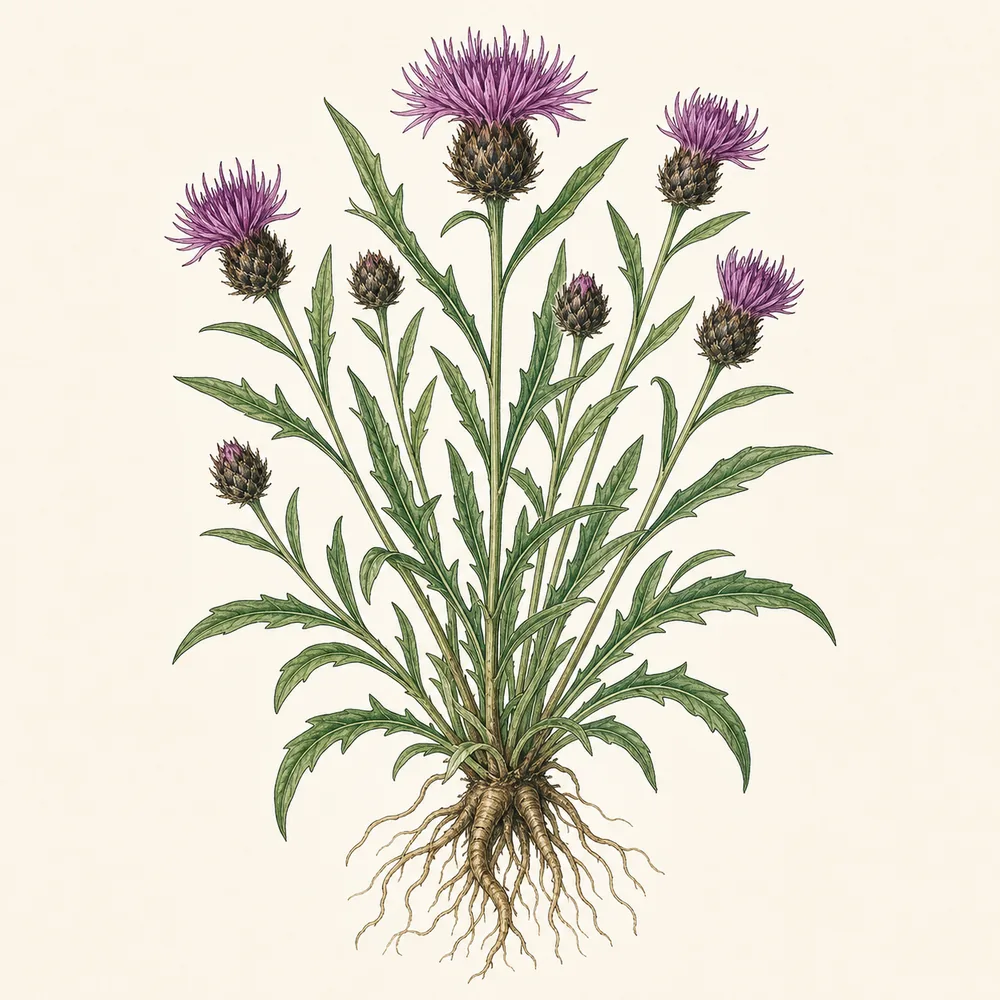
Common Knapweed
One of the hardest-working plants in a British meadow — thistle-like purple heads that hum with bees, butterflies and hoverflies from midsummer on. It's a tough, long-lived perennial that thrives on poor soil, asks for almost nothing, and feeds pollinators when little else is flowering.
Not listed by ASPCA
The ASPCA doesn't list common knapweed, so we don't stamp it safe. It's a UK native wildflower with no recorded serious toxicity to pets, but with no database entry we flag the gap honestly rather than guess.
Care at a glance
Everything that matters, in six lines. The detail is further down.
Light
An open, sunny spot gives the strongest flowering and the most insect visitors. It tolerates a little shade but flowers far better in the open.
Water
Established plants are drought-tough and need no watering. Only water new plug plants or autumn sowings through a dry first spell.
Temperature
A native perennial, hardy right across the UK. It dies back to a rosette in winter and returns reliably each spring.
Spacing
In a sown meadow it finds its own spacing; as plugs, set them roughly 30 cm apart to knit into the grass.
Feeding
Never feed it. Rich, fed ground pushes coarse grasses that swamp meadow flowers; knapweed wants lean, unimproved soil.
Soil
Happy on chalk, clay or loam so long as it isn't waterlogged. It actually performs best where the ground is poor and stony.
What to do, and when
Leafy rosettes push up and stems begin to extend. A good month to plant plug plants into an existing meadow patch while the soil is moist.
The main show — purple brush-like heads open from June and carry on into August, thick with bees and butterflies. Leave every flower for the pollinators.
Seedheads ripen and feed finches; the plant sets seed freely. Do the annual meadow cut once flowering is over and rake the cuttings off.
Fully dormant as a flat rosette. Nothing to do — leave old stems standing where you can, as they shelter overwintering insects.
Poor soil is the whole secret
Knapweed is a grassland plant, and the single biggest mistake with meadow flowers is growing them in good, fertile soil. Rich ground grows lush grass, and vigorous grass simply out-competes the flowers until you're left with a lawn.
So resist every gardening instinct: no compost, no manure, no feed. If your soil is already fertile, you can strip off the top few centimetres of turf and topsoil before sowing, or sow into a patch you've deliberately left lean. The hungrier the ground, the better knapweed does.
Sow in autumn, direct onto bare soil
Meadow perennials like knapweed germinate best after a spell of winter cold, so autumn is the natural time to sow. Clear a patch to bare earth, scatter the seed thinly, and firm it in by treading or rolling — the seed needs contact with the soil, not burying.
Mixing the fine seed with a little dry sand helps you sow it evenly. Don't rake compost over the top; on bare, low-fertility ground it will find its own way. You can also raise it in modules and plant out as plugs, which gives you far more control in an established sward.
A pollinator magnet worth building a patch around
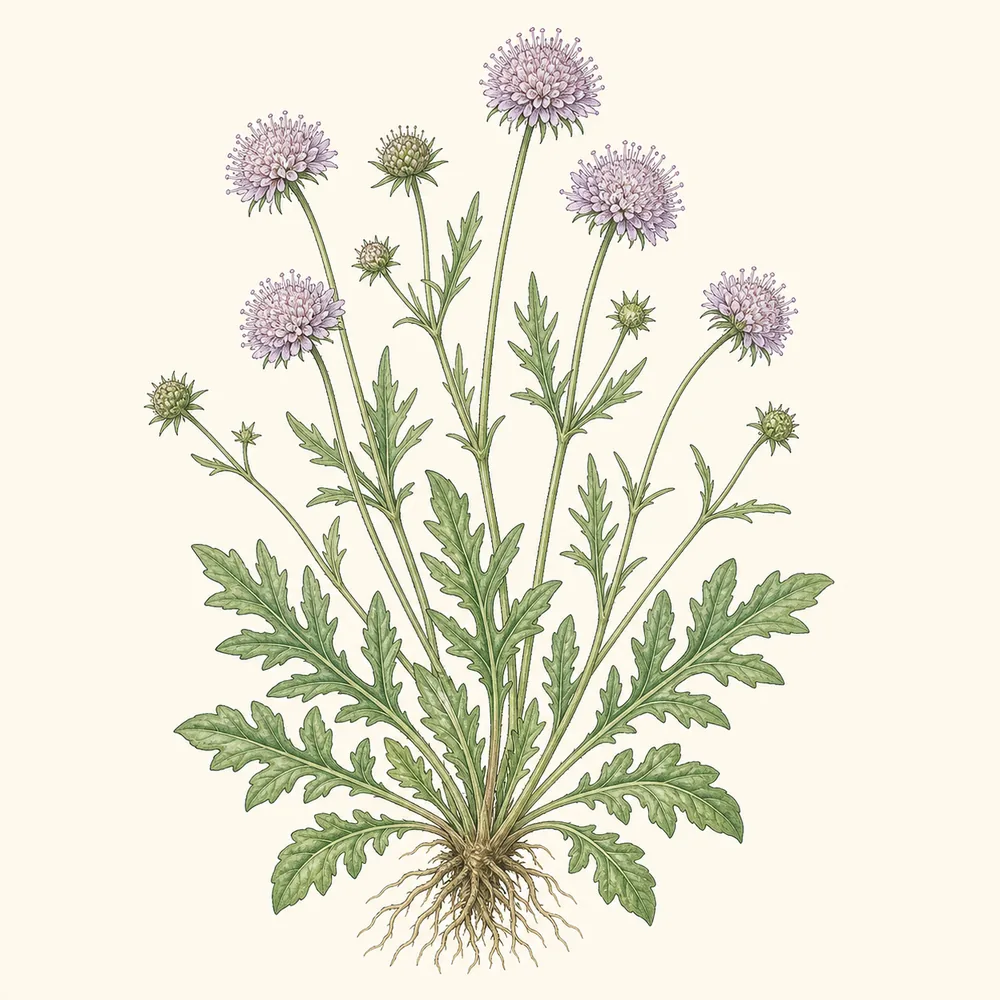
If you want one meadow plant that pulls in the most insects, knapweed is near the top of the list — alongside field scabious, it's one of the great nectar bars of British grassland. The open, brush-like heads are easy for bees, butterflies and hoverflies to work, and they flower through the midsummer gap when many spring plants are over.
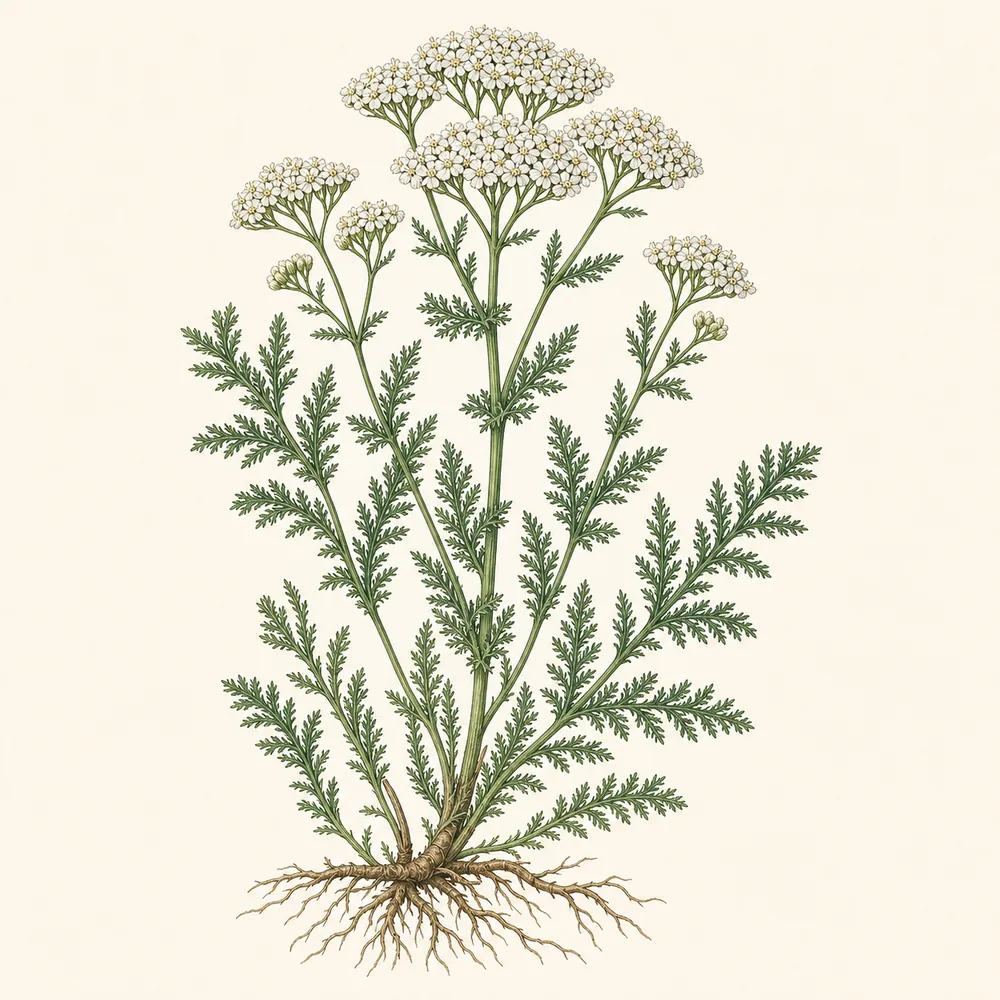
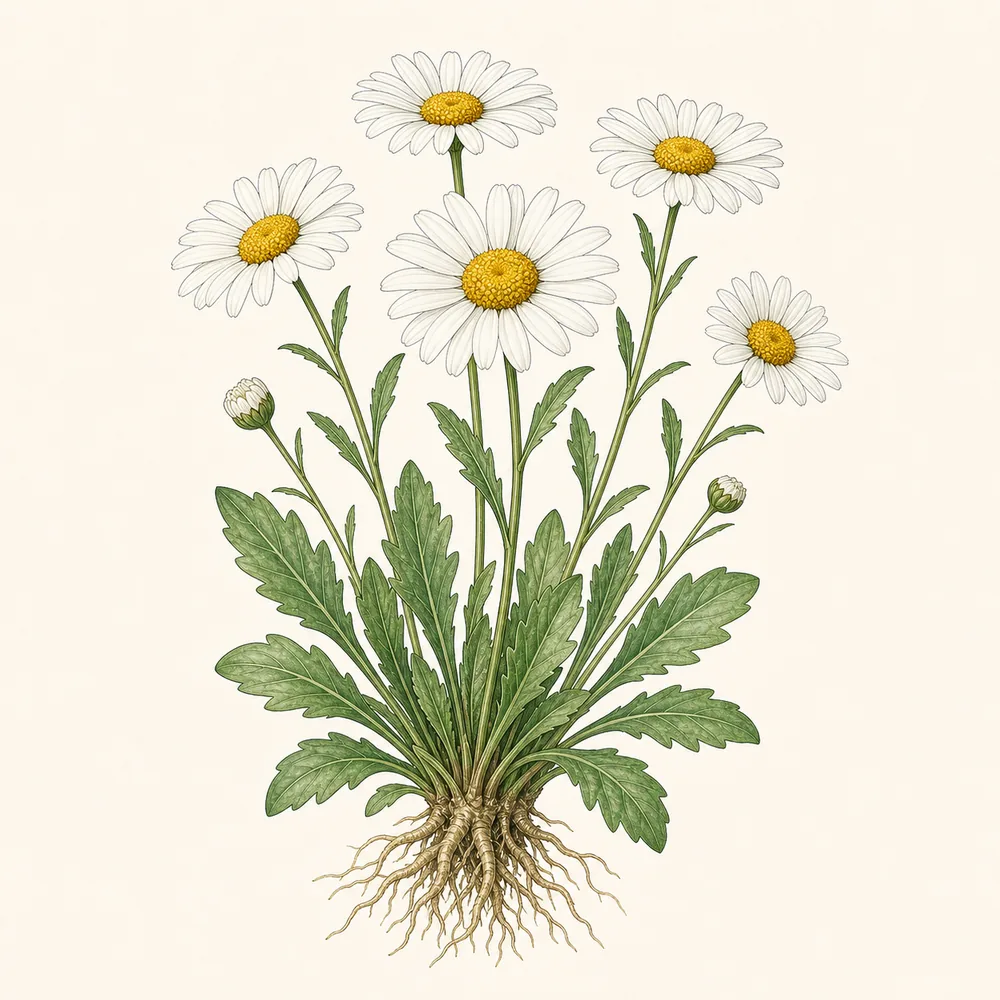
Plant it in a drift rather than dotted about, and pair it with field scabious, ox-eye daisy and yarrow for a long, overlapping season of nectar. Leave the seedheads standing into autumn and goldfinches will work them over.
Common problems
Swamped by vigorous grass
The commonest failure. It means the soil is too rich. Stop feeding, cut and remove the growth each year to lower fertility, and consider introducing yellow rattle to weaken the grass.
Never flowers or flowers weakly
Usually too much shade or too much competition. Move it to a fully open spot and clear rank grass from around young plants until they establish.
Spreading more than you want
It self-seeds freely on bare ground, which is usually the point in a meadow. To limit it, deadhead some stems before the seed ripens rather than cutting the lot.
Poor establishment from seed
Seed sown into thick grass rarely takes. Always sow onto bare, firmed soil in autumn, and keep new sowings from drying out in their first few weeks.
Everything a knapweed patch needs
Poor soil, bare ground to sow onto, and the patience to let it establish.
We take no commission on anything in the "save your money" tier — if we don't think you should buy it, we don't link it. How our recommendations work
If you like this, try
Other plants with a similar temperament.
How we checked this
Care cross-checked against the RHS. The ASPCA does not list common knapweed, so its pet-safety is unconfirmed and we have not stamped it safe. If our page and these sources ever disagree, believe them — and tell us.
Sources: RHS · ASPCA — toxic & non-toxic plants
Last reviewed · July 2026