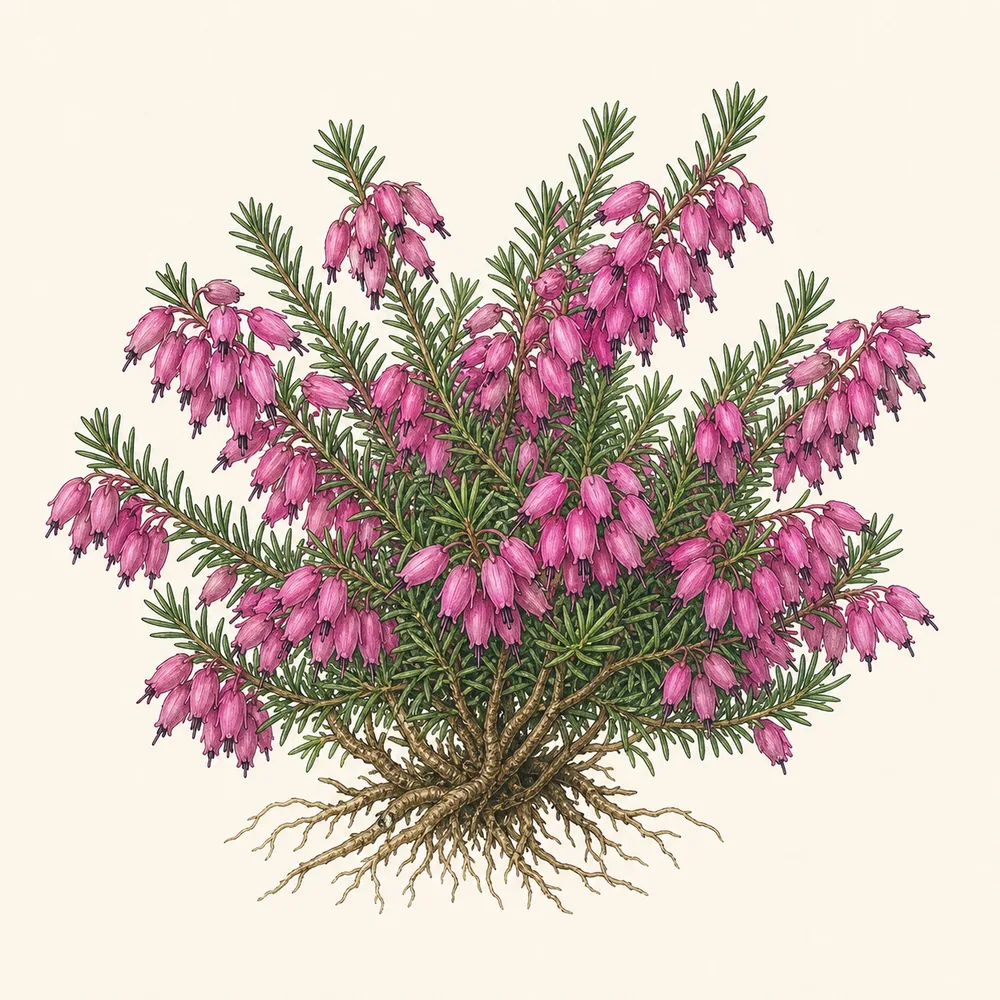
Winter Heath
Low, evergreen heath that flowers right through the depths of winter, carpeting the ground in pink, white and carmine spikes from December into spring when almost nothing else is out. It's the easy-going exception among heathers — happy on most soils, tolerant of a little lime, and one of the earliest sources of nectar for bees on mild days.
Not listed by ASPCA
The ASPCA doesn't list winter heath (Erica carnea), so we don't stamp it safe. It tolerates a little more lime than most heathers. With no database entry we flag the gap honestly rather than guess.
Care at a glance
Everything that matters, in six lines. The detail is further down.
Position
Give it an open, sunny spot for dense, compact growth and the fullest flowering. It tolerates a little shade but grows looser and flowers less.
Water
Keep new plants watered through their first year, ideally with rainwater. Once settled it copes well and only needs help in long dry spells.
Hardiness
An alpine native, tough and reliable through hard frost and cold, exposed sites — the flowers shrug off winter weather.
Soil
The lime-tolerant heather: unlike most, Erica carnea copes with slightly alkaline soil. It still prefers moist, free-draining, humus-rich ground and dislikes drying out or waterlogging.
Feeding
Thrives on poor ground and rarely needs feeding. If anything, a light ericaceous or general feed in spring; rich soil makes it soft and leggy.
Pruning
Shear lightly once the flowers fade in spring, cutting back into last year's growth but never into the bare old wood, which is slow to reshoot.
What to do, and when
Flowering carries on into early spring, then fades. Shear each plant over as soon as the flowers finish, usually March or April, to keep it tight. Plant new heaths and mulch.
A quiet green period between flowering seasons. Keep any new plants watered through dry spells; established plants need little attention now.
Flower buds are forming for the winter show. A good time to plant, water in with rainwater and mulch with bark or leaf mould to hold moisture.
The main event — spikes of pink, white and carmine open from December, colouring the garden through the coldest months and feeding early bees on mild days.
The heather that copes with lime
Most heathers are strict acid-soil plants, but Erica carnea is the exception. It tolerates a degree of lime that would kill Calluna, so on neutral or even slightly alkaline ground it's often the one heath you can grow successfully in the open border.
That said, 'tolerant' isn't 'indifferent'. It's still happiest in moist, free-draining, humus-rich soil, and on very chalky ground it does better in a raised bed or pot of ericaceous compost, watered with rainwater. If you've struggled with heathers before because of limy soil, this is the species to try first.
Flowers in the dead of winter
The great gift of winter heath is colour when nothing else is out. Depending on variety it blooms from December through to March or April, throwing dense spikes of pink, white, rose and deep carmine over low evergreen mounds.
Plant it where you'll actually see it in winter — beside a path, near the door, or under deciduous shrubs that let light through in the cold months. On mild days the flowers are one of the earliest nectar sources for bees, so a drift earns its place for wildlife as well as looks.
Shear after flowering to keep it neat
Winter heath needs one job a year: a light shear-over as soon as the flowers fade in spring. Trim off the spent flower spikes, cutting back into the previous season's growth, and each plant stays low, dense and covered in fresh foliage.
As with all heathers, don't cut into the bare old wood at the base — it's reluctant to reshoot and you'll be left with dead gaps. Trim little and often each year and a planting stays neat and healthy for many years before it needs replacing.
Common problems
Leggy, sparse, open plants
Too much shade, or never sheared. Grow in full sun and shear over each spring after flowering to keep growth low and dense.
Poor flowering
Usually too shady a spot, or shearing at the wrong time and removing the buds. Give it sun and cut only just after the flowers fade.
Bare gaps that won't regrow
The plant was cut back into old wood, which rarely reshoots. Trim only into last year's growth; replace very old, bare plants.
Wilting or dying patches
Often drought on young plants, or waterlogging on heavy soil. Keep new plants watered but make sure the ground drains freely — it dislikes wet feet.
Everything a winter heath bed needs
An open sunny spot, moisture-holding soil, and a shear-over after flowering.
We take no commission on anything in the "save your money" tier — if we don't think you should buy it, we don't link it. How our recommendations work
If you like this, try
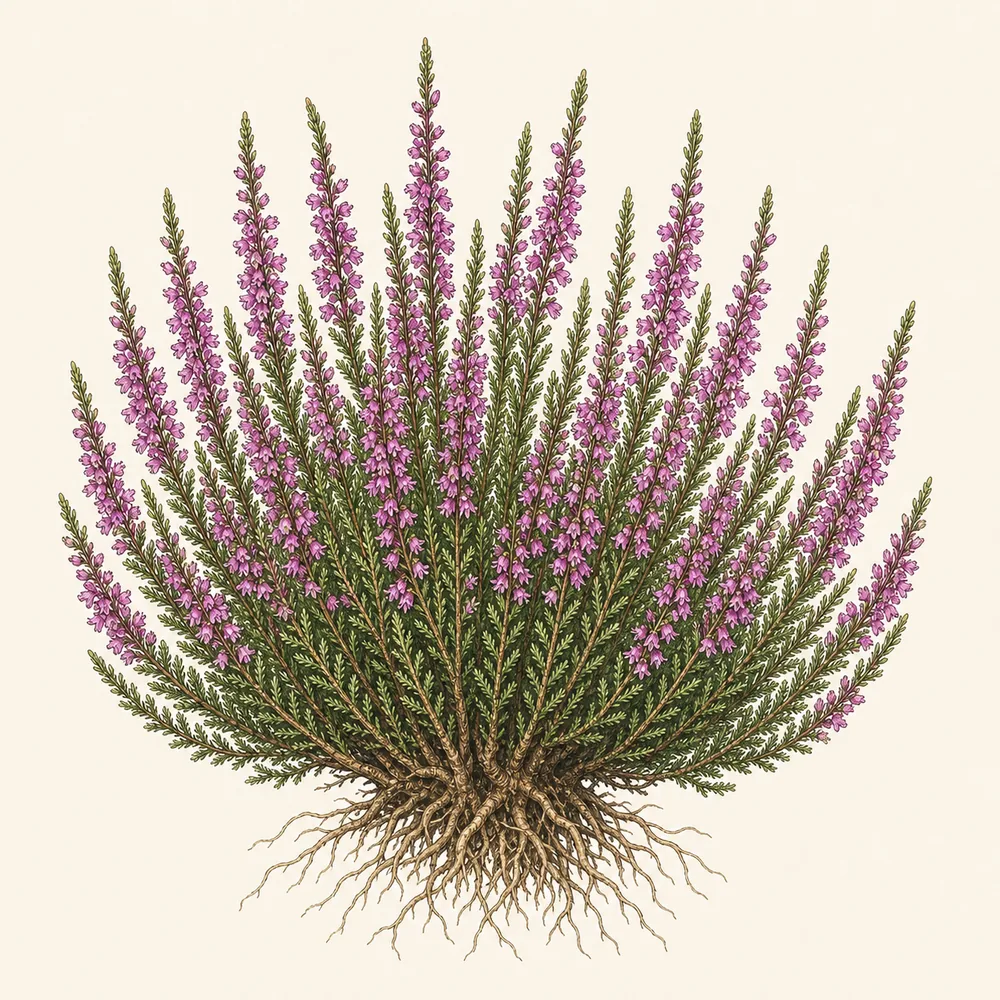
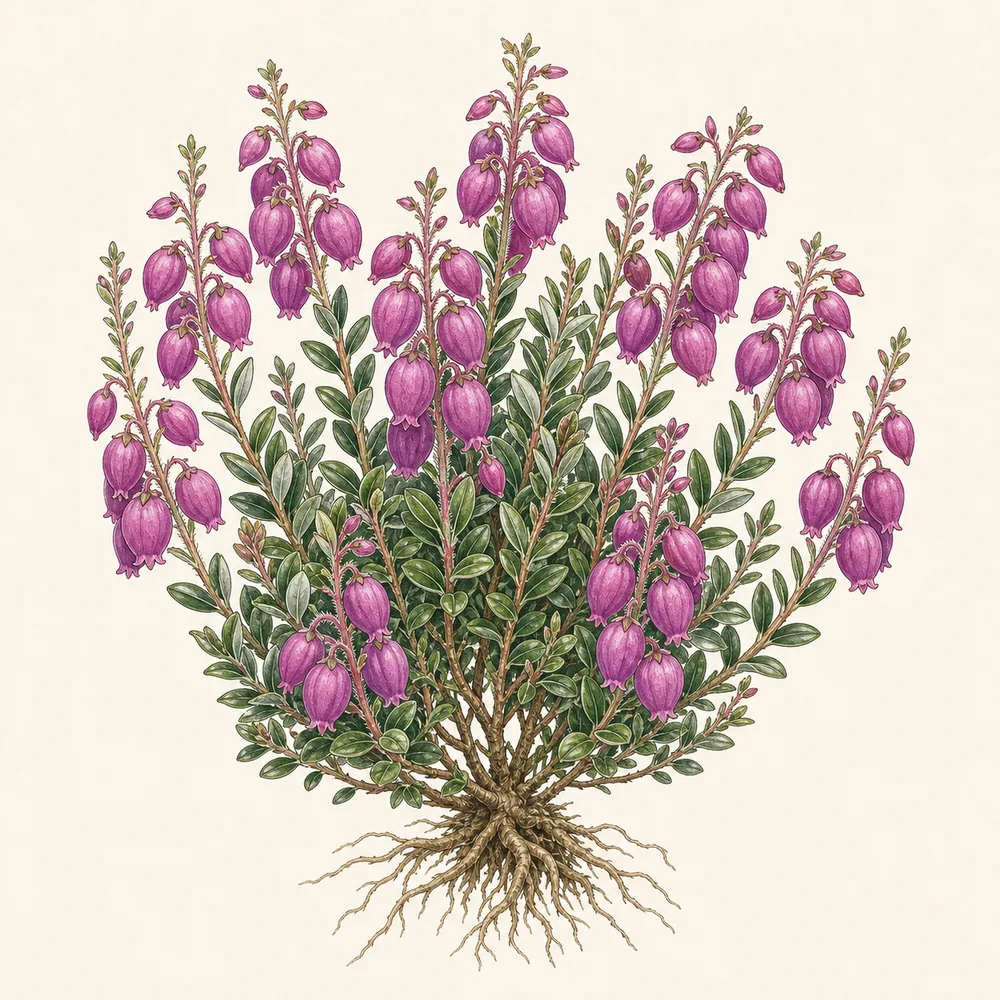
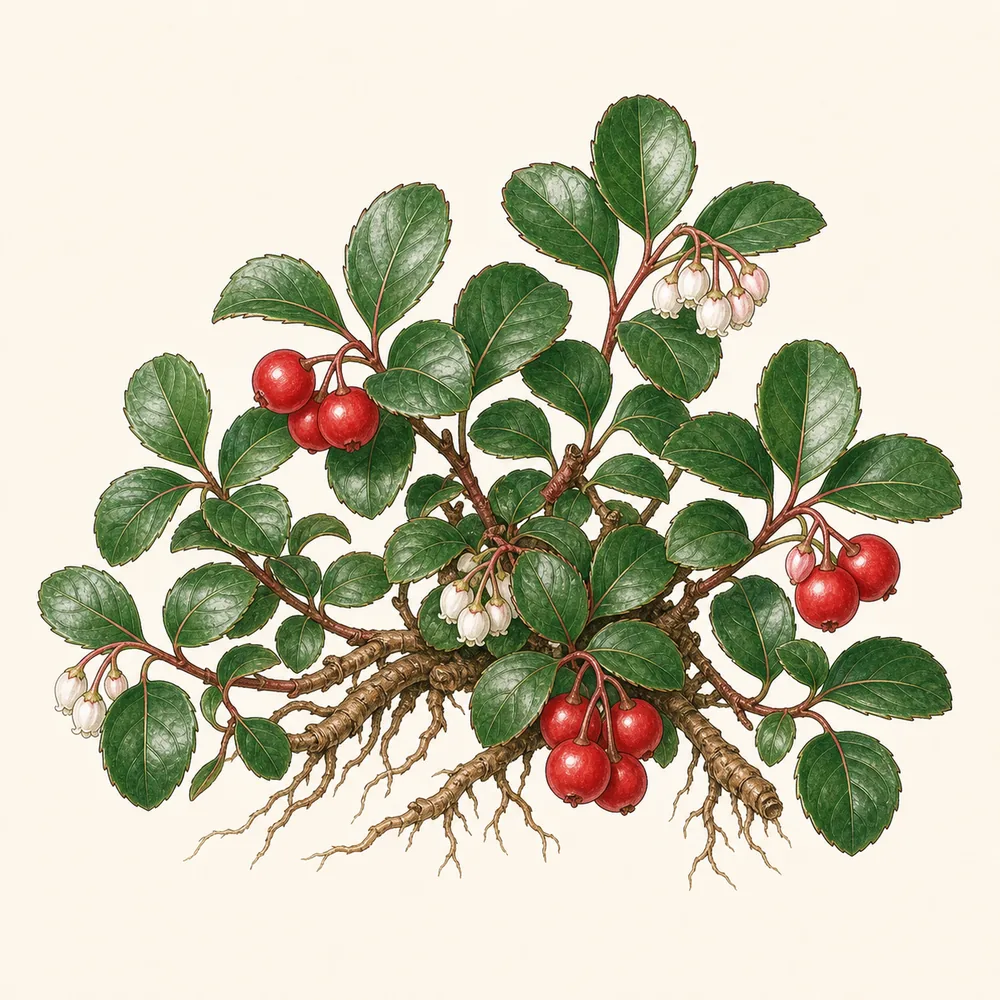
Other plants with a similar temperament.
How we checked this
Care cross-checked against the RHS. The ASPCA does not list winter heath (Erica carnea), so its pet-safety is unconfirmed and we have not stamped it safe. If our page and these sources ever disagree, believe them — and tell us.
Sources: RHS · ASPCA — toxic & non-toxic plants
Last reviewed · August 2026