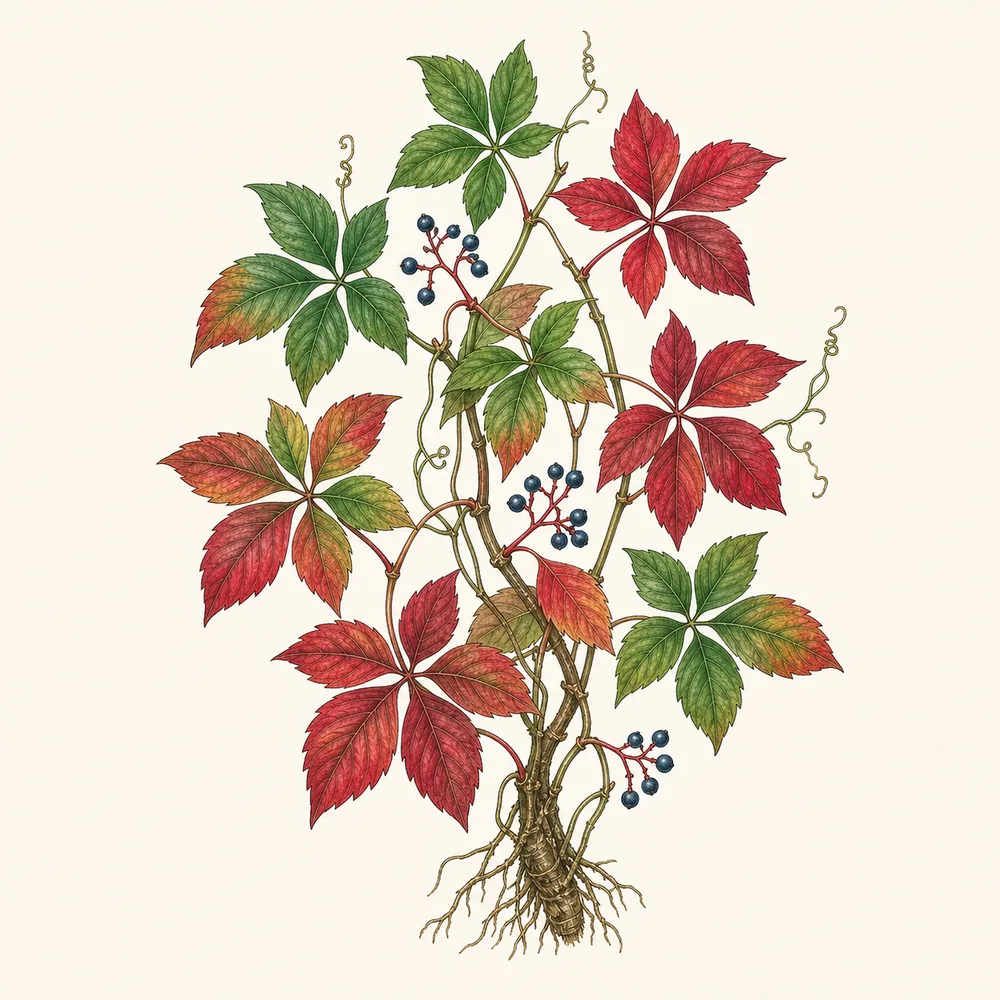
Virginia Creeper
The climber that turns a whole house wall to fire in October. Virginia creeper is about as easy as a plant gets — it clings to bare masonry by itself, grows in sun or shade, and asks for nothing but space. The skill isn't in growing it; it's in keeping its enthusiasm out of your gutters, windows and roof tiles.
Toxic if eaten (berries & sap)
Virginia creeper (Parthenocissus) is on the RHS list of potentially harmful plants. The berries and sap contain oxalate crystals that cause mouth irritation, drooling and stomach upset if eaten, plus skin irritation on handling. The blue-black berries are the main temptation for pets and children.
Care at a glance
Everything that matters, in six lines. The detail is further down.
Position
It grows happily on any aspect, including a cold north wall. The autumn colour is richest and reddest in a sunny position; in deep shade you still get cover, just a more muted turn.
Water
Water for the first summer or two while it roots in. After that it's genuinely tough and drought-tolerant — one of the least thirsty climbers you can plant.
Soil
Undemanding to the point of indifference — it thrives in most soils, wet or dry, rich or poor. Good drainage helps a young plant settle, but it's not fussy.
Support
It climbs by adhesive pads on the ends of its tendrils, sticking straight to brick, stone or render with no trellis needed. On timber or a soft surface, though, those pads can lift paint and get into joints.
Pruning
Cut it back through summer and autumn to keep it clear of windows, gutters and the roofline. It tolerates hard pruning in winter, so a badly overgrown plant can be cut right back with no lasting harm.
Hardiness
Completely hardy across the UK and unbothered by exposure, cold or poor conditions. Winter is never the worry with this plant — containing it is.
What to do, and when
Fresh green leaves unfurl and growth gets going fast. This is the moment to cut away any shoots heading towards gutters, window frames or under the eaves — much easier to stop now than in high summer.
Dense green cover and rapid, reaching growth. Keep clipping stray shoots off woodwork, windows and the roofline; a monthly patrol with the secateurs keeps it where you want it.
The payoff — leaves turn brilliant scarlet and crimson before dropping, one of the best autumn shows of any hardy climber. Small blue-black berries follow (poisonous to pets and children, so site it thoughtfully).
Bare stems and the pale clinging pads are all that's left. With the leaves gone it's the easiest time to pull growth off gutters, cut it hard back where needed, and see the shape of the plant.
Self-clinging: brilliant on masonry, trouble on timber
Virginia creeper doesn't twine or need wires. It climbs with branched tendrils tipped by tiny adhesive pads — sucker-like discs that glue themselves directly to a surface. On sound brick, stone or render this is a gift: it covers a large wall entirely on its own, no trellis, no ties, no maintenance to the support.
The flip side is that those same pads don't discriminate. On painted timber, render in poor condition, or soft mortar, they can lift flakes and work into cracks. Grow it on solid, sound masonry and it's an asset; grow it on tired paintwork and it'll leave its mark.
Where not to let it go
The one real job with Virginia creeper is keeping it out of the places it shouldn't be. Left unchecked it will push under roof tiles, block and fill gutters, grow over and jam window frames, and reach into any gap it finds. None of this is dramatic in a single season, but over a few years it causes genuine damage and expensive clearing.
The answer is routine, not heroics. Decide the boundaries — below the gutter line, clear of every window, off the roof — and trim any shoot that crosses them whenever you see it. A quick clip each month through the growing season keeps a potential problem as a well-behaved feature.
The autumn colour that earns its keep
For eleven months Virginia creeper is a pleasant green backdrop. Then, for a few weeks in autumn, it becomes the best thing in the garden — the whole sheet of foliage turning through orange to scarlet and deep crimson before it drops. Few hardy plants deliver colour on that scale.
You get the most intense colour in a sunny spot and on the years with a proper cold snap to trigger the turn. In shade the display is gentler but still worthwhile. Either way, it's the reason to plant it — and it asks almost nothing in return.
Wildlife value — and why those berries matter
The dense cover is valuable for nesting birds and shelters insects, and the blue-black berries that follow the inconspicuous flowers feed thrushes, blackbirds and other birds into winter. As a wildlife wall it earns real points.
Those berries are exactly why the safety note above matters. They contain oxalate crystals and are poisonous to pets and children, and the sap can irritate skin — so wear gloves when you cut it, and think carefully before planting it low and reachable where a dog or a toddler could get at the fruit.
Common problems
Growing into the gutters and under tiles
The default behaviour if you stop trimming. Cut it back below the gutter line and clear of the roof, and keep on top of stray shoots every month through summer — prevention is far easier than clearance.
Lifting paint or damaging render
The adhesive pads cling to soft or flaking surfaces and can pull them apart. Grow it only on sound masonry; if it's on painted or crumbling walls, keep it trimmed back or move it to a better surface.
Smothering nearby plants and structures
Its vigour lets it swamp shrubs, fences and small trees. Give it a big blank wall to itself, and cut back anything reaching sideways into other plants.
Berries within reach of pets and children
The blue-black berries and the sap are poisonous (see the safety note). Keep the lower growth cut back where pets and toddlers roam, wear gloves when handling it, and clear fallen berries.
Everything Virginia creeper needs
A big sound wall, a way to reach the top for trimming, and gloves — almost nothing else.
We take no commission on anything in the "save your money" tier — if we don't think you should buy it, we don't link it. How our recommendations work
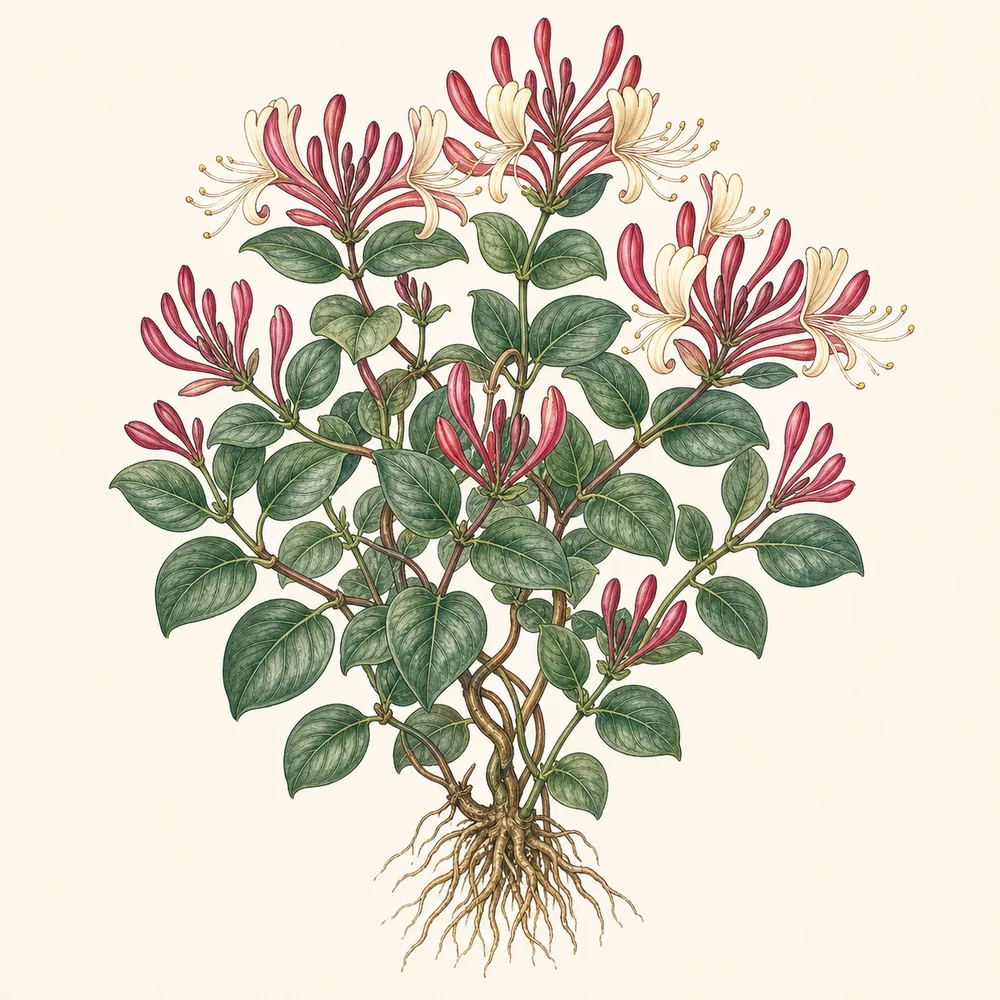
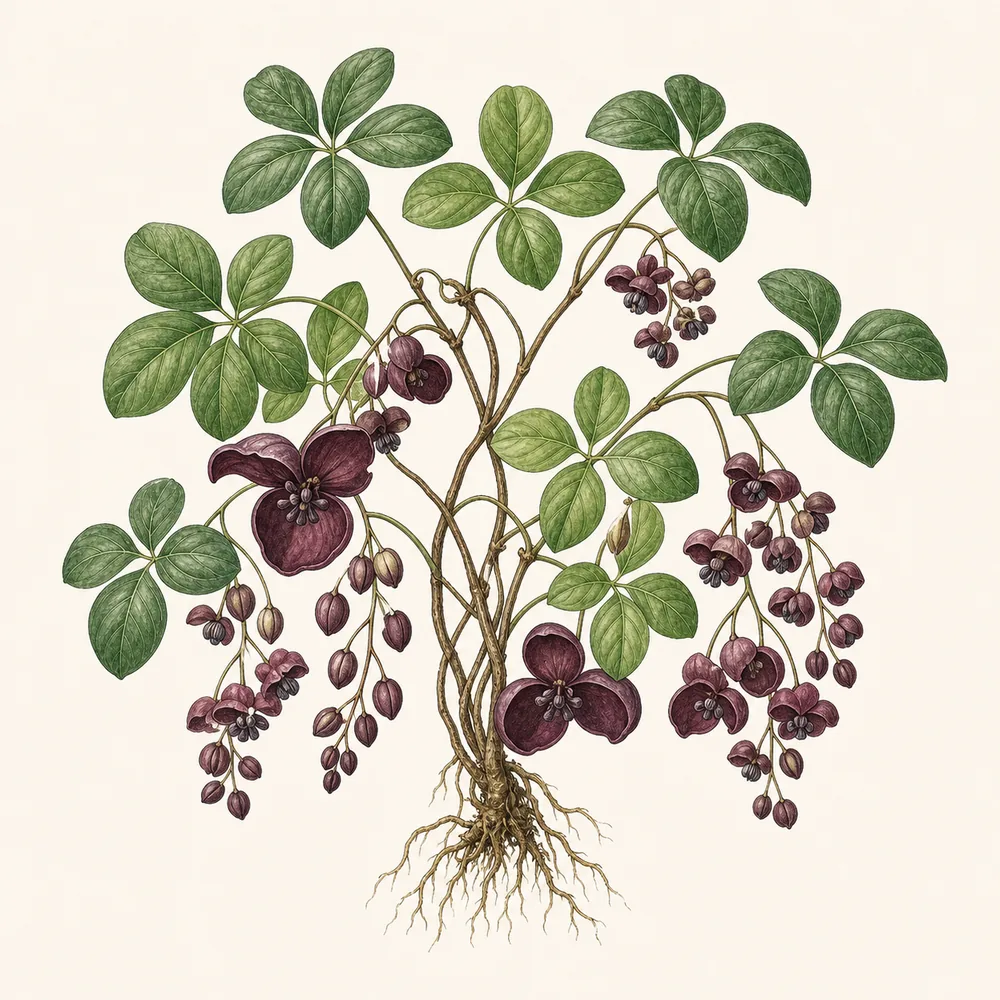
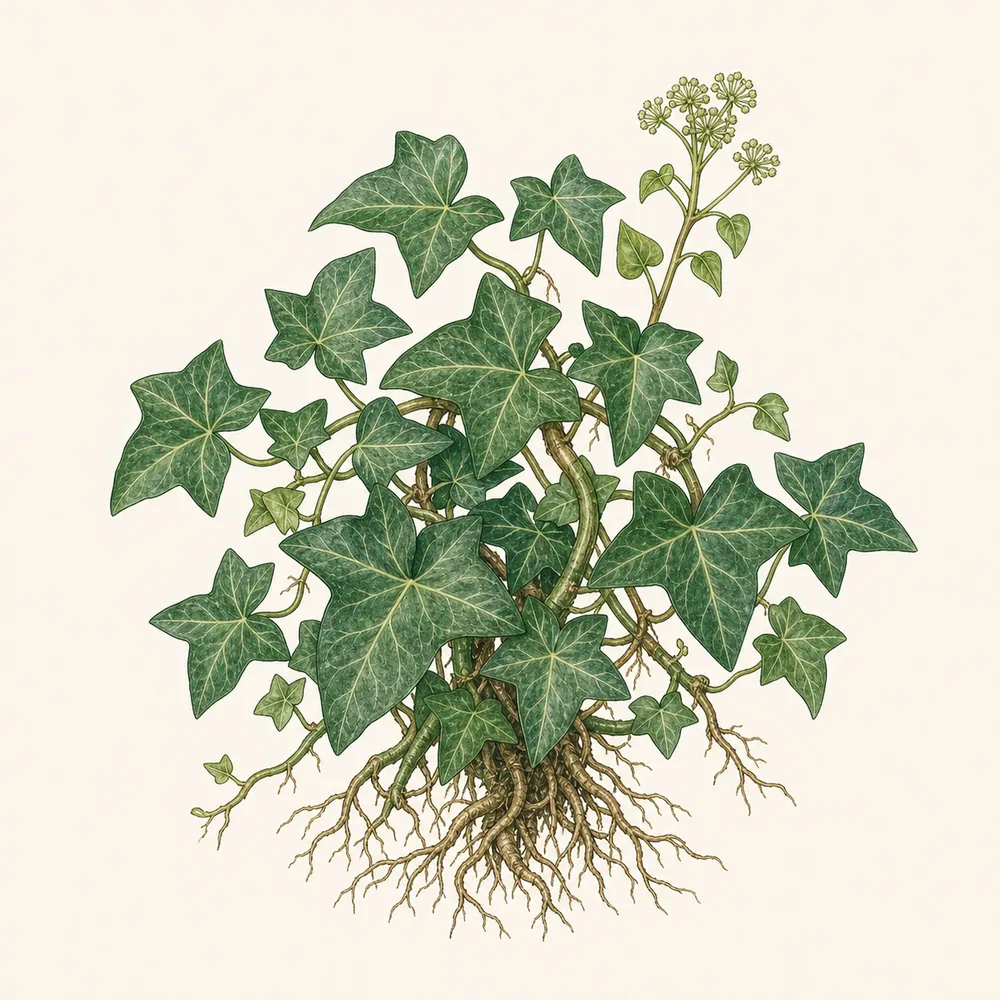
If you like this, try
Other plants with a similar temperament.
How we checked this
Care cross-checked against the RHS, which lists Virginia creeper (Parthenocissus) as a potentially harmful plant — oxalates in berries and sap. If our page and these sources ever disagree, believe them — and tell us.
Sources: RHS · ASPCA — toxic & non-toxic plants
Last reviewed · August 2026