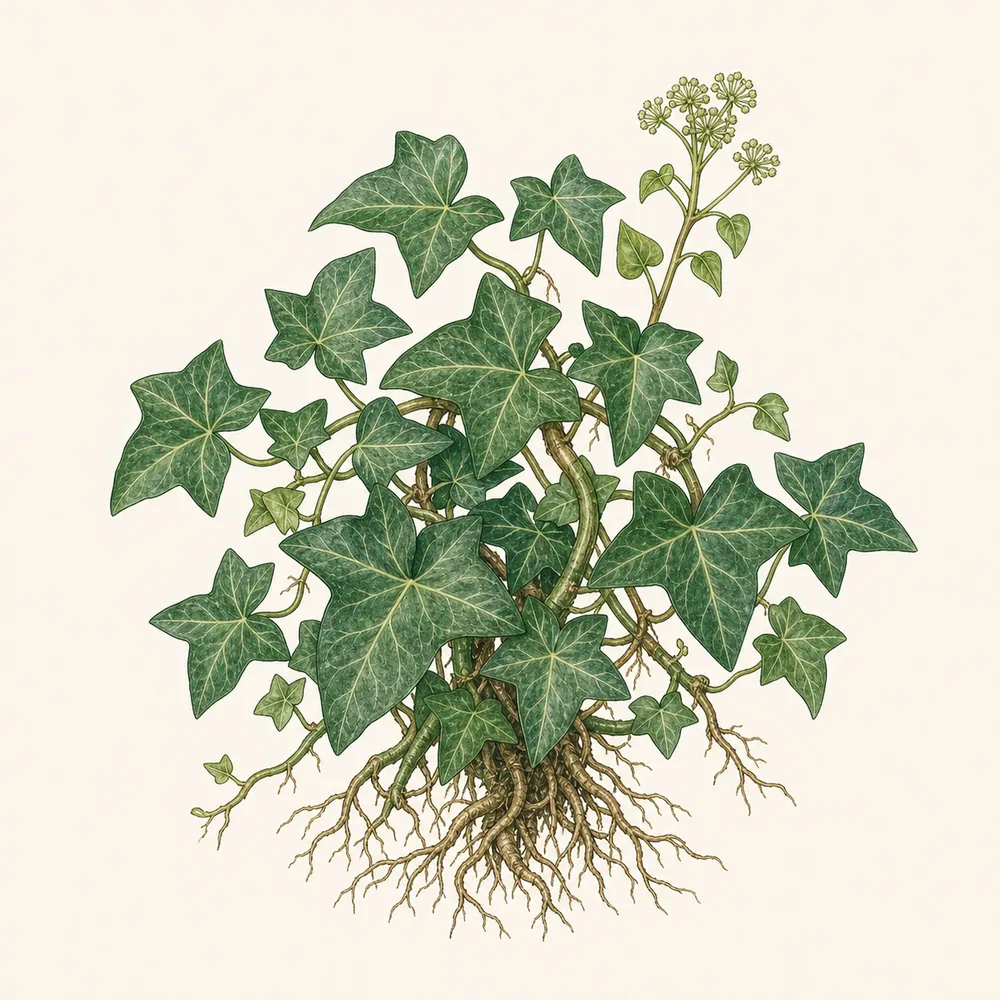
Ivy
The great problem-solver of the shady garden — a tough, self-clinging evergreen that clothes bare walls and dry banks where little else will grow. Almost impossible to kill, and a genuine lifeline for late-season wildlife.
Toxic to cats, dogs & people if eaten
English ivy (Hedera helix) is listed as toxic to cats and dogs on the ASPCA database. It contains saponins (more in the leaves than the berries); eating it causes drooling, vomiting and diarrhoea, and the sap commonly irritates skin. Wear gloves when cutting it back.
Care at a glance
Everything that matters, in six lines. The detail is further down.
Position
Thrives in shade — even deep, dry shade — and tolerates sun. Variegated forms hold their colour best with some light.
Water
Keep young plants watered through their first summer. Once rooted, ivy is exceptionally drought-tolerant.
Hardiness
A tough native evergreen that shrugs off cold, wind and general neglect.
Soil
Grows on nearly anything, from poor dry ground to heavy clay. Just avoid the very wettest spots.
Feeding
Vigorous enough without feeding; an occasional mulch on poor soil is ample.
Pruning
Clip to keep it in bounds whenever needed. Wear gloves — the sap can irritate skin.
What to do, and when
Trim back winter overgrowth and pull away any stems creeping where you don't want them.
Fast-growing now — keep it clipped off gutters, windows and neighbouring plants.
Mature ivy flowers now, a vital late nectar source for bees, wasps and hoverflies.
Evergreen cover and shelter for wildlife; black berries follow the flowers and feed the birds.
Does it harm walls or trees?
Ivy climbs by self-clinging aerial roots, not by burrowing in, so on sound, well-pointed masonry it generally does no structural harm and can even buffer a wall from weather. On crumbling mortar or rendering that's already failing, though, the roots exploit the gaps and make things worse — so fix the wall first.
On trees ivy is rarely the killer people fear: it's not a parasite and takes nothing from the trunk. It only becomes a problem when growth gets so heavy it competes for light or adds enough weight and sail to endanger an already weak tree — in which case, cut through the stems at the base.
Brilliant for wildlife
Few garden plants do more for wildlife. Mature ivy flowers in autumn, when almost nothing else is out, giving late nectar to bees, wasps and hoverflies, and its black winter berries feed thrushes and blackbirds through the lean months.
The dense evergreen cover also offers nesting sites and shelter for birds and hibernating insects. Where you have room to let a patch mature and flower, it earns its keep many times over.
Common problems
Variegated leaves turning plain green
Too little light. Move it somewhere brighter or cut out the reverted all-green shoots.
Brown, dry patches or leaf loss
Often dry roots on a young plant, or ivy leaf spot. Established plants usually shrug it off.
Taking over everything
It's vigorous by nature. Cut it back hard whenever needed — it regrows readily from the base.
Itchy rash after handling
The sap irritates many people's skin. Wear gloves and long sleeves when cutting it back.
Everything ivy needs
Shade it'll happily take, a spot to clothe, and gloves for cutting back.
We take no commission on anything in the "save your money" tier — if we don't think you should buy it, we don't link it. How our recommendations work
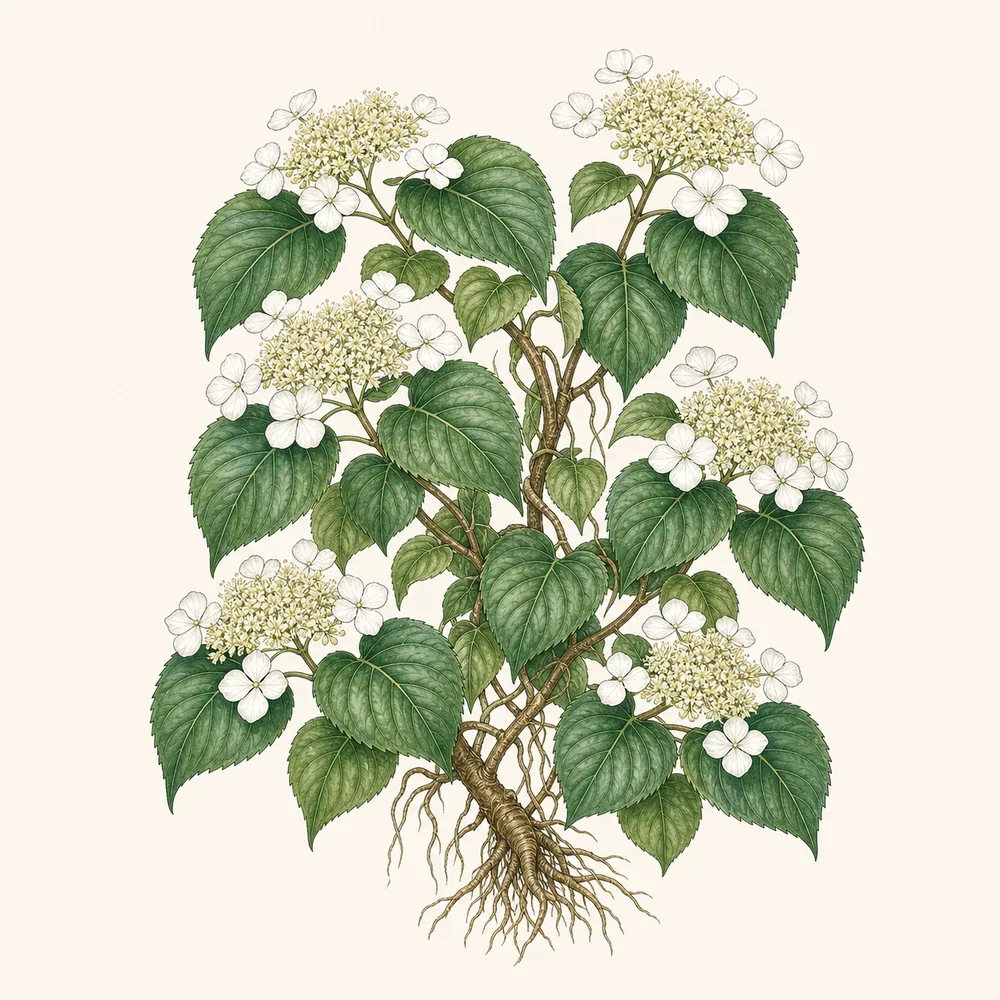
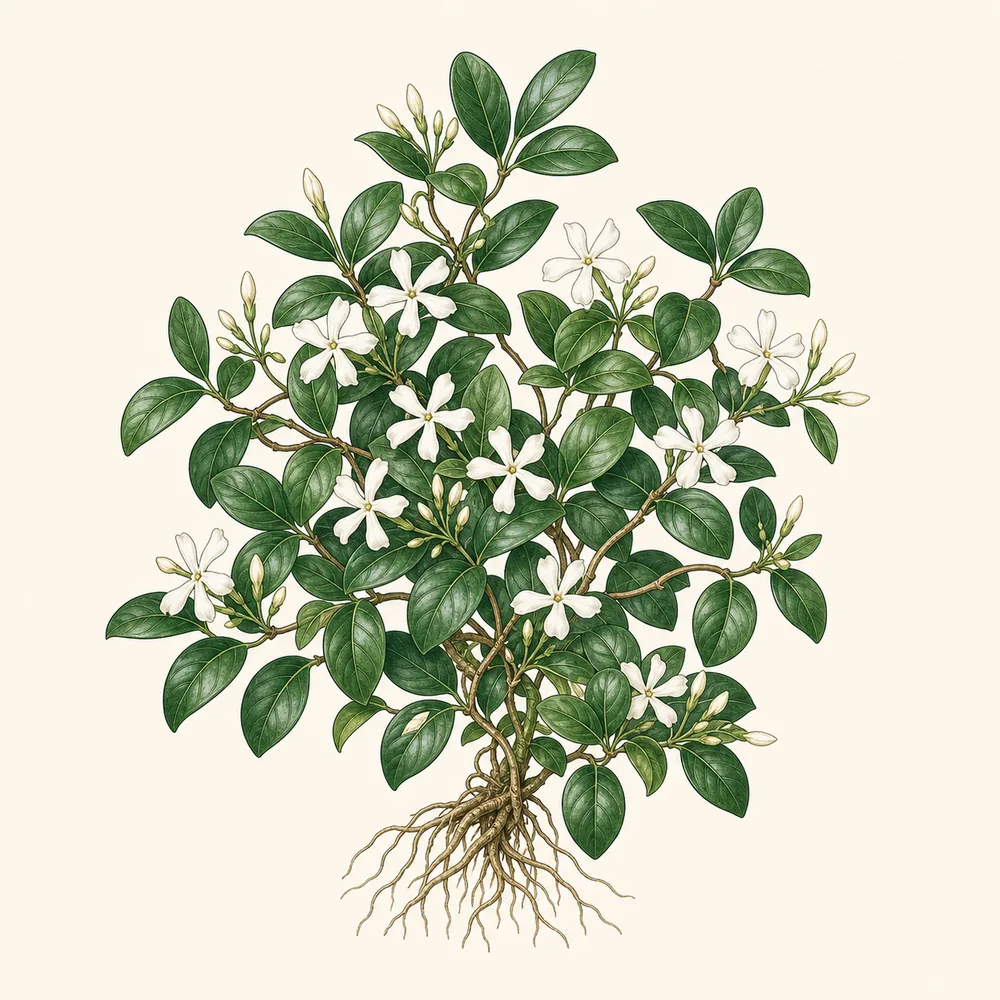
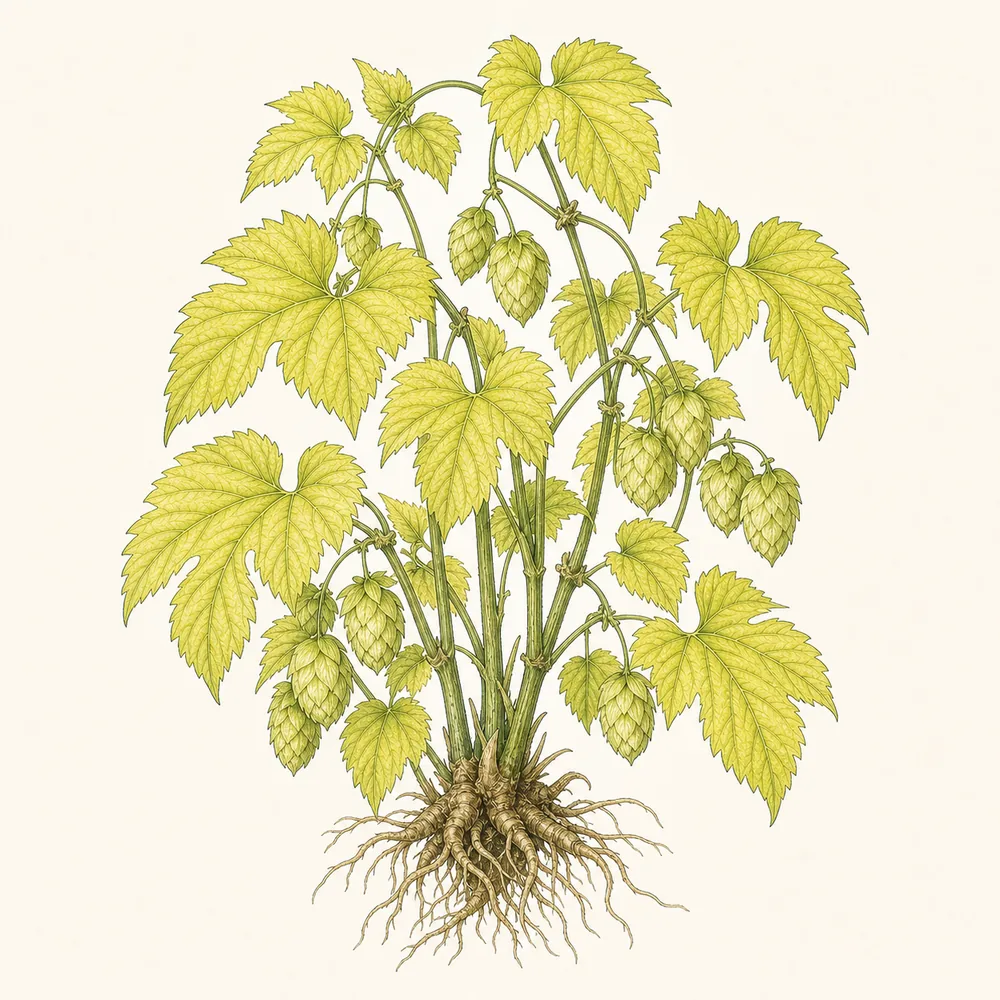
If you like this, try
Other plants with a similar temperament.
How we checked this
Care cross-checked against the RHS. Toxicity confirmed against the ASPCA database, which lists Hedera helix (English ivy) as toxic to cats and dogs — saponins causing drooling, vomiting and diarrhoea, with sap that irritates skin. If our page and these sources ever disagree, believe them — and tell us.
Sources: RHS · ASPCA — toxic & non-toxic plants
Last reviewed · July 2026