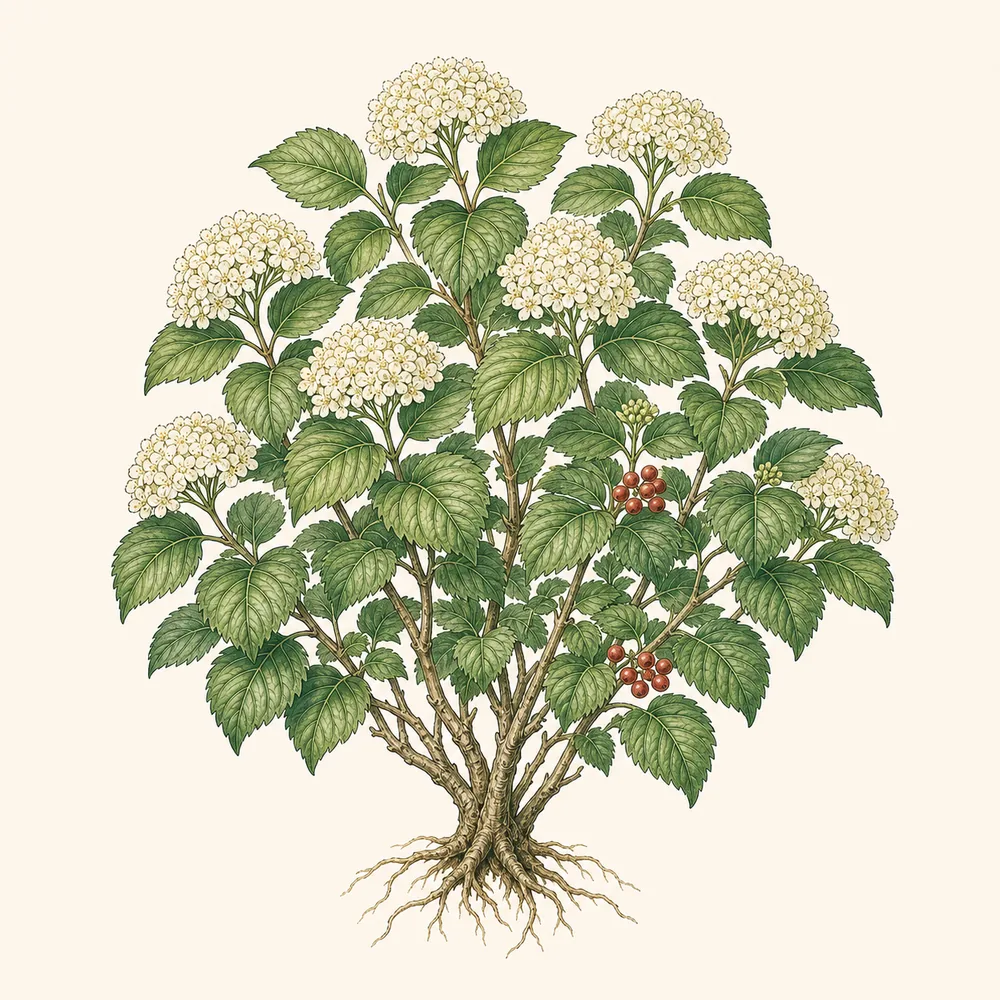
Viburnum
One of the most useful shrub groups in the garden — a huge, varied family that between them cover the whole year. Some are evergreen, some deciduous; some flower in the depths of winter with a knockout scent, others in spring, and many follow up with berries and fiery autumn colour. Nearly all are tough, adaptable and easy to please.
Not listed by ASPCA
The ASPCA doesn't list viburnum, so we don't stamp it safe. With no database entry we flag the gap honestly rather than guess.
Care at a glance
Everything that matters, in six lines. The detail is further down.
Position
Most viburnums are happy in full sun or part shade. Flowering and autumn colour are usually best with more light; evergreens like V. tinus cope with shadier spots.
Water
Keep young plants watered through their first couple of summers. Once settled, most are fairly drought-tolerant, though none want to sit permanently wet.
Hardiness
The great majority are fully hardy across the UK. Winter-flowering types like V. x bodnantense shrug off frost, simply pausing and reopening in milder spells.
Soil
Unfussy — they grow on most reasonable, moist but well-drained soils, including some clay and chalk. Improve poor ground with compost before planting.
Feeding
An annual mulch of compost round the base is usually plenty. A general feed in spring gives young or hard-worked plants a lift.
Pruning
Timing depends on the plant: prune spring-flowering and winter-flowering types just after they finish flowering. Evergreens need only light shaping in late spring.
What to do, and when
The big season for many — flat lacecaps or scented snowball heads open on V. opulus, V. plicatum, V. carlesii and the evergreen V. tinus. Prune spring-flowering types once the blooms fade, and plant new shrubs.
Foliage fills out and berries begin to set on the flowered shrubs. Keep young plants watered through dry spells, mulch to hold moisture, and lightly shape evergreens after flowering.
A generous month — many deciduous viburnums colour up richly and carry glossy red or black berries for the birds. A fine planting window while the soil is still warm and moist.
The scented winter-flowerers shine: V. x bodnantense 'Dawn' and V. tinus carry clusters of pink or white bloom on cold days. Cut a few sprigs for the house to enjoy the fragrance indoors.
One name, many very different shrubs
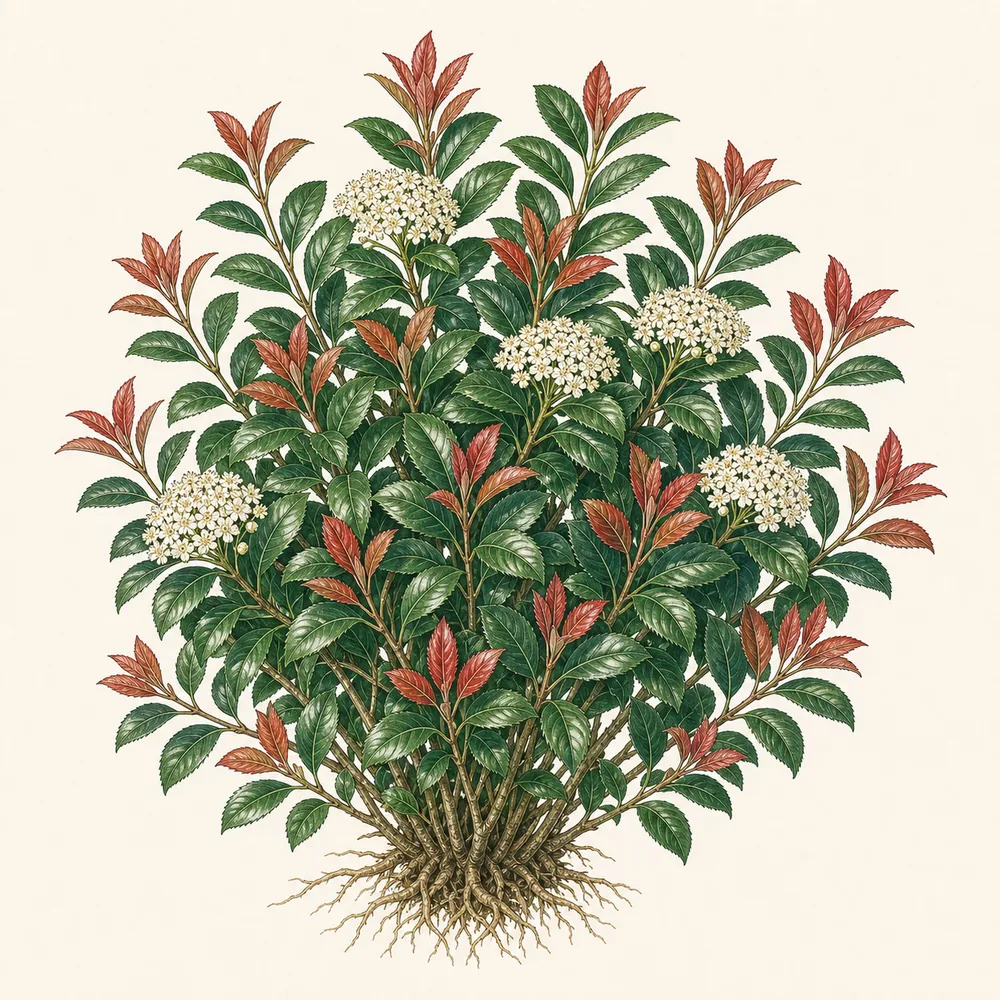
Viburnum isn't one plant but a large and varied group, and knowing which type you have matters. Some are evergreen, like the reliable Viburnum tinus that flowers through winter; others are deciduous, dropping their leaves after a blaze of autumn colour.
The flowering season swings right across the calendar too. V. x bodnantense 'Dawn' perfumes the garden in the depths of winter; V. carlesii and the snowball V. opulus 'Roseum' flower in spring; and the tiered V. plicatum lines its horizontal branches with white in early summer. Pick for the season you most want to fill.
Winter scent from the toughest ones
For sheer value, few shrubs beat the winter-flowering viburnums. V. x bodnantense 'Dawn' and V. farreri carry clusters of pink-flushed flowers on bare stems from late autumn right through winter, with a sweet, carrying fragrance that's astonishing on a cold day.
They're completely unfussy — any decent soil, sun or part shade — and the flowers are frost-hardy, simply pausing in a hard spell and reopening when it mildens. Plant one near a path or door where you'll catch the scent, and cut a few sprigs to bring indoors.
Prune to the type, not the calendar
Because the group flowers at such different times, there's no single pruning rule. The key is to prune just after flowering, so you don't cut off the coming display: trim spring-flowerers in late spring, and winter-flowerers as they finish in early spring.
Most viburnums need only light pruning to keep a good shape and remove dead or crossing wood — evergreens like V. tinus take clipping well and can even be used as informal hedging. Overgrown deciduous shrubs can be rejuvenated by taking out a few of the oldest stems at the base over a couple of years.
Common problems
Leaves stripped or skeletonised in spring
Viburnum beetle — greyish-yellow larvae then adult beetles eating the foliage, worst on V. opulus and V. tinus. Pick off larvae in spring, encourage birds, and prune out egg-laid shoot tips in autumn.
Sticky leaves and black sooty coating
Aphids or whitefly feeding on soft growth, with sooty mould growing on their honeydew. Blast off with water, encourage ladybirds, and avoid heavy nitrogen feeding that pushes lush shoots.
Few flowers
Usually pruning at the wrong time and cutting off the buds, or too much shade. Prune each type straight after it flowers, and give flower-shy plants a sunnier spot.
Poor berries
Some viburnums crop better with a second, different plant nearby for cross-pollination, and a late frost can spoil the flowers. Grow more than one form and shelter from hard frost.
Everything a viburnum needs
The right type for the season you want, decent soil, and pruning timed to flowering.
We take no commission on anything in the "save your money" tier — if we don't think you should buy it, we don't link it. How our recommendations work
If you like this, try
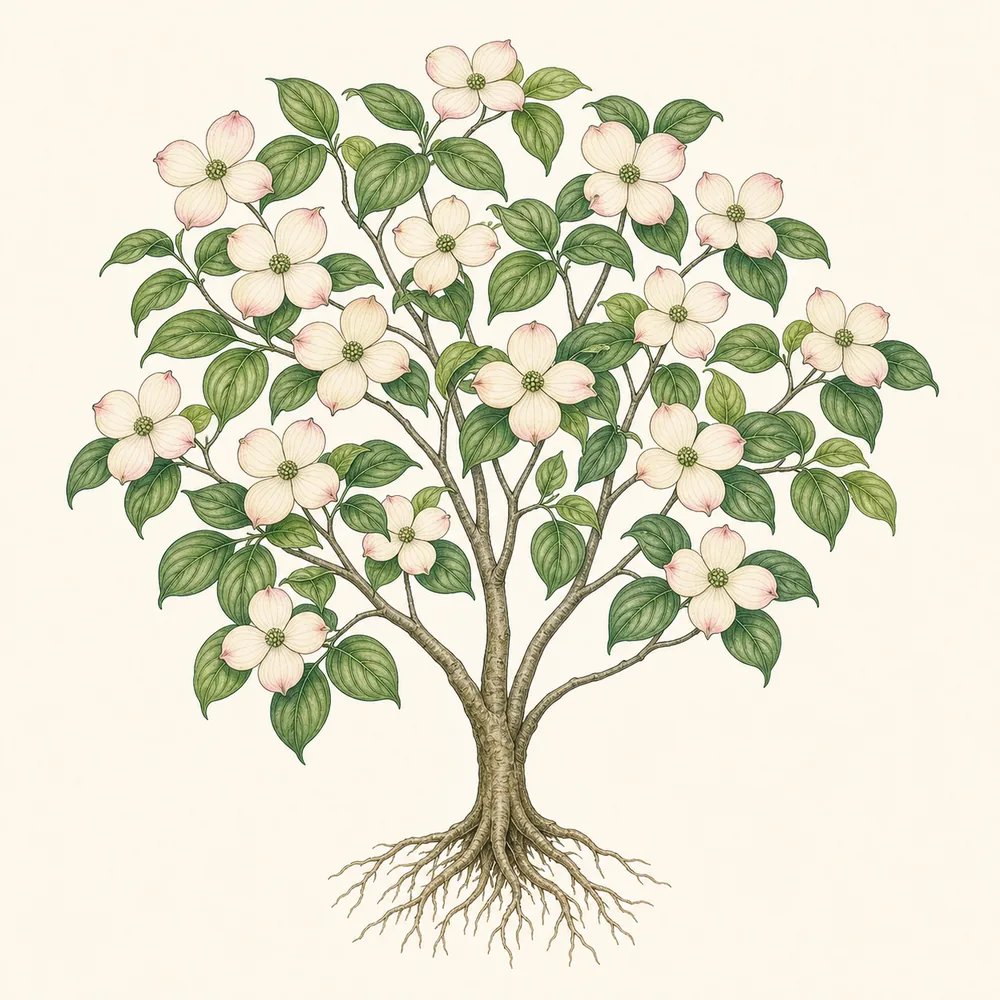
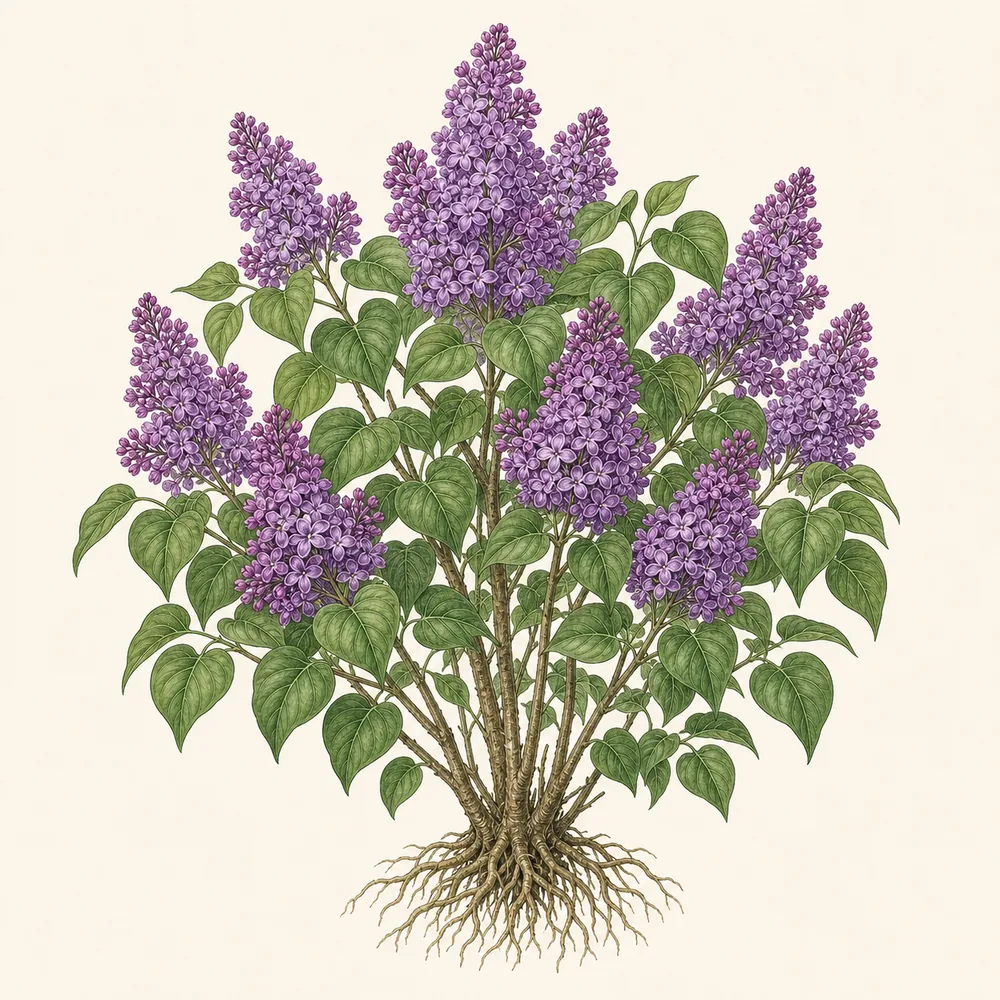
Other plants with a similar temperament.
How we checked this
Care cross-checked against the RHS. The ASPCA does not list viburnum, so its pet-safety is unconfirmed and we have not stamped it safe. If our page and these sources ever disagree, believe them — and tell us.
Sources: RHS · ASPCA — toxic & non-toxic plants
Last reviewed · August 2026