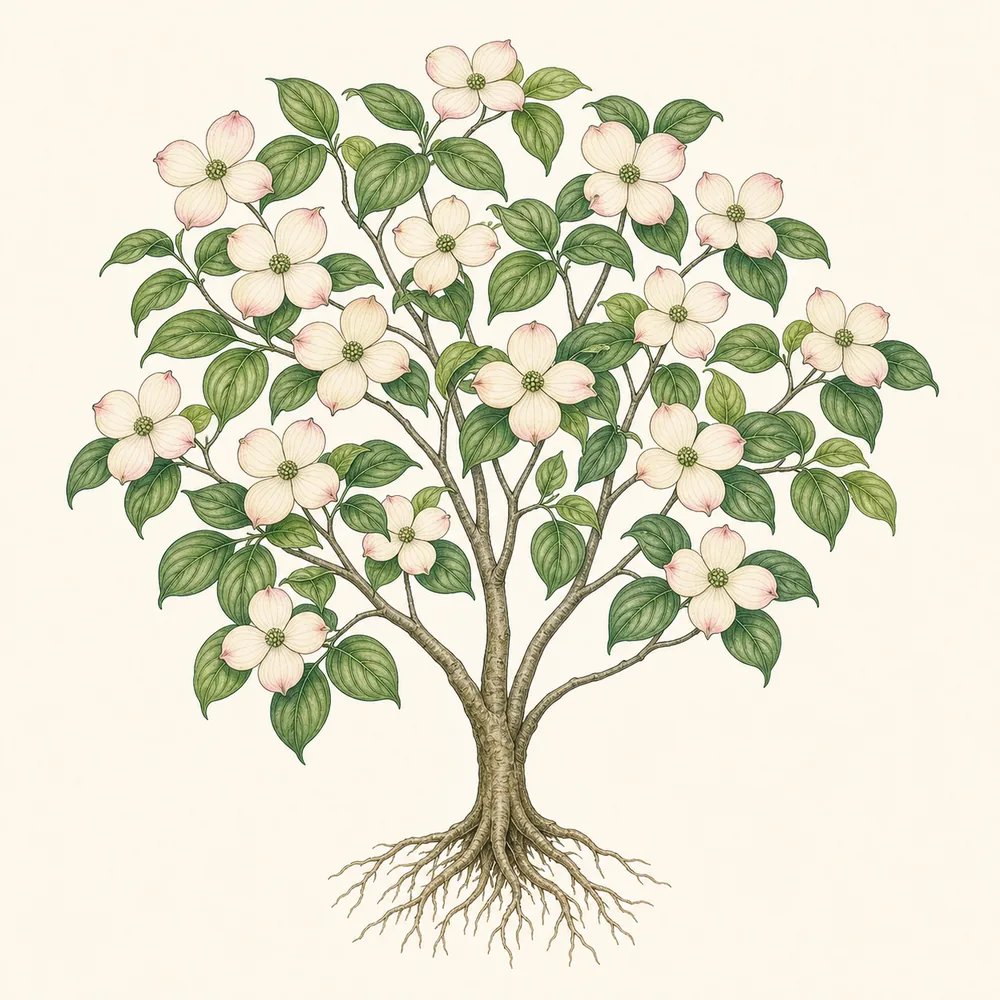
Dogwood
The shrubby dogwoods earn their keep in winter, when bare stems blaze fiery red, orange or acid green against a grey garden. Tough, easy and unfussy — the one trick is a hard prune each spring to keep those stems bright.
Not listed by ASPCA
The ASPCA doesn't list dogwood (Cornus), so we don't stamp it safe. With no database entry we flag the gap honestly rather than guess.
Care at a glance
Everything that matters, in six lines. The detail is further down.
Position
The stem colour is richest in full sun. Plant where low winter light will catch and set the stems glowing.
Water
Dogwoods enjoy damp ground and tolerate the edge of a pond or a boggy corner. Water new plants well in dry spells.
Hardiness
Completely hardy and unfazed by hard UK winters — the cold season is exactly when it earns its place.
Soil
Grows on almost any soil and copes with heavy, wet ground that defeats many shrubs. Only bone-dry sand disappoints.
Feeding
A spring mulch and general feed after cutting back helps it push the strong new growth that colours best.
Pruning
The brightest stems are young ones. Cut back hard in March, before growth starts, to force vivid fresh shoots.
What to do, and when
Hard-prune in March before the leaves emerge, cutting stems low to force bright new growth. Feed and mulch afterwards.
Leafy and quiet — clothed in green (or variegated) foliage. Keep new plants watered through any dry spell.
Leaves colour and fall, and the stems begin to reveal their winter fire. A fine time to plant new dogwoods.
The whole point of the plant — bare stems glow red, orange or green, best of all with low sun or frost behind them.
Cut it back hard for the best colour
The winter stem colour is strongest on young growth. Left unpruned, a dogwood slowly builds older, duller, greyer wood and the display fades. The fix is deliberately brutal: cut it back hard.
In early spring, around March, before the buds break, prune all the stems down to a low framework — 15 to 30 cm from the ground. It looks drastic, but the shrub responds with a thicket of vivid new shoots for next winter.
Which one for which colour
Pick the variety for the winter shade you want. 'Sibirica' gives glowing coral-red, 'Midwinter Fire' shades from yellow through orange to red up each stem, and Cornus sericea 'Flaviramea' is a fresh acid-green.
They look best planted in a group, or in front of a dark hedge or evergreens that throw the colour into relief. A spot where low winter sun shines through the stems turns a good display into a spectacular one.
Tough, damp-tolerant and easy
Shrubby dogwoods are about as forgiving as garden plants come. They shrug off cold, wind and neglect, and they positively enjoy the heavy, damp ground that sulks under many other shrubs — including the margins of a pond.
That toughness makes them a good choice for a difficult wet corner or a low-maintenance border. Beyond the annual spring prune and a mulch, there's genuinely very little to do.
Common problems
Dull, greyish winter stems
The wood has aged past its best. Hard-prune in early spring — the bright colour only comes on vigorous young growth.
Weak, sparse new growth
Often shade or poor soil. Move to full sun, and feed and mulch after the spring prune to power strong fresh shoots.
Powdery white coating on leaves
Powdery mildew, worse in dry summers. Keep the roots moist, improve airflow, and remove badly affected leaves.
Brown blotches or spots on leaves
Leaf spot fungi, mostly cosmetic in a damp season. Clear fallen leaves and it rarely troubles a healthy shrub.
Everything a dogwood needs
A sunny, ideally damp spot, and a sharp pair of loppers for the March cut-back.
We take no commission on anything in the "save your money" tier — if we don't think you should buy it, we don't link it. How our recommendations work
If you like this, try
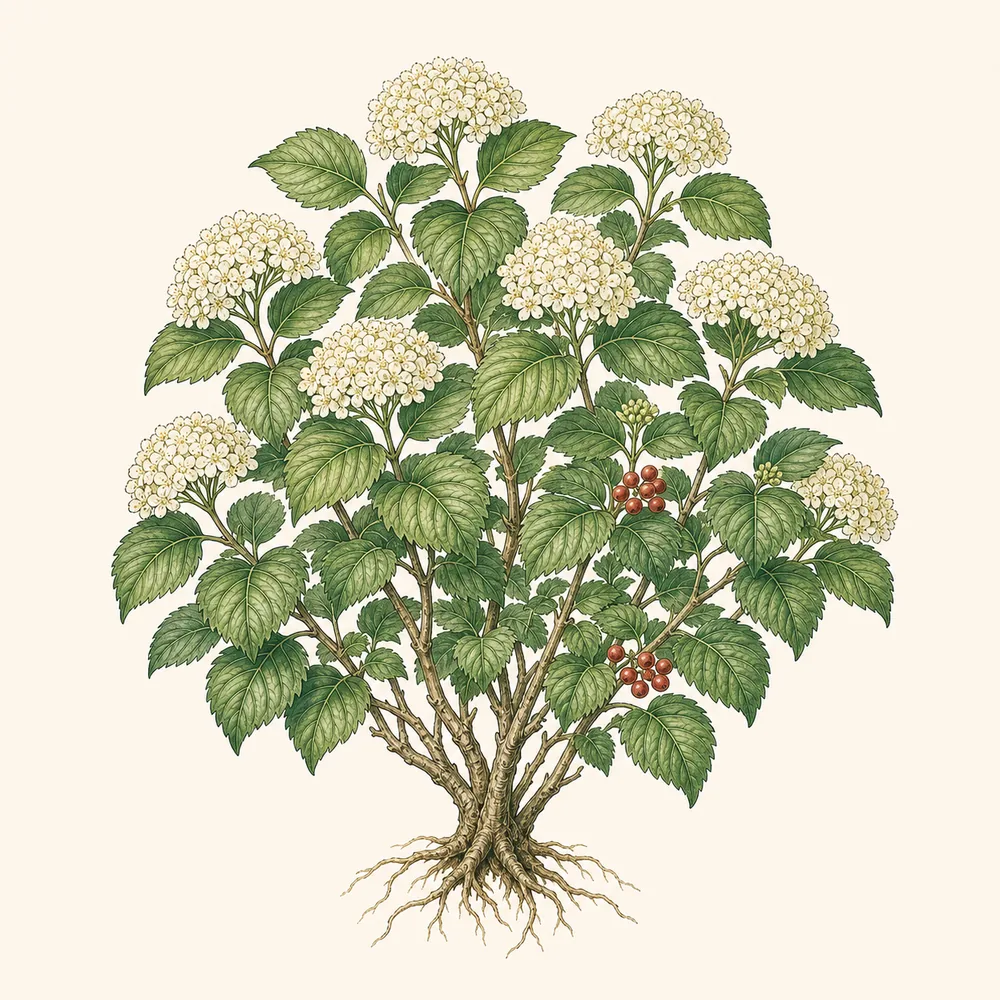
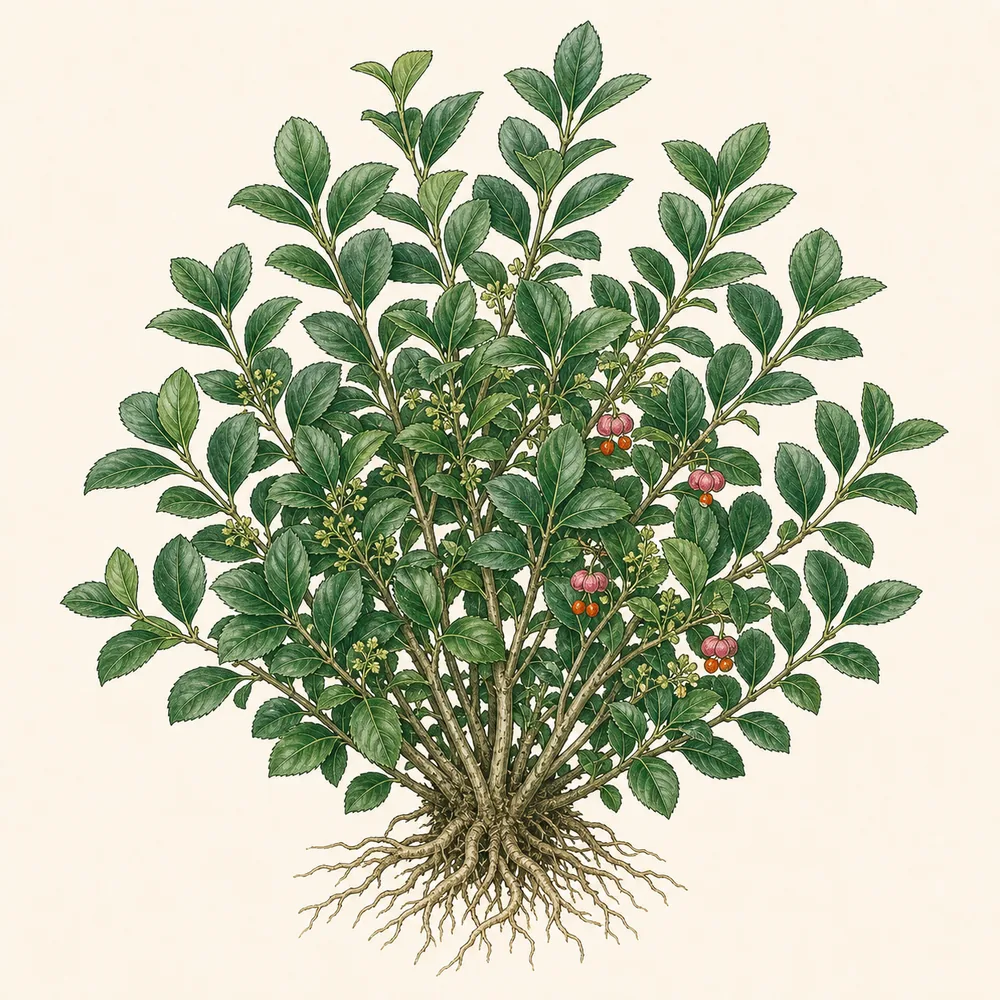
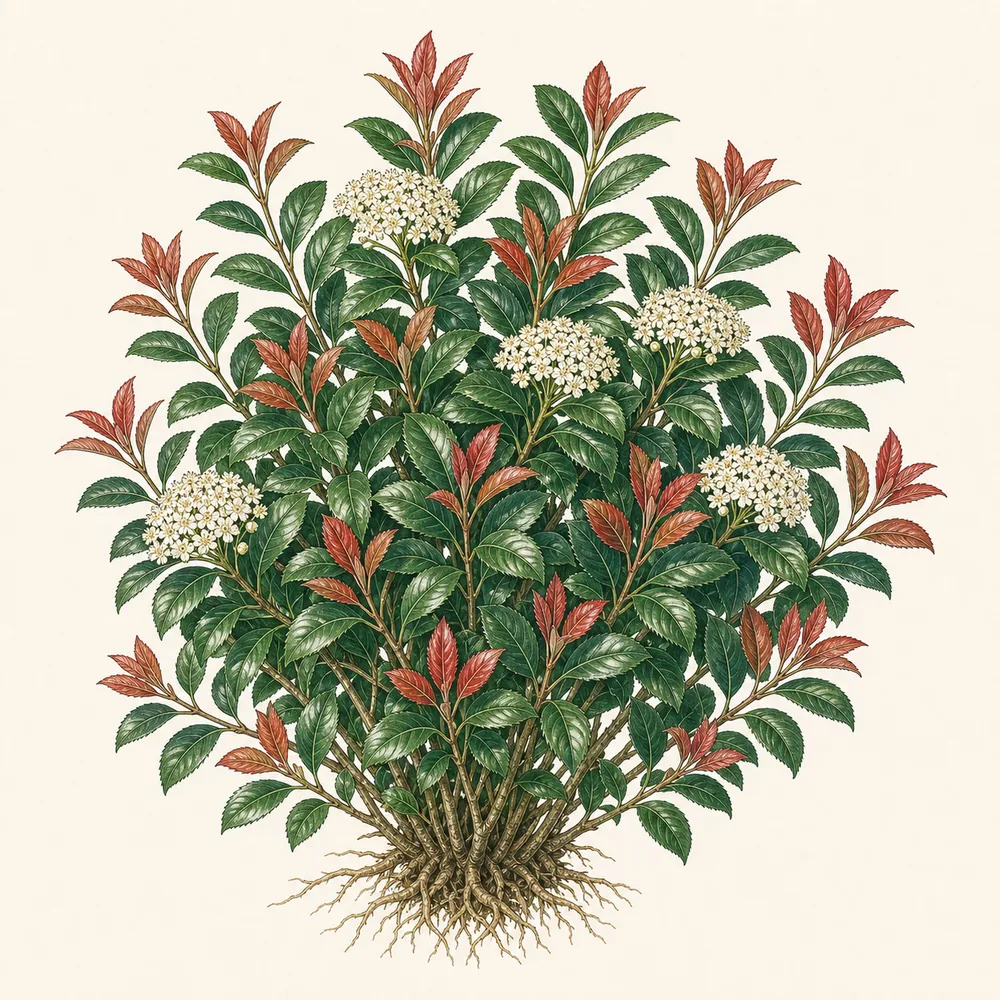
Other plants with a similar temperament.
How we checked this
Care cross-checked against the RHS. The ASPCA does not list dogwood (Cornus), so its pet-safety is unconfirmed and we have not stamped it safe. If our page and these sources ever disagree, believe them — and tell us.
Sources: RHS · ASPCA — toxic & non-toxic plants
Last reviewed · August 2026