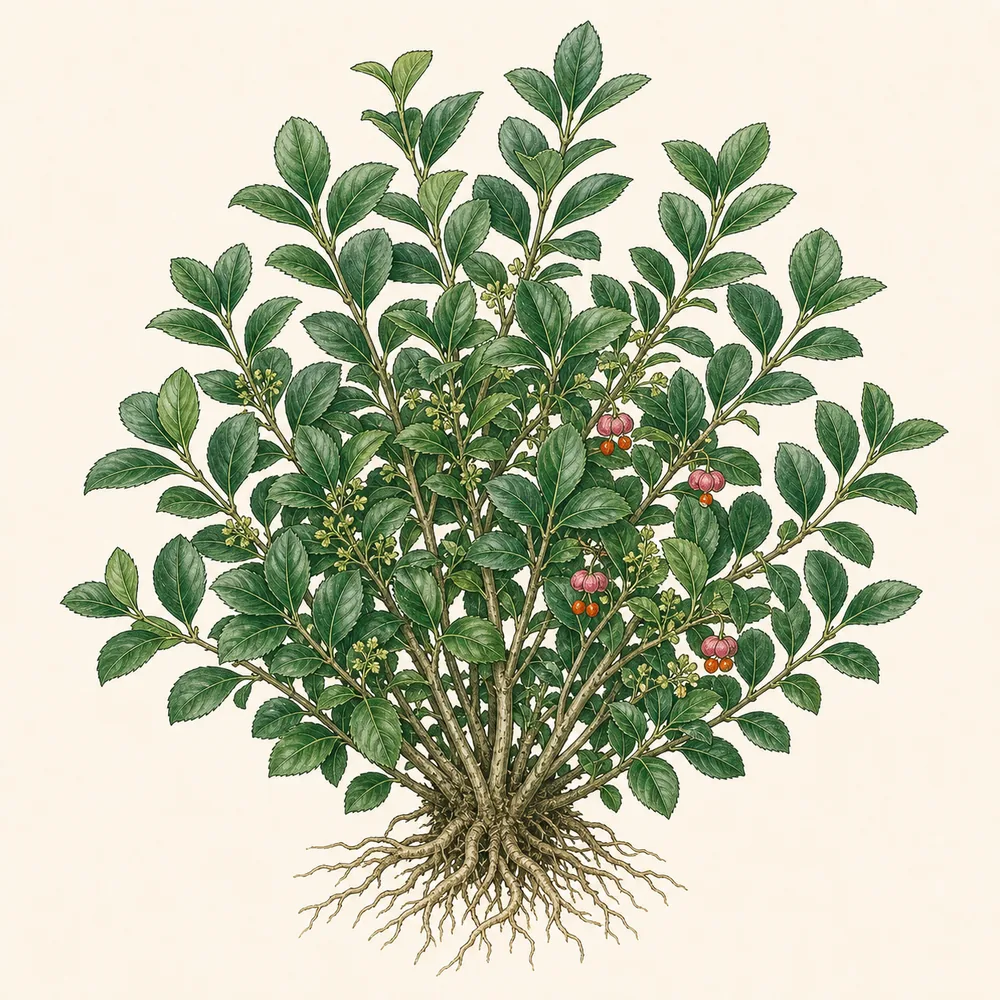
Euonymus
Native spindle is the wildlife-friendly hedging plant most people overlook — quietly plain in summer, then a showstopper in autumn with fiery leaf colour and extraordinary pink-and-orange fruits. Easy and adaptable, it earns its place in a mixed native hedge rather than a clipped formal one.
Toxic if eaten (leaves & berries)
Euonymus (spindle) is on the RHS list of potentially harmful plants. The leaves and the pink-and-orange fruits contain alkaloids and glycosides that cause vomiting and diarrhoea if eaten. The colourful berries are the main temptation to keep away from pets and children.
Care at a glance
Everything that matters, in six lines. The detail is further down.
Position
Grows in full sun or partial shade. Autumn leaf colour and fruiting are strongest in a reasonably sunny, open position.
Water
Keep new plants watered through their first summer. Once established, native spindle is tough and copes with dry spells.
Hardiness
A hardy UK native, thoroughly at home in our climate and reliable in exposed and coastal gardens alike.
Soil
Adaptable to most soils and especially happy on chalk and lime, where many hedging plants struggle. Just avoid waterlogging.
Feeding
An annual mulch is plenty for a native shrub. Heavy feeding isn't needed and can favour leaf over the autumn fruit display.
Pruning
Grown informally it needs little pruning; tidy or reduce it in late winter before growth starts, which spares the autumn berries.
What to do, and when
Small, unshowy green-white flowers open and feed early insects. Plant bare-root hedging before growth gets going, and mulch.
A quiet green backdrop doing its work in a mixed hedge. Keep young plants watered through dry spells while they establish.
The main event — foliage blazes red and pink, and the lobed fruits split to reveal orange seeds. Toxic, so keep pets away.
Bare and dormant, showing off its neat twiggy structure. Plant bare-root now and prune informally before spring growth.
A native for a mixed wildlife hedge
Spindle isn't a plant for a clipped formal hedge — it's at its best woven through a mixed native hedge with hawthorn, hazel and dogwood, where its autumn fireworks lift the whole thing. It's a genuine wildlife plant: the flowers feed insects and the fruits feed birds.
Plant bare-root whips in the dormant season, roughly November to March, spacing a native hedge at around five plants per metre in a staggered double row. It's cheap this way and establishes fast.
Those extraordinary autumn fruits
Spindle earns its keep in one season. In autumn the leaves turn rich red and pink, and the four-lobed fruits ripen to a startling deep pink then split open to reveal bright orange seeds — a colour combination almost nothing else in a British hedge offers.
The fruits are as toxic as they are pretty, so this is a plant to site thoughtfully where children and pets won't be tempted by the berries. Birds, though, take them happily through autumn and winter.
Light pruning and renovation
Grown informally, spindle needs very little — just a tidy-up and any reduction in late winter before growth starts, which keeps the following autumn's fruit display intact. Clipping it hard and formally throws away the very thing it's grown for.
It takes renovation well: an overgrown or leggy plant can be cut back hard in late winter and will regrow freely from the base over the following season. Keep prunings, leaves and fallen fruit away from pets, as the whole plant is toxic.
Common problems
Leaves stripped, silky webbing over shoots
Spindle ermine moth caterpillars can defoliate and web whole plants in early summer. It looks alarming but established spindle recovers and reflushes; pick off webbed shoots on small plants.
Distorted, sticky new growth
Blackfly aphids often colonise spindle — indeed it's a winter host for black bean aphid. Squash early colonies, encourage ladybirds, and avoid heavy feeding that pushes soft growth.
Powdery white coating on the leaves
Powdery mildew, worse in dry soil and stagnant air. Mulch to keep roots moist, improve airflow, and it rarely does lasting harm to a native shrub.
Few or no autumn fruits
Young or heavily clipped plants fruit poorly, and a lone plant may set less. Grow informally, prune only in late winter, and give it a reasonably sunny spot for the best display.
Everything spindle needs
Cheap bare-root whips, a spot in a mixed hedge, and the lightest of late-winter pruning.
We take no commission on anything in the "save your money" tier — if we don't think you should buy it, we don't link it. How our recommendations work
If you like this, try
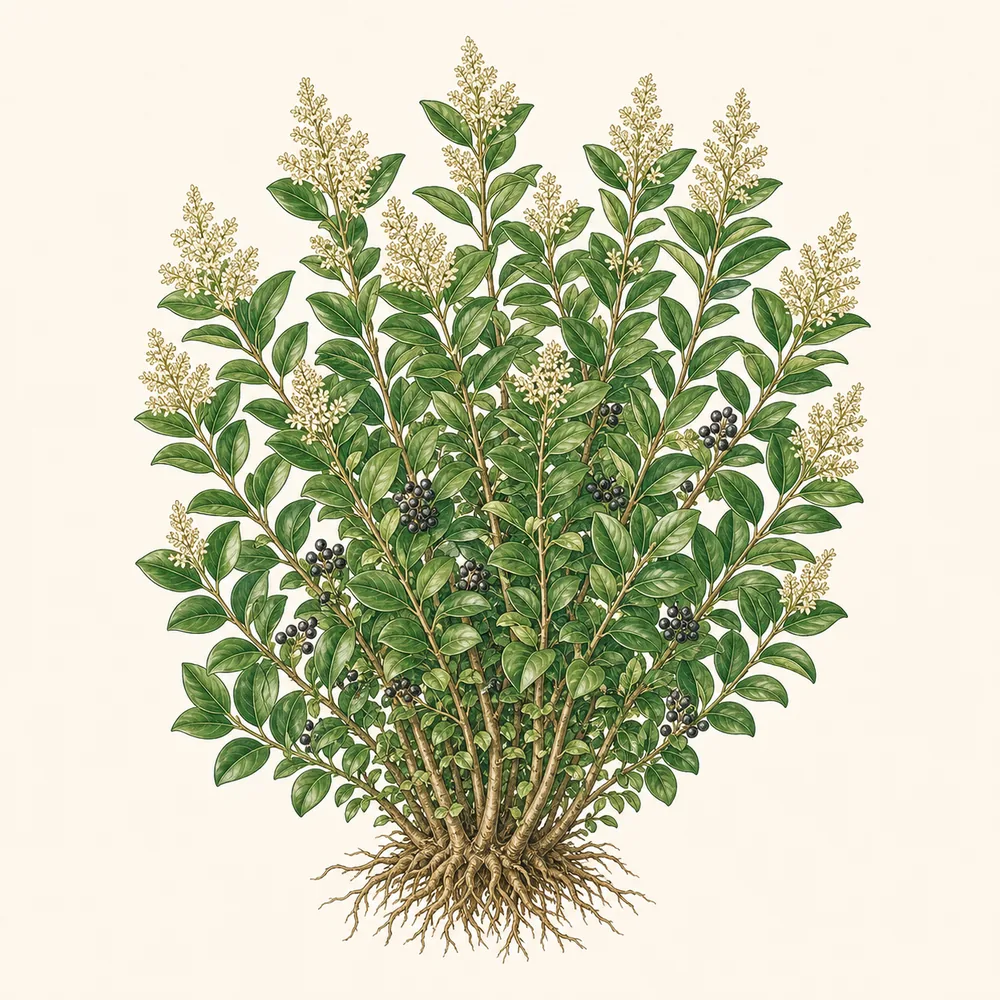
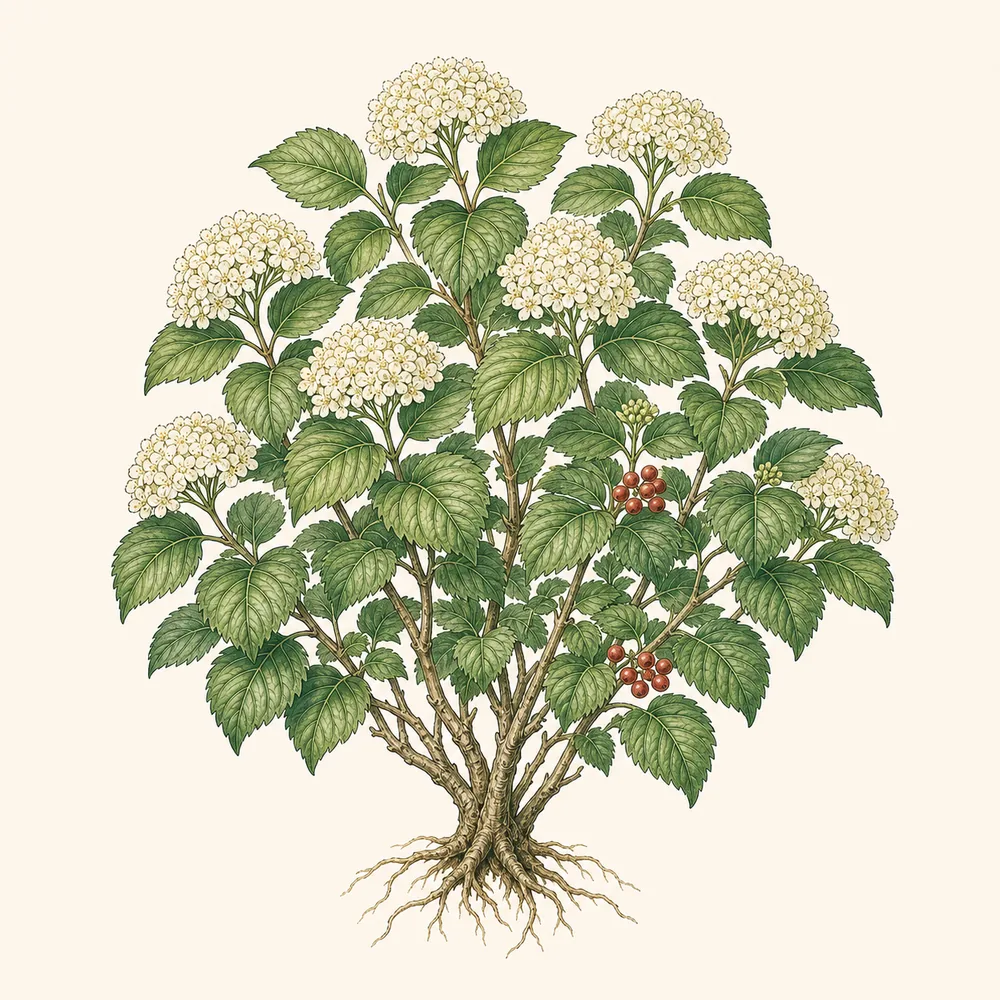
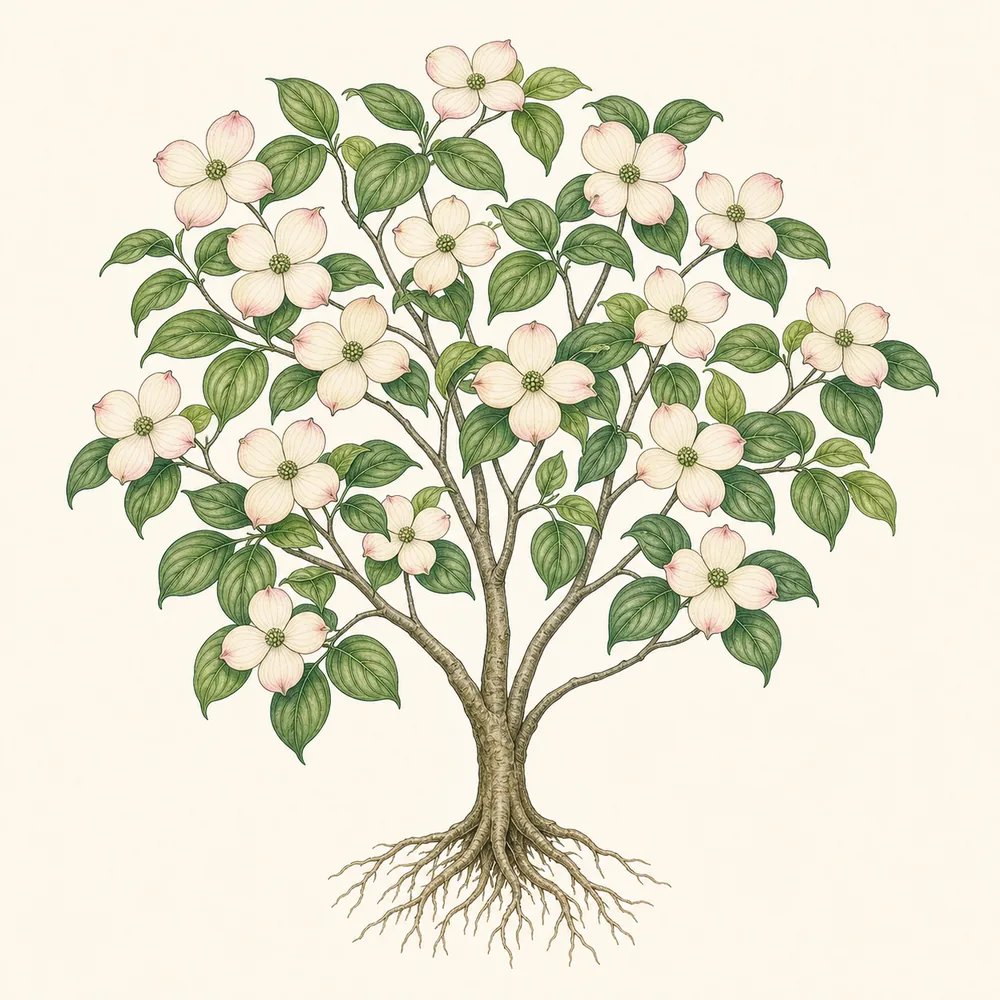
Other plants with a similar temperament.
How we checked this
Care cross-checked against the RHS, which lists Euonymus (spindle) as a potentially harmful plant — leaves and fruits toxic. If our page and these sources ever disagree, believe them — and tell us.
Sources: RHS · ASPCA — toxic & non-toxic plants
Last reviewed · August 2026