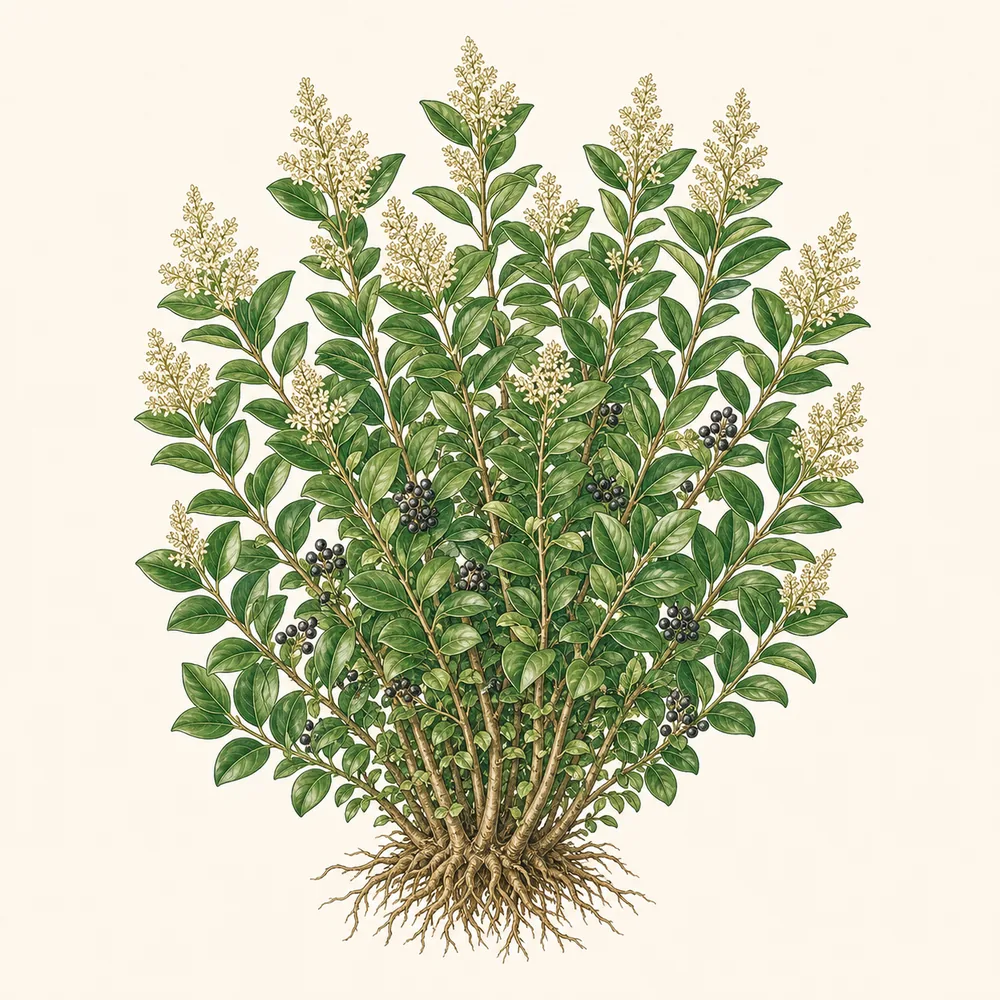
Privet
The workhorse suburban hedge — fast, cheap, tough and semi-evergreen, holding most of its leaves through mild winters. It grows anywhere and takes any amount of clipping, which is exactly why it's everywhere; the trade-off is it needs cutting two or three times a year to stay smart.
Toxic if eaten (berries & leaves)
Privet (Ligustrum) is on the RHS list of potentially harmful plants. The leaves and especially the black berries are toxic, causing vomiting, diarrhoea and, in quantity, more serious signs. Keep pets and children away from the berries.
Care at a glance
Everything that matters, in six lines. The detail is further down.
Position
Grows in full sun through to fairly deep shade. It's about as unfussy as a hedge gets, tolerating pollution and coastal wind too.
Water
Keep new plants watered through their first summer. Once established privet is genuinely tough and copes with dry spells.
Hardiness
Hardy across the UK. Semi-evergreen — it holds most leaves through mild winters but may thin in a hard, cold one.
Soil
Grows on virtually any soil, including chalk and clay. It's greedy, though, and can starve nearby borders of moisture and nutrients.
Feeding
A spring feed and mulch keeps growth dense and green. A hungry privet is one of the few that genuinely repays feeding.
Pruning
Fast growth means clipping from late spring through summer to keep it smart. It takes hard cutting without complaint.
What to do, and when
Feed and mulch as growth starts, and give the first clip once it's growing away. Plant bare-root before it leafs up.
Clip two or three times through the season to keep it dense and tidy; small creamy flowers appear if left unclipped.
Growth slows; a final tidy trim keeps it smart for winter. Black berries follow any flowers left unclipped — keep pets away.
Mostly dormant and semi-evergreen. Plant bare-root privet now in mild spells; it's the cheapest way to start a hedge.
Planting a privet hedge on a budget
Privet is the cheap-hedge classic because it's easy from bare-root plants lifted in the dormant season, roughly November to March. Space them about 30–45cm apart in a single row, or stagger a double row for a thicker screen faster.
Dig a trench, work in compost, firm the plants in and water well. Bare-root whips look like twigs on arrival but romp away in spring — it's normal for them to look unpromising at first.
Formative pruning builds the base
The mistake with a new privet hedge is letting it shoot straight up. Cut the tops and sides back hard in the first two years — this formative pruning forces bushy growth low down and gives you a hedge that's dense to the ground rather than bare-legged.
After that it's pure maintenance: trim two or three times through summer to hold the shape. Keep the base a touch wider than the top so light reaches the bottom and the whole hedge stays furnished.
Fast growth, and renovating old hedges
Privet's speed is its selling point and its catch — expect it to put on plenty each year, so budget for regular clipping. Left unclipped it flowers and sets the toxic black berries, and can quickly become an untidy small tree.
An overgrown, bare privet hedge renovates beautifully. Cut it back hard in late winter or early spring, even into thick old wood, then feed and water — it breaks freely from old stems and refurnishes within a season or two.
Common problems
Thin, bare bottom to the hedge
Usually from letting it grow up too fast without early formative cutting, or shade at the base. Cut back hard in spring to force low growth, and keep the top narrower than the base.
Yellowing leaves and leaf drop
Privet is semi-evergreen and sheds some leaves in a hard winter, which is normal. Heavy yellowing in the growing season can mean hunger or dry roots — feed, mulch and water.
Sudden wilting and dieback of whole branches
Honey fungus can attack privet, killing sections from the roots up. Look for white fungal sheets under the bark; there's no cure, so remove affected plants and roots.
Leaves eaten or notched
Privet thrips and the odd leaf-eater can mark foliage but rarely do lasting harm to such a vigorous plant. Feed and water to keep it growing away strongly.
Everything a privet hedge needs
Cheap bare-root plants, hard early cutting, and shears kept sharp for the regular trims.
We take no commission on anything in the "save your money" tier — if we don't think you should buy it, we don't link it. How our recommendations work
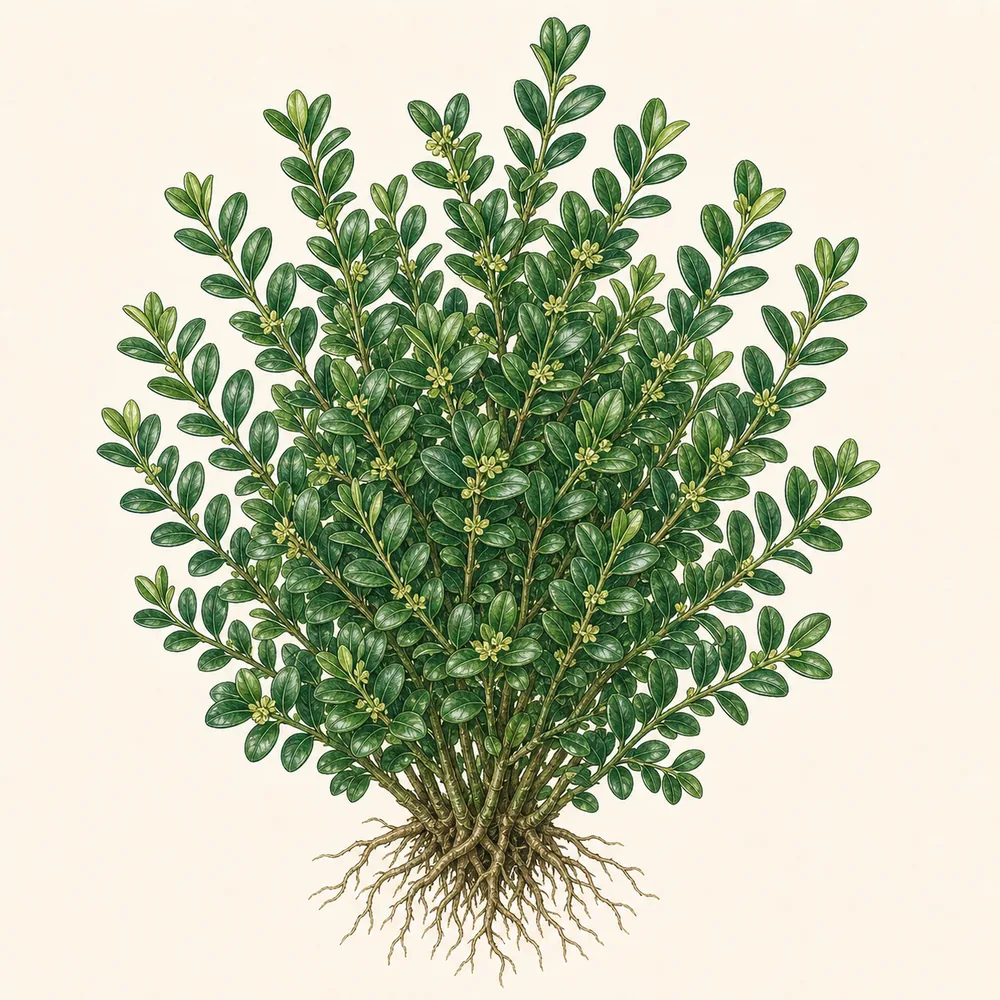
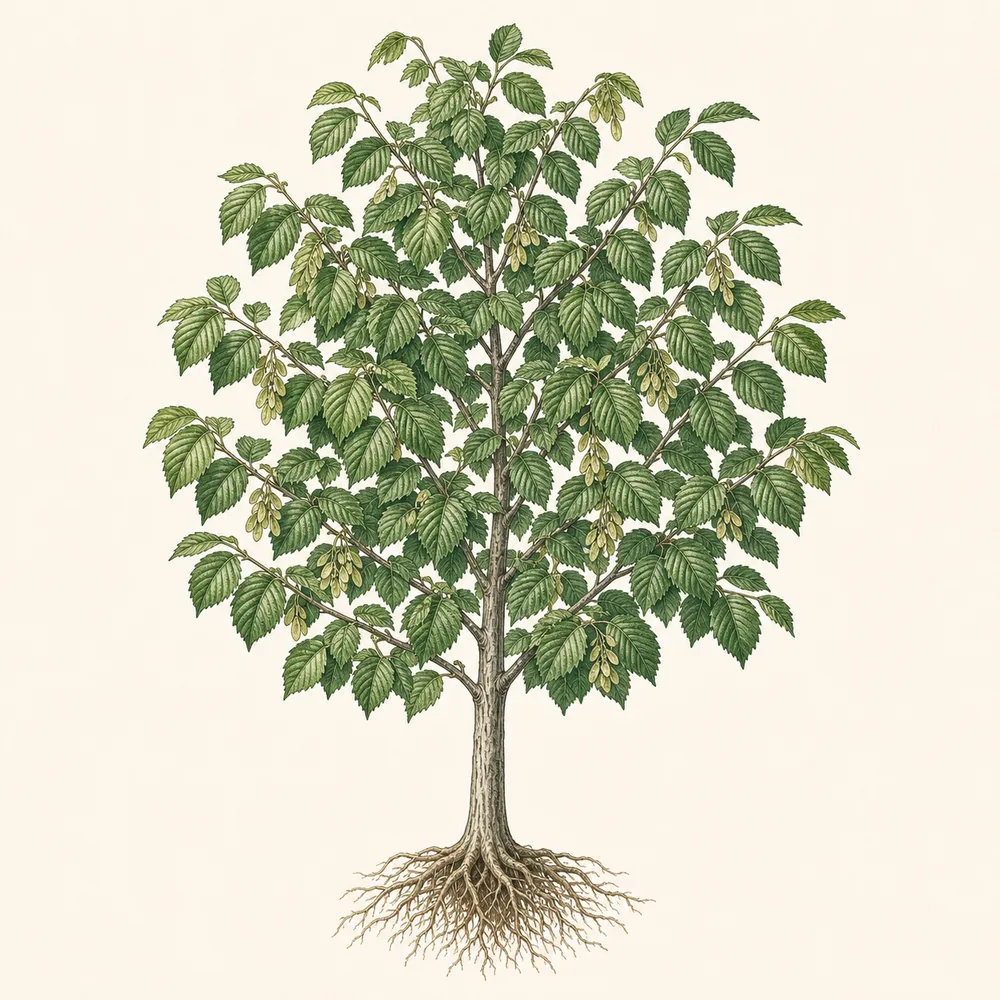
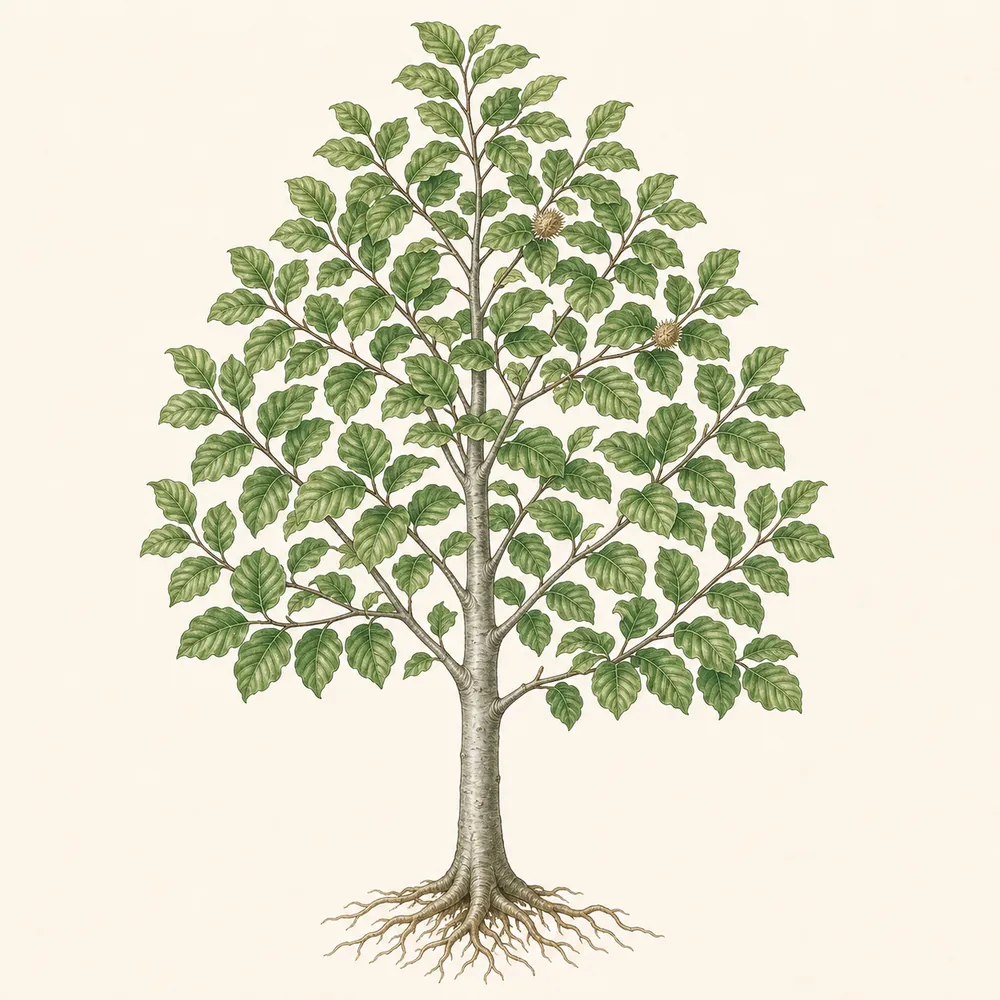
If you like this, try
Other plants with a similar temperament.
How we checked this
Care cross-checked against the RHS, which lists Privet (Ligustrum) as a potentially harmful plant — leaves and berries toxic. If our page and these sources ever disagree, believe them — and tell us.
Sources: RHS · ASPCA — toxic & non-toxic plants
Last reviewed · August 2026