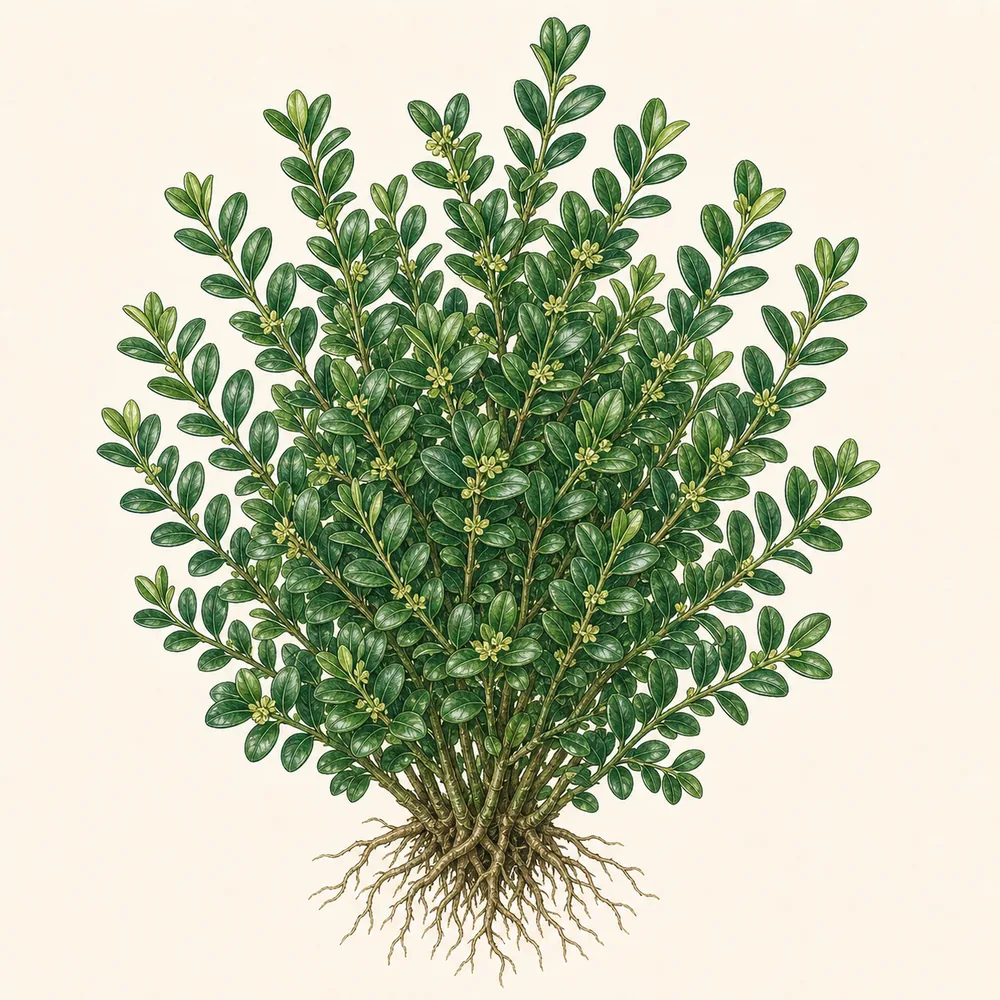
Box
The classic evergreen for low formal hedges, edging and topiary — small glossy leaves that clip into crisp, dense green shapes. Slow-growing and long-lived, but two modern problems, box blight and box tree caterpillar, mean it's worth going in with your eyes open.
Toxic if eaten (cats, dogs & horses)
Box (Buxus) is on the RHS list of potentially harmful plants. The leaves and stems contain alkaloids that cause vomiting, diarrhoea and stomach upset if eaten — bitter enough that most animals leave it alone, but worth knowing for a clipped hedge pets brush past.
Care at a glance
Everything that matters, in six lines. The detail is further down.
Position
Happy in full sun or dappled shade. A little shade in the hottest spots actually helps keep foliage lush and reduces scorch.
Water
Keep young plants and new hedges watered through their first two summers. Established box is fairly drought-tolerant but dislikes dry roots against a wall.
Hardiness
Tough and reliably hardy across the UK. Cold rarely troubles it — the modern threats are disease and caterpillar, not frost.
Soil
Unfussy on most soils, including chalk, as long as they drain. It won't thrive in ground that stays waterlogged in winter.
Feeding
A balanced feed and a mulch in spring keeps dense growth and good colour. Well-fed box shrugs off stress far better than a starved plant.
Pruning
Clip once or twice from late May onwards, ideally on a dry, overcast day. Avoid clipping in hot sun, which scorches the freshly cut leaves.
What to do, and when
Feed and mulch as growth begins. Plant new box now while the soil is warming and keep it well watered.
Give the main clip from late May or June once frost risk has passed; a second tidy in late summer keeps shapes crisp.
Stop clipping so soft new growth can harden before winter. Clear fallen leaves from inside hedges to reduce blight.
Little to do but check for caterpillar webbing and blight on mild days. Firm in any plants lifted by frost.
Planting a box hedge or edging
For a low edging or knot, space small plants about 15–20cm apart in a single row; for a taller hedge, allow 25–30cm. Buy in quantity as bare-root or root-balled plants from autumn to early spring while dormant — it's far cheaper than pots for a long run.
Prepare the whole trench rather than individual holes, work in compost, and firm plants in well. Water thoroughly and don't let a new hedge dry out in its first two summers — establishment is where most box hedges are won or lost.
Formative and maintenance clipping
For the first couple of years, trim lightly and often to build a dense, bushy base — this formative pruning is what gives you a solid hedge later rather than a leggy one. Always keep the base slightly wider than the top so light reaches the bottom.
Once established, one clip in early summer keeps a formal shape, with an optional second tidy in late summer. Clip on a dull, dry day and avoid hot sun, which scorches cut leaves. Feed after clipping to push healthy regrowth.
Slow, dense and long-lived
Box grows only a few centimetres a year, so it takes patience to fill a hedge — but that same slowness is why it holds a crisp shape with just one or two clips a season. A well-kept box hedge can last generations.
Overgrown or bare box responds well to hard renovation: cut back hard in mid- to late spring, feed and water generously, and it will break from old wood over the following season. Stagger renovation over two years for a large hedge.
Common problems
Bare brown patches with dieback
Box blight, a fungal disease that strips leaves and blackens stems, spreading fastest in warm damp weather. Improve airflow, clip in dry conditions, clear fallen leaves, and cut out and bin affected growth — don't compost it.
Leaves stripped, fine webbing over the plant
Box tree caterpillar, the larva of a moth, which can defoliate a hedge quickly. Check plants regularly from spring, pick off caterpillars, and treat webbed areas promptly before damage spreads.
Orange or bronze foliage in winter
Usually stress from cold winds, drought or waterlogging rather than disease. Mulch, keep roots evenly moist, and colour normally recovers as growth resumes in spring.
Scorched leaves after clipping
Trimming in hot, bright sun burns the freshly exposed foliage. Always clip on a dull, dry day and water afterwards in warm spells.
Everything a box hedge needs
Dormant-season plants, sharp clean shears, and a watchful eye for blight and caterpillar.
We take no commission on anything in the "save your money" tier — if we don't think you should buy it, we don't link it. How our recommendations work
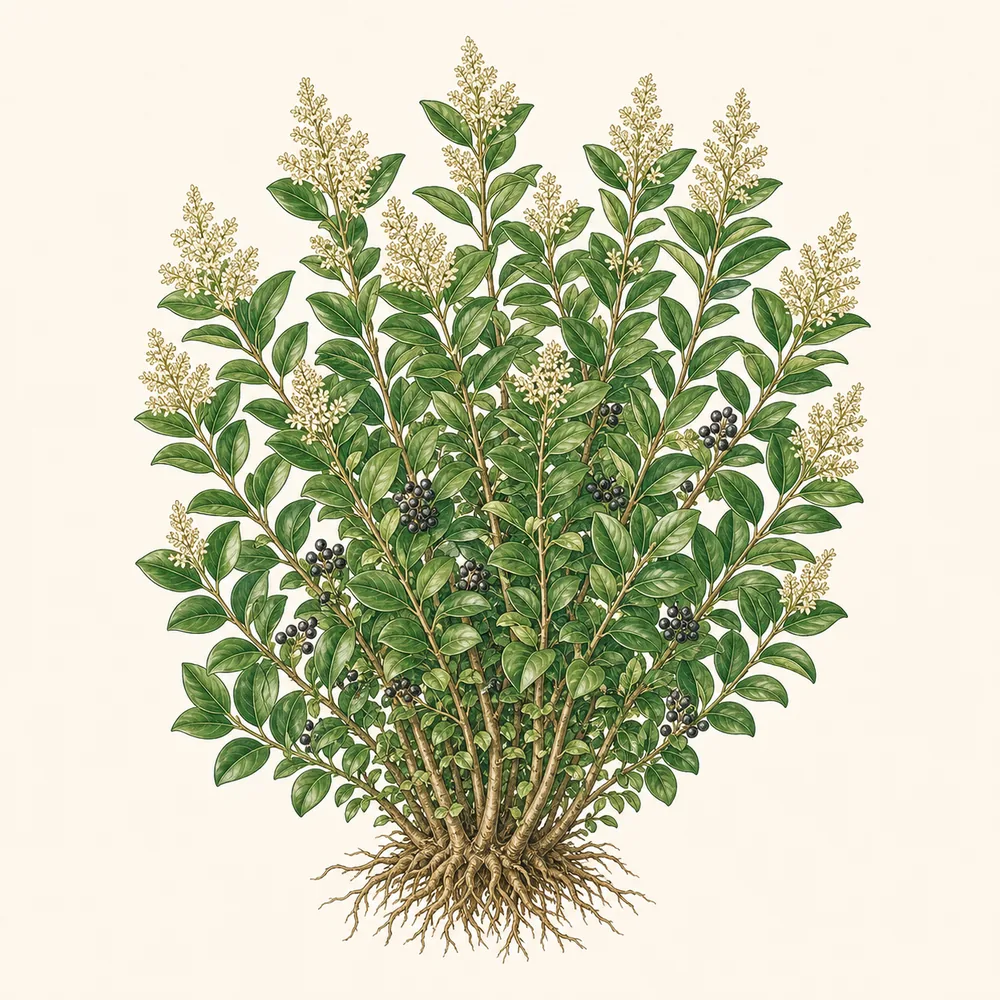
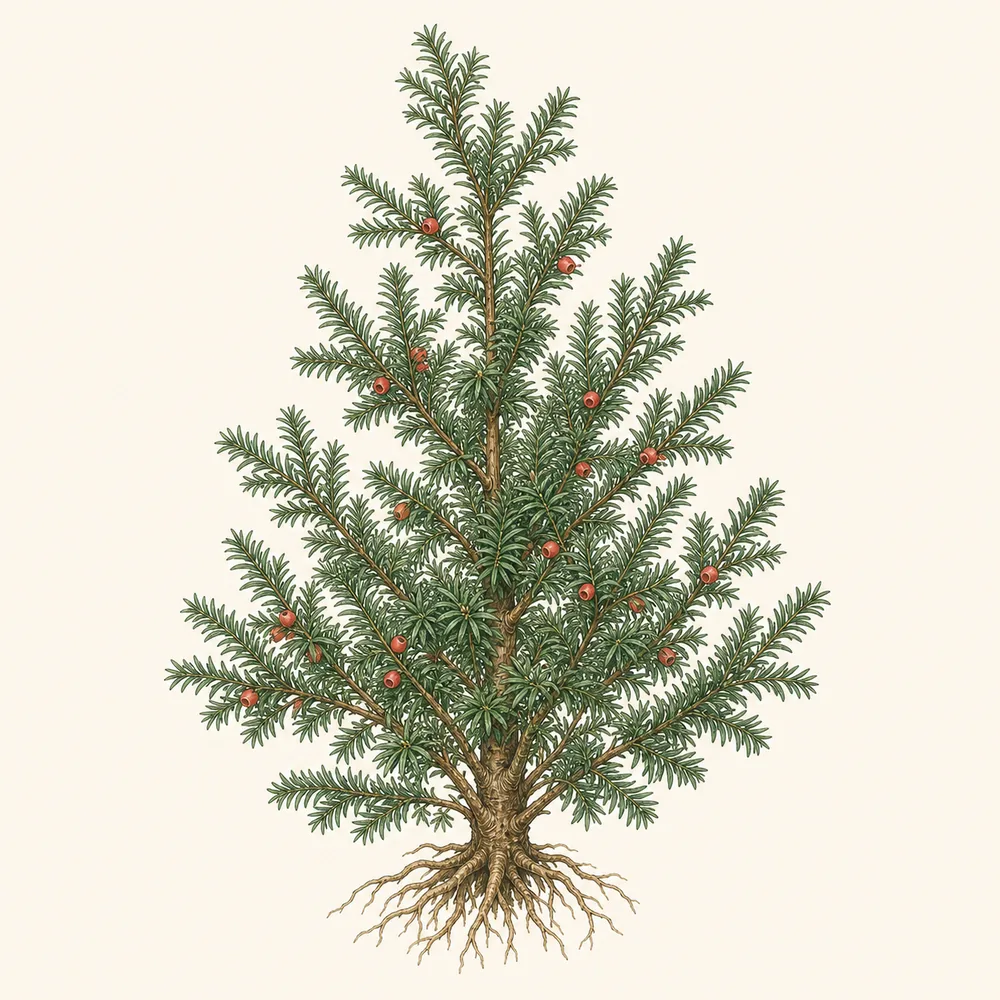
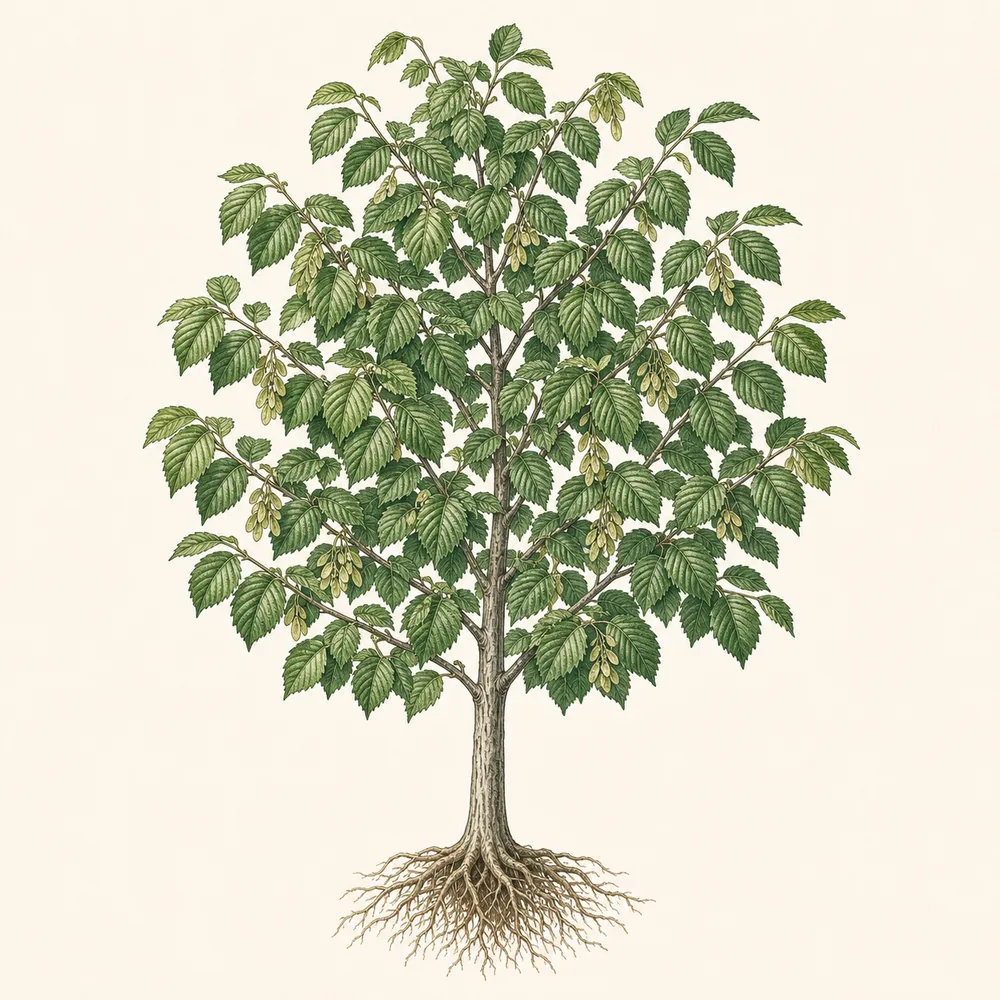
If you like this, try
Other plants with a similar temperament.
How we checked this
Care cross-checked against the RHS, which lists Box (Buxus) as a potentially harmful plant — alkaloids in leaves and stems. If our page and these sources ever disagree, believe them — and tell us.
Sources: RHS · ASPCA — toxic & non-toxic plants
Last reviewed · August 2026