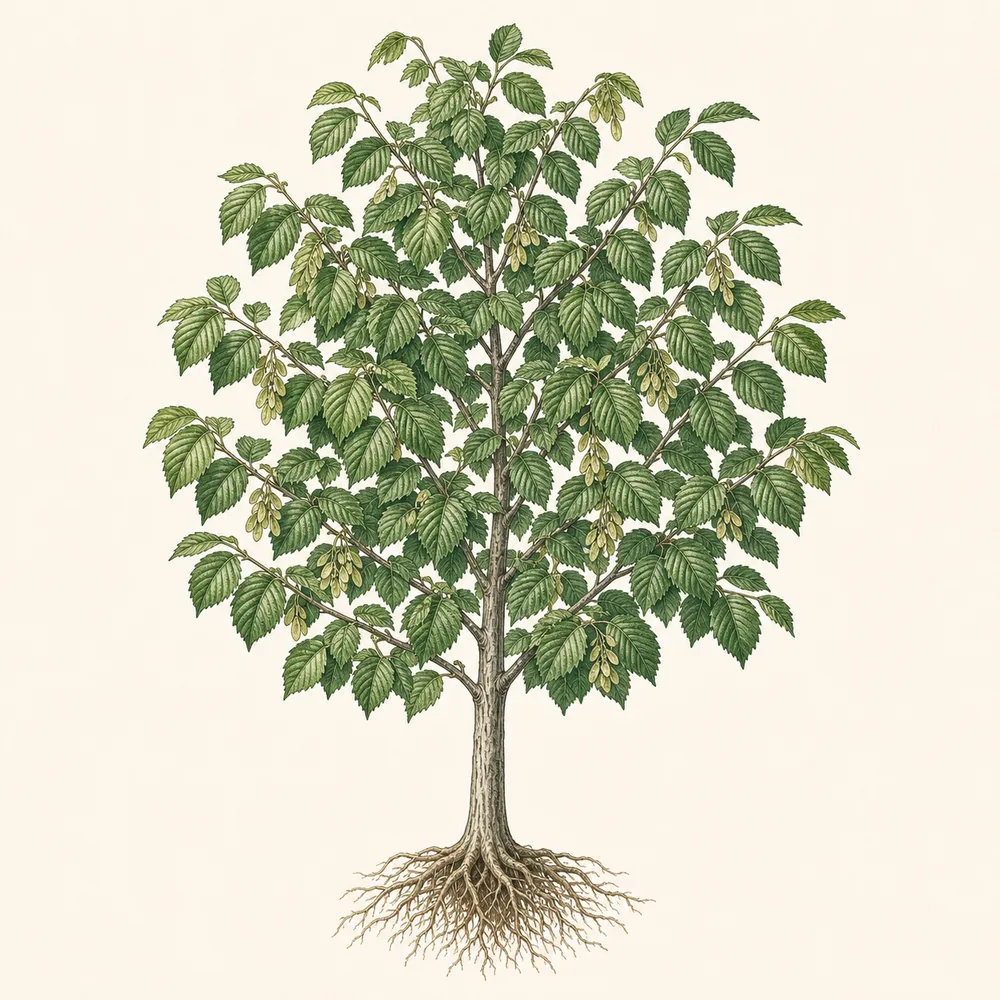
Hornbeam
Beech's tougher cousin. Hornbeam makes a near-identical formal hedge that also holds its russet winter leaves, but it thrives where beech sulks — on heavy clay, cold ground and soil that lies wet. The go-to hedge for difficult sites, and best planted bare-root in winter.
Not listed by ASPCA
The ASPCA doesn't list hornbeam (Carpinus), so we don't stamp it safe. With no database entry we flag the gap honestly rather than guess.
Care at a glance
Everything that matters, in six lines. The detail is further down.
Position
Grows well in full sun through to fairly deep shade, which makes it useful for shaded boundaries where many hedges thin out.
Water
Water bare-root and young plants through their first two summers. Once settled it copes with both wet winters and dry spells.
Hardiness
A hardy British native, reliable across the country and unbothered by cold, exposed or frost-pocket sites.
Soil
Its great advantage over beech: hornbeam thrives on heavy clay and ground that lies wet in winter, where beech struggles.
Feeding
An annual spring mulch of compost is plenty. Little other feeding is needed on most soils.
Trimming
One clip a year in August keeps it dense and holding its winter leaves. It takes hard reshaping well when neglected.
What to do, and when
Crinkled, pleated fresh leaves emerge and old brown foliage drops. Firm in and water any bare-root plants as growth begins.
Growth is fastest in early summer. Give the main clip in August once new shoots have firmed up, for a crisp winter face.
Leaves turn yellow then russet-brown. This is the start of the bare-root planting season — plant from November onwards.
Clipped hedges keep their russet dead leaves for screening and colour. The dormant months are the time to plant bare-root hornbeam cheaply, even on wet ground.
The hedge for heavy, wet ground
Beech and hornbeam look almost identical as hedges — both formal, both holding coppery leaves through winter — and people often can't tell them apart. The difference is underground. Beech needs free-draining soil and sulks on wet clay, while hornbeam positively thrives on heavy, cold, damp ground.
So the rule of thumb is simple: if your soil drains freely, either will do; if it's clay, low-lying, or wet in winter, choose hornbeam every time. On a difficult site it's the more reliable of the two by a wide margin.
Holds its leaves too
Like beech, a clipped hornbeam hedge is marcescent — it hangs onto its dead russet-brown leaves through winter rather than dropping them, so a deciduous plant gives you year-round screening.
The mechanism is the same: regular trimming keeps the hedge juvenile, and juvenile growth is what holds the leaves. Keep it tightly clipped with an annual August cut and the winter leaf-hold stays reliable.
Planting and growth rate
Hornbeam is a moderately fast hedge, growing around 30–40 cm a year, and it's superb value bought bare-root in the winter dormant season. Plant young whips 30–45 cm apart in a staggered double row.
Water and weed through the first couple of summers and it thickens quickly into a dense, formal hedge. Because it takes hard cutting so well, an overgrown hornbeam can be renovated back to a tidy shape over a season or two.
Common problems
Thin, sparse base
Often the hedge grown too tall for its footing, or heavy shade. Trim with a slight batter so light reaches the bottom, and clip firmly to thicken it up.
Leaves dropping in winter
The hedge has grown out of tight clipping. A firmer annual August trim keeps it juvenile and holding its russet leaves.
Slow start after planting
Bare-root plants can sit for a season while roots establish. Keep them watered and weed-free; growth speeds up once away.
Scorched young foliage
Late frost or cold wind on soft spring leaves. Cosmetic — the hedge reshoots and grows through it.
Everything a hornbeam hedge needs
Bare-root whips in winter, and one clip a year — copes where beech won't.
We take no commission on anything in the "save your money" tier — if we don't think you should buy it, we don't link it. How our recommendations work
If you like this, try
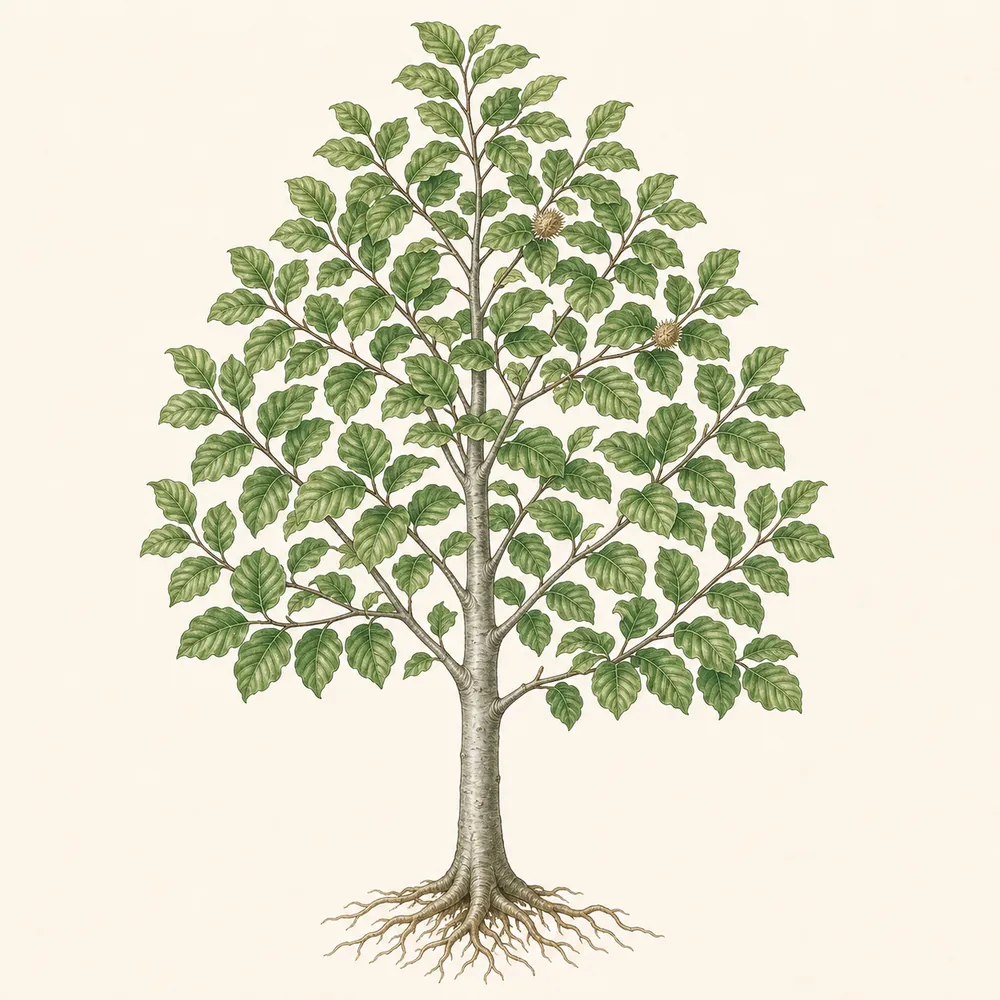
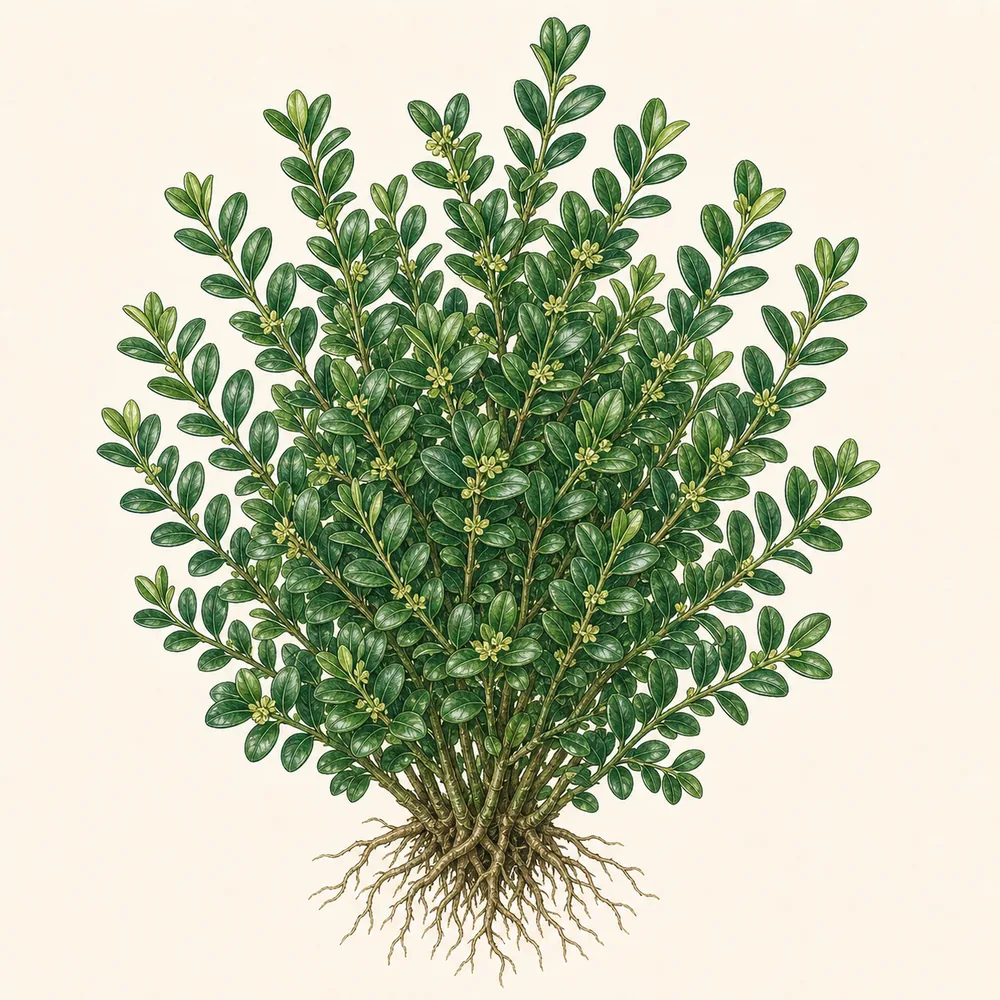
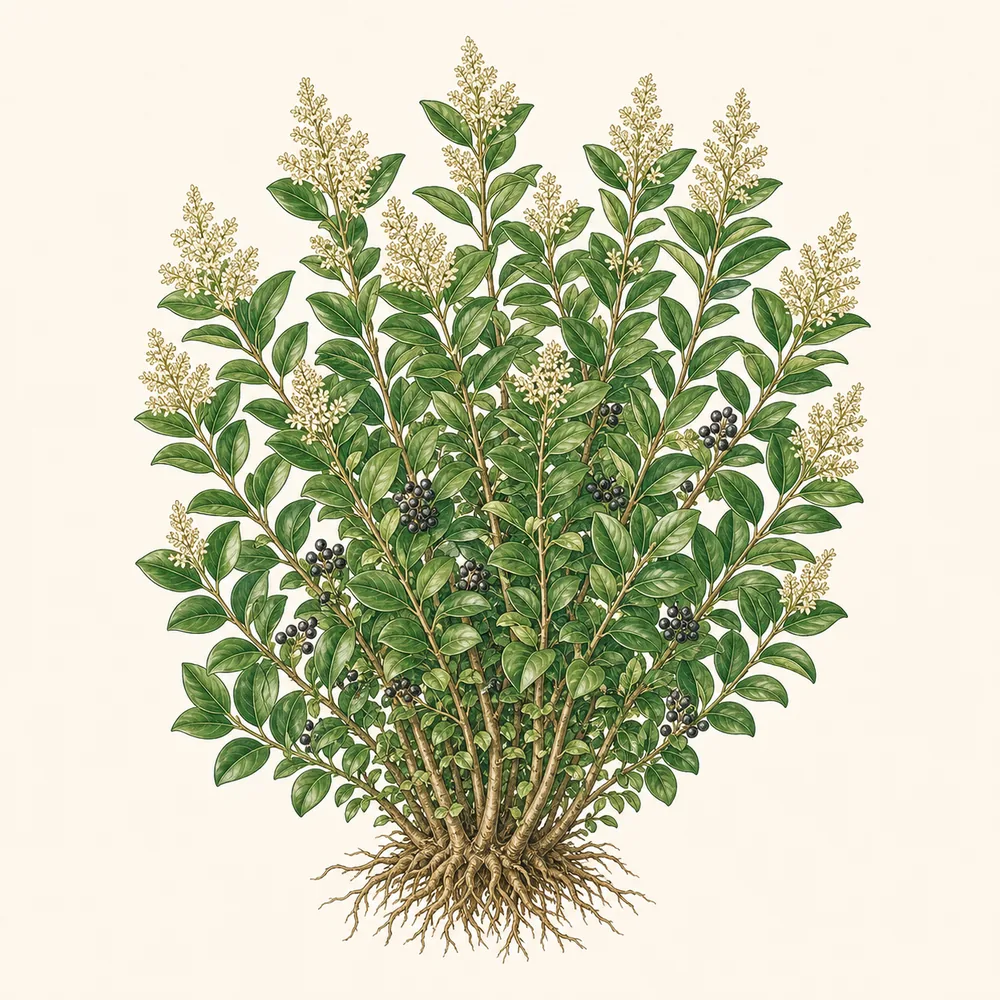
Other plants with a similar temperament.
How we checked this
Care cross-checked against the RHS. The ASPCA does not list hornbeam (Carpinus), so its pet-safety is unconfirmed and we have not stamped it safe. If our page and these sources ever disagree, believe them — and tell us.
Sources: RHS · ASPCA — toxic & non-toxic plants
Last reviewed · August 2026