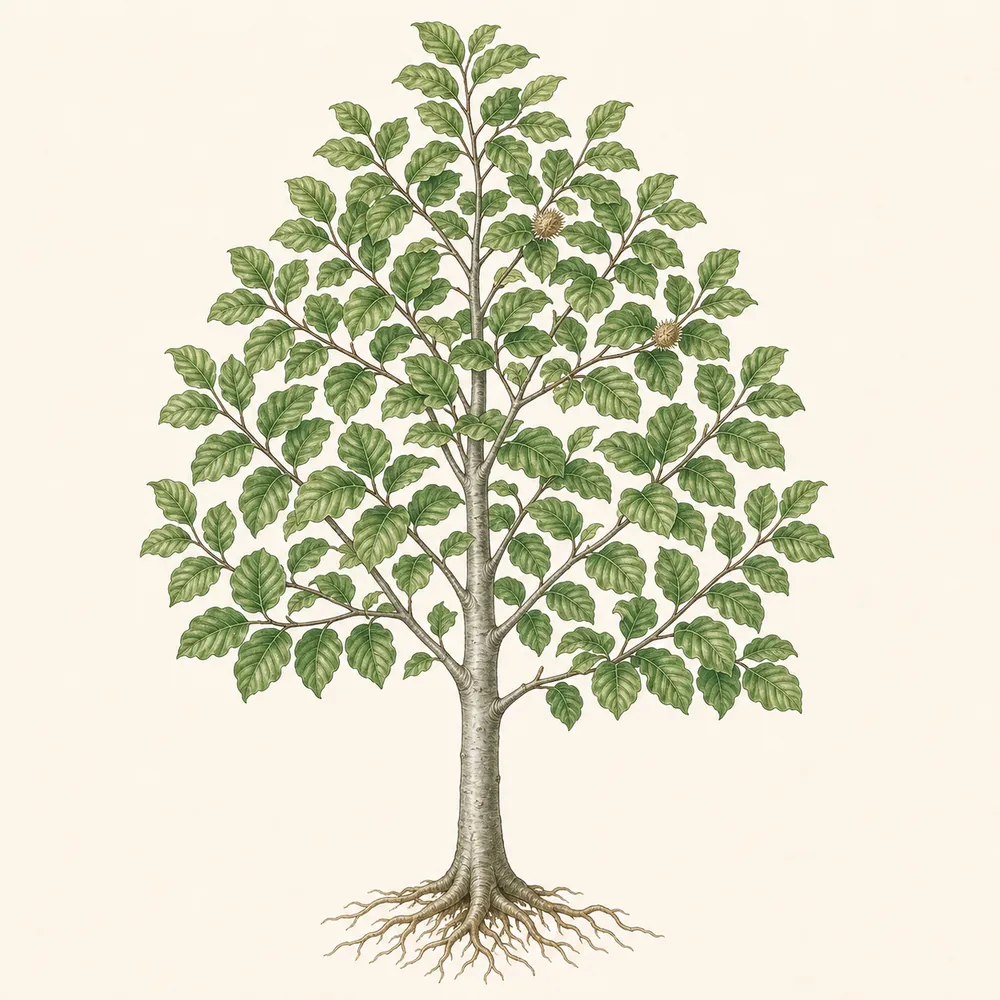
Beech
The classic formal English hedge. Beech is deciduous, but a clipped hedge holds onto its coppery-brown dead leaves right through winter, giving year-round screening with the colour of an autumn woodland. Best planted bare-root in the dormant season on free-draining ground.
Not listed by ASPCA
The ASPCA doesn't list beech (Fagus), so we don't stamp it safe. The nuts (mast) are only mildly toxic raw and in quantity. With no database entry we flag the gap honestly rather than guess.
Care at a glance
Everything that matters, in six lines. The detail is further down.
Position
Happiest in full sun to light shade. In too much shade the hedge thins and the winter leaf-hold is poorer.
Water
Keep bare-root and young plants watered through their first two summers; a settled beech hedge rarely needs it.
Hardiness
A tough British native, hardy across the whole country and reliable in exposed inland gardens.
Soil
The one thing beech won't take is cold, wet, heavy soil. On clay or ground that waterlogs, plant hornbeam instead.
Feeding
An annual mulch of compost or bark keeps roots cool and moist. Little other feeding is needed.
Trimming
One clip a year in August is enough. This late trim is what makes the hedge hold its brown leaves through winter.
What to do, and when
Fresh lime-green leaves unfurl and last year's brown foliage finally drops. Firm in any bare-root plants and water well as growth starts.
Growth is fast in June and July. Give the hedge its main clip in August, once the new growth has hardened, for the crispest winter finish.
Leaves turn rich copper and gold. This is the start of the bare-root planting season — order young whips for planting from November.
Trimmed hedges keep their coppery dead leaves for winter screen and colour. The dormant months, November to March, are the time to plant bare-root beech cheaply.
Why a beech hedge keeps its leaves
Beech is deciduous, so a full-grown tree drops its leaves in autumn. But clip it as a hedge and something useful happens: the plant holds onto its dead, coppery leaves all winter, a trait called marcescence. You get the screening and colour of an evergreen from a deciduous plant.
The trick is regular trimming, which keeps the hedge in a juvenile state — and juvenile beech is the part that hangs on to its leaves. Let a hedge grow up and out of clipping range and the top will start dropping bare in winter like any beech tree.
Plant bare-root in winter
Beech is one of the great bargains of hedging. From November to March, nurseries sell young plants bare-root — lifted from the field with no pot or soil — for a fraction of the price of container-grown stock, and they establish just as well.
Plant them in a double staggered row about 30–45 cm apart, water them in, and keep them weeded and watered through the first couple of summers. A 45–60 cm whip will grow away fast and thicken into a proper hedge within a few years.
Growth rate and screening
Beech is a moderately fast hedge, putting on around 30–45 cm a year once settled. That's quick enough to fill a gap in a few seasons, but slow enough that a single annual trim keeps it in check — no chasing it every few weeks.
It clips into dense, formal faces and takes hard reshaping well, so an overgrown or neglected beech hedge can be cut back and brought under control over a season or two rather than being ripped out.
Common problems
Bare, thin patches low down
Usually too much shade or the hedge grown too tall for its base. Trim to a slight batter — wider at the bottom — so light reaches the lower growth.
Leaves drop early in winter
The hedge has grown out of tight clipping. A firmer annual August trim keeps it juvenile and holding its leaves.
Yellowing, dieback on wet ground
Beech hates waterlogging. On heavy, wet soil the roots suffer — improve drainage, or replant with hornbeam, which copes with it.
Scorched, browning new growth
Late spring frost or cold wind on soft young leaves. Usually cosmetic; the hedge reshoots and grows past it.
Everything a beech hedge needs
Bare-root whips in winter, free-draining ground, and one good clip a year.
We take no commission on anything in the "save your money" tier — if we don't think you should buy it, we don't link it. How our recommendations work
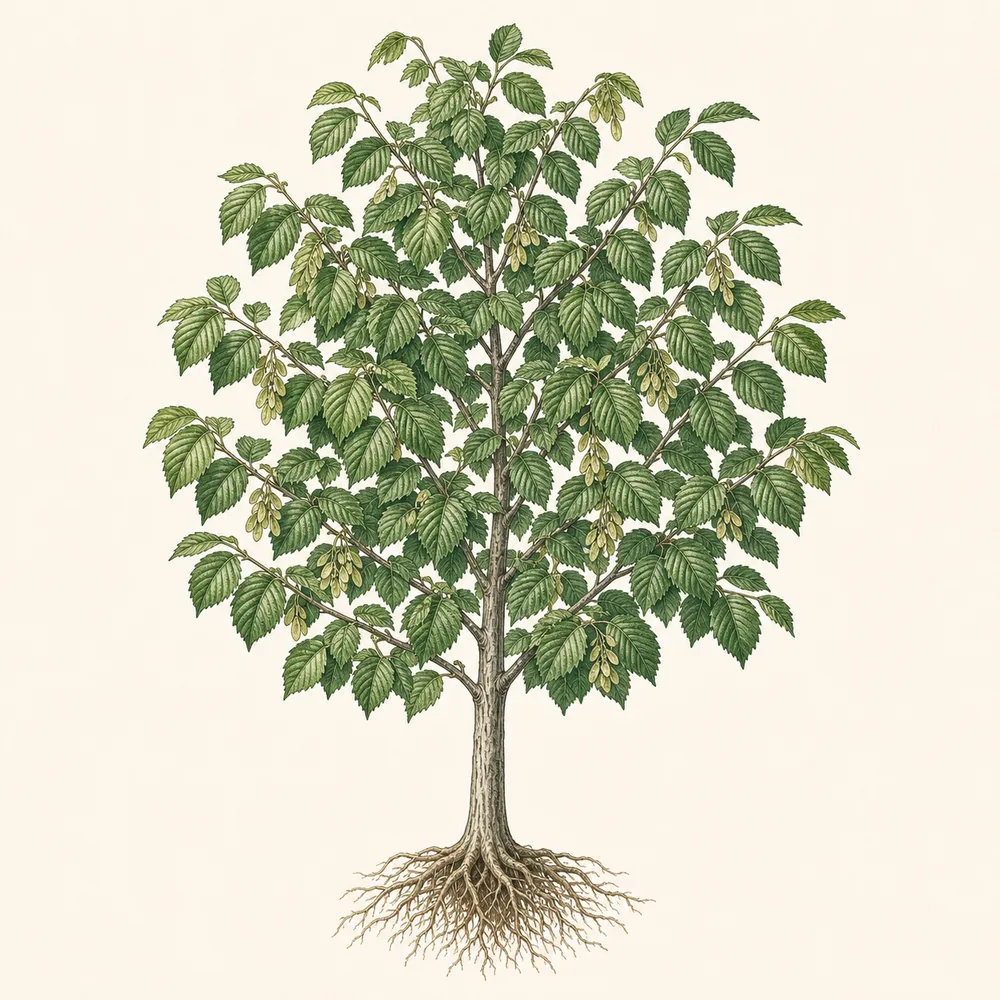
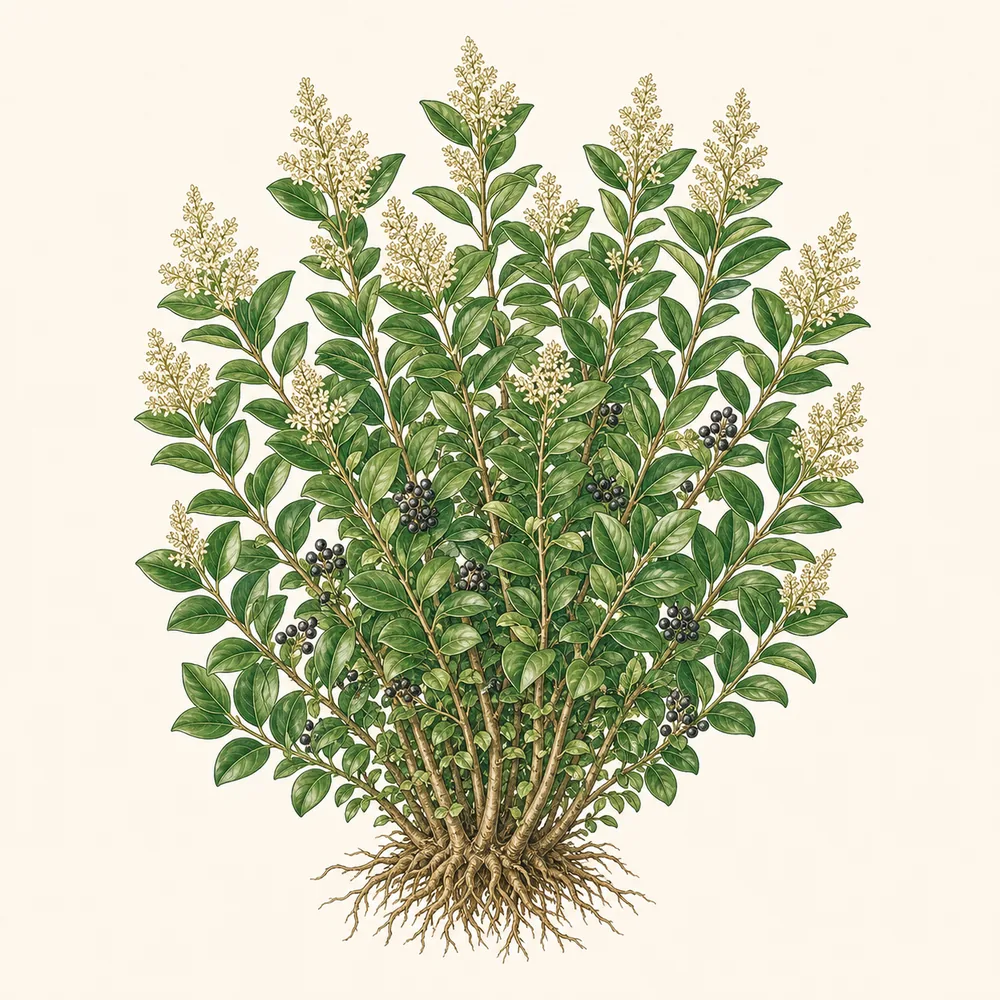
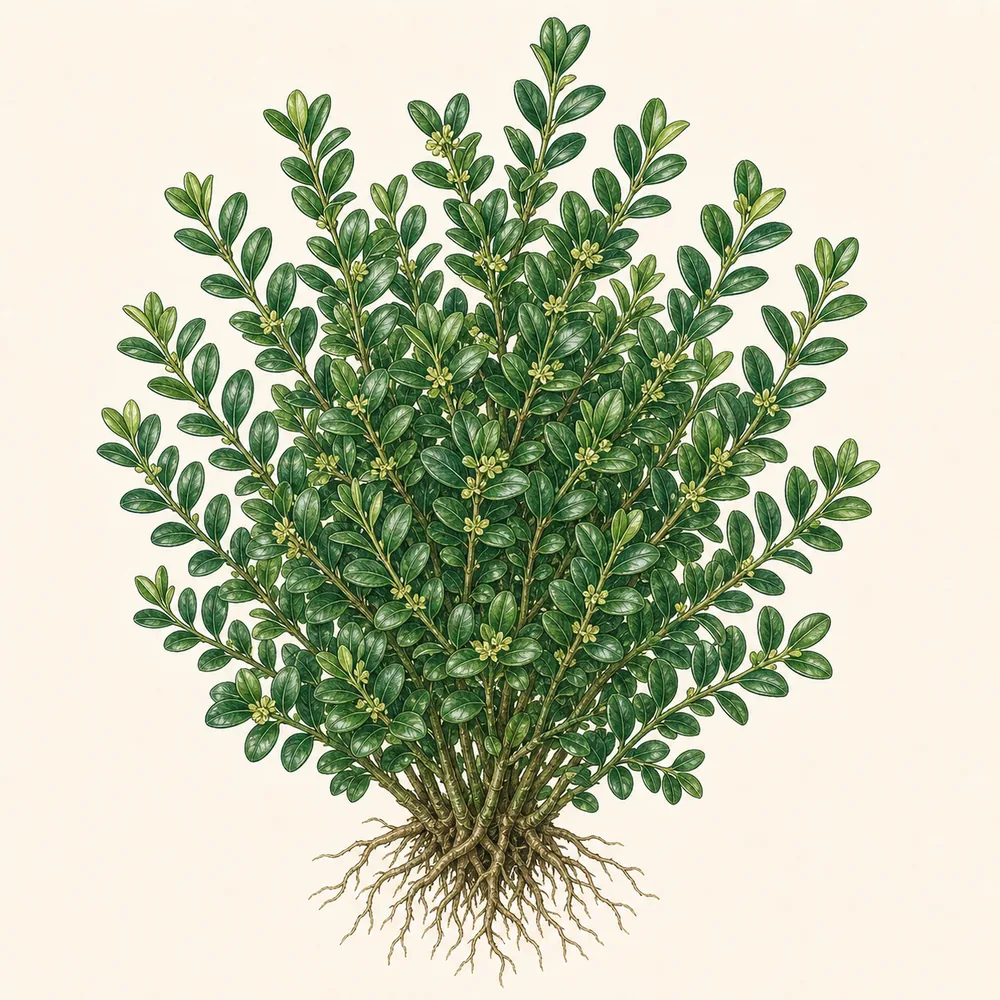
If you like this, try
Other plants with a similar temperament.
How we checked this
Care cross-checked against the RHS. The ASPCA does not list beech (Fagus), so its pet-safety is unconfirmed and we have not stamped it safe. If our page and these sources ever disagree, believe them — and tell us.
Sources: RHS · ASPCA — toxic & non-toxic plants
Last reviewed · August 2026