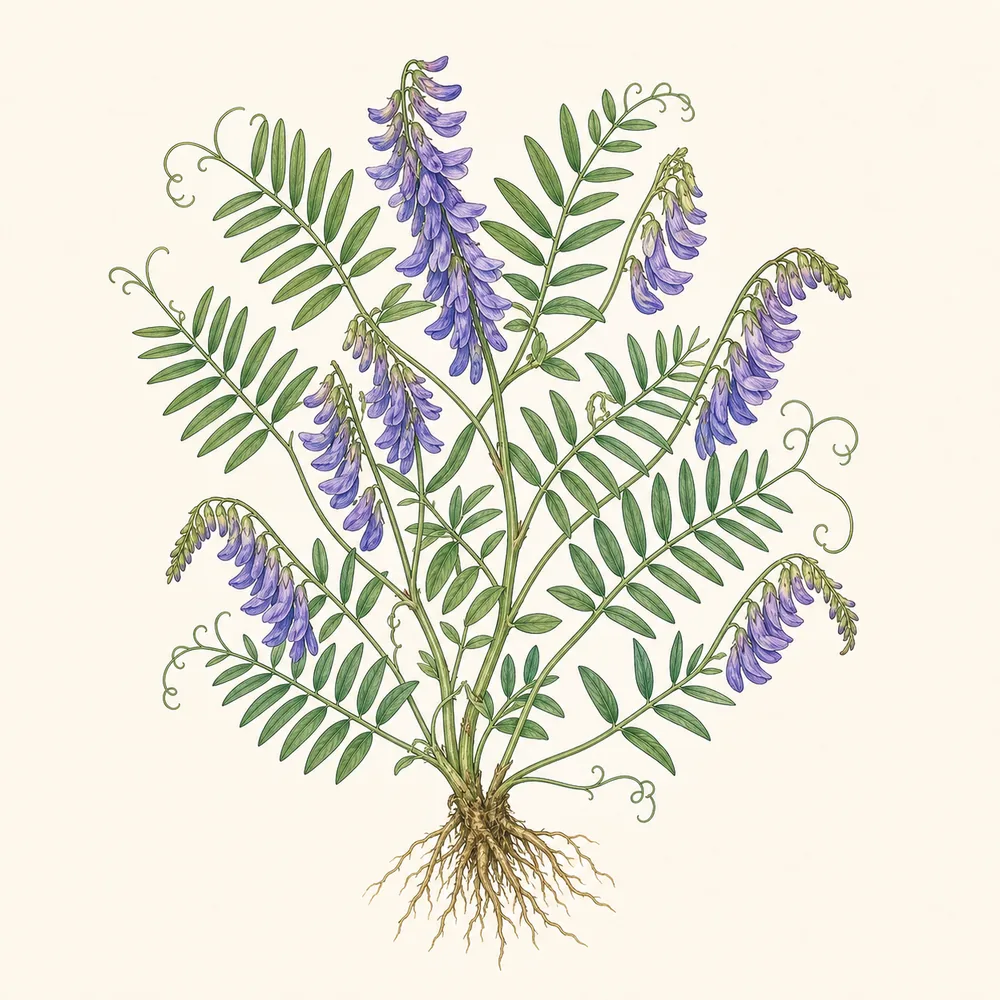
Tufted Vetch
A scrambling native legume that hauls itself up through long grass on curling tendrils and throws out one-sided spikes of violet-blue pea flowers all summer. It fixes its own nitrogen, feeds bumblebees for weeks, and asks for nothing but poor soil and something to climb through.
Not listed by ASPCA
The ASPCA doesn't list tufted vetch, so we don't stamp it safe. Like many vetches its seeds hold small amounts of toxins, but there's no serious record. With no database entry we flag the gap honestly rather than guess.
Care at a glance
Everything that matters, in six lines. The detail is further down.
Light
Happiest in an open, sunny meadow or hedge bank; it will scramble in light shade but flowers far more freely in the sun.
Water
Once its deep roots take hold it needs no watering — it shrugs off dry summers better than most meadow plants.
Hardiness
A tough British native, hardy across the whole of the UK. It dies back in winter and comes again from the base each spring.
Support
It has no stems of its own to speak of — it scrambles up through tall grass and other plants on leaf-tip tendrils, so give it company.
Feeding
A legume that makes its own nitrogen from the air, so never feed it. Rich, fed ground makes it leafy and floppy at the flowers' expense.
Soil
Thrives on thin, unimproved soil where pushier plants struggle. Any reasonably drained ground suits it; it dislikes waterlogging.
What to do, and when
New shoots climb away from the crown as the grass lengthens. Nothing to do — just let it scramble up through its neighbours.
The main show: one-sided spikes of violet-blue flowers from June to August, alive with bumblebees. Leave it entirely to feed pollinators.
Flowers give way to small pea-like pods that ripen and scatter seed. Cut the meadow now and lift the clippings to keep the ground lean.
Fully dormant below ground. The old top growth dies back; leave the roots undisturbed and they'll shoot again in spring.
A meadow plant that feeds the soil
Tufted vetch is one of our native legumes — the pea and clover family — and like all of them it partners with bacteria in its roots to pull nitrogen out of the air. That means it feeds the soil around it rather than robbing it, which is exactly what you want in a wildflower meadow where richness is the enemy.
It has no rigid stem. Instead it scrambles up through long grass and other plants on branched tendrils at the tips of its leaves, so it needs company to lean on. In a mown lawn it has nothing to climb and simply won't establish — this is a plant for the long-grass part of the garden.
How to get it going
Sow in autumn, scattering seed thinly onto bare patches in an established sward or into a new meadow mix. Autumn sowing lets the seed feel the winter cold, which many meadow legumes need before they'll germinate reliably in spring.
Rake the seed in for good contact and leave it. Don't tuck it into a fertile seedbed — the leaner and more open the ground, the better vetch competes. On strong soil, strip the fertility first by removing clippings for a season or two before you sow.
Living with a scrambler
Tufted vetch spreads by both seed and creeping roots, and in a good spot it can knit itself right through a meadow. In a wild corner that's the point — but be aware it climbs enthusiastically and will lean on smaller plants nearby.
The only real management is the yearly cut. Take the meadow down in late summer or autumn once the seed has set, and always carry the clippings away rather than leaving them to rot down and enrich the ground.
Common problems
Poor germination
Vetch seed often needs a cold winter before it will sprout. Sow in autumn rather than spring, and don't give up if the first spring looks bare — it can be slow to appear.
All leaf, few flowers
Almost always too-rich soil. As a nitrogen-fixer it never needs feeding; strip fertility by removing meadow clippings each year and the flowering improves.
Swamped by grass
Vigorous meadow grasses can smother it on strong ground. Sow yellow rattle to weaken the grass, and cut and collect each autumn to keep things lean and open.
Scrambling where you don't want it
It climbs freely and spreads by root as well as seed. Keep it to the long-grass area, and pull stray runners out of borders while they're young and easy to lift.
Everything tufted vetch needs
Poor open ground, long grass to climb, and an autumn sowing.
We take no commission on anything in the "save your money" tier — if we don't think you should buy it, we don't link it. How our recommendations work
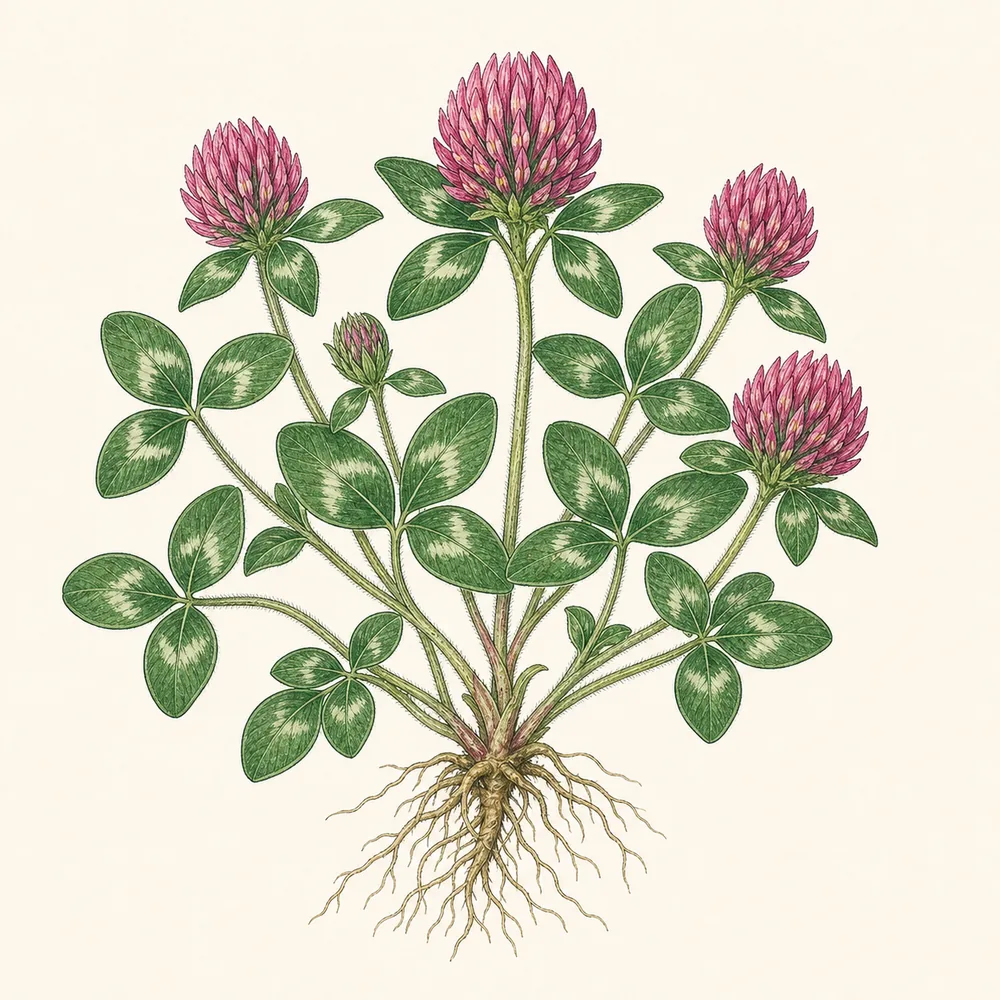
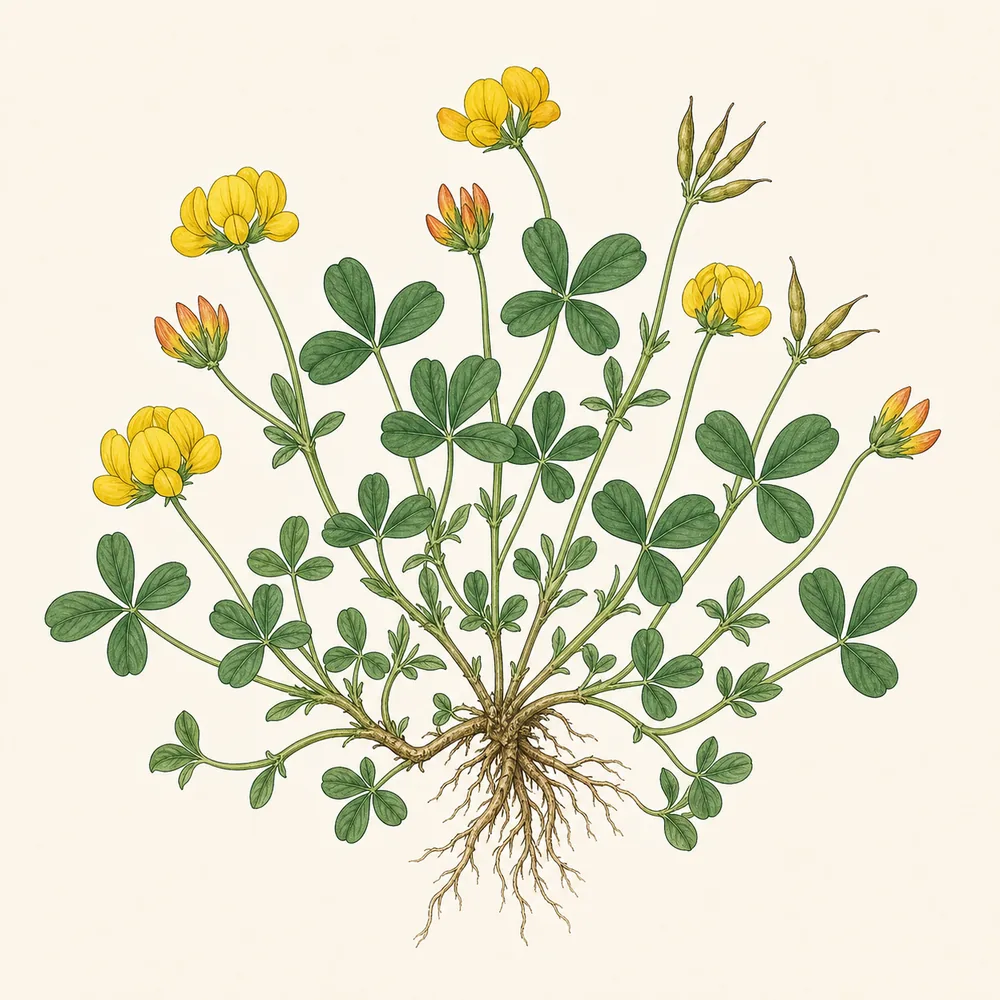
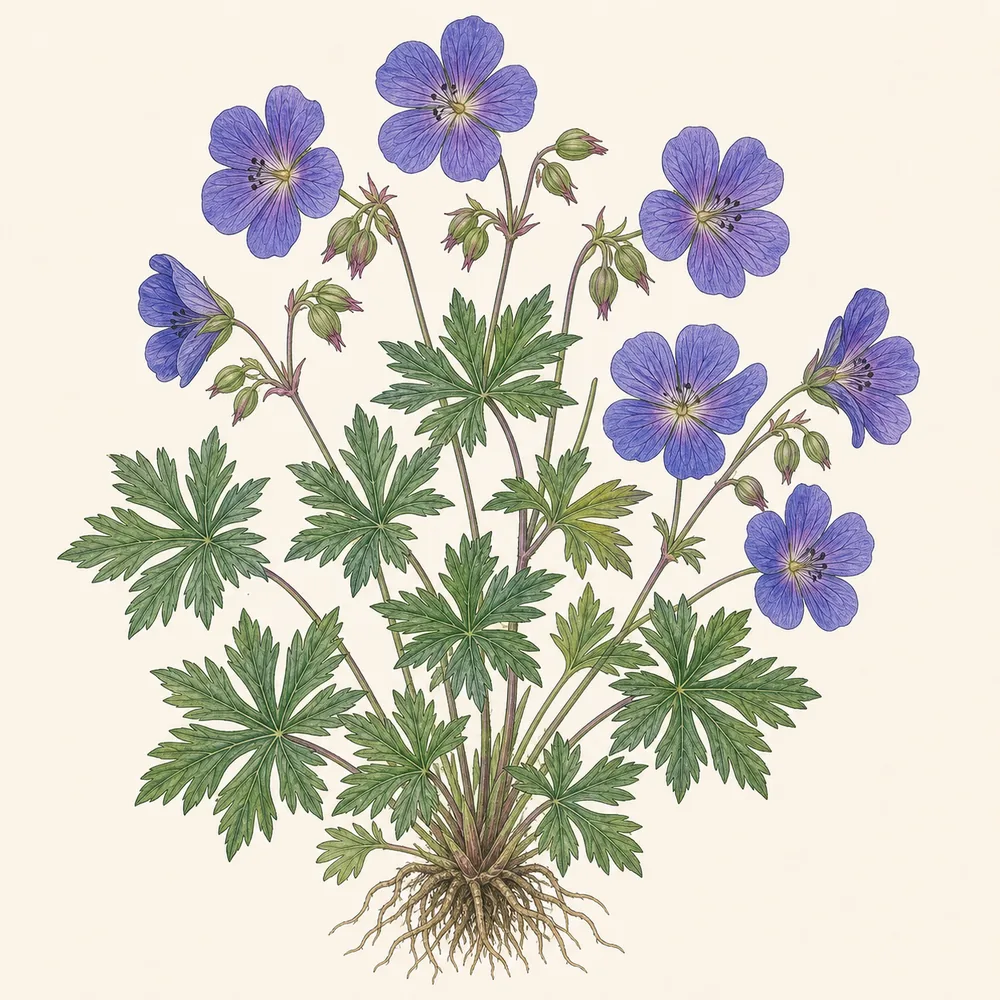
If you like this, try
Other plants with a similar temperament.
How we checked this
Care cross-checked against the RHS. The ASPCA does not list tufted vetch, so its pet-safety is unconfirmed and we have not stamped it safe. If our page and these sources ever disagree, believe them — and tell us.
Sources: RHS · ASPCA — toxic & non-toxic plants
Last reviewed · August 2026