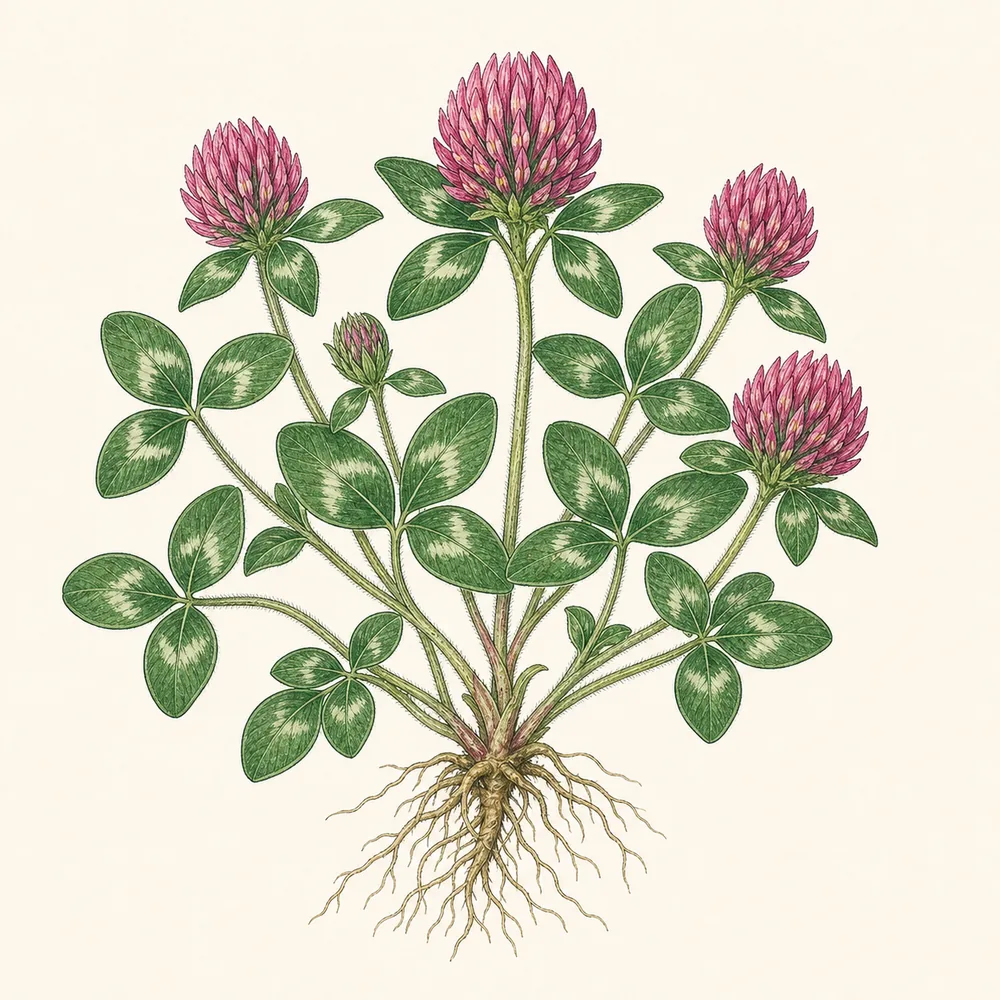
Red Clover
A soft, rounded clover with rosy-pink flowerheads that hum with long-tongued bumblebees from late spring to autumn. It fixes nitrogen, doubles as a green manure, and is one of the easiest native plants to weave into a meadow, a lawn, or a bare patch of the veg plot.
Not listed by ASPCA
The ASPCA doesn't list red clover (Trifolium pratense), so we don't stamp it safe. Note ASPCA lists the related Alsike clover (T. hybridum) as toxic, but not red clover. With no database entry we flag the gap honestly rather than guess.
Care at a glance
Everything that matters, in six lines. The detail is further down.
Light
Flowers best in an open, sunny position, but it copes with a little shade far better than most meadow flowers.
Water
A deep taproot makes it drought-tough once established — no watering needed except through a severe dry spell in its first year.
Hardiness
A hardy British native, tough across the whole UK. It's a short-lived perennial but self-seeds readily to keep going.
Habit
Forms low, spreading clumps rather than climbing. Happy jostling among grasses in a meadow or dotted through a flowering lawn.
Feeding
Another legume that makes its own nitrogen, so never feed it. It actually enriches the ground for the plants growing alongside.
Soil
Unfussy — grows on poor, average or heavier ground so long as it drains. Lean soil gives the best balance of flower to leaf.
What to do, and when
Fresh three-part leaves push up as the ground warms. Sow new seed now if you missed the autumn window; nothing else to do.
Rosy flowerheads open from late spring right through summer, drawing long-tongued bumblebees. Leave it standing to feed them for weeks.
Seed sets and scatters. Cut the meadow, collect the clippings, and sow fresh clover into any thin or bare patches now.
Largely dormant, though a few leaves may sit low through mild spells. Leave the crowns be — they shoot again come spring.
The bumblebee's clover
Red clover is one of the single most important plants for our long-tongued bumblebees — species like the garden and common carder bees whose tongues are just long enough to reach the nectar tucked deep in each floret. Where these bees have declined, the loss of flowering red clover from farmland is a big part of the story.
Plant it and you'll see it working. From late spring the rosy heads are rarely without a bee, and because it flowers over such a long season it fills the gaps when other meadow flowers are over.
A plant that feeds the soil
Like vetch and other legumes, red clover carries nitrogen-fixing bacteria in nodules on its roots, so it makes its own fertiliser and leaves the ground richer than it found it. That's why farmers and gardeners have grown it as a green manure for centuries.
Sow it on a bare veg bed you want to rest, let it grow through a season, then cut it down and dig or hoe it in before it sets seed. The plot gets a free nitrogen boost and a mass of organic matter — no bagged feed required.
Sowing and keeping it going
Sow in autumn or spring, scattering seed thinly onto raked, bare soil and pressing it in — clover seed is tiny and just needs contact, not burying. It germinates fast and establishes in its first year.
Red clover is only a short-lived perennial, often fading after two or three years, but it self-seeds freely if you let some heads ripen. In a meadow, cut and collect in autumn to keep the grass in check and the ground lean enough for the clover to keep coming back.
Common problems
All leaf, few flowers
Too-rich soil, as with all the legumes. Never feed it, and remove meadow clippings each year to strip fertility — flowering picks up as the ground gets leaner.
Short-lived clumps dying out
Red clover naturally fades after a couple of years. Let a few heads set seed each autumn, or resow thin patches, so there's always a new generation coming through.
Powdery mildew in late summer
A white dusting on the leaves in hot, dry spells. Rarely serious — cut affected growth back and the fresh regrowth usually comes clean.
Swamped by vigorous grass
Strong grasses can crowd it out on rich ground. Sow yellow rattle to weaken them, and keep to the cut-and-collect regime to hold the balance.
Everything red clover needs
Open ground, native seed, and a yearly cut-and-collect.
We take no commission on anything in the "save your money" tier — if we don't think you should buy it, we don't link it. How our recommendations work
If you like this, try
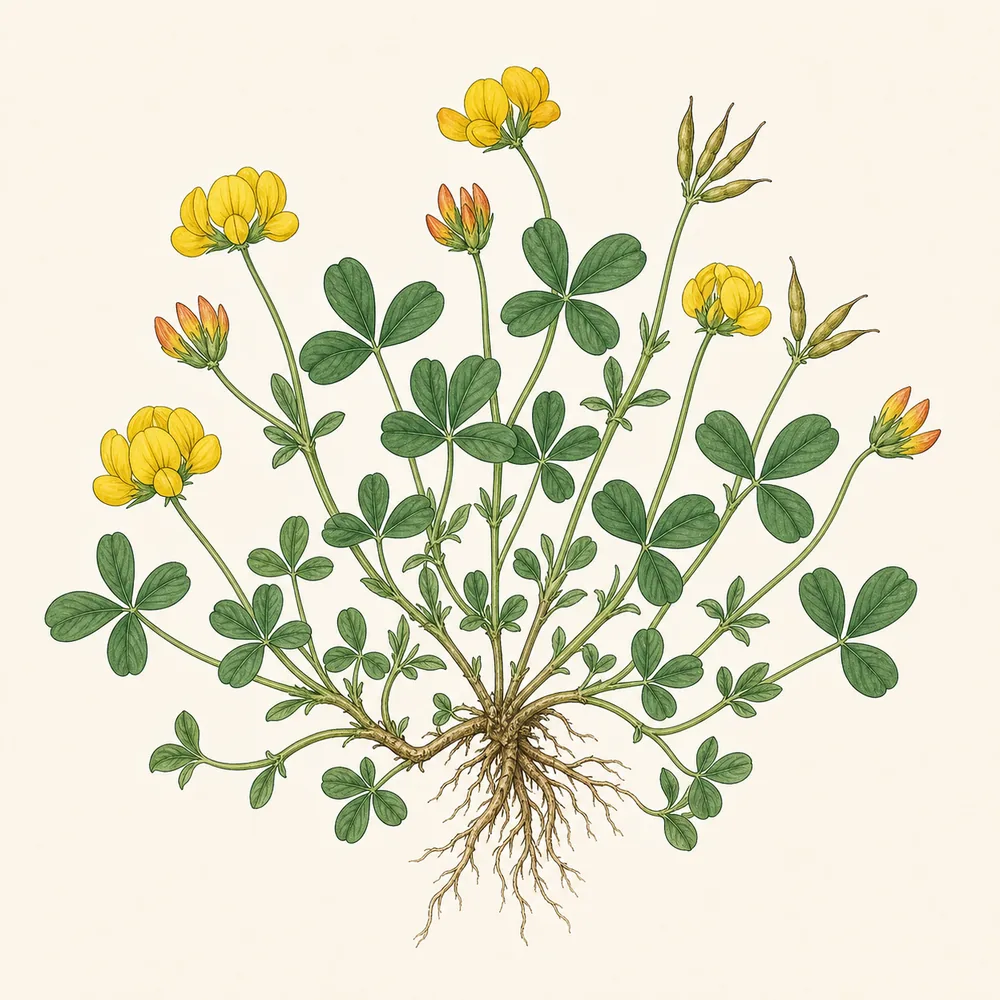
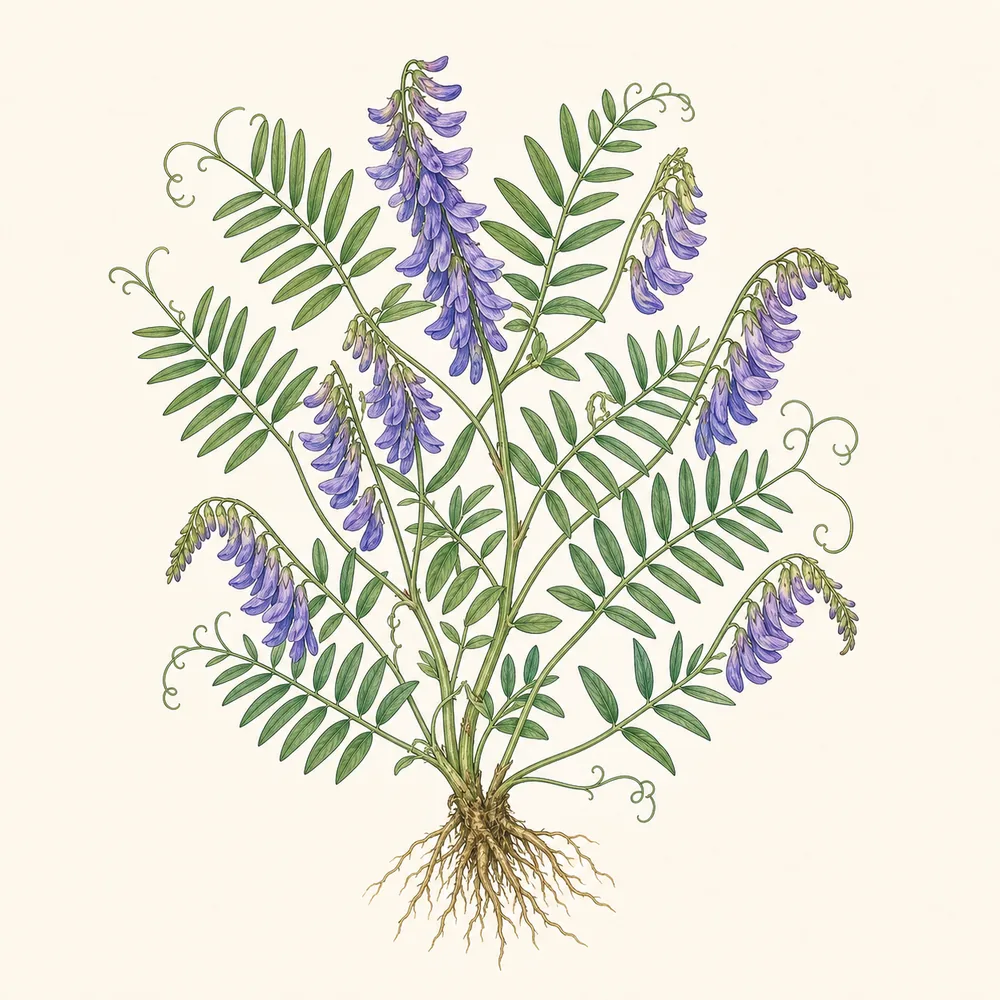
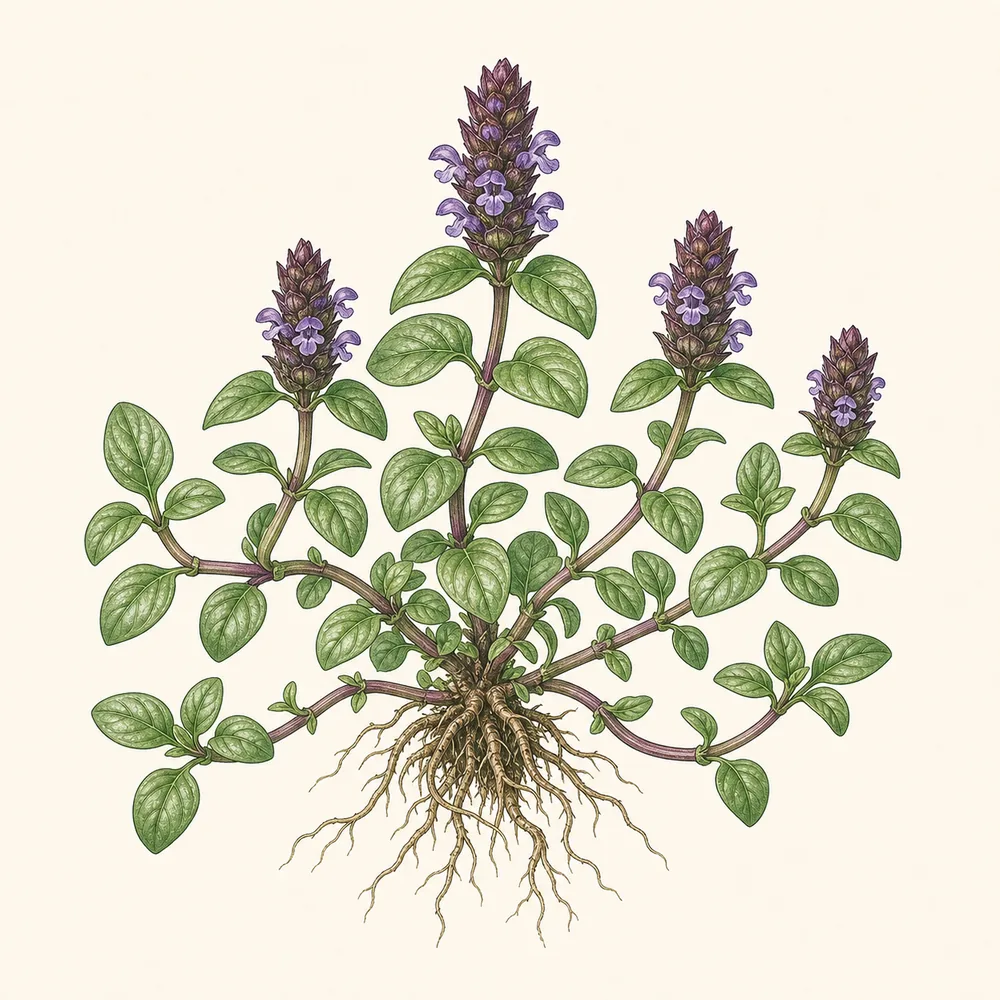
Other plants with a similar temperament.
How we checked this
Care cross-checked against the RHS. The ASPCA does not list red clover (Trifolium pratense), so its pet-safety is unconfirmed and we have not stamped it safe. If our page and these sources ever disagree, believe them — and tell us.
Sources: RHS · ASPCA — toxic & non-toxic plants
Last reviewed · August 2026