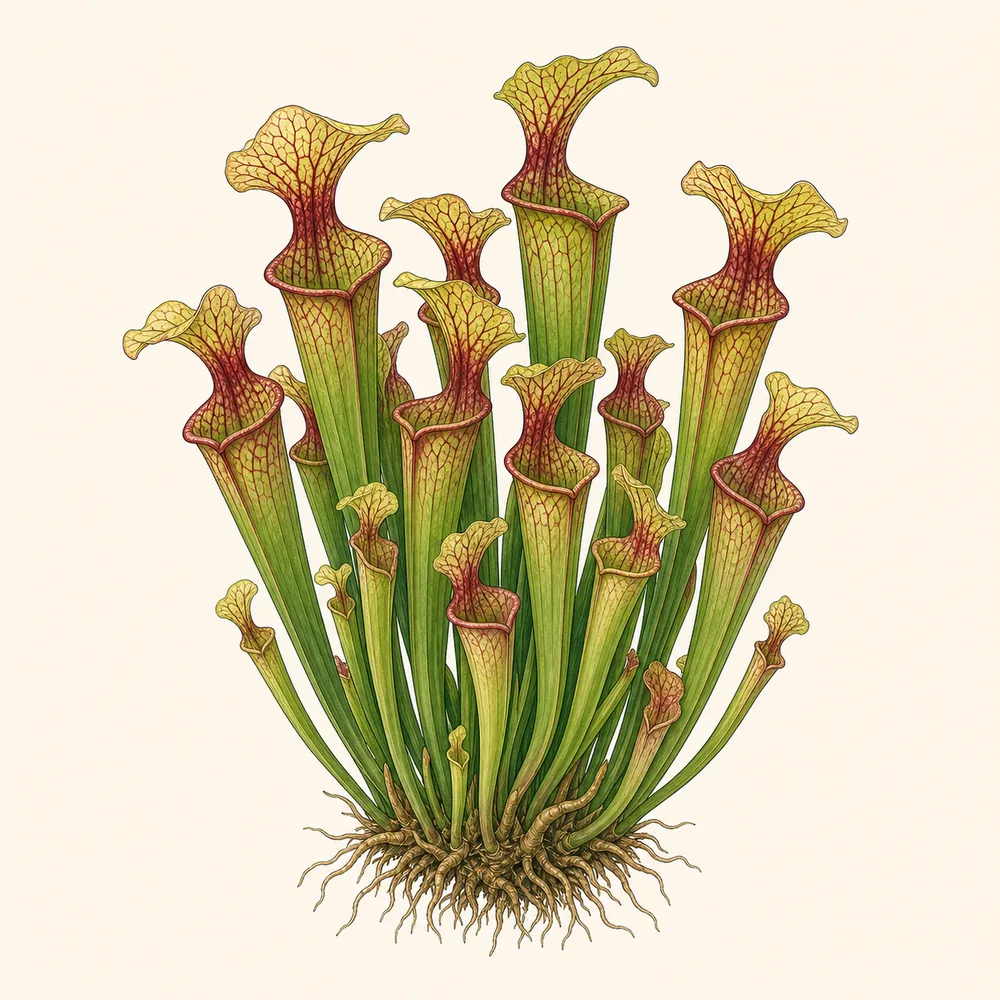
Trumpet Pitcher
Tall, elegant trumpets — often veined red and green — that fill up with drowned insects all summer. Genuinely one of the easiest carnivores to grow, and best treated as a hardy outdoor bog plant: full sun, rainwater, standing wet, and a cold winter rest is all it really asks.
Not listed by ASPCA
The ASPCA doesn't list the trumpet pitcher (Sarracenia) specifically, so we don't stamp it safe. No toxic principle is recorded for it and close relatives are listed non-toxic, but with no database entry for this species we flag the gap honestly rather than assume.
Care at a glance
Everything that matters, in six lines. The detail is further down.
Light
The more direct sun the better — full sun outdoors gives tall, well-coloured trumpets. In poor light the pitchers stay short, floppy and green, so give it the sunniest spot you have.
Water
Only rainwater, distilled or RO water — never tap. Stand the pot permanently in a tray of it through the growing season; unlike a Nepenthes it's a true bog plant and likes to sit wet.
Temperature
Fully hardy in most of the UK and it must have a cold winter dormancy — so it's happiest grown outdoors year-round. Kept warm all year it slowly exhausts itself.
Humidity
Ordinary outdoor humidity is plenty — it doesn't need a terrarium or misting. Sun, wet roots and fresh air matter far more than damp air.
Feeding
Never add fertiliser to the mix; the trumpets fill themselves with insects, which is all the feeding it needs. Outdoors it catches so many it barely keeps up — you never have to feed it yourself.
Soil
A nutrient-poor, wet mix — peat-free carnivorous compost, or sphagnum and perlite. Never ordinary potting compost, whose nutrients will scorch and kill the roots.
What to do, and when
It wakes with flowers first — curious nodding blooms — then the new season's pitchers. Move it into full sun, keep it standing in rainwater, and repot or divide now if needed, before growth speeds up.
Full growth and hunting. In sun, sitting in a tray of rainwater, it throws up tall trumpets and fills them with insects. Keep the tray topped up and let it get on with it.
Pitchers start to brown and the plant winds down. Ease off the standing water so it's just damp, and leave the old growth on for now — it protects the crown through winter.
Dormancy. It's hardy, so leave it outdoors somewhere sheltered, just damp rather than flooded, and let it rest cold. Tidy off collapsed brown pitchers in late winter before new growth begins.
Treat it as an outdoor bog plant
Sarracenia are often sold as houseplants, but they're really hardy bog plants and do far better outdoors, where they get the full sun and the cold winter they're built for. A sunny patio, a bog garden, or a pot standing in a water tray outside all suit it better than any windowsill.
The recipe is simple: full sun, standing in rainwater, in a nutrient-poor mix. Get those three right and it's one of the most rewarding and forgiving carnivores you can grow.
Rainwater and the tray method
As with all carnivores, tap water is out — the dissolved minerals accumulate and kill it. Use rainwater, distilled or RO water only, and because it's a genuine bog plant it likes to sit wet.
Stand the pot in a tray of rainwater a few centimetres deep through spring and summer and keep it topped up; the plant drinks from below and the crown stays wet. Ease this back over autumn so it's merely damp for its winter rest.
It needs the winter cold
Like the flytrap, Sarracenia comes from cold-winter bogs and needs a proper dormancy — a few months of cold each winter. Being hardy, it's happy left outside in a sheltered spot; there's no need to bring it in, and doing so, keeping it warm, is what causes long-term decline.
Through winter the pitchers brown and flop, which is entirely normal. Leave them on to shelter the crown from frost and cut them back only in late winter, just before the new season's growth and flowers appear.
Common problems
Short, floppy, all-green pitchers
Not enough sun. Move it into full sun — outdoors is best — and the new trumpets will grow taller, firmer and better coloured.
Whole plant declining over a year or two
Usually tap water or no winter dormancy. Switch to rainwater and let it rest cold outdoors each winter.
Pitchers browning in autumn
Normal seasonal die-back as it heads for dormancy. Leave the old growth to protect the crown and tidy it off in late winter.
Greenfly on new growth
Aphids sometimes cluster on soft spring pitchers. Rinse them off or wipe them away — avoid ordinary insecticides and never use systemic feeds near a carnivore.
Everything a trumpet pitcher needs
Full sun, rainwater, a bog mix, and a cold winter outdoors.
We take no commission on anything in the "save your money" tier — if we don't think you should buy it, we don't link it. How our recommendations work
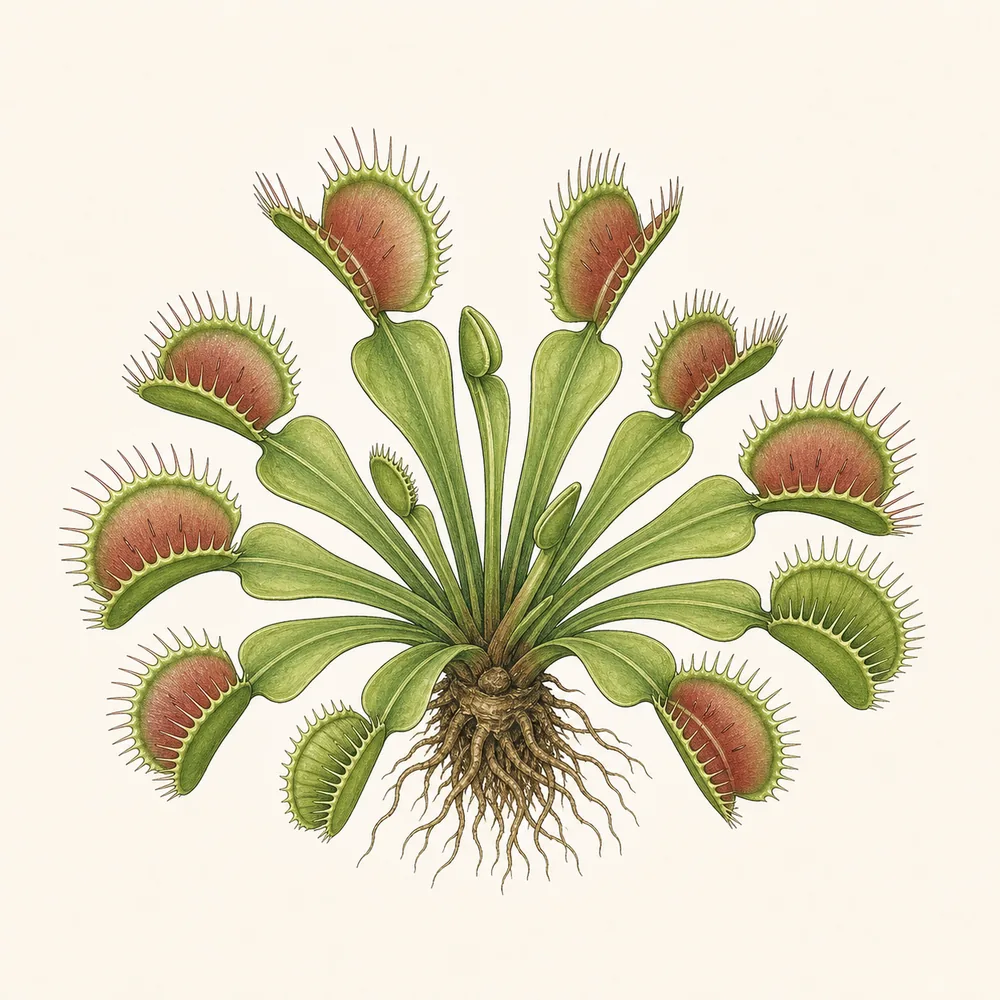
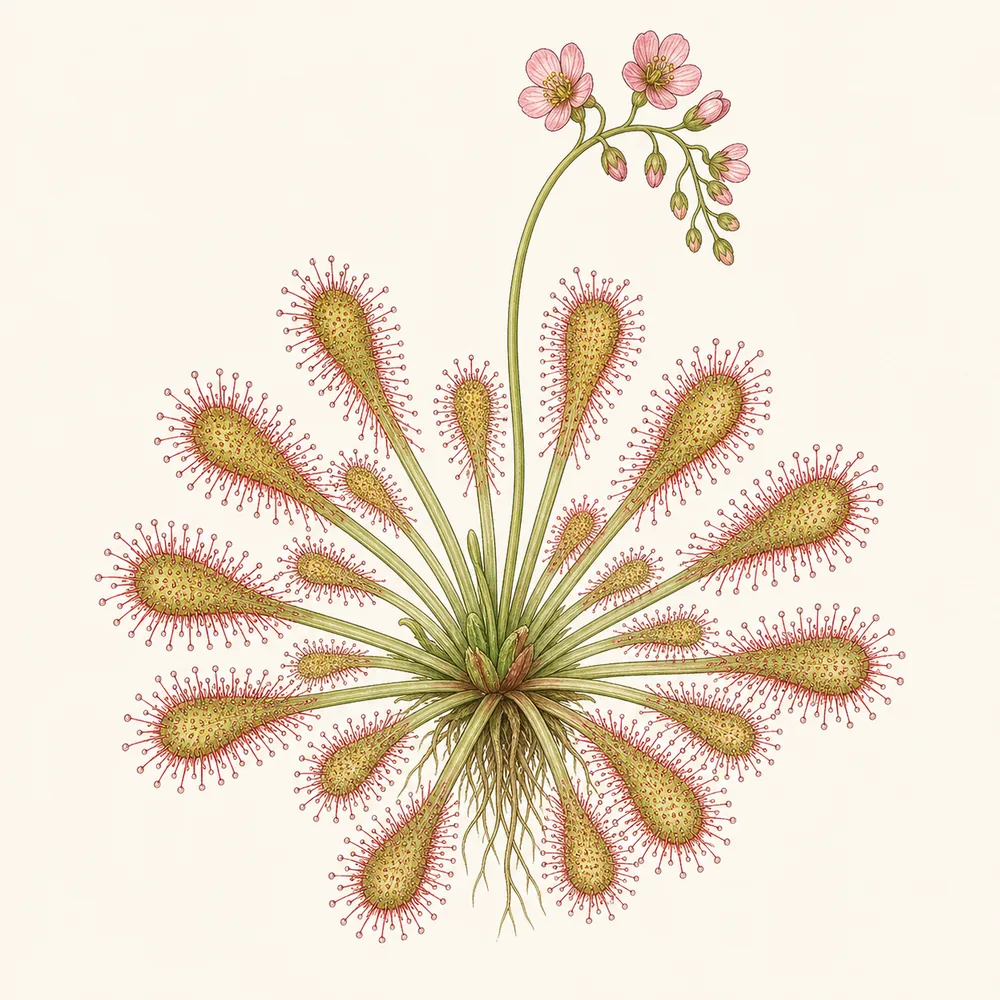
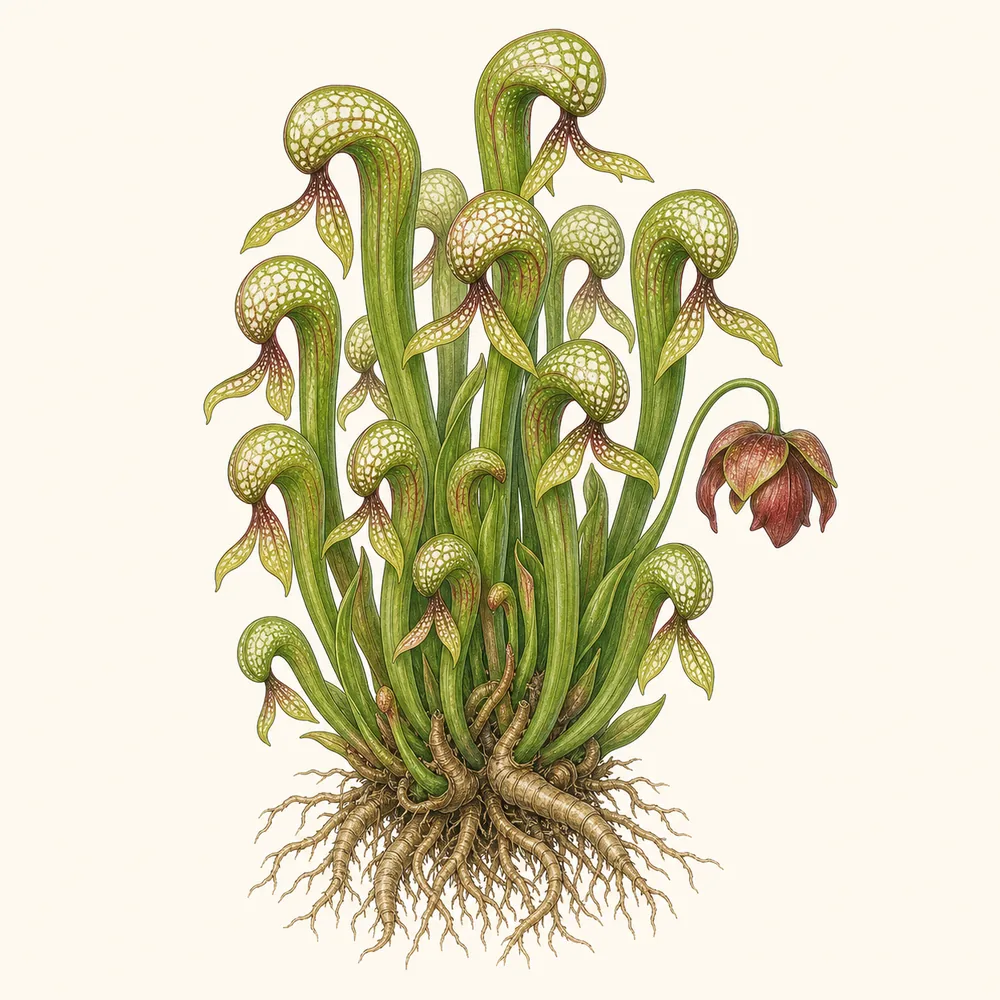
If you like this, try
Other plants with a similar temperament.
How we checked this
Care cross-checked against the RHS. The ASPCA does not list the trumpet pitcher (Sarracenia), so its pet-safety is unconfirmed and we have not stamped it safe. If our page and these sources ever disagree, believe them — and tell us.
Sources: RHS · ASPCA — toxic & non-toxic plants
Last reviewed · July 2026