Tomato
Not difficult, exactly — just relentless. Keep up with the watering, feeding and side-shooting from June to September and you'll be swimming in fruit that makes supermarket tomatoes taste like wet cardboard.
Foliage toxic to pets — the ripe fruit is fine
The leaves and stems (and green, unripe fruit) contain the alkaloids solanine and tomatine. Pets that eat foliage can show drooling, loss of appetite, stomach upset, weakness, dilated pupils and a slowed heart rate — the ASPCA lists it as toxic to cats, dogs and horses. Ripe red fruit is non-toxic. Serious poisonings are rare, but site plants away from determined nibblers.
Care at a glance
Everything that matters, in six lines. The detail is further down.
Position
The sunniest, warmest spot you have — a south-facing wall, patio or greenhouse. 45–60 cm between plants.
Water
Keep the compost evenly moist. Erratic watering — drought then deluge — causes split fruit and blossom end rot.
Feeding
Start once the first fruits are swelling: a high-potassium liquid feed every 10–14 days for container plants.
Soil
Peat-free multipurpose in a 30 cm+ pot or growbag (two plants per bag), or well-fed garden soil.
Harvest
Pick fruits individually as they colour fully, stalk attached. Ripen the late green ones indoors.
Hardiness
A tender plant grown as a summer annual. Nothing goes outside until frosts are done, usually late May to early June.
What to do, and when
Sow late February to mid March for greenhouse crops, late March to early April for outdoors — around 18 °C on a windowsill or in a propagator. Prick out into pots, keep in good light, and harden plants off in late May.
Plant out in early June once nights are reliably mild. Then the rhythm: water consistently, pinch out cordon side-shoots weekly, tie in the main stem, and feed every 10–14 days once fruits start to swell. Stop outdoor cordons after four trusses.
Race the weather. Pick everything as it colours, and strip remaining green fruit before the first frost to ripen indoors — a banana in the bowl speeds it up. Compost healthy plants; bin or burn anything blighted.
The armchair season: browse seed catalogues, pick next year's varieties (one reliable cherry, one experiment is a good rule), and wash pots, canes and greenhouse glass to kill overwintering problems.
Erratic watering — the way most tomatoes go wrong
Tomatoes rarely die of neglect; they just produce ruined fruit. The two classic heartbreaks — blossom end rot (leathery black-brown patches on the base of the fruit) and split, cracked skins — are both caused by the same thing: watering that lurches between drought and deluge. Blossom end rot isn't a disease at all; it's a calcium shortage inside the fruit caused by inconsistent moisture, and no spray fixes it.
The cure is boring consistency. Check containers daily in warm weather (a growbag in a July heatwave can need watering every day), water the compost rather than the leaves, and never let plants wilt before you top them up. Sinking a small empty pot beside each plant and watering into it sends every drop to the roots.
Sowing — and why later beats earlier
Sow late February to mid March if the plants are headed for a greenhouse, or late March to early April for growing outdoors. Seed germinates at around 18 °C — a warm windowsill with the pot in a loose plastic bag works as well as a propagator. Prick seedlings out into their own pots once the first true leaves appear.
The classic beginner error is sowing in January: you get leggy, light-starved plants queuing indoors for months, and they're overtaken by April-sown ones anyway. UK tomatoes can't go out until frosts finish — usually late May in the south, early June further north — after a week or two of hardening off.
Cordon or bush — know which you've got
Most popular varieties ('Gardener's Delight', 'Sungold', 'Alicante') are cordons: one main stem tied to a cane, with every side-shoot that sprouts between a leaf and the stem pinched out weekly while it's small. Left alone, those side-shoots turn the plant into an unproductive thicket. Stop cordons by pinching the growing tip two leaves above the top truss — after about four trusses outdoors, six or seven in a greenhouse.
Bush varieties ('Tumbler', 'Red Alert') need none of that — no side-shooting, no stopping, just a cane or basket to flop on. If weekly fiddling isn't your idea of relaxation, buy a bush type and skip the ritual entirely.
Feeding & the harvest
Once the first fruits are swelling, feed container plants every 10–14 days with a high-potassium liquid feed — potash is what drives flowering and fruit. Plants in good garden soil often need little or none. More feed is not more fruit: overdo the nitrogen and you get lush leaves and a poor crop.
Pick each fruit as it colours fully, with the stalk attached, and taste it warm from the plant at least once — that's the whole reason for the exercise. At season's end, ripen green stragglers in a drawer or fruit bowl indoors.
Common problems
Blossom end rot
Dark, sunken patches on the fruit base — a calcium shortfall caused by erratic watering, not disease. Water consistently and the next trusses will be fine.
Split & cracked fruit
A sudden soak after a dry spell makes the flesh swell faster than the skin. Even watering prevents it; split fruit is still fine to eat quickly.
Blight
Brown patches on leaves and stems that collapse the plant in warm, wet spells — the main outdoor threat from midsummer. Pick off early signs, and bin (never compost) infected plants.
Whitefly
Clouds of tiny white insects under greenhouse leaves, weakening plants and leaving sticky honeydew. Yellow sticky traps and the parasitoid Encarsia work well under glass.
Everything a tomato crop needs
One of the cheapest crops to do properly — most of the 'tomato' products on the shelf are ordinary kit with a tomato on the label.
We take no commission on anything in the "save your money" tier — if we don't think you should buy it, we don't link it. How our recommendations work
If you like this, try
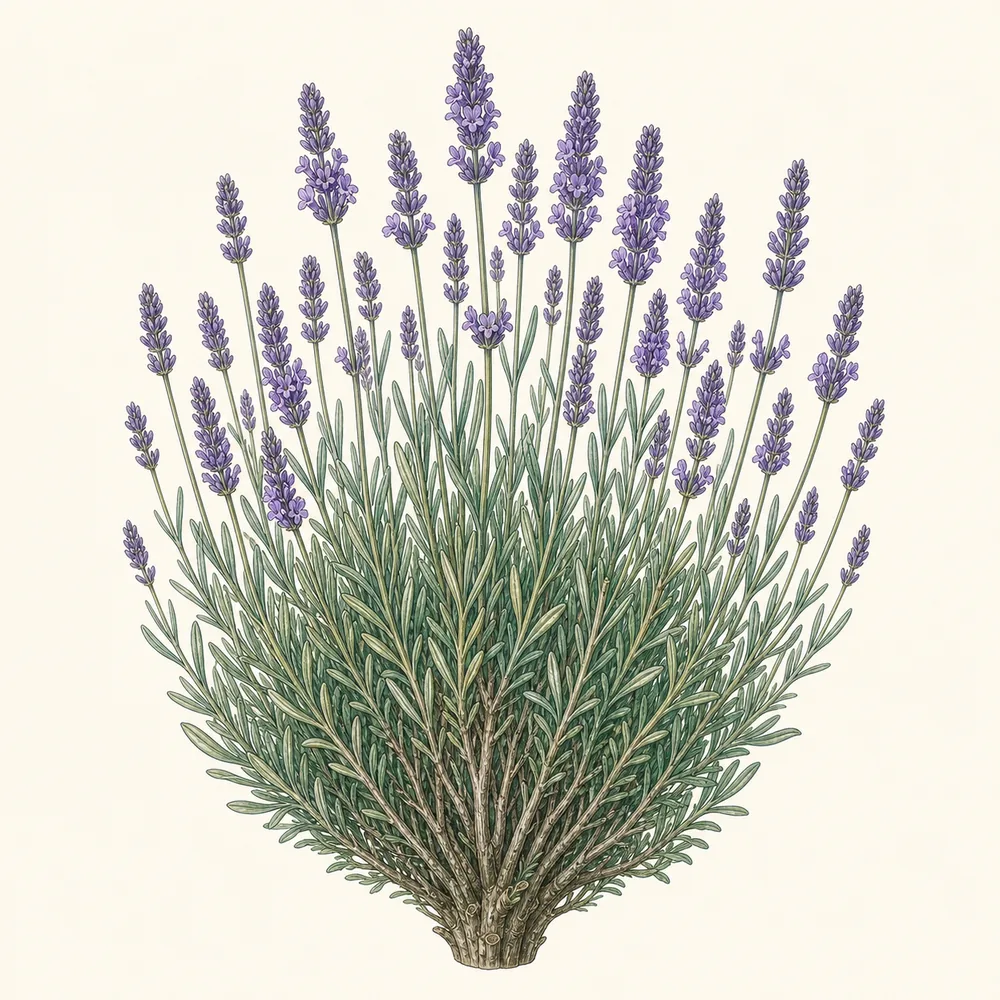
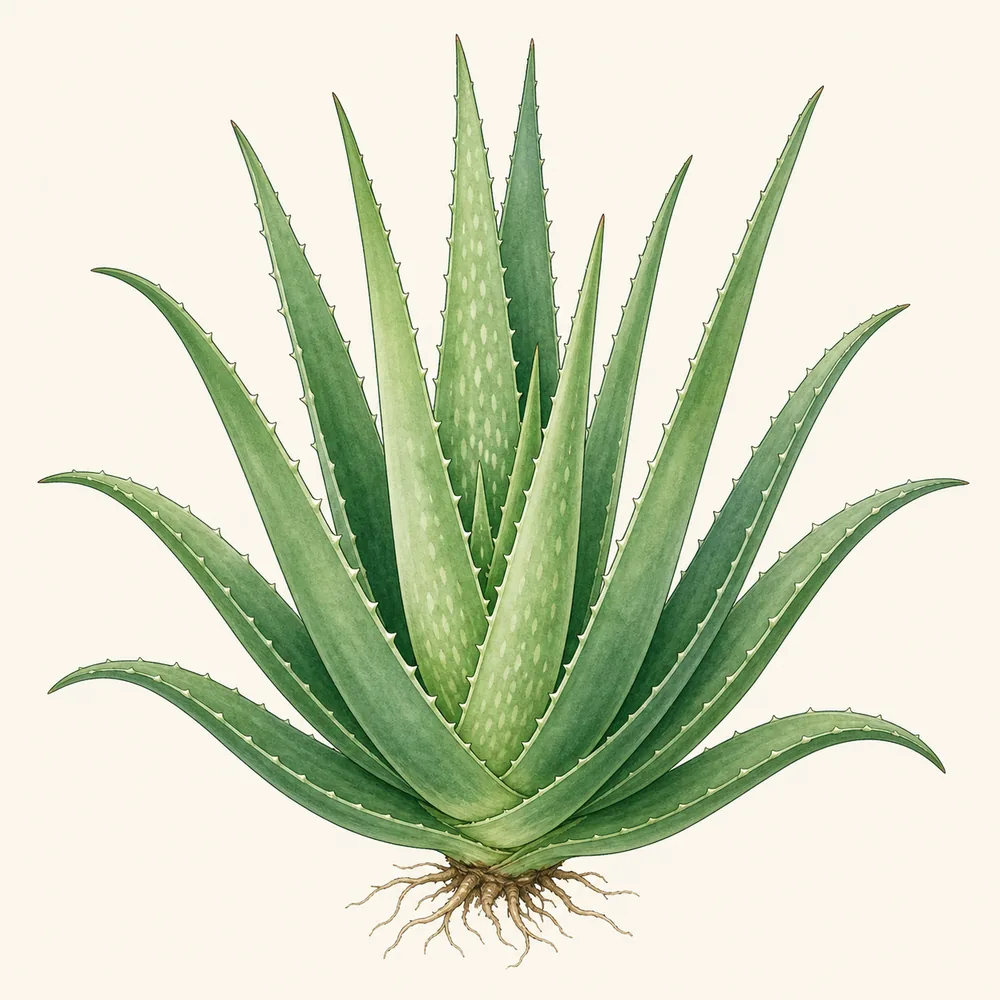
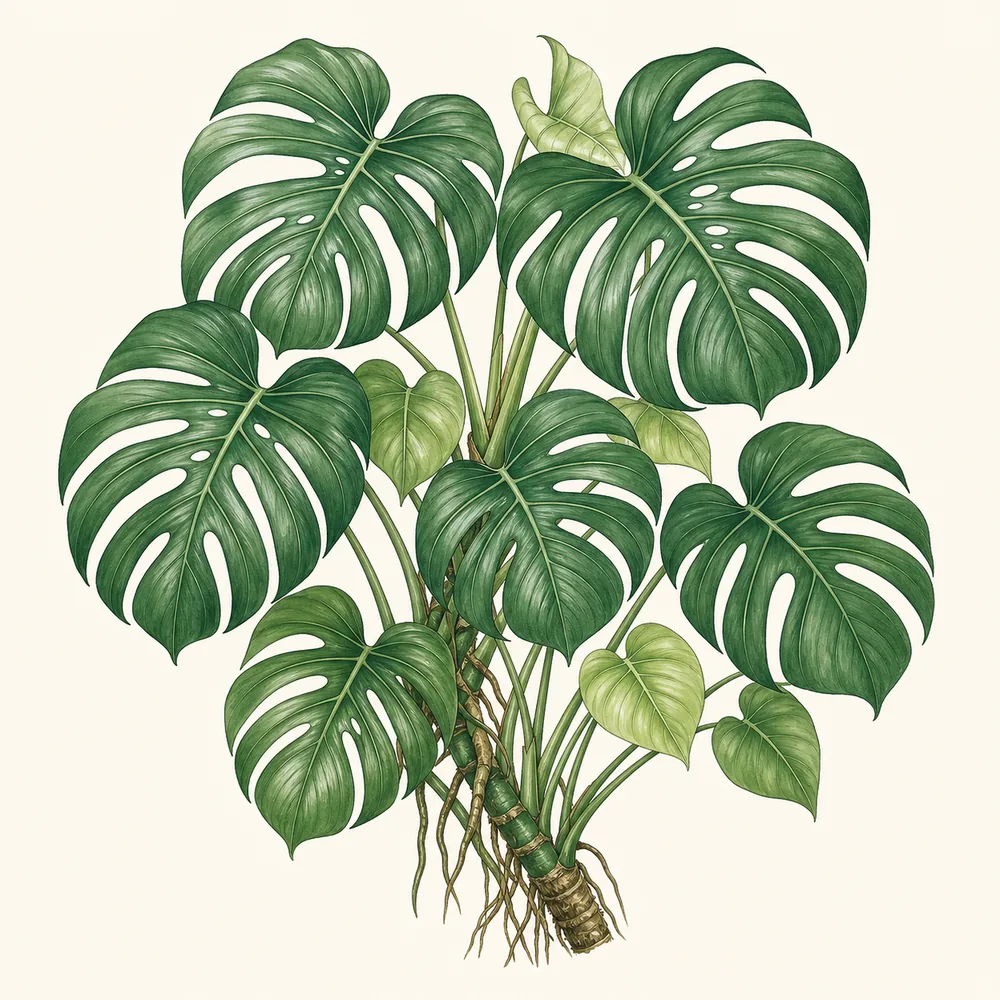
Other plants with a similar temperament.
From the Notebook
Seasonal notes and guides that mention the tomato.
How we checked this
Growing calendar and cultivation cross-checked against the Royal Horticultural Society's tomato growing guide; toxicity verified against the ASPCA (toxic to cats, dogs and horses; toxic principle solanine; ripe fruit non-toxic) and NC State Extension, which lists the alkaloids tomatine and solanine in leaves and stems. Accepted botanical name Solanum lycopersicum (formerly Lycopersicon esculentum). If our page and these sources ever disagree, believe them — and tell us.
Sources: RHS · NC State Extension · ASPCA
Last reviewed · July 2026