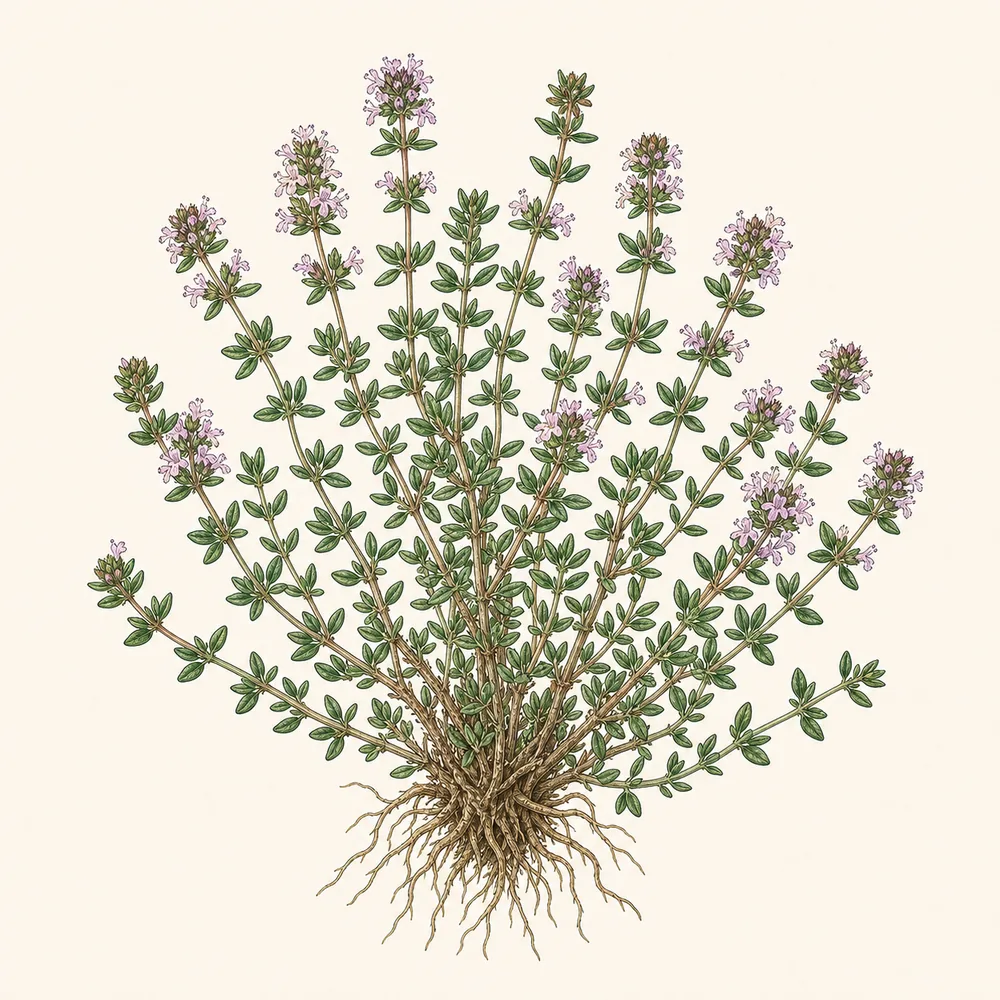
Thyme
A low, aromatic evergreen cushion that shrugs off drought, poor soil and being walked on — the easiest of the Mediterranean herbs and a magnet for bees. Fresh thyme all year, ground-cover for a sunny gap, and pet-safe into the bargain.
Safe around cats & dogs
Thyme is listed as non-toxic to cats, dogs and horses on the ASPCA database. It's a genuinely safe, useful herb to grow in a family garden — a nibble is harmless, and the worst a greedy pet risks is a mild upset stomach from overdoing it.
Care at a glance
Everything that matters, in six lines. The detail is further down.
Position
The hotter and sunnier the better — gravel gardens, wall tops, cracks in paving. Shade makes it leggy and weak.
Soil
Gritty and lean is ideal. Rich or heavy wet soil is the only thing it won't tolerate.
Water
Drought-proof once established. Overwatering, especially in pots, is the main way people kill it.
Feeding
Feeding ruins it — soft growth, less flavour, shorter life. Poor soil is what it's built for.
Trimming
Clip lightly once the flowers fade to keep the cushion tight and stop it going woody in the middle.
Hardiness
Hardy in well-drained ground. As with rosemary, it's winter wet, not cold, that finishes it off.
What to do, and when
New growth greens up the cushion. Divide or replace tired old clumps now, and sow or plant new thyme into gritty ground.
A haze of pink or white flowers alive with bees. Harvest freely; shear lightly once flowering ends to keep it neat.
Little to do. Make sure pots aren't sitting wet as the rains come; sharp drainage is its winter insurance.
Evergreen — keep picking. Cold is fine; sodden roots are not, so keep containers off waterlogged ground.
The herb that likes being neglected
Thyme is the plant to grow if you kill everything else. It evolved on baking, stony Mediterranean hillsides, so the 'care' that kills most plants — rich soil, regular water, feeding — is exactly what it hates. Plant it in poor, gritty, sun-baked ground, then essentially ignore it.
It's tough enough to plant between paving slabs or along a path edge, where brushing past releases the scent, and creeping varieties make fragrant, walkable ground cover. The one job worth doing is a light trim after flowering, which stops the cushion going bare and woody in the middle.
Kitchen thyme, and bee thyme
Common thyme (Thymus vulgaris) is the one for cooking — the classic bouquet-garni herb, brilliant with roast vegetables and slow-cooked dishes, and available fresh straight off the plant in the depths of winter when the annual herbs are long gone.
It's also one of the best bee plants you can grow for its size: in summer the whole cushion hums. If you have a hot, dry, awkward spot — a sunny bank, a gravel path, the top of a wall — a few thyme plants turn it into something useful, fragrant and alive with pollinators, for almost no effort or cost.
Common problems
Brown, bare, woody middle
Age and no trimming. Shear lightly each summer; divide the living edges or take cuttings to renew it.
Leggy, sparse growth
Too much shade or too rich a soil. Move to full sun and poorer, grittier ground.
Rotting in winter
Wet roots. Improve drainage; grow in gritty pots kept off saturated ground in damp gardens.
Little scent or flavour
Over-fed or too shaded. Stop feeding and give it more sun — stress is what concentrates the oils.
Everything thyme needs
Possibly the cheapest, lowest-effort herb on the site. Grit, sun, and leave it alone.
We take no commission on anything in the "save your money" tier — if we don't think you should buy it, we don't link it. How our recommendations work
If you like this, try
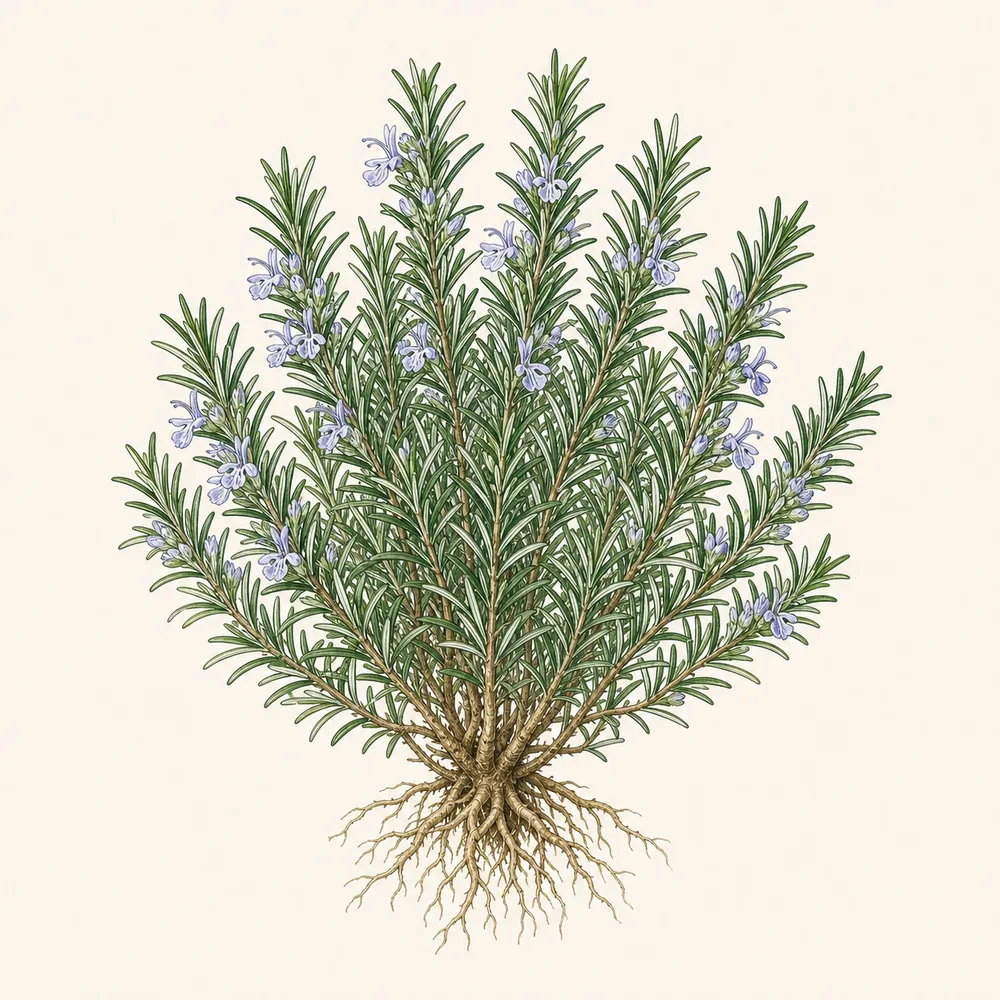
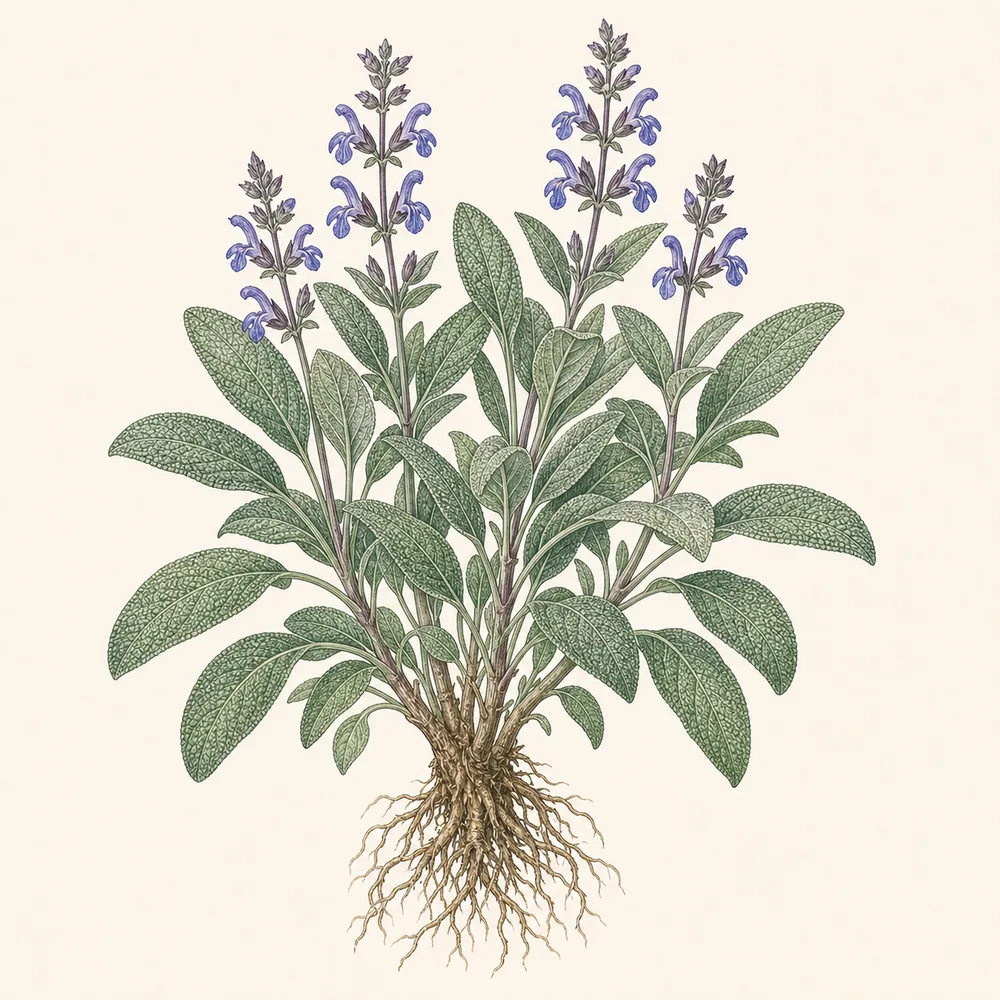
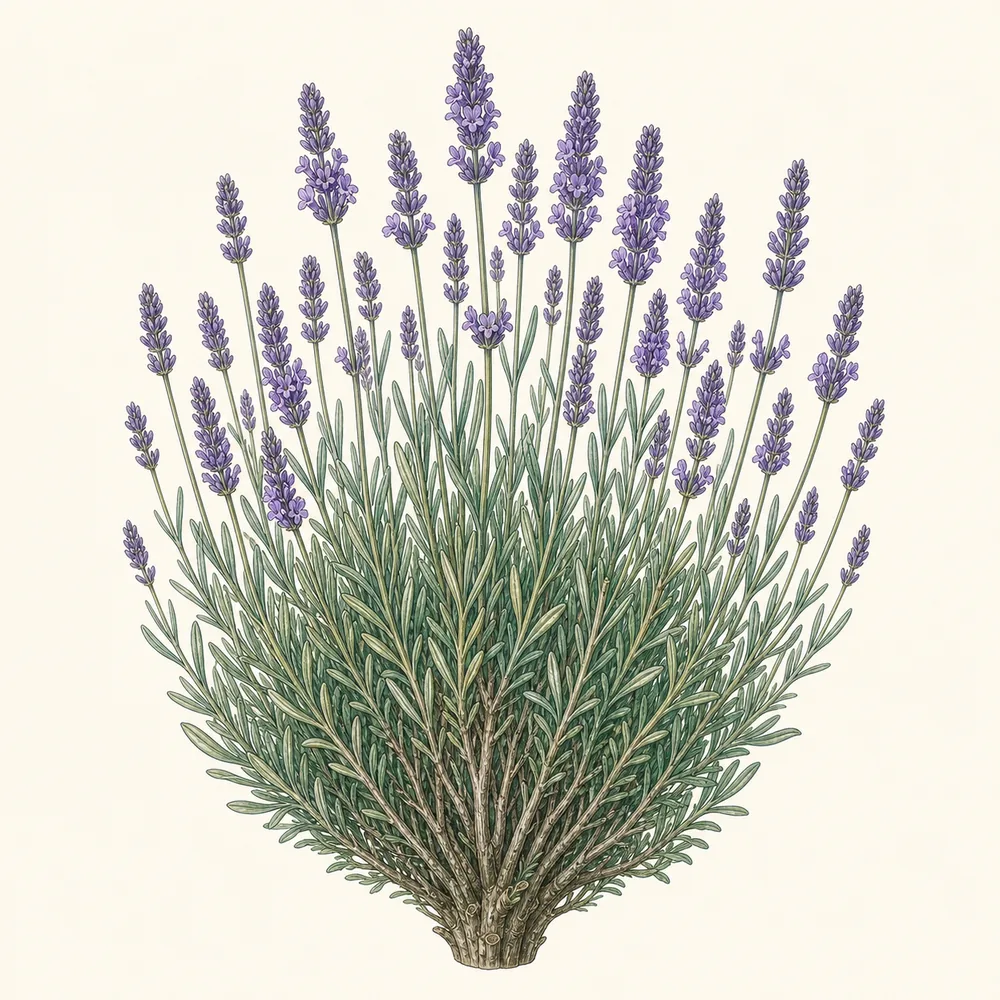
Other plants with a similar temperament.
From the Notebook
Seasonal notes and guides that mention the thyme.
How we checked this
Care guidance cross-checked against the Royal Horticultural Society and NC State Extension. Pet-safety confirmed against the ASPCA database, which lists thyme (Thymus vulgaris) as non-toxic to cats, dogs and horses. If our page and these sources ever disagree, believe them — and tell us.
Sources: RHS · NC State Extension · ASPCA
Last reviewed · July 2026