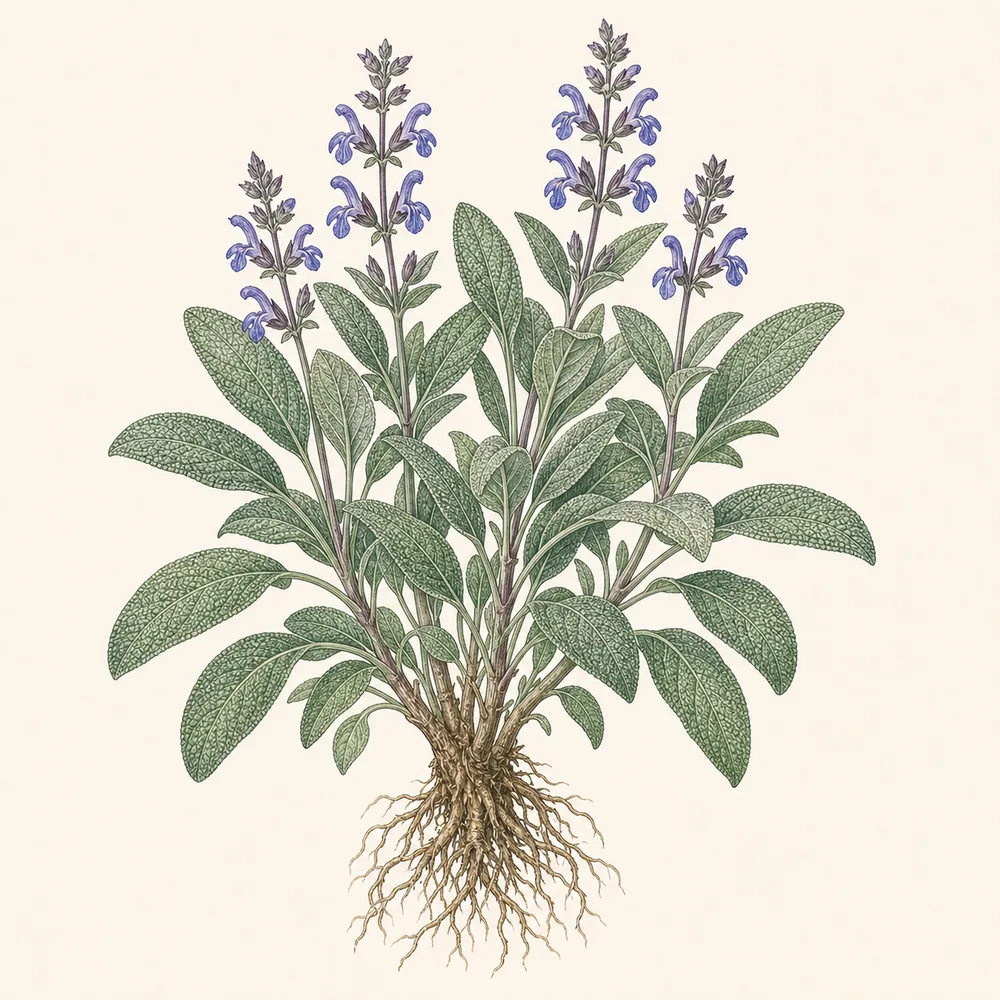
Sage
Soft, grey-green, velvety leaves with a savoury punch — the herb of stuffing, saltimbocca and buttered gnocchi, and a handsome evergreen shrub in its own right. Like its Mediterranean cousins, sage asks only for sun and drainage, and gives back fresh leaves all year.
Safe around cats & dogs
Common sage is listed as non-toxic to cats, dogs and horses on the ASPCA database. A safe, aromatic herb for a family or pet garden — a chewed leaf is harmless, and only serious over-indulgence might cause a passing stomach upset.
Care at a glance
Everything that matters, in six lines. The detail is further down.
Position
A warm, sunny, sheltered spot for the best flavour and a compact, healthy bush. It tolerates a little shade grudgingly.
Soil
Sharp drainage above all. Heavy, wet soil rots it, especially over winter.
Water
Water new plants in dry spells their first summer; established sage is drought-tolerant and dislikes wet roots.
Feeding
A lean diet keeps the growth firm and flavourful. Rich feeding gives soft, floppy, disease-prone shoots.
Pruning
Cut back lightly in spring as growth starts to keep it bushy — but avoid cutting into old bare wood, which is slow to reshoot.
Hardiness
Hardy in well-drained soil. The purple and variegated forms are a touch more tender; wet cold is the real enemy.
What to do, and when
The time to prune — trim lightly as new growth begins to keep the bush compact. Plant new sage now, and take cuttings later in the season.
Spikes of purple-blue flowers draw bees; harvest leaves freely. Take softwood cuttings to replace ageing plants.
Wind down watering and feeding. Ensure pots and plants aren't sitting in wet ground as the rains set in.
Evergreen — keep picking leaves for the roasts. Sharp drainage is what carries it through a wet British winter.
A herb that's also a good shrub
Sage earns its place twice over: as a year-round kitchen herb and as a genuinely attractive evergreen for a sunny border. The soft grey foliage sets off greener plants beautifully, the summer flower spikes are loved by bees, and the coloured forms — purple sage, the cream-splashed variegated types, the pink-and-cream 'Tricolor' — are as ornamental as many plants grown purely for looks.
Grow it as you would rosemary and thyme: full sun, sharp drainage, poor-ish soil, and very little fuss. Get those right and it's a handsome, useful, low-effort plant for years.
Keeping it young
Sage bushes grow leggy and woody after three or four years, flowering less and looking tired. The gentle fix is an annual light prune in spring, which keeps them compact — but never cut hard into the old bare wood, as sage is reluctant to reshoot from it.
The real answer is renewal. Sage roots easily from softwood cuttings taken in early summer: short non-flowering shoots pushed into gritty compost will root in a few weeks. A couple each year means you always have a fresh young bush ready to take over, and plenty to pass on.
Common problems
Woody, sprawling, sparse
Age. Prune lightly each spring to delay it, and grow on cuttings to replace old plants every few years.
Rotting or dying back in winter
Wet roots in cold soil. Improve drainage; grow tender coloured forms in gritty pots kept off wet ground.
Soft, floppy, mildew-prone growth
Too rich a soil or too much shade. Give it lean soil and full sun for firm, healthy leaves.
Powdery white on the leaves
Mildew, usually from dry roots plus poor airflow. Space plants, improve drainage, water the base in droughts.
Everything sage needs
The Mediterranean-herb formula again: sun, grit, and restraint.
We take no commission on anything in the "save your money" tier — if we don't think you should buy it, we don't link it. How our recommendations work
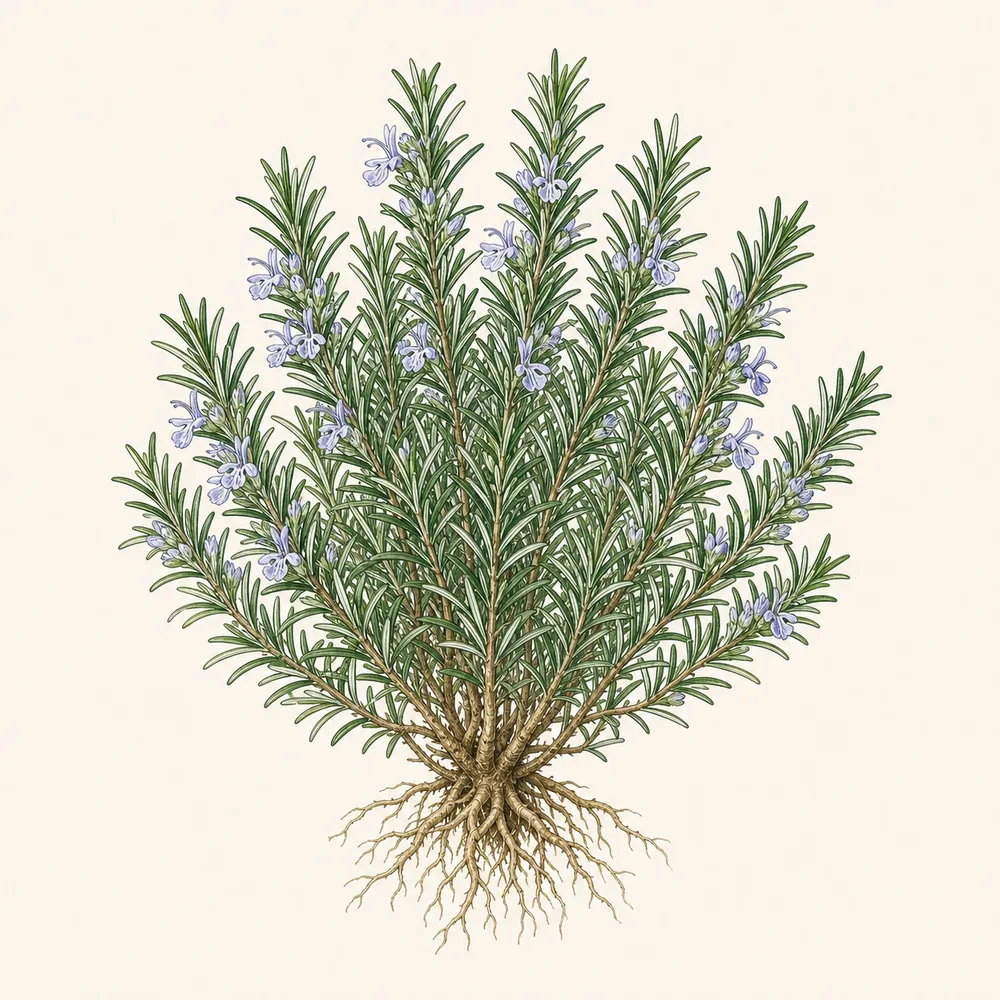
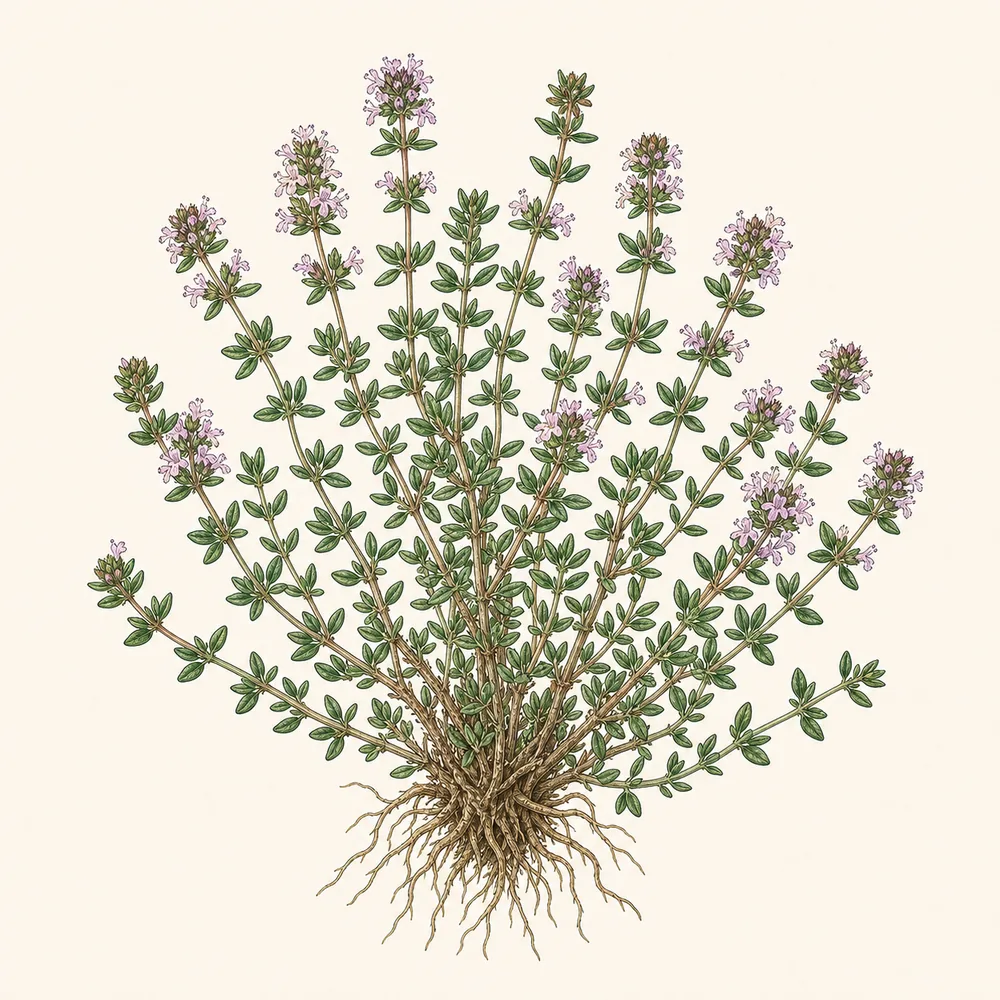
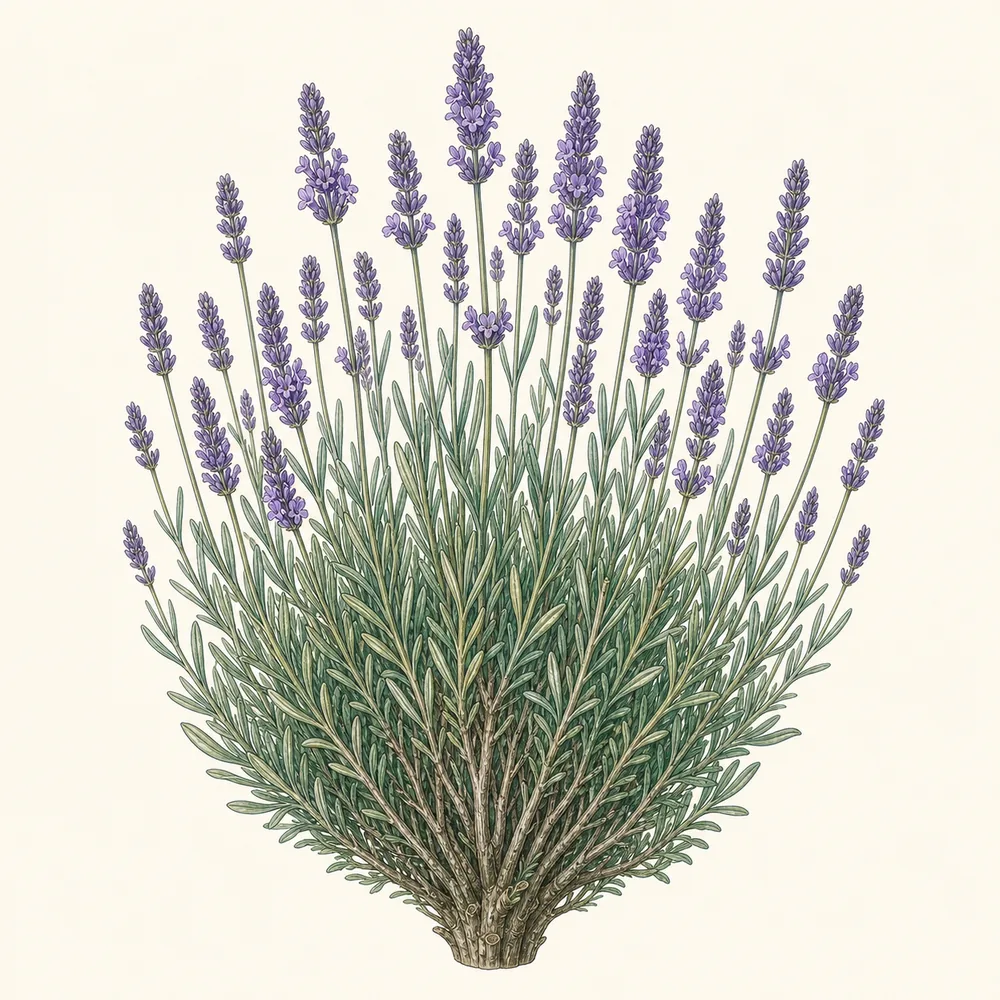
If you like this, try
Other plants with a similar temperament.
From the Notebook
Seasonal notes and guides that mention the sage.
How we checked this
Care guidance cross-checked against the Royal Horticultural Society and NC State Extension. Pet-safety confirmed against the ASPCA database, which lists common/garden sage (Salvia officinalis) as non-toxic to cats, dogs and horses. If our page and these sources ever disagree, believe them — and tell us.
Sources: RHS · NC State Extension · ASPCA
Last reviewed · July 2026