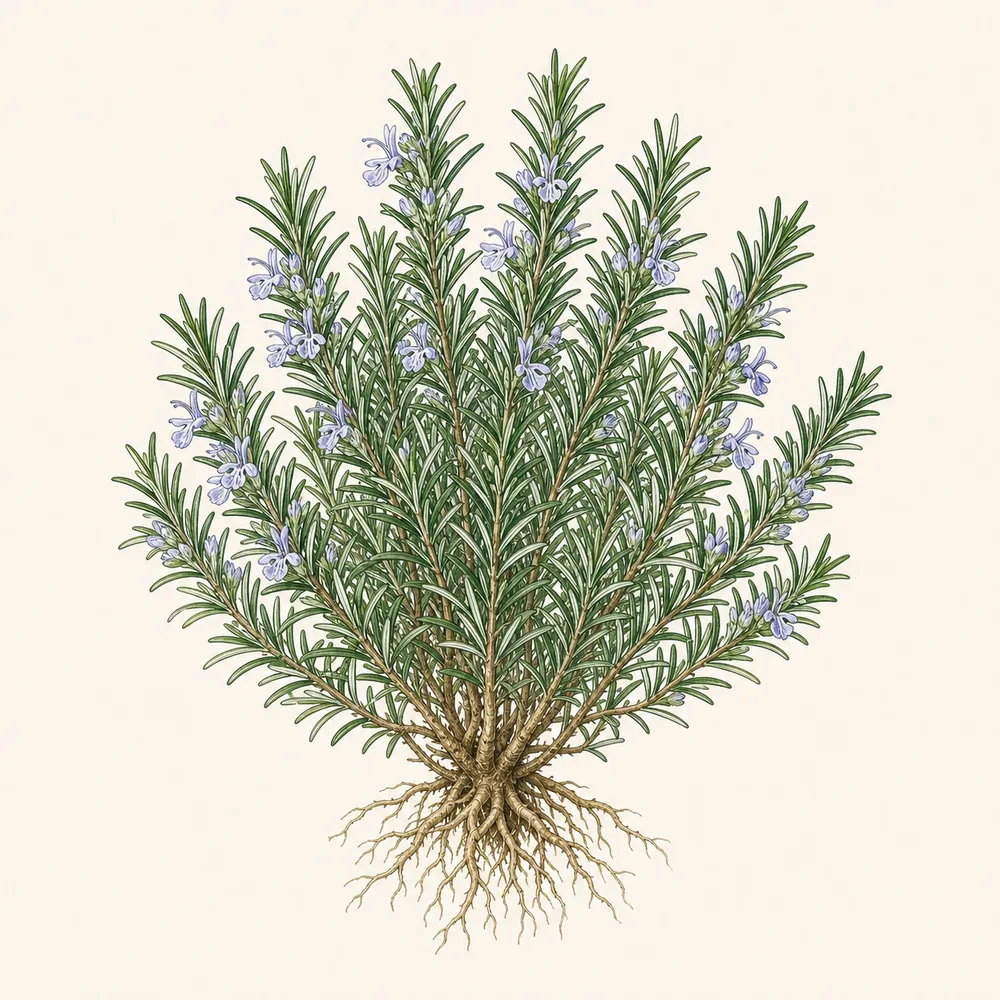
Rosemary
An evergreen Mediterranean shrub that happens to be a kitchen staple — pick it fresh twelve months a year. Give rosemary the two things it actually wants, sun and sharp drainage, and it's close to unkillable. Give it rich, wet soil and it rots.
Safe around cats & dogs
Rosemary is listed as non-toxic to cats, dogs and horses on the ASPCA database — one of the safest and most useful evergreens you can plant near pets. As with any plant, a pet demolishing a whole bush might get mild stomach upset, but there's no toxic risk to worry about.
Care at a glance
Everything that matters, in six lines. The detail is further down.
Position
The sunniest, warmest, most sheltered spot you have. It thrives on a hot, dry bank where little else will.
Soil
Gritty, free-draining and not too rich. Heavy, wet winter soil is the one thing that kills it.
Water
Water new plants their first summer; after that it's drought-tough and resents being kept moist.
Feeding
It evolved on poor Mediterranean hillsides. Feeding gives soft, floppy growth and less scent.
Pruning
Trim to shape after the spring flowers — but never cut back into old, leafless brown wood; it won't reshoot.
Hardiness
Hardy in a well-drained, sheltered spot; wet cold, not frost, is what rots it. Grow in a pot in cold, damp gardens.
What to do, and when
Pale blue flowers appear and bees arrive. Once they fade, trim lightly to keep the bush compact — this is the moment to prune.
Harvest freely; it thrives on picking. Take softwood cuttings now — rosemary roots easily and one plant makes many.
Ease off entirely — no feeding, minimal water. Make sure pots aren't standing in saucers of water as the wet season starts.
Evergreen, so you can pick all winter. The danger now is cold, wet roots — sharp drainage is its winter survival kit.
It dies of wet feet, not cold
The rosemary that turns grey, drops its needles and dies over winter was almost never killed by frost — it drowned. Rosemary comes from dry, stony Mediterranean hillsides, and in a British winter the real threat is cold soil that stays sodden for weeks, rotting the roots from below.
So the whole secret is drainage. Plant it high, on gritty soil, in the sunniest spot you have; in a heavy-clay or damp garden, grow it in a pot of gritty compost that you can stand somewhere sheltered and never let sit in water. Get the drainage right and rosemary is one of the toughest, longest-lived herbs you can own.
Free plants, forever
Rosemary is one of the easiest shrubs to propagate, which matters because plants do get old and woody after some years. In summer, pull or cut 10cm side-shoots of soft new growth, strip the lower needles, and push them into gritty compost. Kept lightly moist and out of blazing sun, most will root within a few weeks.
A couple of cuttings a year means you always have a young plant coming on to replace an ageing one — and plenty to give away. It's the reason you never really need to buy rosemary twice.
Common problems
Greying, dropping needles in winter
Cold wet roots, not frost. Improve drainage; in damp gardens grow it in a gritty pot kept off saturated ground.
Woody and bare at the base
Old age — it won't reshoot from bare wood. Take cuttings and start a replacement; don't prune hard.
Floppy, soft, scentless growth
Too rich a soil or too much feeding. Stop feeding; it wants lean, dry conditions.
Frothy spit on the stems
Froghoppers ('cuckoo spit') — harmless. Wipe it off if it bothers you; the plant is unharmed.
Everything rosemary needs
Sun and grit. It actively dislikes most of what people buy for it.
We take no commission on anything in the "save your money" tier — if we don't think you should buy it, we don't link it. How our recommendations work
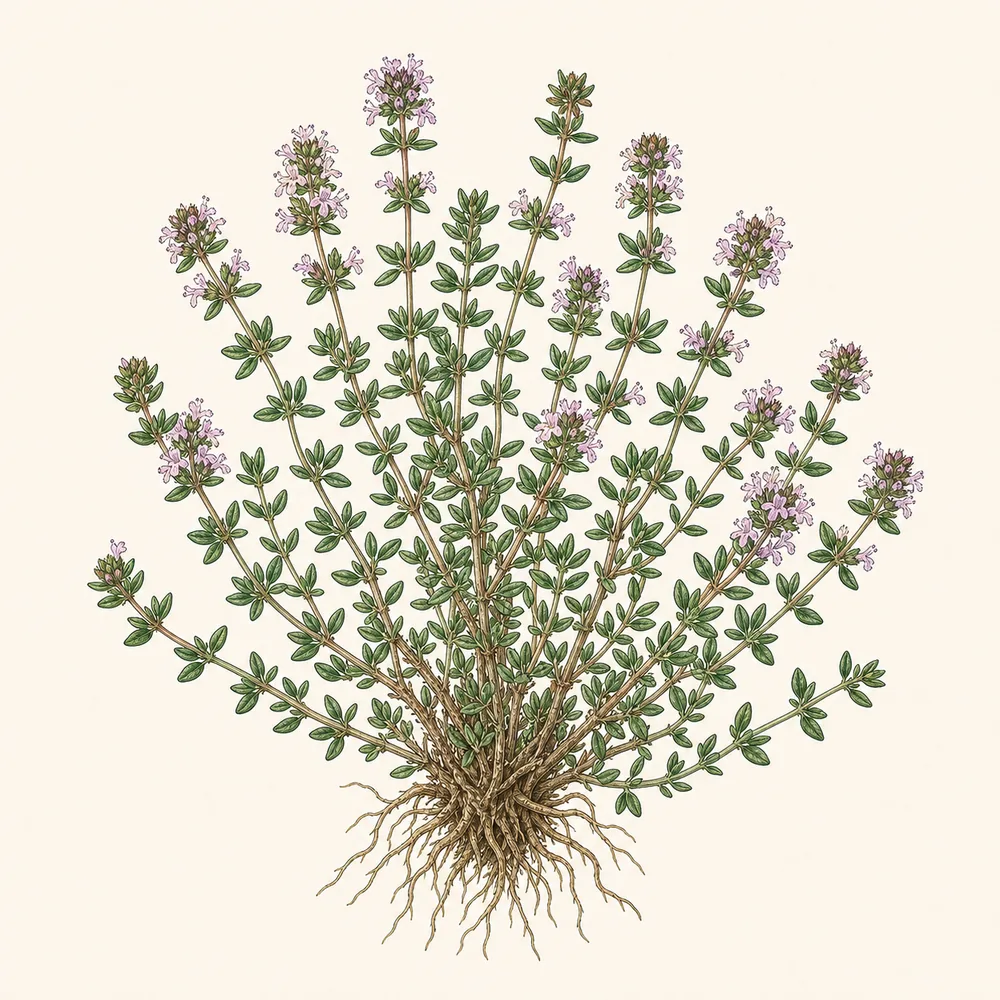
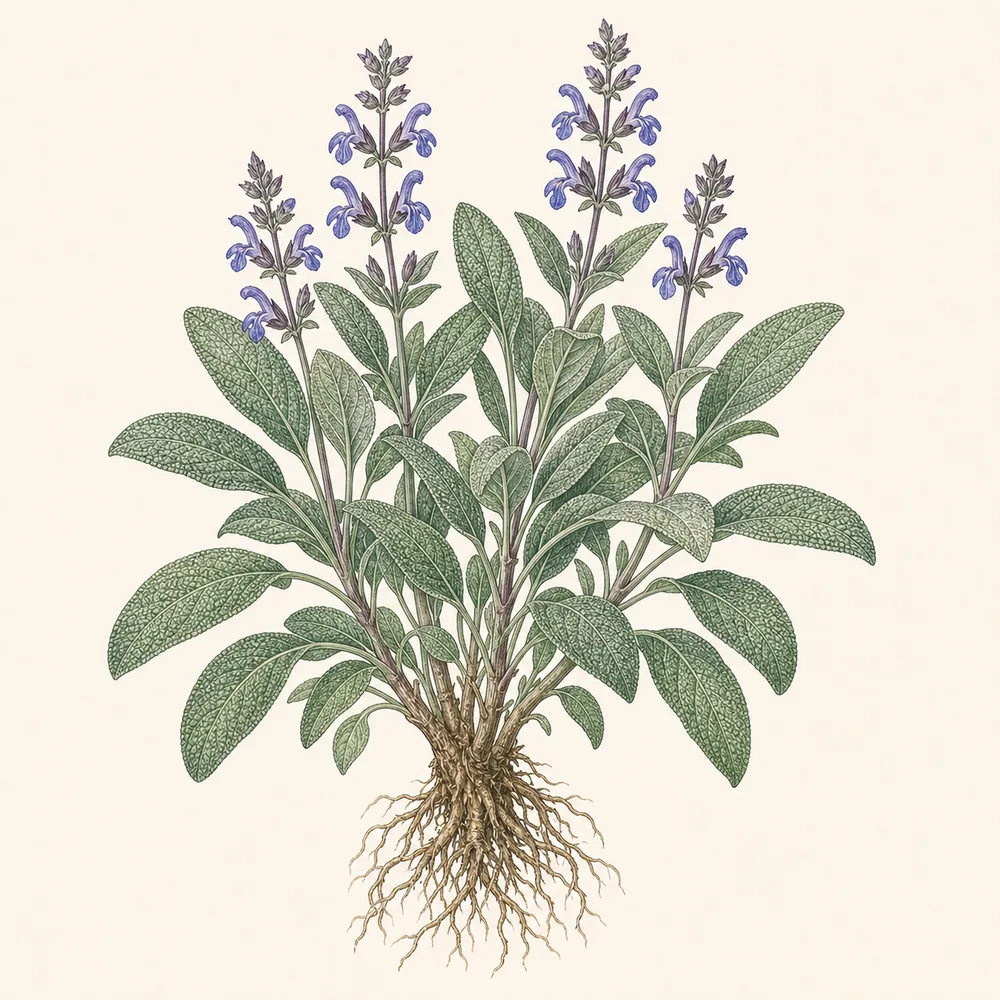
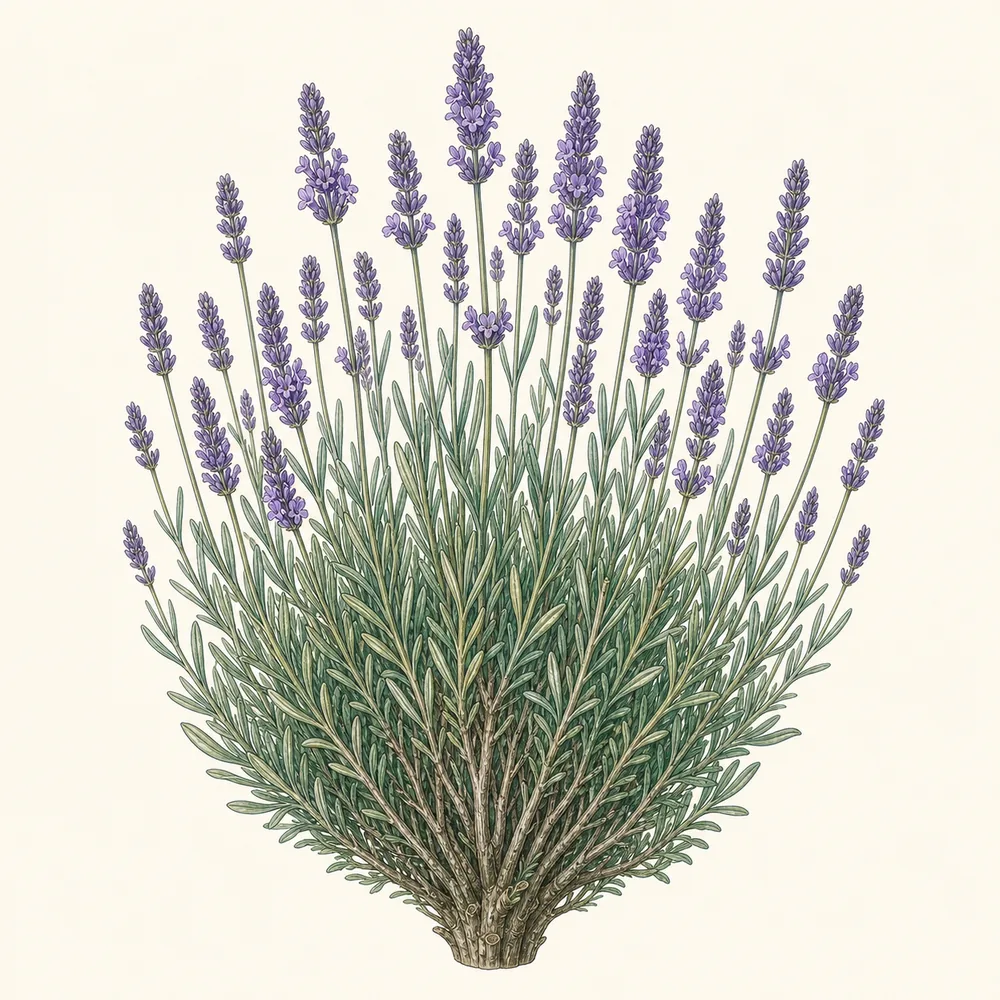
If you like this, try
Other plants with a similar temperament.
From the Notebook
Seasonal notes and guides that mention the rosemary.
How we checked this
Care guidance cross-checked against the Royal Horticultural Society and NC State Extension. Pet-safety confirmed against the ASPCA database, which lists rosemary (Rosmarinus officinalis / Salvia rosmarinus) as non-toxic to cats, dogs and horses. If our page and these sources ever disagree, believe them — and tell us.
Sources: RHS · NC State Extension · ASPCA
Last reviewed · July 2026