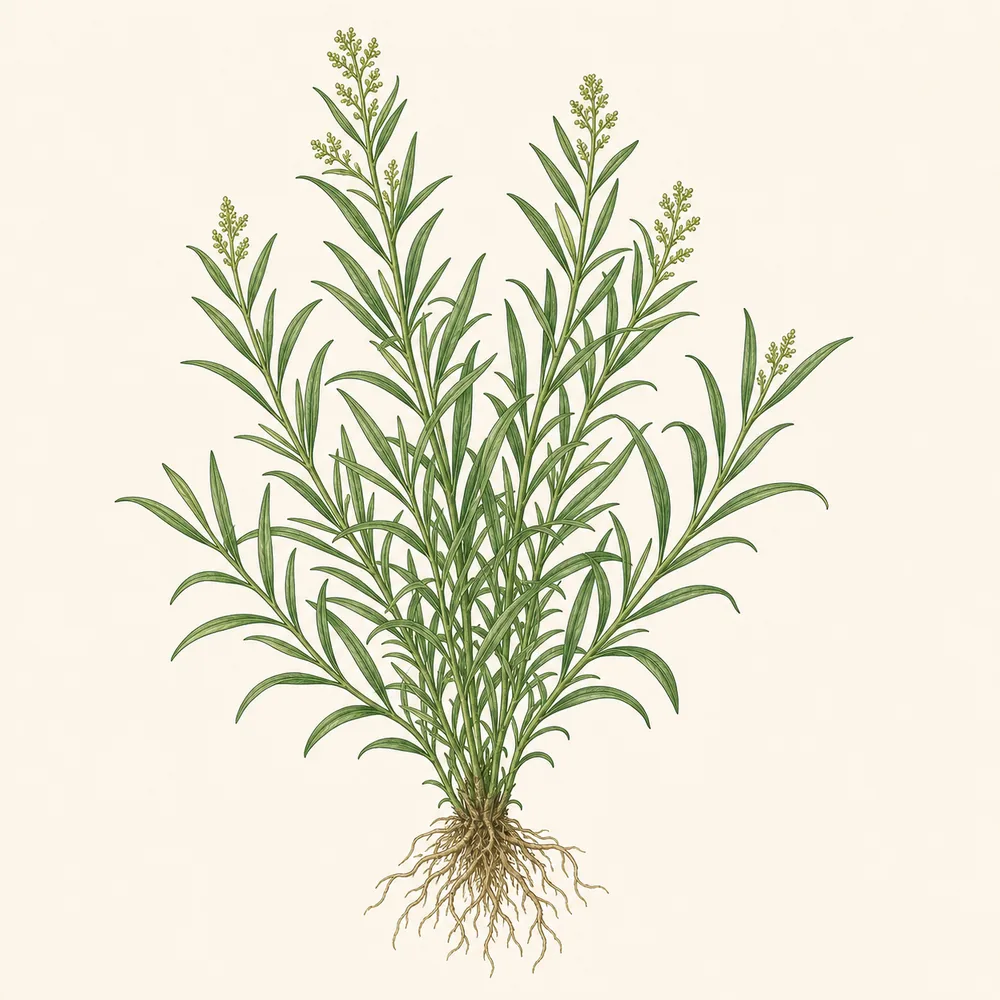
Tarragon
The aniseed-scented backbone of French cooking. Easy in a warm, well-drained spot — the one catch is that the good, flavoursome French tarragon can only be grown from a plant, not seed. Listed as toxic to pets.
Toxic to cats & dogs if eaten
Tarragon (Artemisia dracunculus) is listed as toxic to cats and dogs on the ASPCA database. Eating it can cause mild vomiting and diarrhoea. As a growing herb the risk is low, but it isn't a pet-safe plant.
Care at a glance
Everything that matters, in six lines. The detail is further down.
Position
A warm, sunny, sheltered spot brings out the best flavour.
Water
Drought-tolerant once established; it dislikes wet feet, especially in winter.
Hardiness
French tarragon is borderline hardy — protect the crown in cold, wet winters, or lift pots under cover.
Soil
Light, sharply drained soil. Heavy, wet ground rots it.
Feeding
Feed lightly at most; rich soil weakens the flavour.
Harvest
Harvest through summer; flavour fades once it flowers, so keep it trimmed.
What to do, and when
New shoots appear. Divide congested plants now, and pot up spares as insurance.
Peak flavour. Pick regularly and trim to stop it flowering, which weakens the taste.
Growth dies back; lift pot plants to a sheltered spot before winter wet sets in.
Dormant and vulnerable to cold, wet soil. Sharp drainage and a little protection see it through.
Buy French tarragon as a plant
This is the one thing to know: true French tarragon doesn't set viable seed, so seed sold as 'tarragon' is almost always the coarse, near-flavourless Russian tarragon. For the real aniseed flavour, buy a named French tarragon plant and increase it by division.
Once you have it, it's easy — a warm, sunny, sharply drained spot and a light hand with water are all it asks.
Winter is the weak point
French tarragon is only borderline hardy and its real enemy is cold, wet winter soil, which rots the roots. Sharp drainage, or growing it in a pot you can move under cover, is the key to keeping it going year to year.
Divide it every couple of years in spring to keep it vigorous and as insurance against winter losses.
Common problems
No flavour
It's Russian tarragon from seed. Get a named French tarragon plant.
Rotting over winter
Cold, wet soil. Improve drainage or overwinter it in a pot under cover.
Weak, sprawling growth
Too rich or too shady. Grow it lean and sunny.
Fading flavour in summer
It's flowering. Keep it trimmed to hold the flavour.
Everything for tarragon
A French tarragon plant, sun and very sharp drainage.
We take no commission on anything in the "save your money" tier — if we don't think you should buy it, we don't link it. How our recommendations work
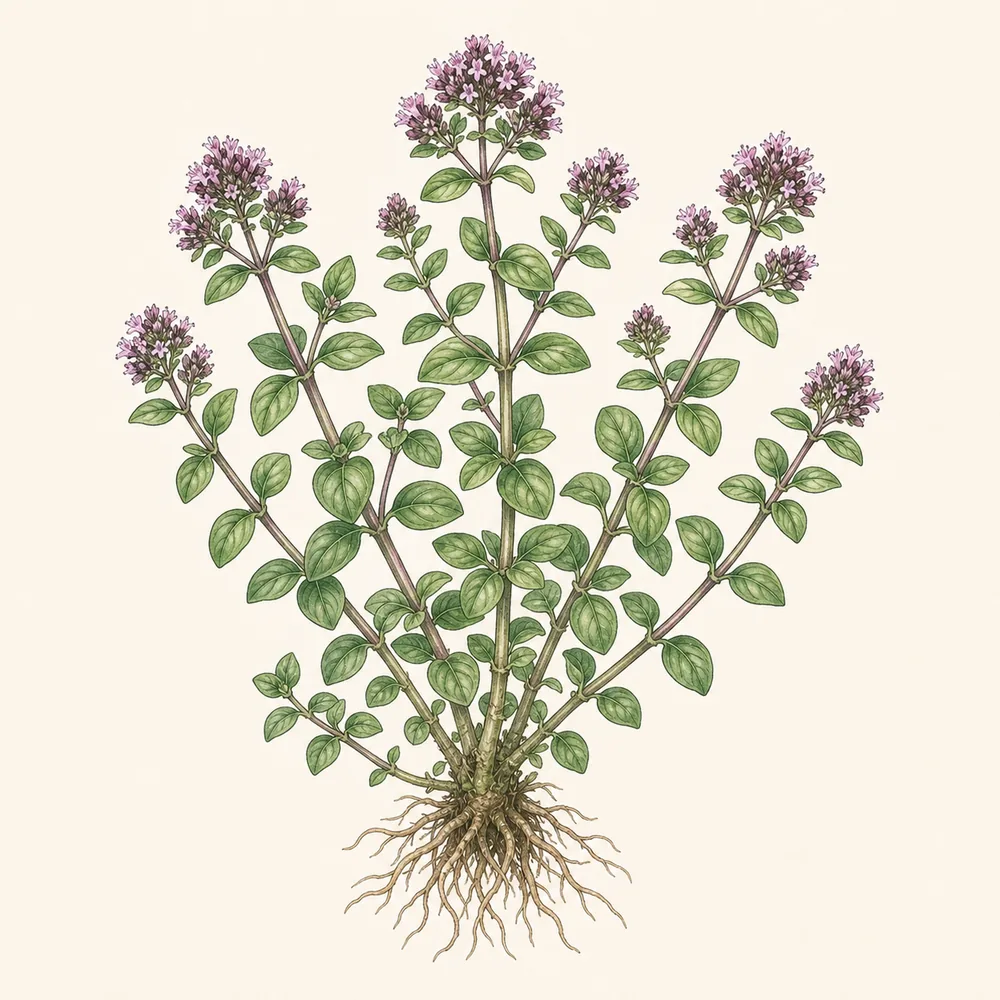
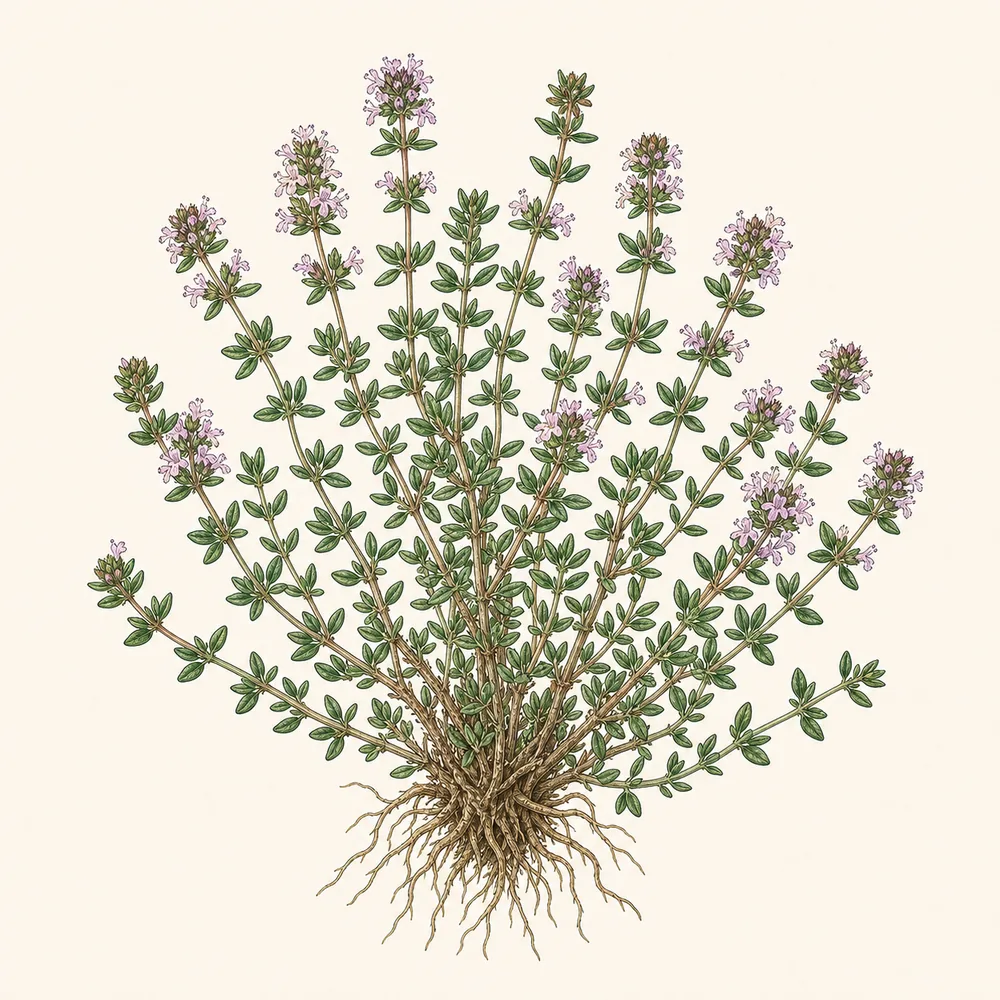
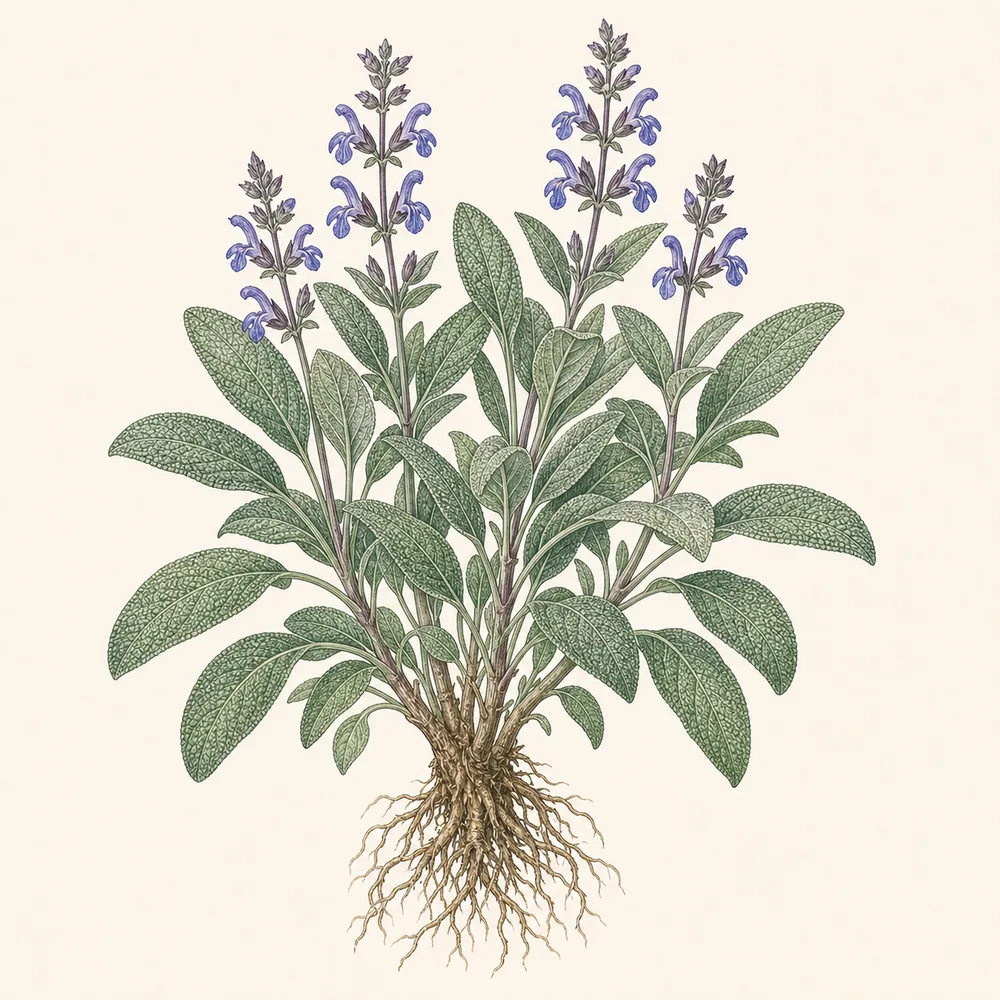
If you like this, try
Other plants with a similar temperament.
How we checked this
Care cross-checked against the RHS. Toxicity taken from the ASPCA database, which lists tarragon (Artemisia dracunculus) as toxic to cats and dogs — mild GI upset. If our page and these sources ever disagree, believe them — and tell us.
Sources: RHS · ASPCA — toxic & non-toxic plants
Last reviewed · July 2026