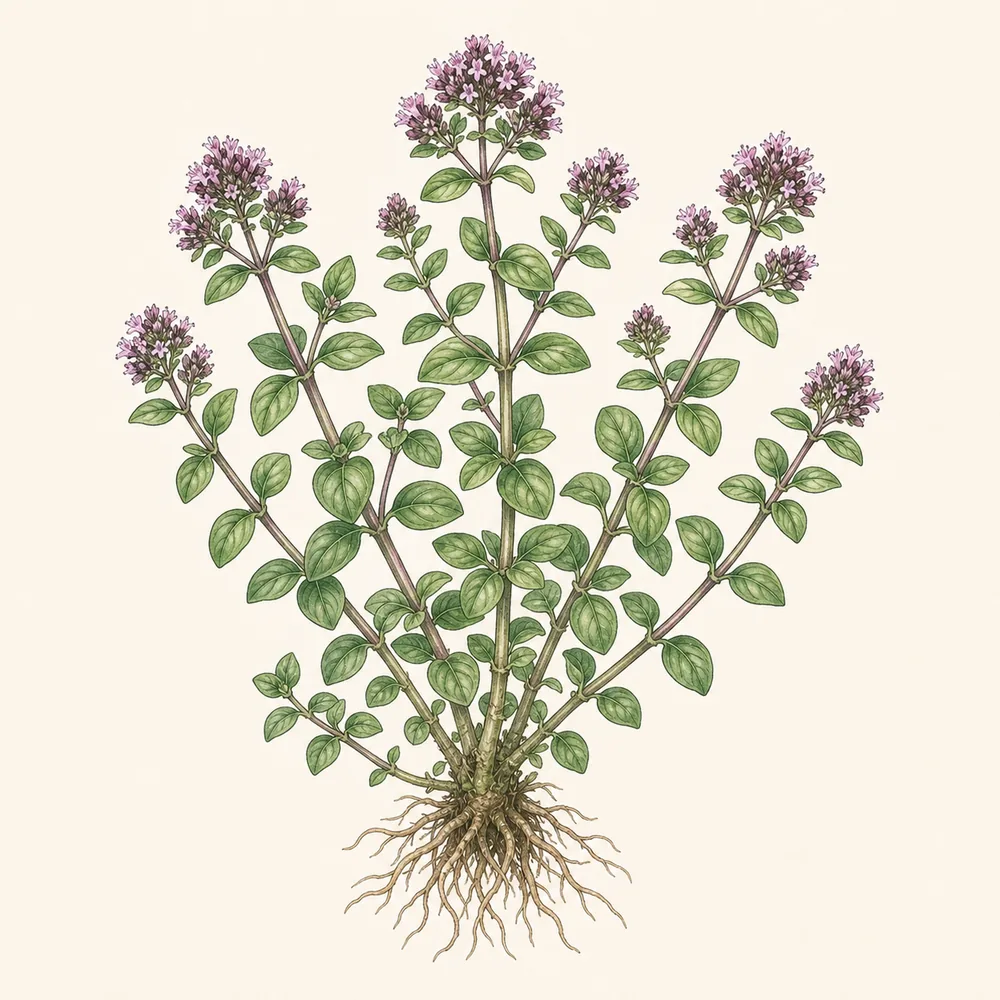
Oregano
A sun-loving, drought-tolerant Mediterranean perennial with warm, peppery leaves and pollinator-friendly flowers. Tough and productive — though ASPCA lists it as mildly toxic to pets.
Mildly toxic to cats & dogs
Oregano (Origanum vulgare) is listed as toxic to cats and dogs on the ASPCA database. Eating it can cause mild vomiting and diarrhoea; concentrated oregano oil is more of an irritant. As a growing herb the risk is low, but it isn't listed as pet-safe.
Care at a glance
Everything that matters, in six lines. The detail is further down.
Position
A hot, sunny spot gives the best flavour. Shade makes it lank and weak-tasting.
Water
Very drought-tolerant once established; it hates sitting wet.
Hardiness
Fully hardy in free-draining soil; cut back old growth in spring.
Soil
Poor, gritty, free-draining soil is ideal — rich ground dulls the flavour.
Feeding
A Mediterranean plant that thrives on neglect; don't feed.
Harvest
Flavour is strongest just before the flowers open; trim to keep it bushy.
What to do, and when
Cut back last year's stems to fresh growth; divide congested clumps.
Peak flavour and flowering. Pick sprigs freely and let some flower for the bees.
Growth slows; take a final pick and let it harden off for winter.
Largely dormant. In heavy, wet soil it can rot — sharp drainage is the key to overwintering.
Lean and sunny is the secret
Oregano is a Mediterranean plant, and everything about growing it well follows from that: full sun, poor free-draining soil, and very little water. Rich soil and shade give you a big soft plant with weak flavour.
The strongest, most peppery flavour comes from a plant that's a little stressed — grown hard on lean ground in the sun.
Pick, and let it flower
Harvest sprigs before the flowers open, when the oils are strongest, and trim regularly to keep it compact.
Left to bloom, the flowers are excellent for bees and butterflies, so it's worth letting part of the plant flower each year.
Common problems
Weak, watery flavour
Too rich, shady or wet. Grow it lean, sunny and dry.
Rotting in winter
Cold, wet soil. Add grit and improve drainage.
Woody, bare centre
Age. Cut back hard in spring, or divide and replant.
Powdery mildew
Poor airflow in a damp spell. Thin the plant and improve ventilation.
Everything for oregano
Sun, sharp drainage and a lean soil — then neglect it.
We take no commission on anything in the "save your money" tier — if we don't think you should buy it, we don't link it. How our recommendations work
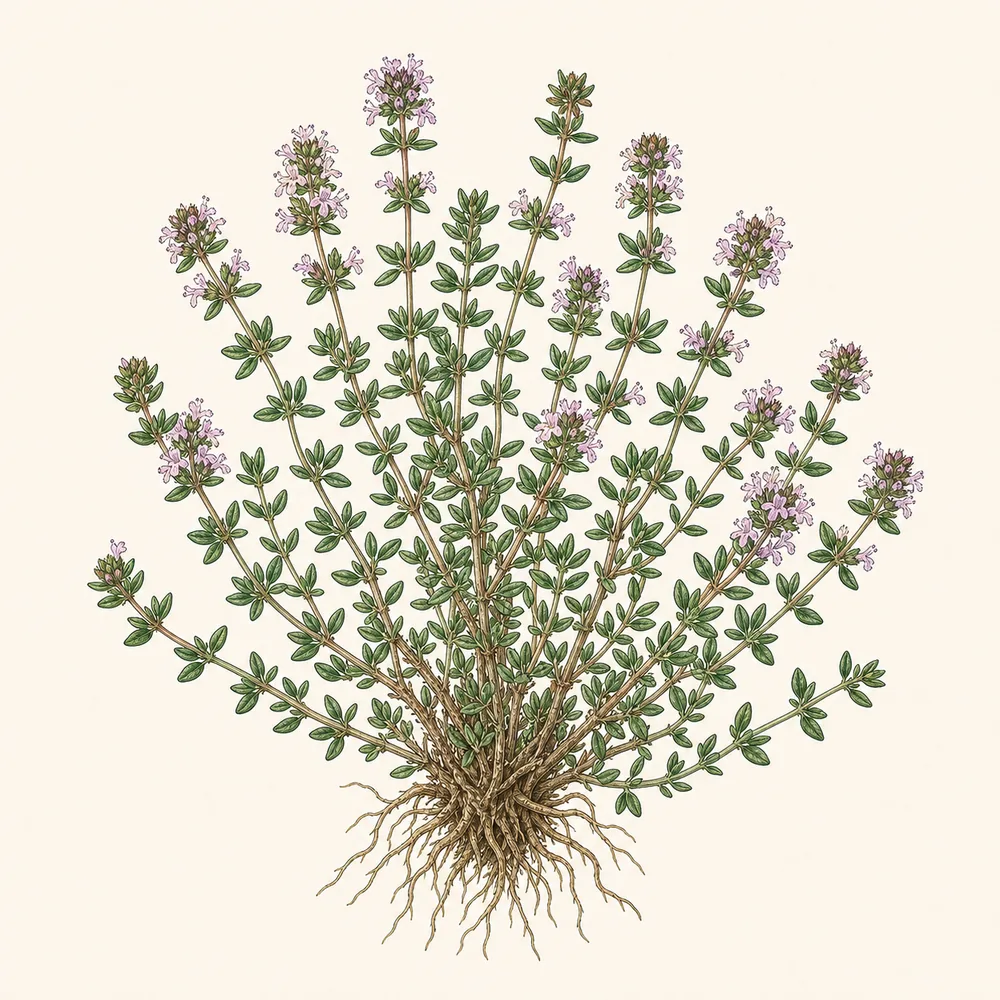
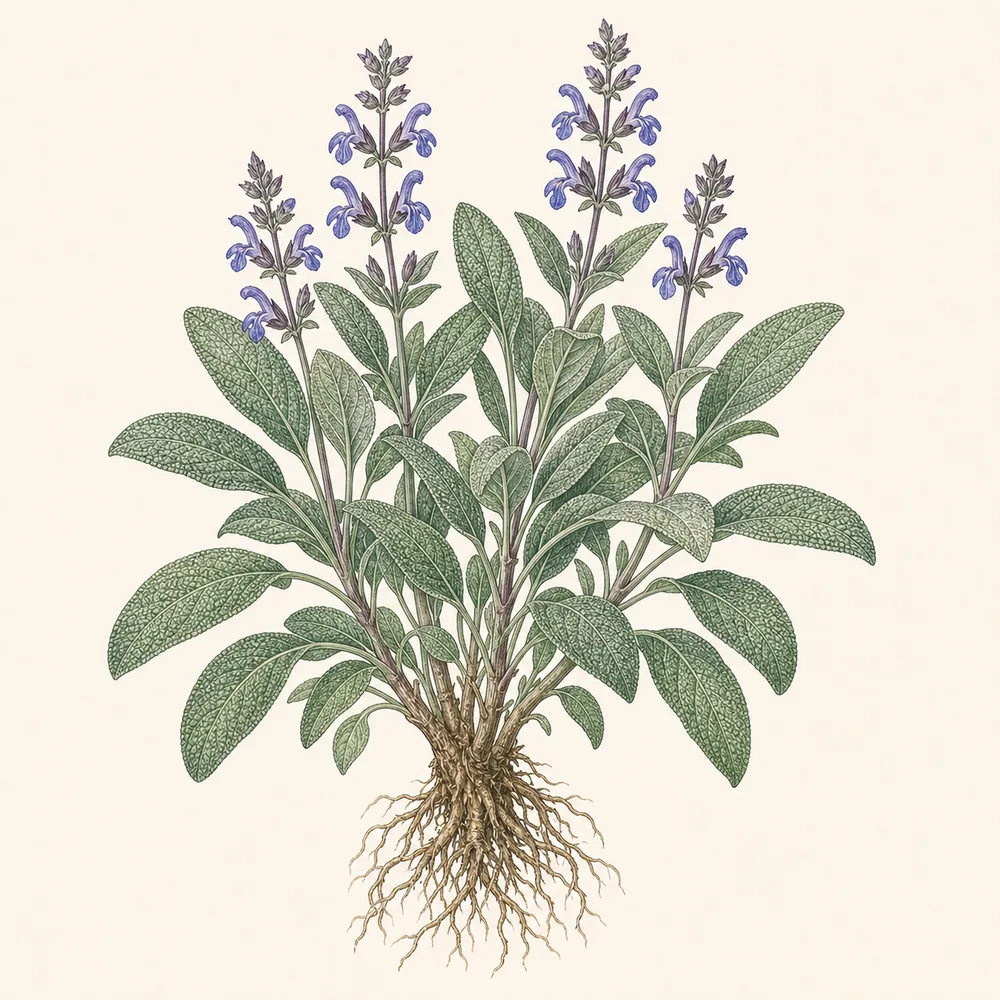
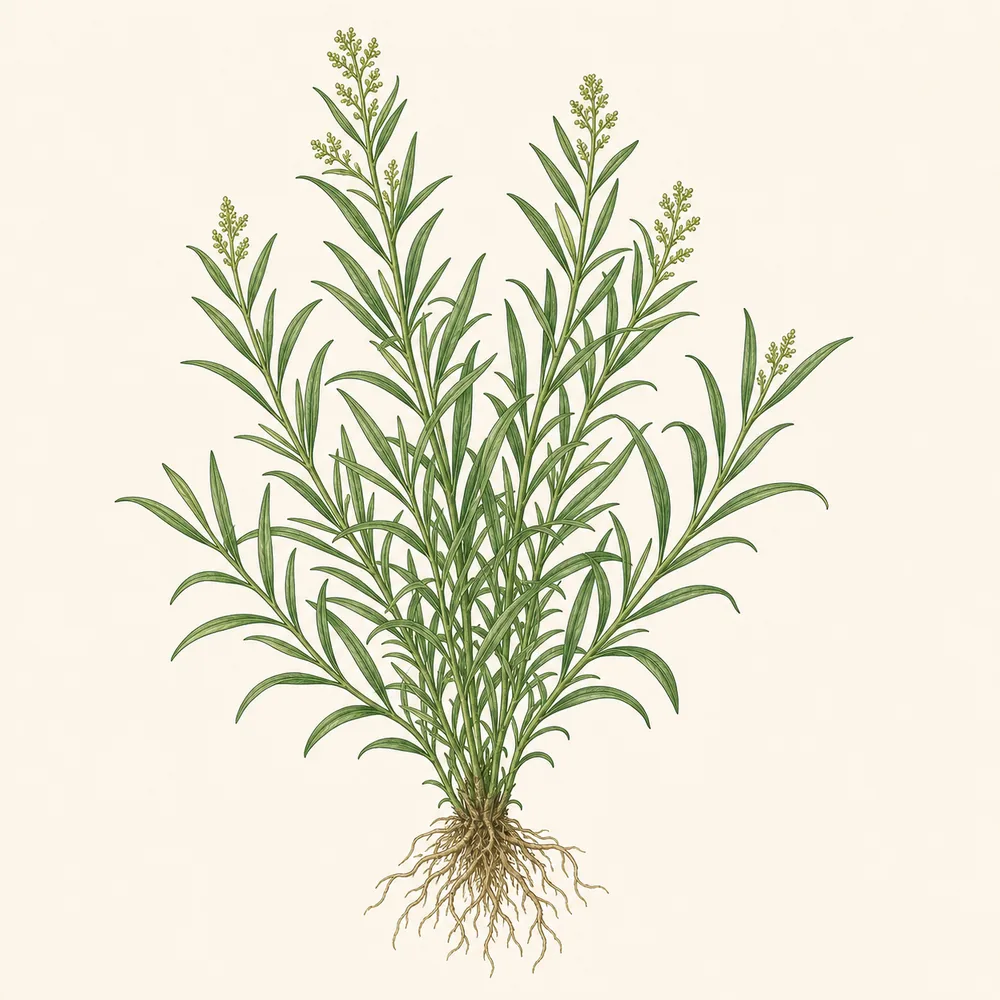
If you like this, try
Other plants with a similar temperament.
How we checked this
Care cross-checked against the RHS. Toxicity taken from the ASPCA database, which lists oregano (Origanum vulgare) as toxic to cats and dogs — mild GI upset; the concentrated oil is more of an irritant. If our page and these sources ever disagree, believe them — and tell us.
Sources: RHS · ASPCA — toxic & non-toxic plants
Last reviewed · July 2026