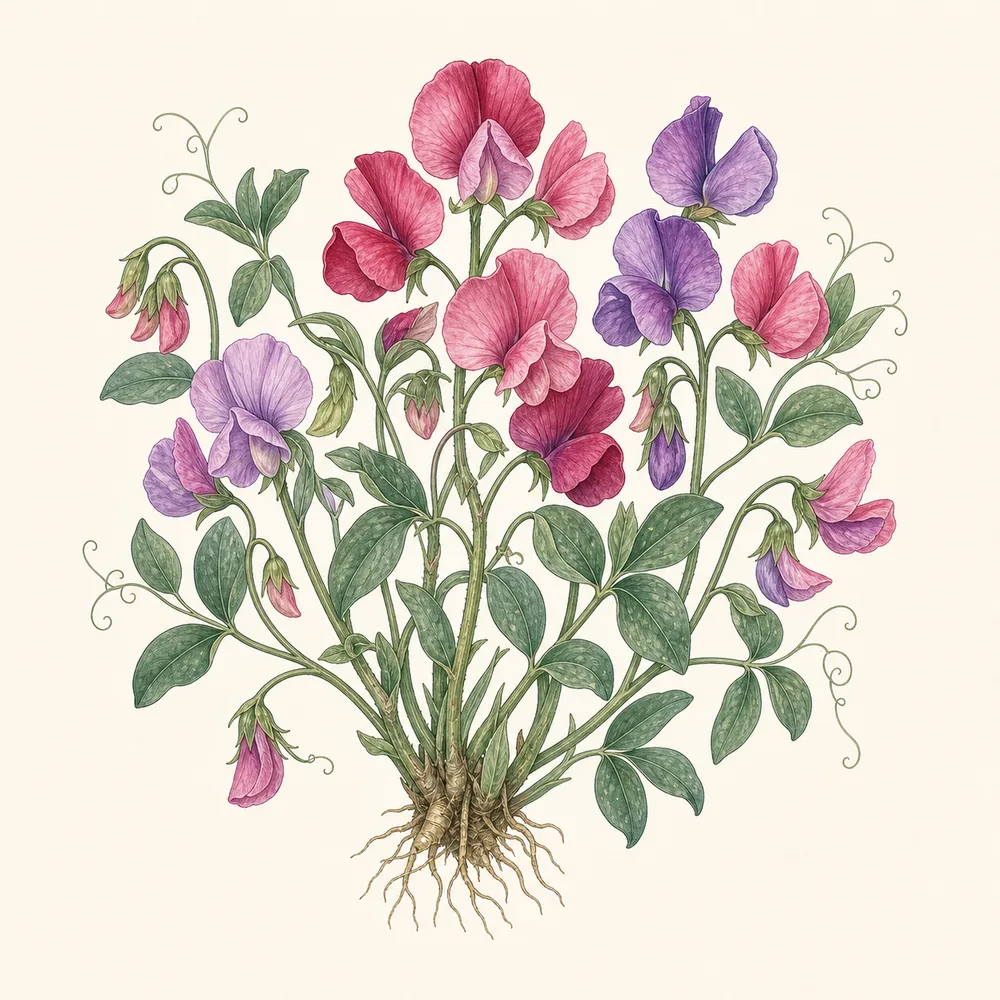
Sweet Pea
The scent of an English summer, grown fresh from seed every year — a fast, generous climber that pays you back in armfuls of cut flowers. The whole trick is to keep picking so it never stops.
Toxic to cats & dogs — keep seeds away
Sweet peas (Lathyrus) are listed as toxic on the ASPCA database. The seeds and pods contain an amino acid (aminopropionitrile) that, eaten in quantity or repeatedly, can cause weakness, tremors and seizures (a condition called lathyrism). The pea-like pods are tempting to pets and children — keep them out of reach.
Care at a glance
Everything that matters, in six lines. The detail is further down.
Position
An open, sunny spot with something to climb; they haul themselves up by curling tendrils.
Water
Keep the roots consistently moist; dry spells cut flowering short and cause the buds to drop.
Hardiness
Grown fresh from seed each year; young plants shrug off light frost, so they can go out early.
Soil
Hungry and thirsty plants — dig in plenty of compost and they'll reward you handsomely.
Feeding
Once flowering starts, a weekly high-potash feed keeps the blooms coming thick and fast.
Flowering
Keep picking and deadheading — let pods form and they stop; the more you cut, the more you get.
What to do, and when
Sow under cover in early spring (or outdoors mid-spring), and pinch out the tips at three or four leaf pairs.
Pick flowers every few days and never let pods form — that's the whole secret to months of bloom. Feed and water well.
Flowering winds down as light fades; clear spent plants, or leave a few pods to ripen for seed.
Sow hardy varieties under cover in autumn or late winter for earlier, sturdier plants next year.
Pick, pick, pick — and pinch out
Two habits give you a summer of flowers. First, pinch out the growing tip of each young plant once it has three or four pairs of leaves; this forces bushy side-shoots instead of one thin, leggy stem.
Second, and most important, keep picking. A sweet pea's whole aim is to set seed — the moment pods form, it decides its job is done and stops flowering. Cut blooms for the vase every few days (and snap off any pods you missed) and it will keep going for months.
Sowing, support and a word on safety
Sweet peas are grown from seed and make long roots, so start them in deep pots or root trainers and give them a wigwam of canes or netting to climb — they grip with tendrils and need support from the off.
One caution worth stating plainly: the pods and seeds are toxic and, being pea-like, are tempting to children and pets. Grow them where small hands can't reach, and clear any pods that fall.
Common problems
Flowering stopped suddenly
Seed pods have formed; strip them all off and keep cutting every bloom to restart the plant.
Buds drop before opening
Usually cold nights or dry roots; keep the soil evenly moist and it should settle down.
Leggy, sparse plants
You skipped pinching out; nip the growing tips of young plants to force bushy side-shoots.
Powdery mildew late in the season
Dry roots in late summer; water deeply at the base and mulch to hold the moisture in.
Everything a sweet pea needs
Full sun, rich damp soil, something to climb — and a picking habit.
We take no commission on anything in the "save your money" tier — if we don't think you should buy it, we don't link it. How our recommendations work
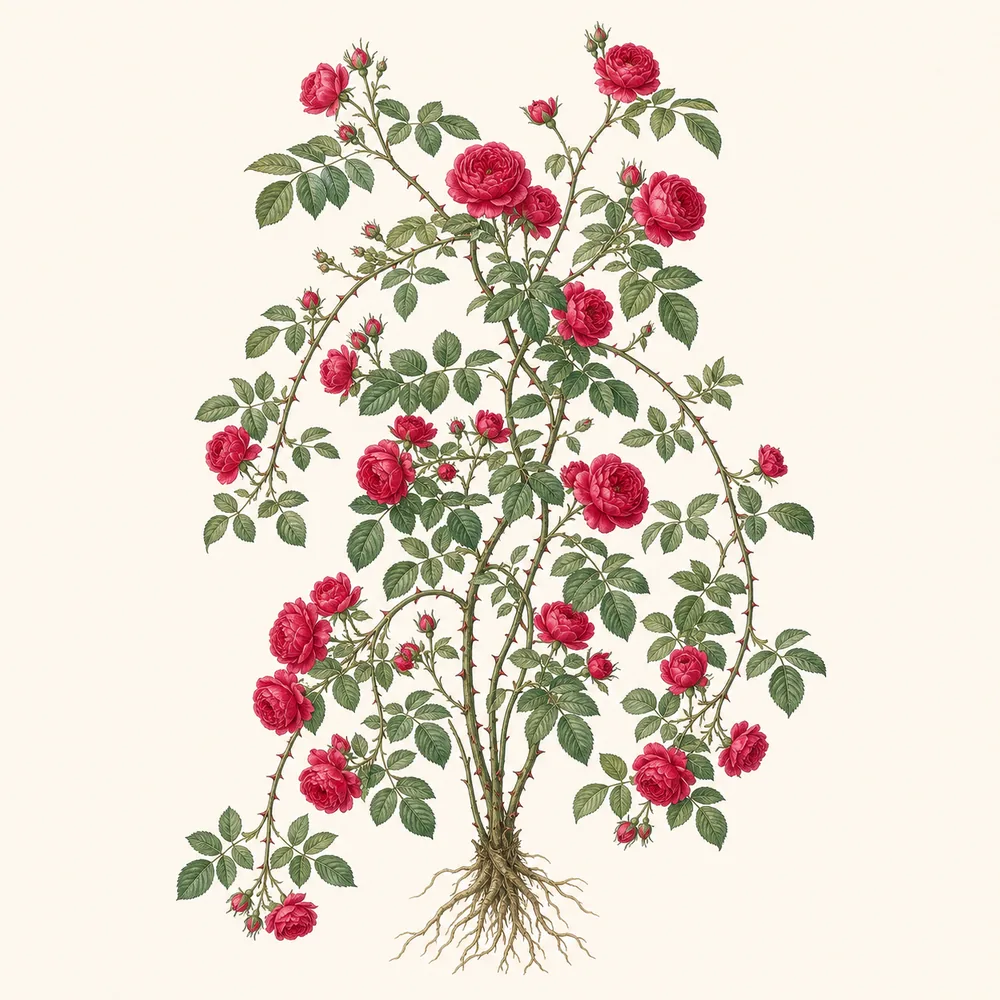
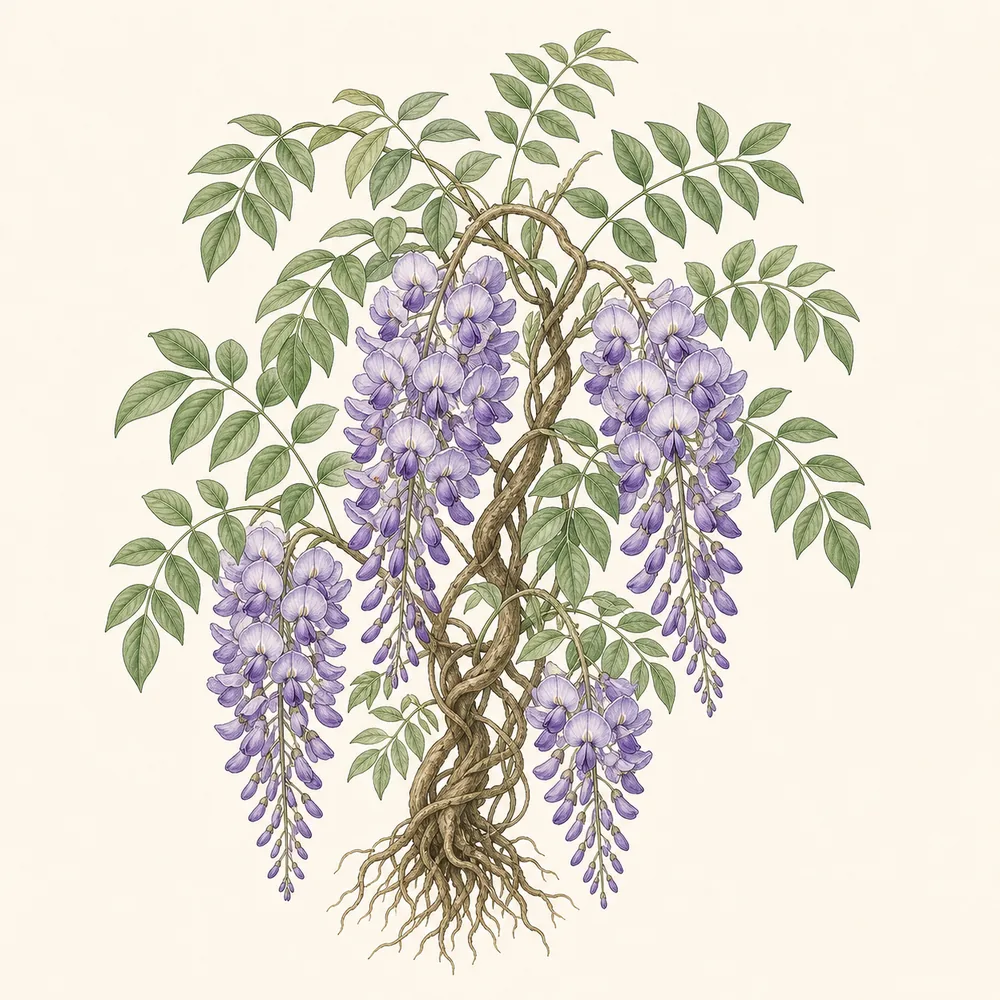
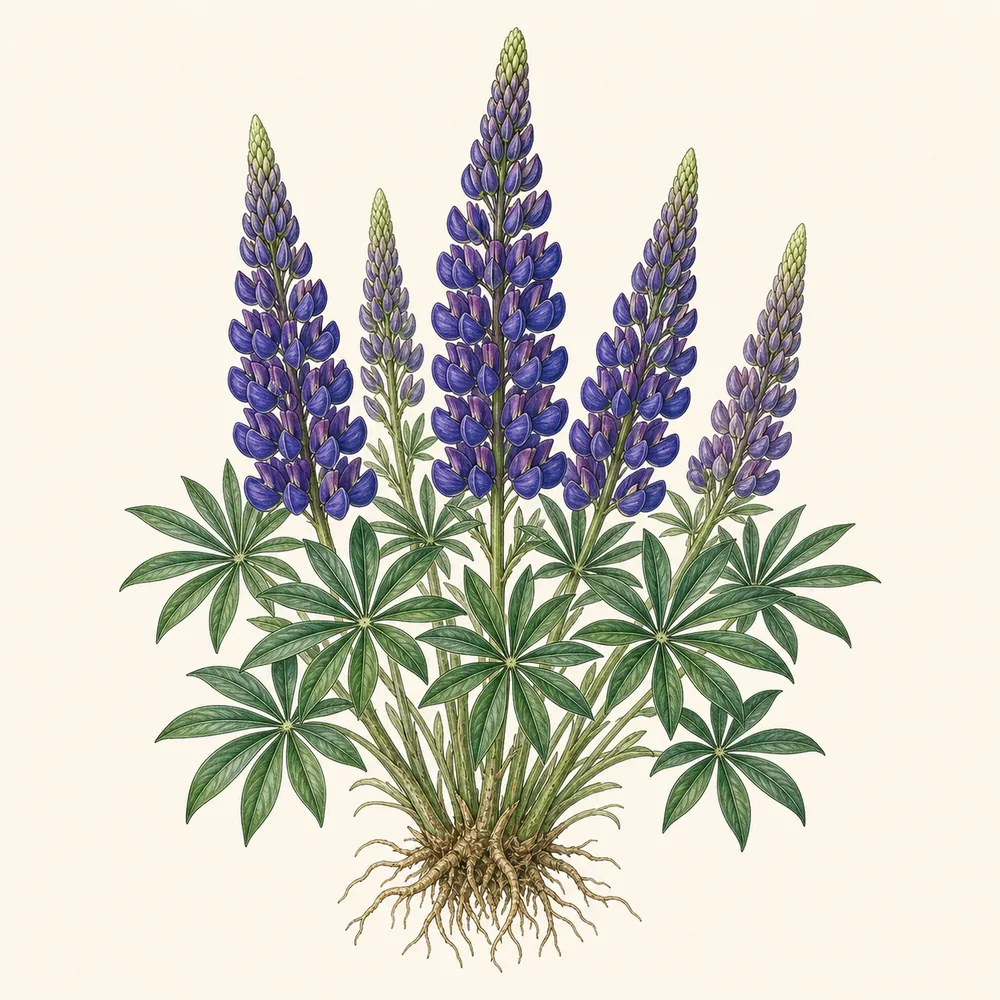
If you like this, try
Other plants with a similar temperament.
How we checked this
Care cross-checked against the RHS. Toxicity taken from the ASPCA database, which lists Lathyrus (sweet pea) as toxic — the seeds and pods can cause weakness, tremors and seizures if eaten in quantity or repeatedly. If our page and these sources ever disagree, believe them — and tell us.
Sources: RHS · ASPCA — toxic & non-toxic plants
Last reviewed · July 2026