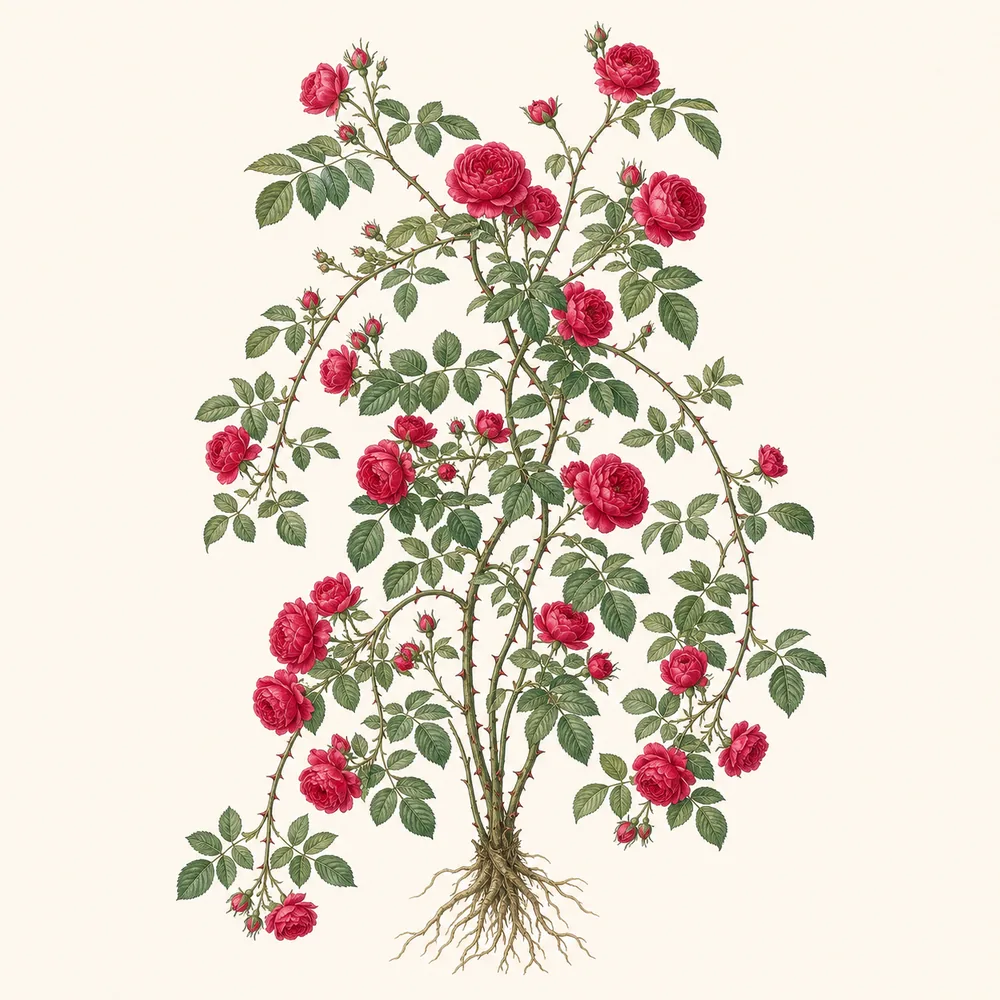
Climbing Rose
A long-lived climber that turns a wall, arch or fence into a wall of flower. The knack is all in the training: bend the main stems sideways and you swap a few flowers at the top for blooms all the way along.
Safe around cats & dogs
Climbing roses (Rosa) are listed as non-toxic to cats, dogs and horses on the ASPCA database. The only real hazard is the thorns, not the plant itself.
Care at a glance
Everything that matters, in six lines. The detail is further down.
Position
At least half a day of sun, on a wall, fence or sturdy support. Good air movement helps keep the leaves free of disease.
Water
Water well while establishing, and keep an eye on roses against a wall — the soil there stays surprisingly dry even after rain.
Hardiness
Hardy across the UK. No winter protection needed for the plant itself.
Soil
A deep, fertile soil with plenty of well-rotted organic matter. Roses are hungry, long-term plants and repay good ground preparation.
Feeding
A rose feed in early spring and again after the first flush, with a generous mulch of compost or manure in spring.
Pruning
Tie the main stems as near horizontal as you can — that's what triggers flowering along their length — and prune sideshoots back in winter.
What to do, and when
Feed and mulch as growth starts; tie in new stems and watch for the first signs of blackspot or aphids.
Peak flowering — deadhead repeat-flowering types to keep the blooms coming, and keep wall-trained plants watered.
Flowering winds down; shorten very long whippy growths to stop wind-rock over winter.
The main job: prune and, above all, tie the main stems down horizontally onto their support.
Train it sideways, not up
The single most important thing with a climbing rose is to train the main stems as close to horizontal as you can. A rose stem sent straight up flowers only at the very top; bend that same stem sideways and flowering shoots break all along its length, turning bare wood into a sheet of bloom.
So as each strong new stem grows, tie it in along wires or a trellis, fanning them out and pulling them down. It feels counter-intuitive, but horizontal wood is flowering wood.
Pruning without the panic
Prune in winter when the plant is dormant. Keep the framework of main stems, remove any dead, damaged or crossing wood, then cut the flowered sideshoots back to two or three buds.
Don't confuse climbers with ramblers: ramblers flower once on last year's wood and are pruned in summer, while most climbers repeat-flower and are pruned in winter. Check which you have before you cut.
Common problems
Bare at the base
Stems trained too upright. Retie the main stems horizontally over winter to force flowering shoots lower down.
Black spots on leaves
Blackspot, a common rose fungus. Clear fallen leaves, improve airflow, and choose disease-resistant varieties when buying.
Sticky leaves and buds
Aphids clustering on soft new growth. Squash them, blast with water, or leave them for ladybirds and blue tits to clear.
Few flowers on a wall rose
Often drought at the roots — walls create a dry rain-shadow. Water deeply and mulch well through the growing season.
Everything a climbing rose needs
Rich soil, wires to train along, and the confidence to bend the stems sideways.
We take no commission on anything in the "save your money" tier — if we don't think you should buy it, we don't link it. How our recommendations work
If you like this, try
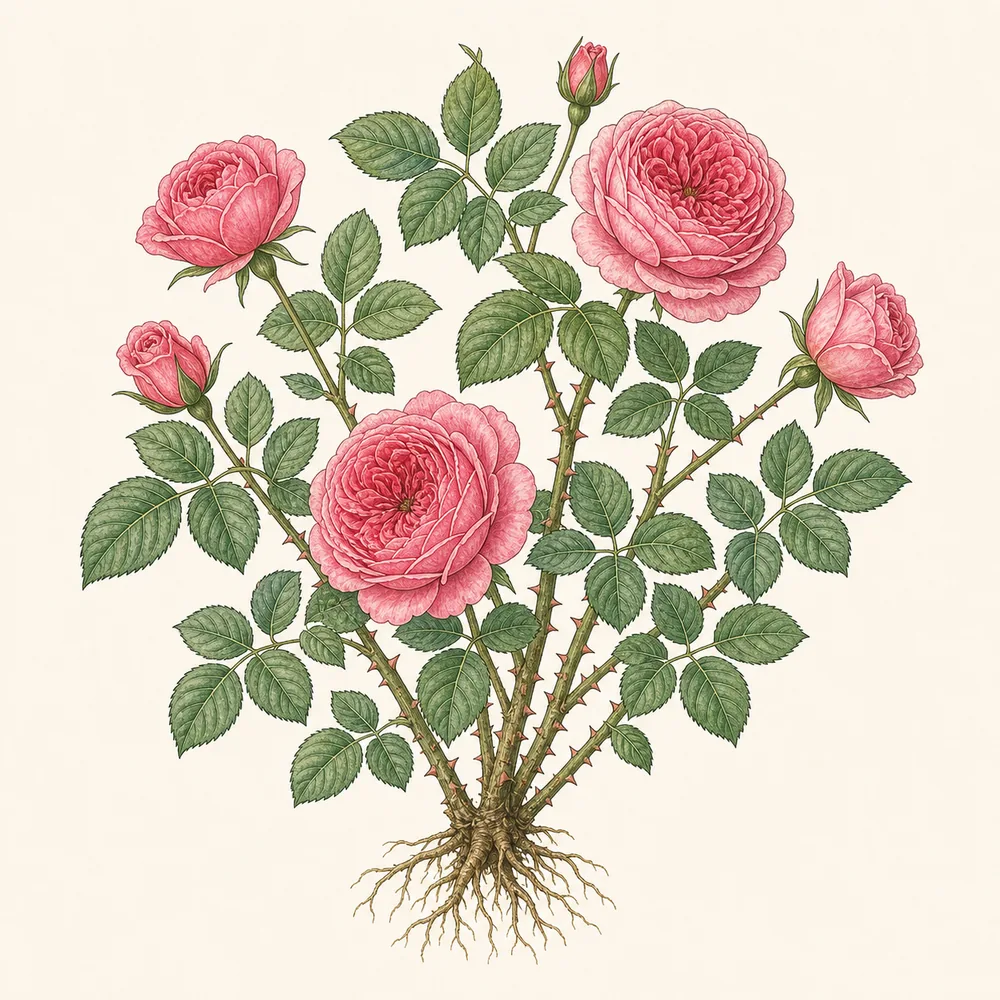
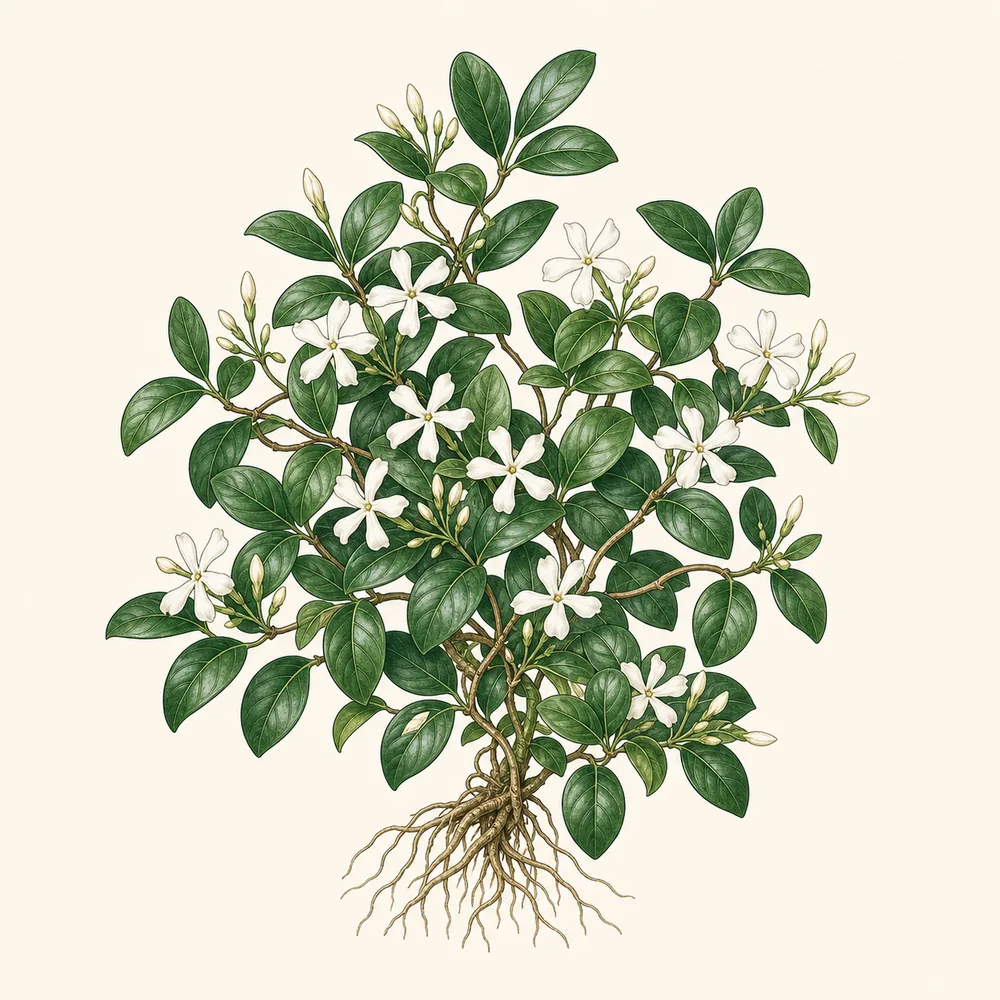
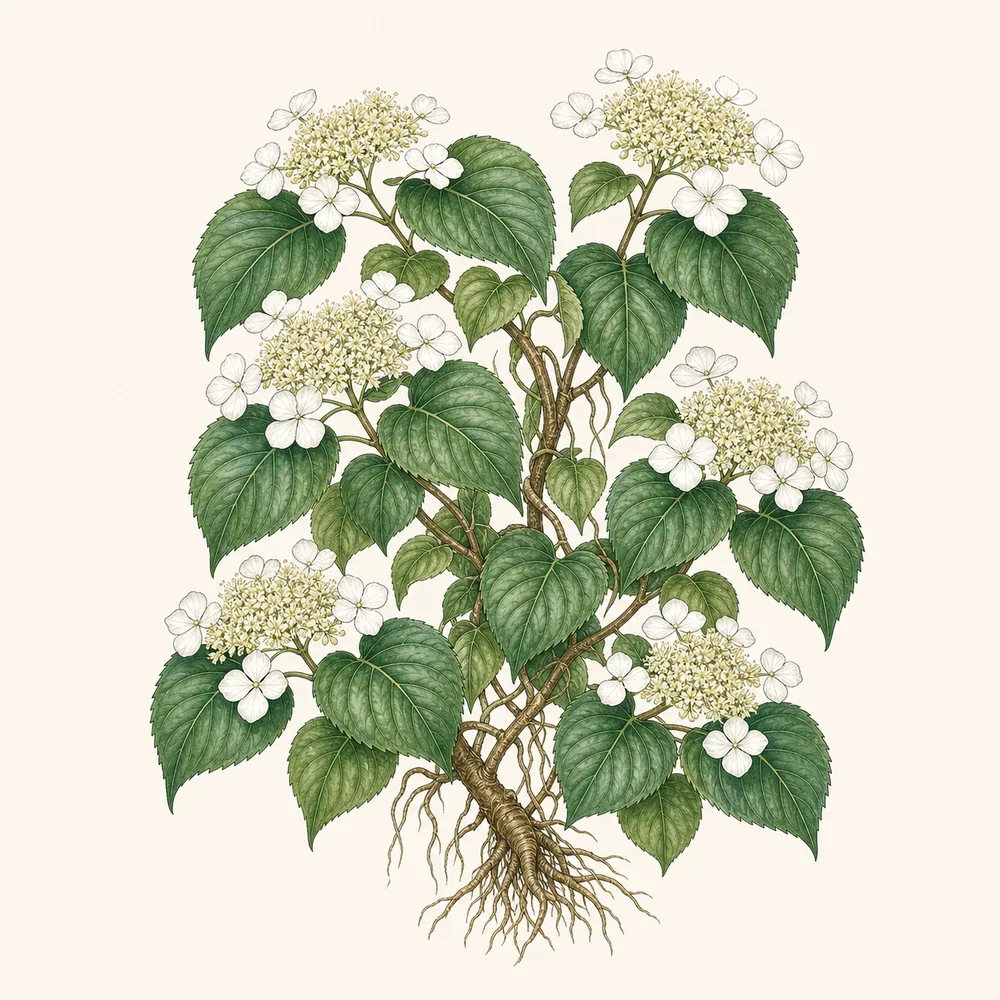
Other plants with a similar temperament.
How we checked this
Care cross-checked against the RHS. Toxicity confirmed against the ASPCA database, which lists Rosa (rose) as non-toxic to cats, dogs and horses — the thorns are the only hazard. If our page and these sources ever disagree, believe them — and tell us.
Sources: RHS · ASPCA — toxic & non-toxic plants
Last reviewed · July 2026