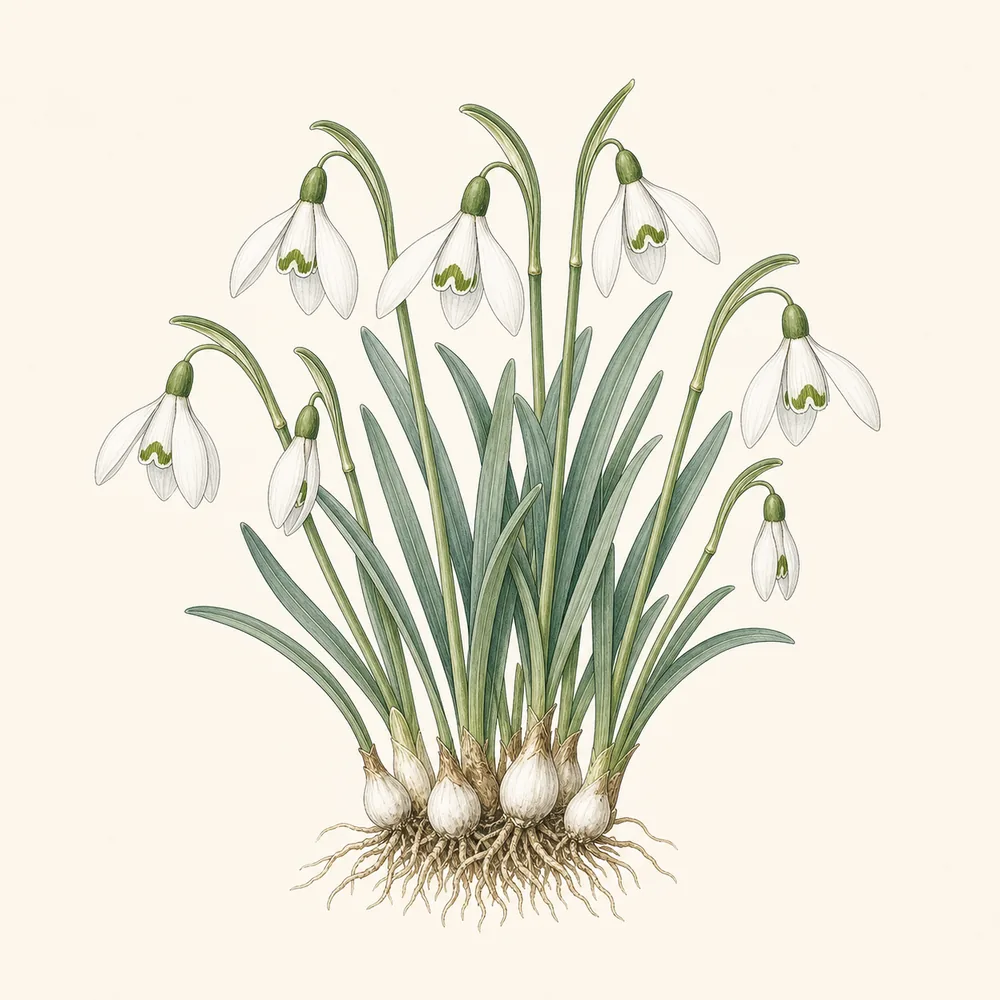
Snowdrop
The classic sign that winter is turning — nodding white bells that push up through frozen ground in January and February. Snowdrops are easy and long-lived once settled, and the real secret to success is planting them 'in the green', just after they flower, rather than as dry bulbs.
Toxic if eaten (bulbs)
Snowdrops (Galanthus) are on the RHS list of potentially harmful plants. The bulbs contain alkaloids including galantamine that cause drooling, vomiting and diarrhoea if eaten — the bulbs are more potent than the leaves, and the usual risk is a pet digging them up.
Care at a glance
Everything that matters, in six lines. The detail is further down.
Light
They love the light shade under deciduous trees and shrubs — bright while leafless in late winter, cool and shaded once the canopy fills in.
Water
They like soil that stays cool and slightly moist, never bone-dry in summer and never waterlogged in winter. Leaf mould keeps the balance right.
Planting time
Plant while still in leaf, February to April, as clumps lifted straight after flowering. Dry autumn bulbs establish far less reliably.
Planting depth
Replant clumps to the soil mark on the leaves, roughly 5–8 cm deep. Firm them in gently and water so the roots settle.
Feeding
An annual mulch of leaf mould or garden compost after flowering is all they want. They don't need feeding in decent soil.
Soil
A moist, humus-rich soil under trees suits them best. They struggle in hot, dry, sun-baked spots and in solid waterlogged clay.
What to do, and when
Just after flowering is the moment to plant, lift and divide — this is 'in the green', while the leaves are still up. Split congested clumps now and replant straight away for the best establishment.
Fully dormant below ground and easy to forget. Keep the soil from baking bone-dry, and mark where clumps are so you don't dig into them while planting other things.
You can plant dry bulbs now if that's all you can get, but they take poorly — buy 'in the green' in spring instead if you can. Mulch established clumps with leaf mould.
The main show. Flowers push up through cold, often frozen ground in January and February, the first real sign the year is turning. Nothing to do but enjoy them.
Why 'in the green' beats dry bulbs
Snowdrop bulbs are small and dry out quickly, and stored dry bulbs sold in autumn often fail to take. The reliable way to establish them is to buy or lift them 'in the green' — as growing clumps, still in leaf, just after flowering in late winter and early spring.
Plant these clumps straight away at the same depth they were growing, water them in, and they'll settle without missing a beat. It's the single biggest thing that separates a thriving colony from a disappointing handful.
Naturalising under trees
Snowdrops are woodlanders at heart. They thrive in the dappled shade of deciduous trees and shrubs, catching the winter light while the branches are bare and enjoying cool shade through summer dormancy.
Given a moist, leaf-rich soil they spread steadily into broad sheets over the years. A mulch of leaf mould after flowering mimics the woodland floor and keeps them happy for decades.
Lifting and dividing congested clumps
After a few years clumps get crowded and flowering thins in the middle. The cure is to lift and divide just after flowering, while still in leaf. Ease the clump up with a fork, tease it into smaller groups of a few bulbs each, and replant immediately.
This is also the best way to spread them around the garden for free — a single fat clump can seed a dozen new patches. Keep the roots damp and get them back in the ground the same day.
Common problems
Dry autumn bulbs that never appear
Stored dry snowdrop bulbs establish poorly and many simply fail. Buy and plant 'in the green' in late winter or early spring instead — it's far more reliable.
Clumps flowering less over time
Congestion. Lift, divide into smaller groups and replant straight after flowering while the leaves are still up, and they'll flower freely again.
Grey mould (snowdrop grey mould)
A fungus that rots emerging shoots in wet springs, leaving a grey fuzzy growth. Remove and destroy affected clumps promptly and don't replant snowdrops in the same spot for a few years.
Sulking in a hot, dry spot
Snowdrops in full baking sun and dry soil dwindle away. Move them to cool, moist, humus-rich shade under trees and mulch with leaf mould.
Everything a snowdrop colony needs
Clumps in the green, a shady leaf-rich spot, and a spring mulch.
We take no commission on anything in the "save your money" tier — if we don't think you should buy it, we don't link it. How our recommendations work
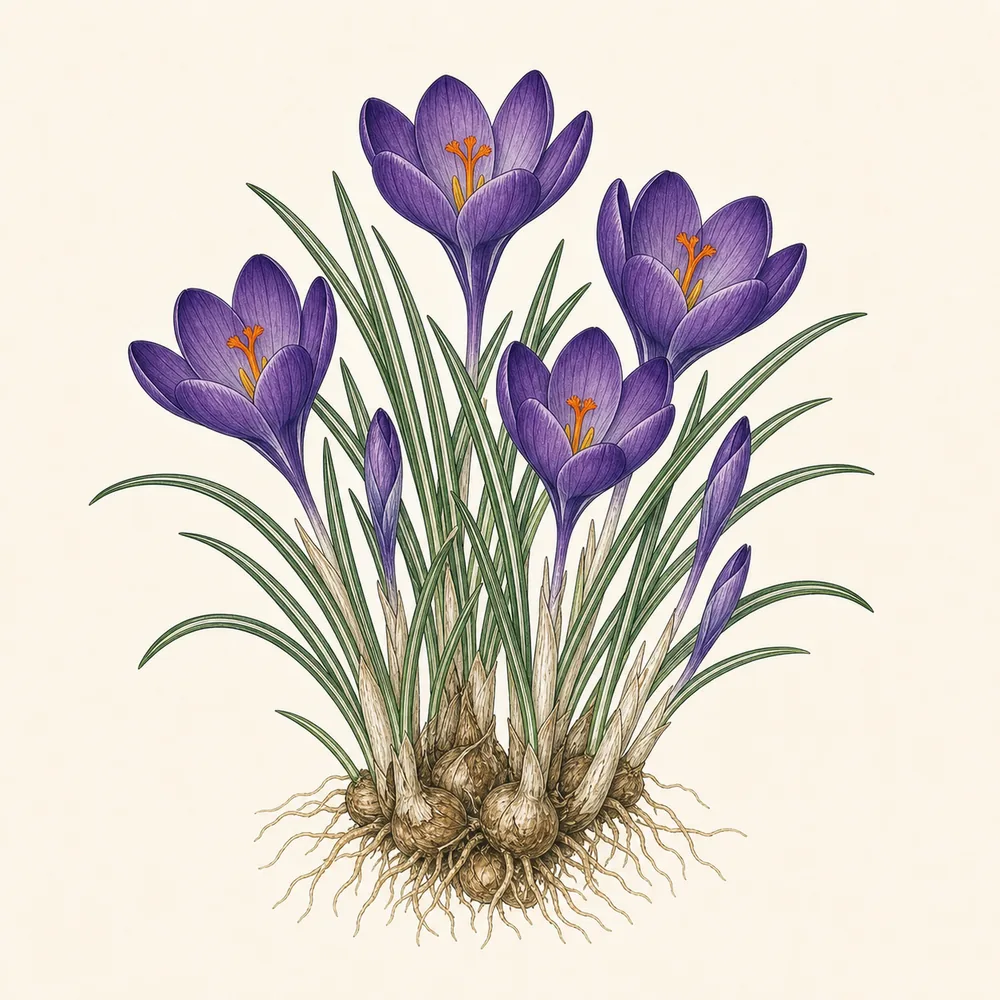
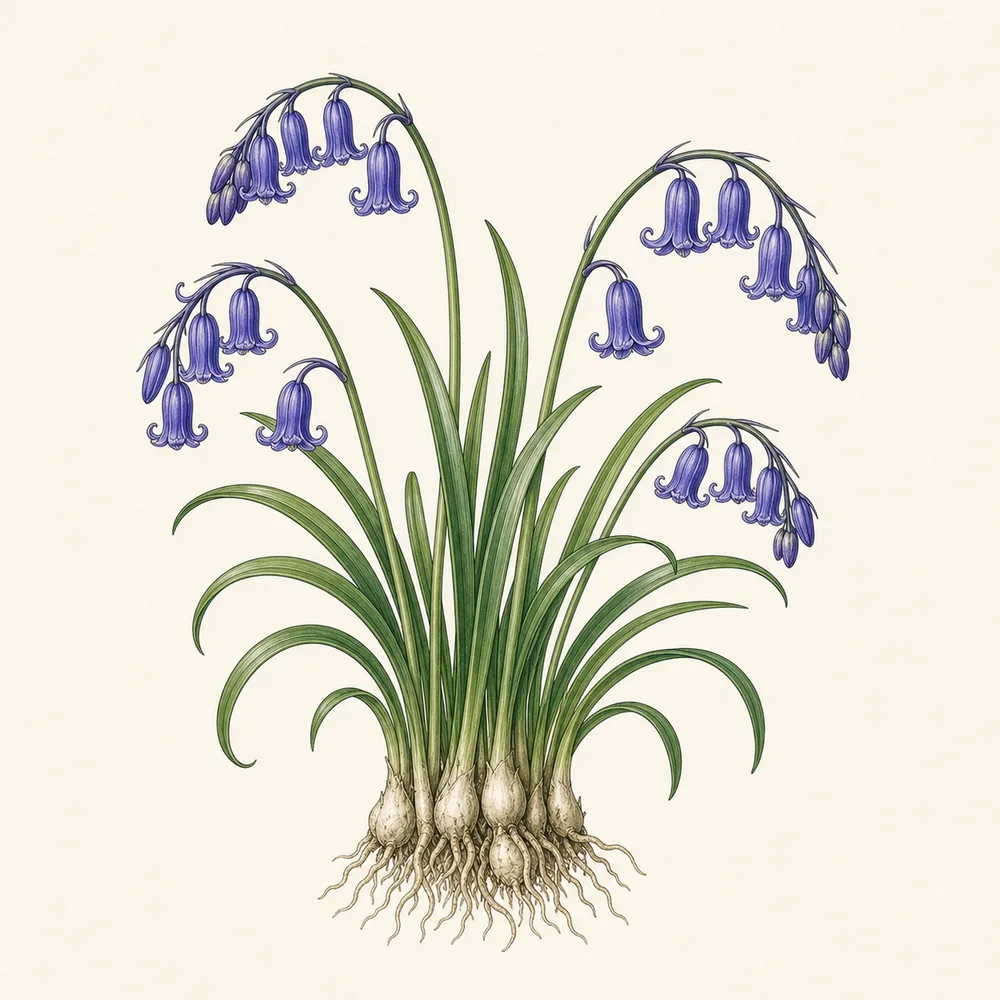
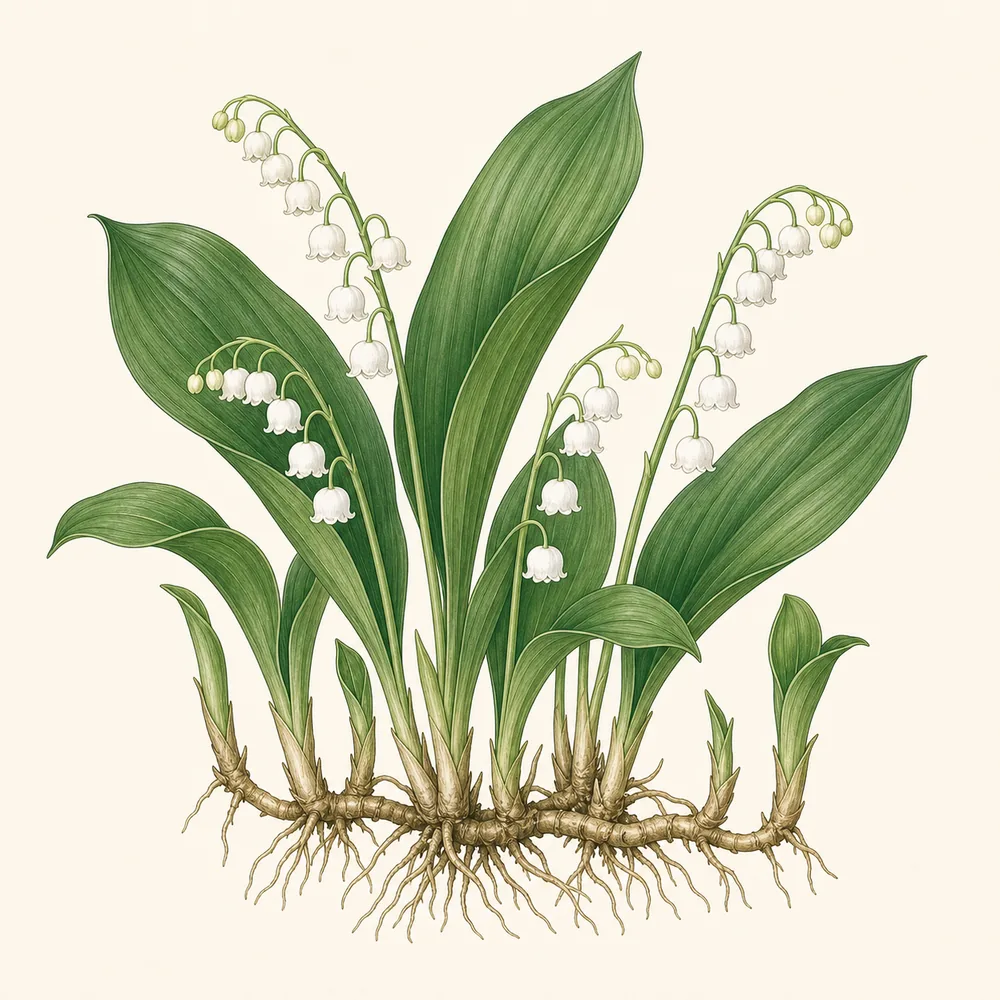
If you like this, try
Other plants with a similar temperament.
How we checked this
Care cross-checked against the RHS, which lists Snowdrop (Galanthus) as a potentially harmful plant — alkaloids concentrated in the bulbs. If our page and these sources ever disagree, believe them — and tell us.
Sources: RHS · ASPCA — toxic & non-toxic plants
Last reviewed · August 2026